
Hear From Our Clients
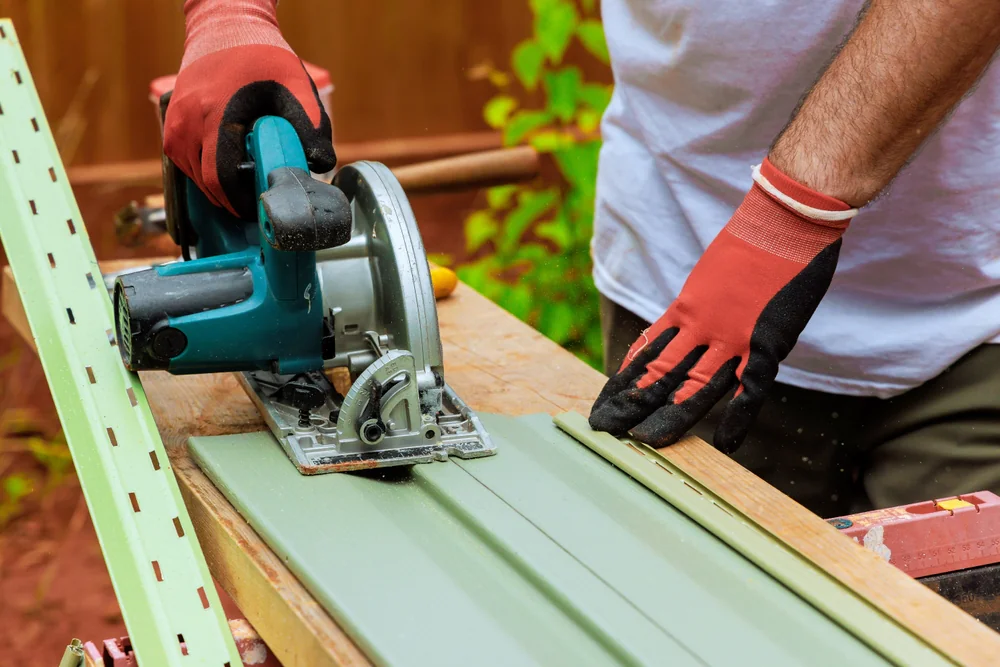
Your siding works like it should. Water stays outside where it belongs, not seeping behind panels and rotting your walls. No more worrying about the next storm.
You get real protection against Long Island’s brutal weather. The heavy spring rains that test every seam. The ice and snow that pull siding away from your house. The summer storms that seem to find every weak spot you didn’t know existed.
We don’t just patch what you can see. We fix the whole system so it handles North Great River weather instead of fighting it. That means proper fasteners for your specific wall type, sealants that flex with temperature changes, and materials actually built for Suffolk County’s coastal climate.
Home Team Construction has been handling siding repairs for North Great River residents who need it done right the first time. We’re not the guys who show up, slap some caulk on a crack, and disappear when it fails again.
We understand exactly how Long Island weather beats up siding systems. The salt air that corrodes fasteners within months. The freeze-thaw cycles that open up joints you thought were sealed. The storms that turn tree branches into projectiles aimed at your house.
That’s why we focus on comprehensive repairs that address the whole system, not just the obvious problem spots. Licensed and insured in Suffolk County, we’ve seen what works and what fails when it comes to keeping your home protected year after year.
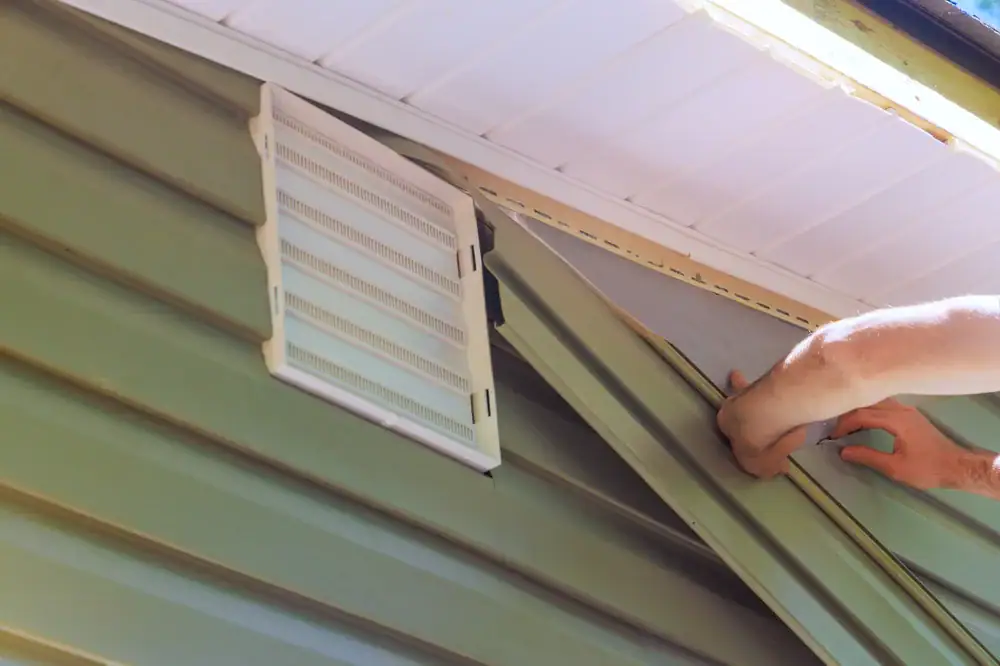
First, we inspect your entire siding system, not just the spot that’s obviously broken. We look for loose sections, failed caulk joints, and areas where water might be getting behind the siding. Most damage starts where you can’t see it.
Then we fix it properly. Re-secure loose sections with the right fasteners for your wall type. Seal joints with materials that stay flexible through Long Island’s temperature swings. Replace damaged sections that can’t be repaired safely.
We match your existing siding perfectly, whether it’s vinyl siding in North Great River, cedar siding repair, or fiber cement. You get a repair that blends seamlessly with what’s already there. Most importantly, you get a siding system that handles North Great River weather instead of letting it slowly destroy your home.

Ready to get started?
Every siding repair in North Great River includes a complete system evaluation. We check flashings, corner posts, and trim pieces – not just the siding panels themselves. Water damage usually starts where different materials meet, and that’s where most contractors miss problems.
For North Great River homes, we pay special attention to areas that face the prevailing winds. These sections take the most punishment during storms and need the strongest repairs. We use professional-grade sealants that stay flexible through Suffolk County’s freeze-thaw cycles, not the cheap stuff that cracks after one winter.
Storm damage repair gets priority treatment. We understand that insurance companies have strict time limits for claims, and we work fast to document damage and get emergency repairs started. Our experience with insurance adjusters means less stress for you and better coverage for necessary repairs.

We prioritize emergency siding repair in North Great River, especially after storms hit Suffolk County. Most emergency calls get a response within 24 hours, often the same day if weather permits and it’s a true emergency.
Emergency repairs focus on stopping immediate water intrusion. We’ll secure loose panels, seal major gaps, and install temporary protection until permanent repairs can be completed. This prevents further damage to your home’s structure while we work on insurance claims and order matching materials.
For storm damage siding repair, we document everything for your insurance claim while making emergency repairs. This saves time and helps ensure your claim gets processed quickly and completely. We know what insurance adjusters look for and how to present damage in terms they understand.
We repair all types of siding damage common to Long Island homes. Storm damage from high winds, hail, and flying debris. Water damage from failed flashing or loose panels. Impact damage from falling branches, ladders, or equipment that gets blown around.
Vinyl siding repair in North Great River includes cracked panels, loose sections, and faded areas that need replacement. Cedar siding repair covers split boards, rot damage, and areas where the finish has failed and water is getting in. We also handle fiber cement repairs for chips, cracks, and impact damage from hail or debris.
The key is catching problems early. Small cracks or loose panels might seem minor, but they let water behind your siding where it can cause expensive structural damage. We fix the visible problem and check for hidden damage that might not show up for months or years.
Yes, we work directly with insurance companies and adjusters on storm damage siding repair claims. We document all damage thoroughly, provide detailed repair estimates, and coordinate with adjusters to ensure you get the coverage you deserve for proper repairs.
Our experience with insurance claims means we know exactly what documentation they need and how to present repairs in terms they understand. We can often identify storm damage that homeowners miss, which helps maximize your claim coverage and gets you better repairs.
We also understand timing requirements for insurance claims. Most policies require prompt reporting of storm damage, and delays can result in denied claims. That’s why we prioritize storm damage calls and work quickly to get documentation and estimates completed before deadlines pass.
Matching existing siding is crucial for repairs that blend seamlessly with your home. We keep samples of common siding profiles and colors used in North Great River area homes, and we work with suppliers who can match older or discontinued products.
For vinyl siding repair, we match both color and texture. Vinyl can fade over time, so we sometimes need to blend new panels with existing ones or recommend strategic placement where color differences won’t be noticeable. For cedar siding repair, we match wood grain patterns and stain colors as closely as possible.
When exact matches aren’t available, we recommend repair strategies that work with your home’s design. Sometimes replacing an entire wall section with new material looks better than trying to patch with mismatched pieces. We’ll show you options and explain the pros and cons of each approach so you can make an informed decision.
The decision between siding repair and replacement depends on the extent of damage and the condition of your existing siding. Minor damage to a few panels usually calls for repair. Extensive damage covering large areas often makes replacement more cost-effective in the long run.
We consider the age and condition of your existing siding. If your siding is near the end of its useful life, it might make sense to replace rather than repair. New siding comes with warranties and better energy efficiency, which can offset the higher upfront cost over time.
For insurance claims, we present both repair and replacement options with clear explanations of costs and benefits. Sometimes insurance coverage makes replacement the better choice financially. We help you understand your options so you can make the best decision for your home and budget, not just the cheapest option today.
Properly done siding repairs should last as long as the original siding when we use quality materials and correct installation techniques. The key is using materials specifically designed for Long Island’s coastal climate and following manufacturer specifications exactly.
We use fasteners and sealants rated for coastal environments where salt air can accelerate corrosion. Our repairs account for thermal expansion and contraction, which prevents joints from opening up during temperature swings. Quality materials cost more upfront but prevent callbacks and additional repairs down the road.
Most of our siding repairs come with warranties that cover both materials and workmanship. We stand behind our work because we use proven techniques and quality materials designed for Suffolk County’s climate. Regular maintenance like annual cleaning and inspection can extend the life of any siding system, and we provide specific recommendations for keeping your siding in good condition.
Other Services we provide in North Great River