Hear From Our Clients
You’ve seen shingles in your yard after a storm. You’ve watched neighbors deal with leaks. You know your roof is older, and you’re wondering how much time you have left before something goes wrong at the worst possible moment.
A proper roof installation means you’re not scrambling for tarps when the forecast turns bad. It means your insurance company isn’t threatening to drop you because your roof hit the 20-year mark. It means the next nor’easter doesn’t keep you up at night wondering if water’s getting in somewhere you can’t see yet.
Long Island weather doesn’t take days off. Your roof shouldn’t either. When it’s installed right the first time with materials built for coastal conditions, you get years of reliability instead of constant repairs. That’s what matters when you’re protecting a $700,000 investment in a neighborhood where homes weren’t built to handle today’s storm intensity.
We’ve spent over 10 years handling roof installations, replacements, and emergency repairs across Suffolk County. We’re licensed, insured, and we don’t use subcontractors. Every person on your roof works directly for us and meets our standards.
North Great River homes face specific challenges. The salt air accelerates wear. The wind off the water hits harder than inland. Most of the housing stock here was built between 1940 and 1999, which means you’re often dealing with aging materials that weren’t designed for the storms we’re seeing now.
We live here. We know what happens when a contractor cuts corners or disappears after the deposit clears. That’s not how we operate. You get transparent pricing, progress updates, and work that reflects the fact that our reputation lives in the same community you do.
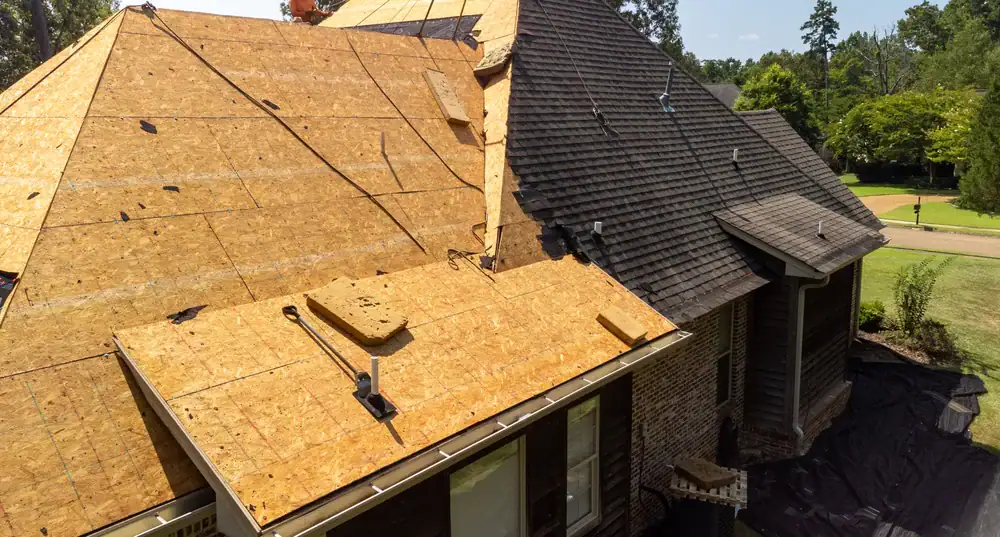
It starts with an inspection. We come out, assess your current roof, check for underlying damage, and give you a clear estimate before any work begins. No surprises, no upselling once we’re halfway through the job.
Once you approve the estimate, we schedule the installation around weather conditions that actually make sense for Long Island. We’re not rushing through a job in high winds or trying to install shingles in freezing temperatures just to hit a deadline. Quality installation requires the right conditions.
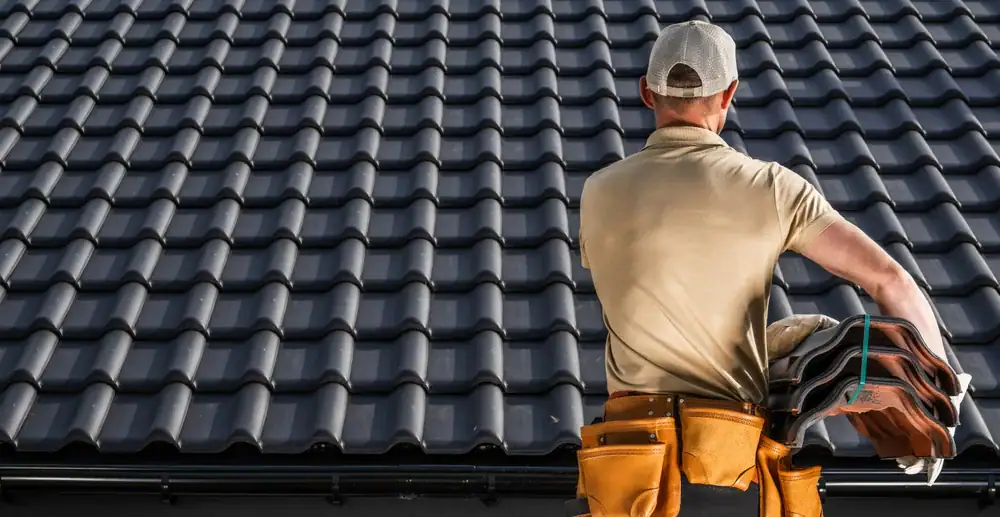
During the work, we remove old materials, inspect and repair the decking if needed, install proper underlayment, and then put down your new roofing system. We handle flashing, ventilation, and all the details that prevent problems three years down the road. You get photo updates as we go, so you know exactly what’s happening even if you’re not home.
Cleanup is part of the job. We use magnetic rollers to pick up nails, haul away all debris, and leave your property cleaner than we found it. Then we walk you through the finished work and make sure you understand your warranty coverage and maintenance requirements.
Ready to get started?
Impact-resistant shingles rated for high winds aren’t just marketing language. They’re the difference between finding your roof intact after a storm and filing an insurance claim. We install materials specifically chosen for Suffolk County’s coastal exposure, not whatever’s cheapest that week.
Your installation includes proper ventilation to handle Long Island’s humidity levels. Poor ventilation leads to moisture buildup, which leads to mold, rot, and a roof that fails years before it should. We calculate the right intake and exhaust ratios for your specific roof size and design.
Insurance savings are real. Carriers like State Farm, Allstate, and USAA offer discounts between 10% and 40% for impact-resistant materials and newer roofs. On a $3,000 annual premium, that’s $300 to $1,200 back in your pocket every year. We provide documentation that makes the discount process straightforward.
You also get a warranty that covers both materials and labor. We explain what’s covered, what’s not, and what you need to do to keep it valid. No fine print surprises when you actually need to use it.
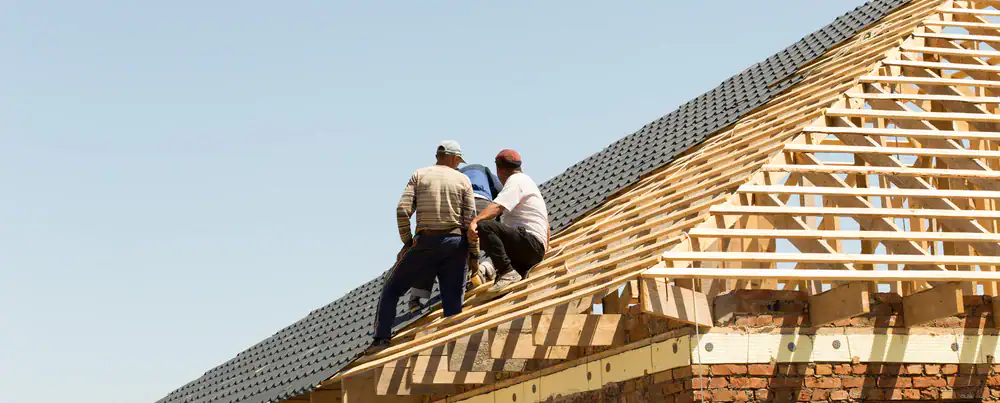
Most residential roof installations take two to four days depending on size, complexity, and weather. A standard single-family home with straightforward access usually wraps up in two to three days if conditions cooperate.
Weather delays are common on Long Island. We don’t install during high winds, heavy rain, or when temperatures drop too low for proper shingle sealing. Rushing through bad conditions creates problems that show up later as leaks or premature failure. If we need to pause for weather, we make sure your home is protected with tarps and secure any exposed areas.
Complex roofs with multiple valleys, steep pitches, or chimney work take longer. We give you a realistic timeline upfront based on your specific property, not a generic estimate that sounds good but isn’t accurate.
Asphalt shingles are the most common choice in North Great River because they balance cost, durability, and insurance requirements effectively. Quality architectural shingles last 25 to 30 years in coastal conditions and meet wind resistance standards that insurance companies want to see. They’re also easier to repair if storm damage happens.
Metal roofing has surged in popularity recently because it handles high winds extremely well and lasts 40 to 50 years or more. It’s more expensive upfront, often double the cost of asphalt, but you’re looking at potentially never replacing your roof again. Metal also sheds snow and ice better, which matters during harsh winters.
The choice depends on your budget, how long you plan to stay in the home, and what your insurance company requires. Some carriers offer better discounts for metal, others don’t differentiate much. We walk through the actual numbers for your situation so you can make an informed decision instead of guessing.
Yes, but the amount varies by carrier and your roof’s age before replacement. If your current roof is over 15 years old, you’re likely paying premium surcharges of 25% to 50% right now, or your carrier has threatened non-renewal. A new roof removes those penalties immediately.
Impact-resistant shingles add another layer of savings. Long Island carriers including State Farm, Allstate, Liberty Mutual, and USAA offer specific discounts for impact-resistant materials, typically ranging from 10% to 30%. Combined with new roof discounts, you’re looking at total savings that can approach 35% to 40% annually.
You’ll need documentation for your insurance company. We provide detailed invoices, material specifications, and installation certifications that show exactly what was installed and when. Most homeowners see the discount reflected within one or two billing cycles after submitting the paperwork. On a $3,000 annual premium, a 30% discount puts $900 back in your budget every single year.
Age is the first indicator. If your roof is over 20 years old and you’re seeing multiple problem areas, replacement usually makes more sense than patching. Repairs buy you time when the roof is relatively young and damage is isolated to one section.
Look for curling shingles, granule loss in your gutters, or spots where shingles are missing entirely. If this is happening across large sections of the roof rather than just one area, the whole system is failing. You can repair a few shingles after a storm, but you can’t repair widespread deterioration.
Water stains on your ceiling or in your attic are serious. By the time you see interior damage, water has been getting in for a while. We inspect the decking and underlayment during our assessment because surface shingles might look okay while the structure underneath is compromised. If the decking is rotted or the underlayment is shot, you’re looking at replacement even if some shingles seem fine.
We document storm damage thoroughly and provide detailed estimates that insurance adjusters can use, but we don’t act as public adjusters or file claims on your behalf. You maintain control of your claim while we provide the technical information that supports it.
After a storm, we inspect your roof and document all damage with photos and measurements. Our estimate breaks down what needs repair or replacement and why, using language that aligns with how insurance companies assess damage. This gives you solid evidence when you’re talking to your adjuster.
Many homeowners don’t realize their damage qualifies for a claim until we point out issues that aren’t obvious from the ground. Missing shingles are easy to spot, but damaged flashing, compromised underlayment, or impact damage to vents often gets missed. We make sure nothing is overlooked so your claim reflects the full scope of necessary work.
We monitor weather forecasts closely and don’t start tear-off if heavy rain is predicted within the work window. But Long Island weather changes fast, and unexpected rain happens. When it does, we have protocols to protect your home immediately.
If rain starts during installation, we stop work and cover all exposed areas with heavy-duty tarps that are secured properly, not just thrown over the roof. Any openings get sealed, and we make sure water can’t pool anywhere that would cause leaks or damage. Your home stays protected until conditions improve.
Light rain or drizzle sometimes allows us to continue certain phases of work, but we never install shingles in wet conditions. Shingles need dry surfaces to seal properly. Installing on wet decking or underlayment creates future problems with adhesion and can void manufacturer warranties. We’d rather delay a day than compromise the installation quality you’re paying for.
Other Services we provide in North Great River