

Hear From Our Clients
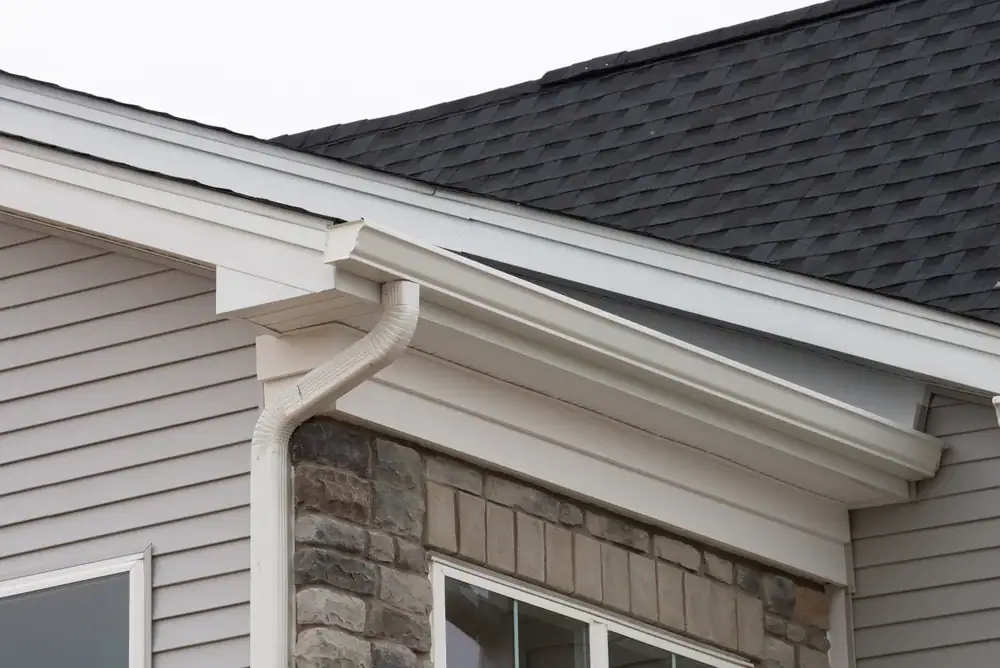
You don’t think about your chimney until water stains appear on your ceiling or you smell smoke in the wrong room. By then, moisture has already worked its way through cracked mortar, damaged flashing, or a deteriorating crown.
A properly repaired chimney keeps water out. That means no stains spreading across your living room ceiling, no musty smells from hidden mold, and no framing rot that costs five figures to fix. It also means your fireplace drafts correctly, your home stays warm when you want it to, and you’re not breathing carbon monoxide because the flue liner cracked.
North Great River homes sit right in the path of coastal weather that accelerates chimney damage. Salt particles from ocean air penetrate brick and mortar, then expand when moisture freezes. That’s why chimneys here need attention sooner than homes inland. Catching problems early—a small crack in the crown, loose flashing around the base, or deteriorating mortar joints—saves you from emergency repairs that always cost more and happen at the worst possible time.
We handle chimney masonry repair, flashing replacement, and waterproofing across Suffolk County. We’re based on Long Island, so we understand what coastal weather does to chimneys in North Great River.
Your neighbors have older, well-maintained homes—many built between 1940 and 1999—with chimneys that need regular attention. We’ve worked on enough of them to know where problems show up first and how to fix them right. No runaround, no surprise charges, just honest assessments from people who’ve been doing this work locally for years.
You’re not getting a national franchise or a crew that drives two hours to get here. You’re getting local chimney contractors who know the difference between a quick patch and a repair that actually lasts.
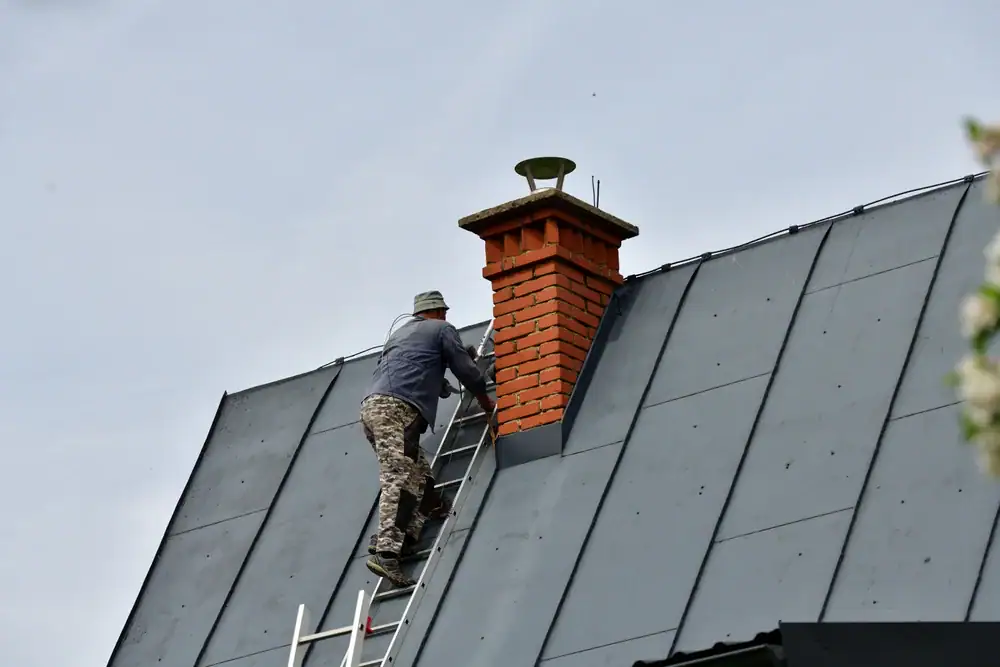
First, we inspect the entire chimney structure—not just the part you think is broken. We check the crown for cracks, examine flashing where the chimney meets your roof, look at mortar joints for deterioration, and inspect the flue liner from inside. Most homeowners only see exterior damage, but interior problems cause just as many issues.
Then we explain what’s wrong and why it matters. If your chimney crown has a crack, we’ll show you how water gets in and where it goes once it’s inside. If flashing has pulled away from the roofline, we’ll explain why that leads to leaks in your attic. You’ll know exactly what needs fixing and what can wait.
Repairs depend on what’s damaged. Chimney leak repair might mean resealing the crown, replacing flashing, or repointing mortar joints where water’s getting through. Masonry work involves removing damaged bricks or stone and rebuilding with materials that match your existing chimney. Flashing repair means pulling up shingles around the base, installing new metal flashing, and sealing everything so water runs off instead of in.
We don’t stretch jobs to inflate bills. If your chimney needs two hours of work, that’s what you pay for.

Ready to get started?
Chimney repair isn’t one thing. It’s a category that covers everything from minor mortar touch-ups to complete crown rebuilds. What you need depends on where damage shows up and how far it’s progressed.
Flashing repair is common in North Great River because wind-driven rain and ice dams stress the seal where your chimney meets the roof. We remove old, corroded flashing and install new metal that’s properly integrated with your roofline and sealed against Long Island weather. Masonry repair addresses cracks in bricks, deteriorating mortar joints, and damaged chimney crowns. We repoint mortar, replace broken bricks, and rebuild crowns using materials designed to handle freeze-thaw cycles.
Chimney leak repair often involves multiple fixes—sealing the crown, replacing flashing, and waterproofing the exterior. Water finds the path of least resistance, so one weak point can cause leaks in several places. We address all entry points, not just the obvious one.
You might also need flue liner repair if the interior is cracked or damaged. A compromised liner lets heat and gases escape into your walls, which creates fire risk and carbon monoxide danger. We inspect liners during every chimney evaluation because exterior damage often signals interior problems too.
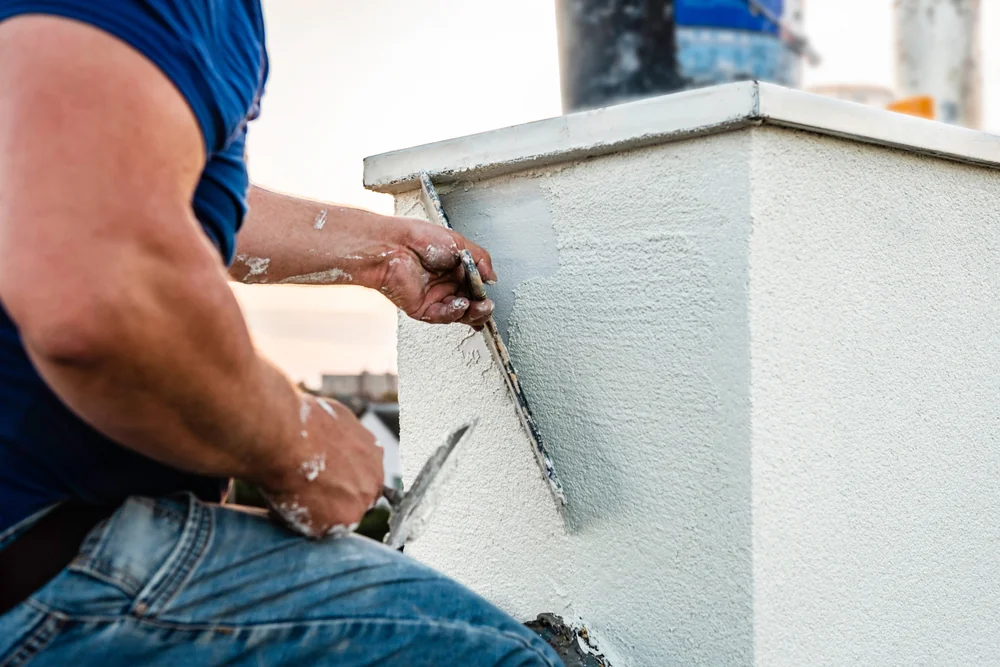
Most chimney repairs in North Great River run between $500 and $2,500, depending on what’s damaged and how much work it takes to fix. Simple jobs like resealing a chimney crown or replacing a small section of flashing cost less. Extensive masonry repair, full flashing replacement, or flue liner work costs more.
The real cost question isn’t what you pay for repairs—it’s what you pay if you don’t fix problems early. A $600 crown repair now prevents $8,000 in water damage to your ceiling, insulation, and framing later. A $1,200 flashing replacement stops leaks that lead to mold remediation and structural repairs.
We give you a clear estimate after inspecting your chimney. No surprise charges, no upselling services you don’t need. You’ll know what the work costs before we start, and you’ll understand why each repair matters for protecting your home.
Spring is the best time for chimney inspections and repairs in North Great River. Weather is mild and dry, which makes exterior work like masonry repair and flashing replacement easier. You also avoid the fall rush when every homeowner suddenly remembers their chimney needs attention before winter.
You should get your chimney inspected if you notice water stains on ceilings or walls near the chimney, see cracks in the crown or mortar joints, smell smoke inside your home when using the fireplace, or spot loose or damaged flashing. These are signs that damage is already happening.
Even without obvious problems, chimneys in coastal areas like North Great River need regular inspections. Salt air accelerates deterioration, and freeze-thaw cycles create cracks that grow every winter. Catching small issues during routine inspections costs a fraction of emergency repairs after a nor’easter causes major damage. We recommend inspections every two to three years for homes that use their fireplaces regularly, or every three to five years if you don’t.
Chimney leaks usually start in one of three places: damaged flashing, cracked chimney crowns, or deteriorating mortar joints. Water gets in through these weak points, then travels down inside your chimney and into your home.
Flashing is the metal seal where your chimney meets the roof. When it corrodes, pulls away, or gets damaged by ice dams, water runs straight into your attic. We fix this by removing old flashing and installing new metal that’s properly sealed and integrated with your roofline. Chimney crowns are the concrete caps on top of your chimney. Cracks form from freeze-thaw cycles, and once water gets in, it makes cracks bigger every winter. We repair crowns by sealing small cracks or rebuilding severely damaged ones with weather-resistant materials.
Mortar joints between bricks deteriorate over time, especially in Long Island’s coastal climate. Water seeps through worn mortar, soaks into bricks, and eventually leaks inside. We repoint damaged joints by removing old mortar and replacing it with new material that keeps water out. Often, leaks involve multiple problems, so we inspect the entire chimney structure to find every entry point and fix them all.
Most chimneys need repairs, not replacement. Even significant damage—cracked crowns, deteriorating mortar, damaged flashing—can be fixed without tearing down and rebuilding the entire structure.
Full chimney replacement is only necessary when structural damage is so extensive that repairs won’t hold, or when the chimney is leaning and poses a safety risk. This is rare. More often, what looks like a major problem is actually localized damage that can be repaired at a fraction of replacement cost.
We’ll tell you honestly whether your chimney needs repair or replacement. If repairs will fix the problem and last for years, that’s what we recommend. If the structure is compromised and repairs are just delaying the inevitable, we’ll explain why replacement makes more sense. You’ll get a straight answer based on what’s actually wrong with your chimney, not what generates the biggest invoice. Most homeowners in North Great River are dealing with repair-level damage, especially if they catch problems before water has been leaking for years.
Most chimney repairs take one to three days, depending on the scope of work. Simple jobs like resealing a crown or replacing a small section of flashing can be done in a few hours. More involved work—repointing mortar joints, replacing all the flashing, or rebuilding a damaged crown—takes longer.
Weather affects timing too. Masonry work requires dry conditions for materials to cure properly, so rain delays are possible. We don’t rush jobs to meet arbitrary deadlines. Chimney repairs need to be done right, which means giving materials time to set and ensuring every seal is watertight.
We’ll give you a realistic timeline when we estimate your project. If the work takes two days, we’ll tell you that upfront. If weather might cause delays, you’ll know before we start. Most homeowners are surprised how quickly chimney repairs get done once we’re on site—the inspection and planning take longer than the actual work. You won’t have crews at your house for weeks. We get in, fix what’s broken, clean up, and get out.
Coastal weather accelerates chimney damage in North Great River. Salt air from the ocean penetrates brick and mortar, then crystallizes when moisture evaporates. This expansion weakens mortar joints and cracks bricks from the inside. Homes even a few miles inland don’t face the same level of salt exposure.
Freeze-thaw cycles hit harder here too. Water that seeps into small cracks freezes during winter, expands by 9%, and makes those cracks bigger. When it thaws, more water gets in. This cycle repeats all winter, turning minor damage into major problems faster than in areas with milder climates. North Great River gets nor’easters, freezing rain, and temperature swings that stress chimney structures more than steady cold or mild winters.
Your home is also likely older—most houses here were built between 1940 and 1999—which means chimneys have had decades to accumulate wear. Older masonry wasn’t always built with modern waterproofing techniques, so chimneys from that era need more frequent maintenance. Regular inspections and timely repairs keep your chimney functional despite the harsh coastal environment. Ignoring maintenance here costs more than it would inland because damage progresses faster.
Other Services we provide in North Great River