

Hear From Our Clients
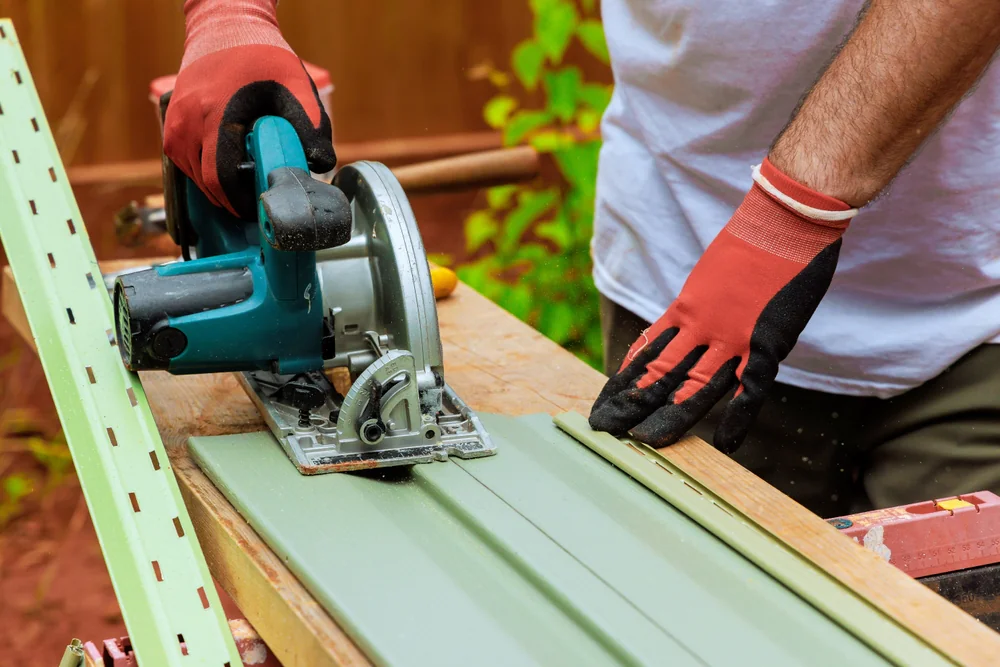
That loose panel rattling in the wind isn’t just annoying. It’s a warning sign that water is about to infiltrate your walls, and once it does, you’re not just fixing siding anymore—you’re dealing with rot, mold, and structural repairs that could run into the thousands.
Suffolk County weather doesn’t give you much time. Nor’easters bring sustained winds that peel entire sections away. Summer storms crack vinyl with hail. And that salt-laden coastal air? It’s working on your siding from both sides, accelerating aging and creating gaps where moisture sneaks in during every rainstorm.
Fast, professional vinyl siding repair, aluminum siding repair, or wood siding repair stops the damage before it spreads. You get materials that match your existing siding perfectly, repairs that hold up against Long Island’s weather, and the peace of mind that comes from knowing your home is actually protected—not just patched.
We’ve been fixing siding on Long Island homes since 2002. We’re family-owned, locally operated, and we live in the same neighborhoods we work in—which means we understand exactly what Coram’s weather does to your home’s exterior.
You’re not getting a sales pitch or a runaround. You’re getting Alban and his team, who show up when we say we will, give you transparent pricing before any work starts, and handle the job with the kind of attention to detail that comes from over 20 years of doing this right.
We’re licensed and insured, and we’ve built our reputation on doing honest work for homeowners who need their siding fixed correctly the first time. No surprises, no upselling—just professional repairs that protect your home and your investment.
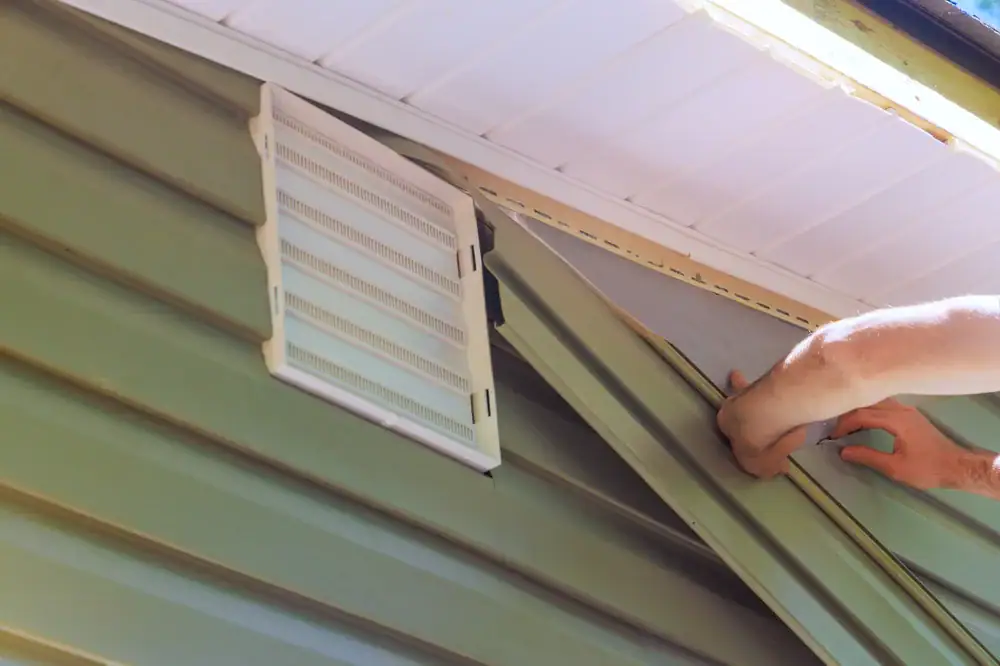
First, we come out to assess the damage. Alban personally handles estimates, so you’re talking directly to someone who knows what they’re looking at—not a salesperson. We check for obvious damage like cracks, loose panels, or missing sections, but we also look for hidden issues like water infiltration behind the siding or damage to the underlayment.
Once we know what needs fixing, you get a clear, upfront estimate. No vague ranges or surprise charges later. We explain what we found, what needs to be repaired, and how we’ll match your existing materials so the repair blends in seamlessly.
Then we schedule the work around your timeline. Most siding repairs are completed in a day or two, depending on the extent of the damage. We remove damaged sections, inspect and repair any underlying issues, install new materials that match your home’s existing siding, and make sure everything is sealed and secured against future weather. When we’re done, we clean up completely—you shouldn’t even know we were there except for the fact that your siding is fixed.

Ready to get started?
We handle vinyl siding repair, aluminum siding repair, and wood siding repair for homes throughout Coram and the surrounding Suffolk County area. That includes storm damage from wind and hail, water damage repairs, cracked or broken panels, color-faded sections that need replacement, and full panel replacements when sections have been compromised.
Coram homeowners deal with specific challenges that most contractors don’t talk about. Your home is exposed to nor’easters that bring sustained winds strong enough to get underneath loose panels and peel away entire sections. You’re close enough to the coast that salt-laden air accelerates corrosion and aging—making 10-year-old siding look decades old. And Long Island’s freeze-thaw cycles cause vinyl to expand and contract, creating gaps where water infiltrates.
We match your existing materials exactly, whether that’s vinyl, aluminum, cedar, or fiber cement. We source the right profiles, textures, and colors so repairs blend in seamlessly. And because we’ve been working on Long Island homes for over 20 years, we know which materials hold up best against Suffolk County’s weather and which ones are going to cause problems down the road. You get repairs that last, not temporary fixes that fail in the next storm.

Most siding repairs in Coram run between $400 and $3,000, depending on the extent of the damage and the type of material. Minor repairs—like replacing a few cracked vinyl panels or reattaching loose sections—typically start around $200 to $500. More extensive damage, like replacing entire sections after storm damage or repairing water infiltration that’s affected the underlayment, can run $1,500 to $3,000 or more.
The cost depends on a few factors: the type of siding you have (vinyl is usually less expensive to repair than wood or fiber cement), how much material needs replacing, whether there’s underlying damage to the sheathing or moisture barrier, and how difficult it is to match your existing siding. Older or discontinued siding profiles can be harder to source, which sometimes increases cost.
We give you an upfront estimate before any work starts, so you know exactly what you’re paying for. No surprises, no vague ranges—just a clear breakdown of what needs fixing and what it costs.
Yes, in most cases. Matching existing siding is one of the most common concerns homeowners have, especially if their siding is 10, 15, or 20 years old. Manufacturers discontinue profiles and colors all the time, but we’ve been doing this long enough to know where to source hard-to-find materials and how to work around discontinued products.
For vinyl and aluminum siding, we can often find exact or very close matches through specialty suppliers who stock older profiles. If an exact match isn’t available, we can sometimes replace an entire wall section with new material so the color and texture are consistent across that side of the house—avoiding the patchwork look that happens when you try to blend old and new materials that don’t quite match.
For wood siding, matching is usually easier because we can mill custom pieces to match your existing profile, then stain or paint to match the color. The key is working with someone who has the experience and supplier relationships to track down what you need—or the skill to make it work when an exact match isn’t possible.
We offer same-day service for emergency repairs when storms cause immediate damage that’s letting water into your home. If you’ve got panels torn off, large cracks, or sections that have been completely compromised, we prioritize those calls because every hour that passes is another chance for water to get inside and cause structural damage.
For non-emergency repairs—like a few cracked panels or minor wind damage that isn’t actively leaking—we typically schedule within a few days to a week, depending on the season. Late summer into fall is peak storm season on Long Island, so scheduling can be tighter during those months. That’s why we recommend addressing any existing damage before storm season hits, so you’re not waiting in line after a nor’easter.
Most siding repairs are completed in one to two days once we’re on site. Larger jobs that involve multiple walls or underlying water damage repairs can take longer, but we’ll give you a clear timeline during the estimate so you know what to expect.
It depends on your policy and the cause of the damage. Most homeowners insurance policies cover sudden, accidental damage from storms—like wind tearing off panels during a nor’easter or hail cracking your siding during a summer storm. They typically don’t cover damage from wear and tear, aging, or lack of maintenance.
If you’re filing a claim, document the damage with photos before any temporary repairs are made, and contact your insurance company as soon as possible. They’ll usually send an adjuster to assess the damage and determine what’s covered. We can work directly with your insurance company and provide detailed estimates that break down the scope of repairs, which helps during the claims process.
Keep in mind that filing a claim might affect your premiums, so for smaller repairs that are close to your deductible amount, it’s sometimes more cost-effective to pay out of pocket. We’ll give you an honest assessment of the damage and the cost, so you can make an informed decision about whether to file a claim or handle it directly.
Repair makes sense when the damage is localized—a few cracked panels, storm damage to one section, or isolated areas where water has gotten in. You’re replacing only what’s damaged, which is faster and less expensive than a full replacement. If your siding is relatively new and in good condition overall, repair is usually the right call.
Replacement makes sense when the damage is widespread, your siding is nearing the end of its lifespan (15-20 years for vinyl, 20-30 for fiber cement, less for wood depending on maintenance), or you’re dealing with recurring issues like constant cracking, fading, or water infiltration in multiple areas. At that point, you’re not just fixing one problem—you’re putting money into a system that’s going to keep failing.
We’ll tell you honestly which option makes sense for your situation. If your siding has another 10 years of life left and the damage is repairable, we’re not going to push you toward a full replacement. But if we’re patching the same issues over and over, or if the underlying structure is compromised, replacement might actually save you money in the long run by eliminating ongoing repair costs and protecting your home properly.
Yes. We repair vinyl siding, aluminum siding, wood siding (including cedar, pine, and engineered wood), and fiber cement siding. Each material has different repair requirements and challenges, and we’ve been working with all of them on Long Island homes for over 20 years.
Vinyl is the most common and usually the easiest to repair—panels snap together, and replacements are typically straightforward as long as we can match the profile and color. Aluminum requires more precision because dents and bends don’t always come out cleanly, and color matching can be tricky with older finishes. Wood siding repair involves more carpentry work—removing damaged boards, checking for rot in the sheathing, milling or sourcing matching profiles, and finishing with stain or paint. Fiber cement is durable but heavy and requires specialized cutting tools and techniques.
The key is knowing how each material behaves in Suffolk County’s climate and how to repair it properly so it holds up long-term. We’ve seen what works and what fails, and we use that experience to make sure your repair actually lasts instead of becoming a temporary fix that fails in the next storm.
Other Services we provide in Coram