

Hear From Our Clients
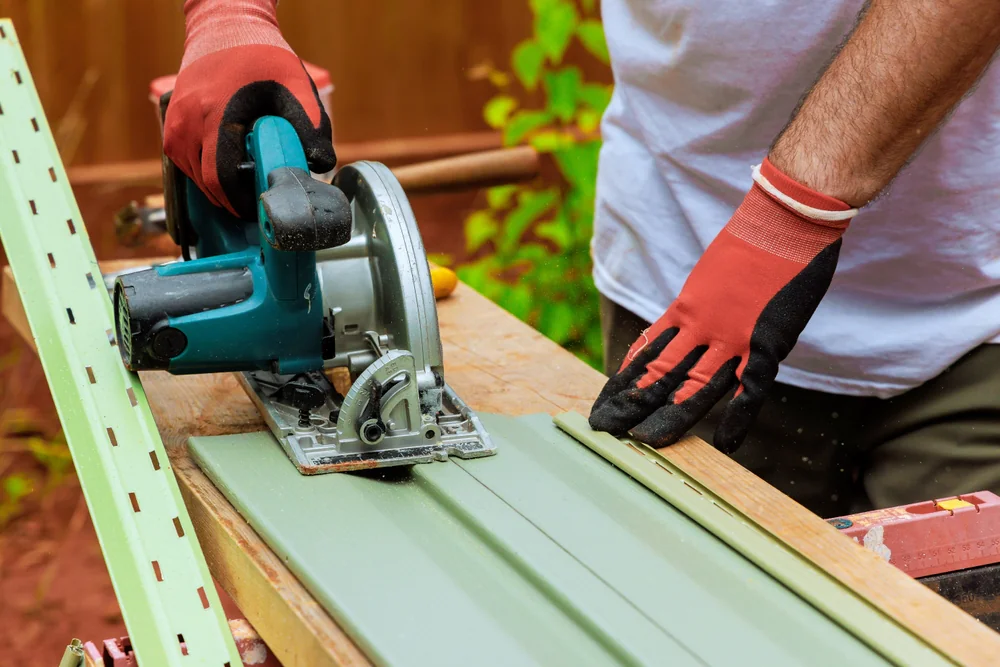
You’ve seen the loose panels after a nor’easter. The cracks that show up after winter. The water stains that weren’t there last month.
Calling someone out after every storm gets expensive. Patching the same spots over and over means the real problem isn’t getting solved. And when water starts getting behind your siding, you’re not just looking at cosmetic damage anymore—you’re looking at mold, rot, and structural issues that cost thousands to fix.
The difference between a quick patch and an actual repair comes down to understanding what coastal weather does to siding materials. Salt air breaks down protective coatings. Freeze-thaw cycles crack caulking and seals. Wind-driven rain finds every weak point in your exterior envelope. If your contractor doesn’t account for those conditions, you’ll be calling them again in six months.
We assess the full system—not just the visible damage. That means checking what’s happening behind the siding, testing moisture levels, and identifying why the problem started in the first place. Then we fix it with materials and methods that hold up to Brentwood’s weather patterns, not generic solutions that work fine in Arizona but fail here.
We’ve been repairing siding across Suffolk County for over a decade. That means we’ve seen what happens when contractors skip steps, use the wrong materials, or don’t understand how coastal conditions affect long-term performance.
Brentwood homeowners deal with unique challenges. The median home value here is $416,000—up 18.5% recently—and 80% of residents own their homes. You’re not renting. You’re invested. That means repairs need to protect your property value, not just cover up problems temporarily.
Our crews are licensed and insured. We show up when we say we will. We don’t disappear after giving you a quote. And we don’t treat every job the same, because a vinyl siding repair on a ranch near the water isn’t the same as wood siding repair on a colonial three blocks inland.
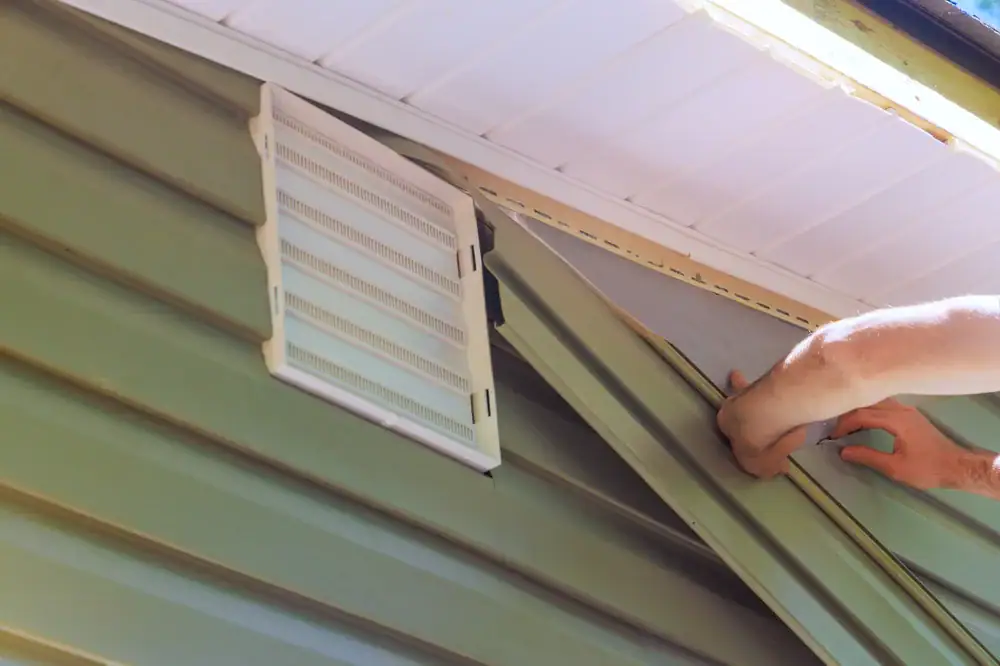
First, we come out and look at the full picture. Not just the damaged panel you called about, but the surrounding area, the underlying structure, and any signs of moisture intrusion. Most siding problems aren’t isolated—they’re symptoms of a bigger issue.
We check for soft spots in the sheathing. We look at flashing around windows and doors. We test caulking and seals. If there’s water damage, we find out how far it’s spread and what needs to be addressed before we close everything back up.
Then we walk you through what we found. You’ll know exactly what’s wrong, why it happened, and what it takes to fix it correctly. We explain your material options—vinyl, wood, fiber cement, aluminum—and what makes sense for your specific situation and budget.
Once you approve the plan, we order materials that match your existing siding or upgrade to something more durable. We handle the removal, any structural repairs underneath, proper moisture barriers, and installation that accounts for expansion, contraction, and water management. The job site gets cleaned up daily, and you get a final walkthrough before we call it done.

Ready to get started?
A real siding repair starts with diagnosis. We’re looking at the damage you can see and the damage you can’t. That includes moisture testing, checking the condition of house wrap and underlayment, and inspecting fasteners and flashing.
Material replacement depends on what you have. Vinyl siding repair often means replacing full panels to avoid mismatched seams and color variations. Aluminum siding repair might involve straightening dents or replacing sections that have corroded from salt exposure. Wood siding repair requires treating the underlying structure for rot and ensuring proper ventilation to prevent future moisture problems.
In Brentwood, we’re also dealing with storm damage regularly. Since 1930, Suffolk County has been hit by 45 hurricanes. Add in nor’easters, heavy snow, and coastal winds, and your siding takes a beating most inland homes never see. That’s why we use marine-grade sealants, corrosion-resistant fasteners, and installation techniques that account for high wind zones.
You’ll also get guidance on insurance claims if storm damage is involved. Many policies cover wind damage, hail, and water intrusion from extreme weather—but you need documentation and proper assessment to file successfully. We’ve worked with enough insurance adjusters to know what they’re looking for.

Most siding repairs in Brentwood run between $1,300 and $5,500, depending on the extent of damage and material type. Small vinyl siding repairs—replacing a few cracked panels after a storm—might cost $400 to $800. Larger jobs involving water damage, structural repairs, or full wall sections can push toward the higher end.
Pricing also depends on material. Vinyl is generally the most affordable to repair because panels are easy to source and install. Wood siding repair costs more due to carpentry work, rot treatment, and custom milling if you have older or unique profiles. Fiber cement sits in the middle but requires specialized tools and experience.
The real cost comes from not fixing problems early. A $600 repair now can turn into a $4,000 project if water gets into your wall cavity and you’re dealing with mold remediation and sheathing replacement. We give you transparent pricing upfront so you know exactly what you’re paying for and why.
Matching existing siding depends on the material, age, and manufacturer. Vinyl siding from the last 10-15 years is usually easier to match because manufacturers keep consistent color lines and profiles. We can often source the exact product or something close enough that it blends in once it weathers a few months.
Older vinyl, discontinued colors, or custom profiles get trickier. In those cases, we might pull panels from a less visible area of your home—like the back or side wall—and use those for the front repair. Then we install the new, slightly mismatched panels where they’re less noticeable.
Wood siding repair offers more flexibility because we can mill custom pieces to match your existing profile, then prime and paint to blend seamlessly. Aluminum siding is harder to match due to fading and limited availability of older styles, but we work with suppliers who specialize in vintage and discontinued products. The goal is always to make the repair invisible, but we’ll be upfront if perfect matching isn’t possible.
Storm damage usually shows specific patterns. After high winds, you’ll see panels that are loose, bent, or completely torn off—especially on corners and edges where wind pressure is highest. Hail leaves circular dents or cracks, often concentrated on south and west-facing walls. Heavy rain combined with wind drives water behind siding through seams and gaps, which shows up as interior water stains or peeling paint.
Normal wear looks different. Gradual fading, minor cracks near fasteners, or small gaps in caulking develop slowly over years. You’ll notice these issues during routine maintenance, not suddenly after a weather event. Coastal homes in Brentwood also deal with salt air degradation—chalky surfaces, corroded fasteners, and brittleness that makes siding more prone to cracking.
The distinction matters for insurance claims. Policies typically cover sudden damage from storms, wind, and hail, but not gradual deterioration from age or lack of maintenance. We document everything during our assessment, including photos and moisture readings, so you have what you need if you’re filing a claim. If the damage is borderline, we’ll tell you honestly whether it’s worth pursuing with your insurance company.
Repair makes sense when damage is localized and the rest of your siding is in good shape. If a storm tore off a few panels, or you’ve got isolated cracks and holes, replacing those sections is cost-effective and gets your home protected quickly. You’re looking at a few hundred to a couple thousand dollars, and the job takes a day or two.
Replacement becomes the better option when you’re repairing the same areas repeatedly, when widespread damage affects multiple walls, or when your siding is 20+ years old and showing its age. At that point, you’re throwing money at a failing system. New siding costs more upfront—typically $9,500 to $16,000 for an average Brentwood home—but you get better energy efficiency, improved curb appeal, and 20-30 years of protection without constant maintenance.
We’ll walk you through the math during our assessment. If you’ve spent $2,000 on repairs in the last three years and your siding is nearing the end of its lifespan anyway, replacement might save you money over the next five years. But if your siding is relatively new and the damage is limited, repair is absolutely the right call. We’re not here to upsell you—we’re here to give you the most practical solution for your situation and budget.
Yes. When a nor’easter or severe storm tears up your siding, waiting even a few days can lead to serious water damage inside your walls. We prioritize emergency calls and can usually get someone out within 24-48 hours to assess the damage and do temporary protection if needed.
Emergency repairs focus on stopping water intrusion first. That might mean tarping exposed areas, sealing gaps, or doing quick panel replacements to close up your home’s exterior envelope. Once the immediate threat is handled, we schedule the full repair to address underlying damage and match materials properly.
Brentwood saw significant storm damage in August 2024 when record rainfall hit Long Island. Homes that got emergency attention right away avoided the mold and structural problems that showed up weeks later in properties where water sat in wall cavities. If you’re dealing with storm damage, don’t wait to see if it gets worse—it will. Call us, and we’ll get your home protected while we work through the full scope of repairs.
If your siding has gaps, cracks, or missing sections, you’re losing conditioned air and letting drafts in. Repairing those problem areas tightens up your home’s exterior and reduces the load on your heating and cooling systems. You’ll notice the biggest difference in rooms where you’ve felt cold spots near exterior walls or heard wind whistling through gaps.
The energy savings depend on how bad the damage is. Small cracks might only account for a few dollars a month in lost efficiency. Widespread gaps or damaged house wrap behind your siding can add 10-15% to your energy costs, especially during Brentwood’s cold winters and humid summers.
When we’re doing siding repairs, we also check the condition of insulation and moisture barriers behind the panels. If those have deteriorated or gotten wet, we address them during the repair. Proper installation with sealed seams and intact underlayment makes a measurable difference in comfort and utility costs. You’re not just fixing cosmetic damage—you’re restoring your home’s thermal envelope and protecting your investment from the inside out.
Other Services we provide in Brentwood