
Hear From Our Clients
You’re not imagining that smell. Water’s getting in somewhere, and if you’re reading this, you already know waiting makes it worse.
Most chimney leaks in Brentwood start with flashing that’s corroded from salt air or a crown that’s cracked from freeze-thaw cycles. You might see water stains on your ceiling, smell dampness near the fireplace, or notice pieces of mortar in your firebox. Those aren’t cosmetic issues—they’re warnings that water’s breaking down your chimney from the inside out.
Catching it early means a few hundred dollars for chimney flashing repair or repointing. Ignoring it means water damage repair bills between $2,500 and $7,500 for most Suffolk County homes, plus the cost of fixing whatever structural damage happened while you waited. We’ve seen chimneys that needed complete rebuilds because a $400 crown repair got pushed off for two winters.
You get documentation for your insurance company, upfront pricing before we start, and work that actually stops the leak instead of just patching it until next season.
Home Team Construction has spent 10+ years solving chimney problems in Suffolk County. We’re licensed, we’re insured, and we’ve seen what happens when chimneys aren’t maintained in coastal weather.
Brentwood’s location means your chimney faces salt air corrosion faster than chimneys even 20 miles inland. The freeze-thaw cycle here is brutal—water gets into small cracks, freezes, expands by about 9%, and breaks apart mortar and masonry. We use marine-grade materials and flashing designed for these conditions because we know standard materials fail faster here.
You’re not getting a crew that learned chimney repair on YouTube. You’re getting licensed contractors who know the difference between a quick fix and one that lasts, and who’ll tell you honestly what you’re dealing with before you spend a dollar.
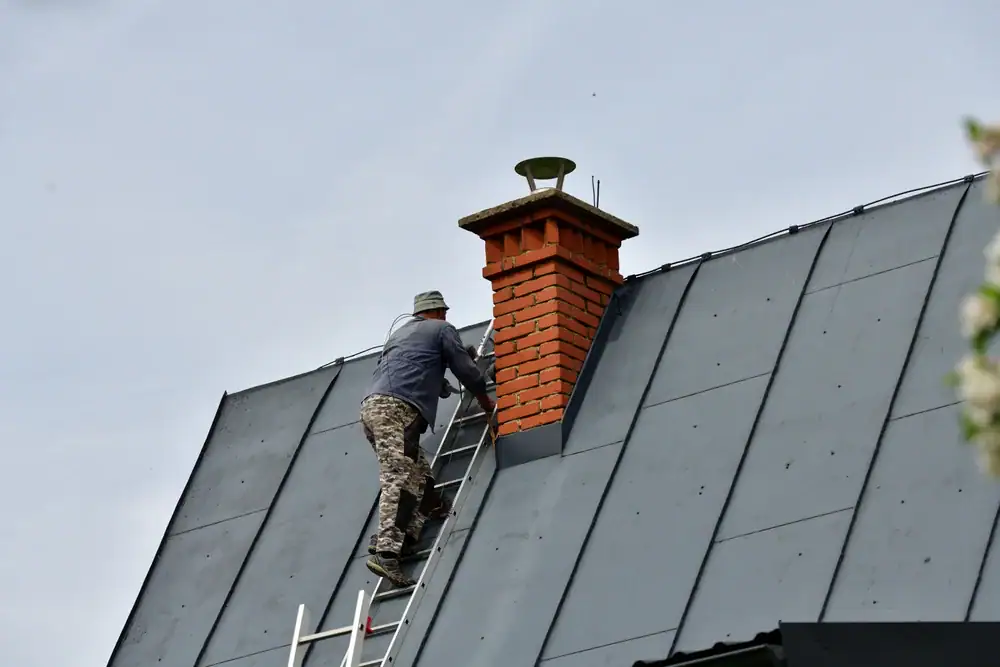
We start with an inspection—not a sales pitch disguised as one. We’re looking at your flashing, crown, mortar joints, chimney cap, and any visible water damage or structural issues. You get photos of what we find and a written estimate that breaks down exactly what needs fixing and why.
If it’s flashing, we’re removing the old flashing completely, not just sealing over it. We install new step flashing and counter flashing that’s actually integrated with your roof, then seal it properly so water can’t get behind it. If your crown is cracked, we’re repairing or replacing it with a proper mortar mix that can handle freeze-thaw cycles. If you need repointing, we’re removing deteriorated mortar and replacing it with mortar that matches your chimney’s age and exposure.
Most chimney masonry repair jobs in Brentwood take one to three days depending on scope. You’ll know the timeline before we start. We clean up completely when we’re done, and you get documentation of the work for your records and insurance company. If we find something during the job that changes the scope, we’re calling you before we proceed—no surprises on the final bill.

Ready to get started?
Chimney repair in Brentwood isn’t just about fixing what’s broken today. It’s about understanding why it broke and making sure it doesn’t happen again next winter.
Salt air corrosion is one of the biggest reasons chimneys deteriorate faster on Long Island. Standard galvanized flashing rusts out in a few years here. We use materials designed for coastal conditions—copper or stainless steel flashing that won’t corrode, mortar mixes formulated for high-moisture environments, and waterproofing that actually works in freeze-thaw cycles. You’re paying slightly more upfront for materials that last three times longer than standard options.
The average cost of chimney repairs on Long Island runs higher than national averages because of labor costs and stricter building codes. Minor repairs like flashing or repointing typically start around $250 to $750. Chimney crown repair usually runs $300 to $1,200 depending on damage. Major structural work—rebuilding sections of the chimney or replacing deteriorated masonry—can run several thousand dollars. But here’s the thing: a $400 repair today prevents a $4,000 emergency repair next year.
You’re also paying for licensed contractors who carry proper insurance. Chimney work requires working on your roof, handling masonry, and understanding how water moves through your home’s structure. Unlicensed workers miss dangerous problems or create new ones—like improper flashing that causes roof leaks or repointing that traps moisture and accelerates deterioration.
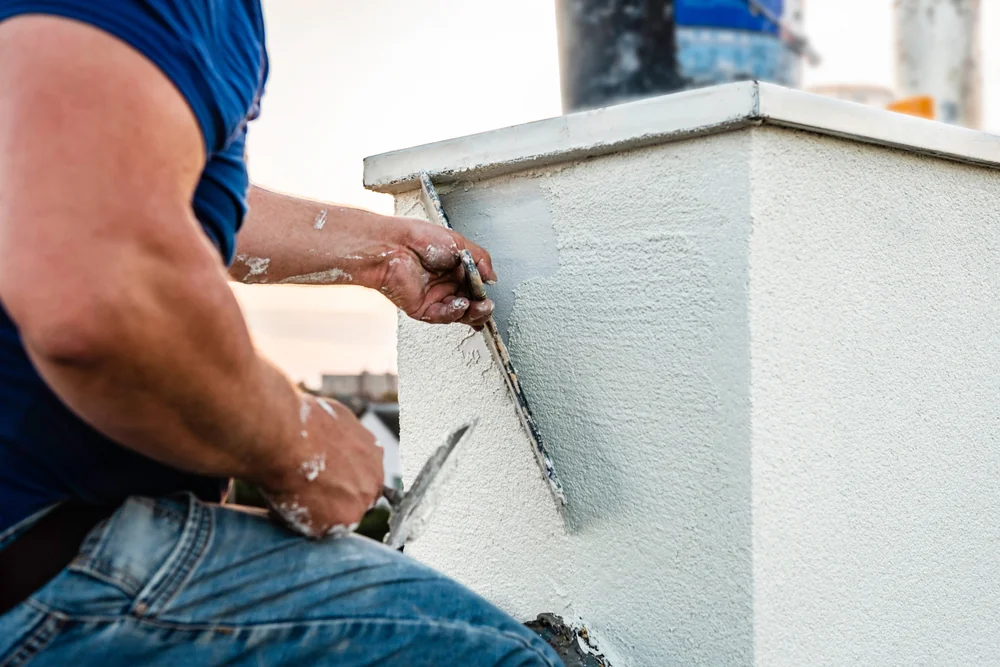
If you’re seeing water stains, smelling dampness, noticing cracked mortar, or finding pieces of brick or mortar in your firebox, you need repair work—not just cleaning. Cleaning removes creosote buildup and improves airflow. Repair fixes structural damage and stops water intrusion.
Most Brentwood homeowners need cleaning every one to two years depending on how often they use their fireplace. The National Fire Protection Association recommends annual inspections for all heating systems, and that inspection will tell you if you need repairs. Common signs you need chimney repair include white staining on exterior bricks (efflorescence from water damage), gaps between the chimney and roof, a deteriorating crown, or rusted flashing.
Here’s a simple test: if you can see daylight through mortar joints or if mortar crumbles when you touch it, you need repointing. If your chimney cap is missing or damaged, you need replacement—caps prevent water, animals, and debris from entering your chimney. If you’re not sure, get an inspection. We’ll inspect and give you a written assessment of what’s maintenance versus what’s urgent.
Salt air accelerates corrosion on metal components like flashing and chimney caps, and coastal moisture creates more freeze-thaw cycles that break apart masonry. Chimneys in Brentwood face conditions that chimneys 30 miles inland simply don’t deal with.
When salt-laden air contacts metal flashing, it causes oxidation that eats through galvanized steel in a fraction of the time it would take in a non-coastal environment. That’s why we use copper or stainless steel flashing for coastal properties—it costs more initially but lasts decades instead of years. The moisture in coastal air also means your chimney stays damp longer after rain, which accelerates mortar deterioration and increases the number of freeze-thaw cycles your chimney experiences each winter.
The freeze-thaw cycle is the single most destructive force affecting Long Island chimneys. Water seeps into small cracks in mortar or masonry, freezes overnight when temperatures drop, expands by about 9%, and creates pressure that breaks apart the surrounding material. Over time, this turns hairline cracks into major structural damage. Inland chimneys might go through 20 freeze-thaw cycles in a winter. Coastal chimneys in Brentwood can experience 40 or more because of higher humidity and temperature fluctuations near the water.
Repointing means removing deteriorated mortar from the joints between bricks and replacing it with new mortar. Rebuilding means tearing down part or all of the chimney and reconstructing it with new bricks and mortar. One is maintenance. The other is major structural work.
Most chimneys in Brentwood need repointing every 20 to 30 years as mortar breaks down from weather exposure. You’ll know you need it when mortar is cracking, crumbling, or receding more than a quarter-inch behind the brick face. Repointing costs significantly less than rebuilding—usually a few hundred to a couple thousand dollars depending on how much of the chimney needs work. It extends your chimney’s life and prevents water from getting into the structure.
Rebuilding becomes necessary when the chimney structure itself is compromised—bricks are cracked or spalling, the chimney is leaning, or there’s extensive interior damage from years of water intrusion. This is what happens when repointing gets ignored too long. Water gets behind deteriorated mortar, freezes, and damages not just the mortar but the bricks themselves. Rebuilding a chimney can run $4,000 to $10,000 or more depending on height and extent of damage. The lesson: don’t skip repointing when your chimney needs it.
Most chimney flashing repair jobs take four to eight hours and yes, when done correctly, it stops the leak permanently. The key phrase is “done correctly”—which means removing old flashing completely and installing new flashing that’s properly integrated with your roof.
Bad flashing repair just smears sealant over the existing flashing and calls it fixed. That might stop the leak for a few months, but it fails because the underlying problem—corroded or improperly installed flashing—is still there. Proper flashing repair means removing the old flashing, inspecting the chimney and roof for any damage that occurred while water was getting in, installing new step flashing that’s woven into your roof shingles, and installing counter flashing that’s embedded into the chimney mortar and overlaps the step flashing.
We use copper or stainless steel flashing on coastal properties because galvanized steel corrodes too quickly in salt air. The flashing gets sealed with high-quality polyurethane or silicone sealants designed for exterior use and temperature fluctuations. When it’s done right, your flashing should last 20 to 30 years or more. If someone’s telling you they can fix your flashing in an hour with a tube of caulk, you’re getting a temporary patch, not a repair.
Repair it now. Waiting until spring means your chimney goes through another winter of freeze-thaw cycles, water intrusion, and potential carbon monoxide issues if there’s structural damage affecting your flue.
Fall is actually the ideal time for chimney repair in Brentwood. Temperatures are moderate, which is better for mortar curing and sealant application. You’re getting the work done before you need to use your fireplace. And you’re avoiding the spring rush when every homeowner who ignored their chimney all winter suddenly needs emergency repairs.
Here’s what happens if you wait: that small crack in your crown gets bigger as water freezes and expands inside it. That minor flashing leak turns into interior water damage and potential mold growth. That loose mortar falls out completely, leaving gaps that let more water in and accelerate deterioration. By spring, your $500 repair estimate is now $2,000 because the damage spread. Plus, if your chimney has structural issues or flue damage, using it during winter creates serious safety risks including carbon monoxide leaks and chimney fires. Get it inspected and repaired before the first freeze.
Ask for their license number and insurance certificate, then verify both. Licensed contractors in New York have verifiable credentials through the Department of State, and legitimate companies will provide proof of liability insurance and workers’ compensation without hesitation.
A New York Home Improvement Contractor license is required for any chimney repair work over $200. You can verify a contractor’s license status online through the New York Department of State Division of Consumer Protection. If they can’t provide a license number or get defensive when you ask, walk away. Insurance matters just as much—you want proof of general liability insurance (which covers property damage) and workers’ compensation (which covers injuries to workers on your property). Without workers’ comp, you could be liable if someone gets hurt working on your chimney.
Red flags include contractors who only accept cash, won’t provide written estimates, pressure you to decide immediately, or offer prices that seem too good to be true. We give you a written estimate that details the scope of work, materials, timeline, and total cost. We’ll explain what we found, why it needs fixing, and what happens if you don’t fix it. And we have references, reviews, and a verifiable business history. Chimney work affects your home’s safety and structural integrity—hire someone who’s actually qualified to do it.
Other Services we provide in Brentwood