Hear From Our Clients

You stop worrying about water stains on your ceiling. You stop wondering if that crack in the masonry is going to cost you thousands down the road. You get a chimney system that actually does its job—keeping smoke out of your living room, water out of your walls, and your family safe from carbon monoxide.
A full chimney replacement in Brentwood means addressing everything from the flue liner to the cap, the flashing to the masonry stack. If your chimney’s been leaking, crumbling, or showing rust on the damper, you’re looking at more than a quick patch job. You need someone who can assess the entire system and rebuild what’s compromised.
That’s what keeps your home dry during Long Island’s winter storms. That’s what protects your property value. And that’s what lets you actually use your fireplace without second-guessing whether it’s safe.
Home Team Construction has been handling roofing and chimney work across Suffolk County for over a decade. Our crews live in the area, so the work we do reflects on us locally. That means no disappearing after the job, no runaround, and no surprises on the invoice.
We’re licensed and insured, and every replacement follows local building codes. You’re not getting a crew that learned chimney work from YouTube. You’re getting technicians who understand how Long Island weather beats up masonry, how salt air accelerates deterioration, and what it actually takes to build a chimney system that lasts.
Brentwood homeowners deal with freeze-thaw cycles that crack bricks and coastal moisture that rusts metal components. We account for that in every installation.
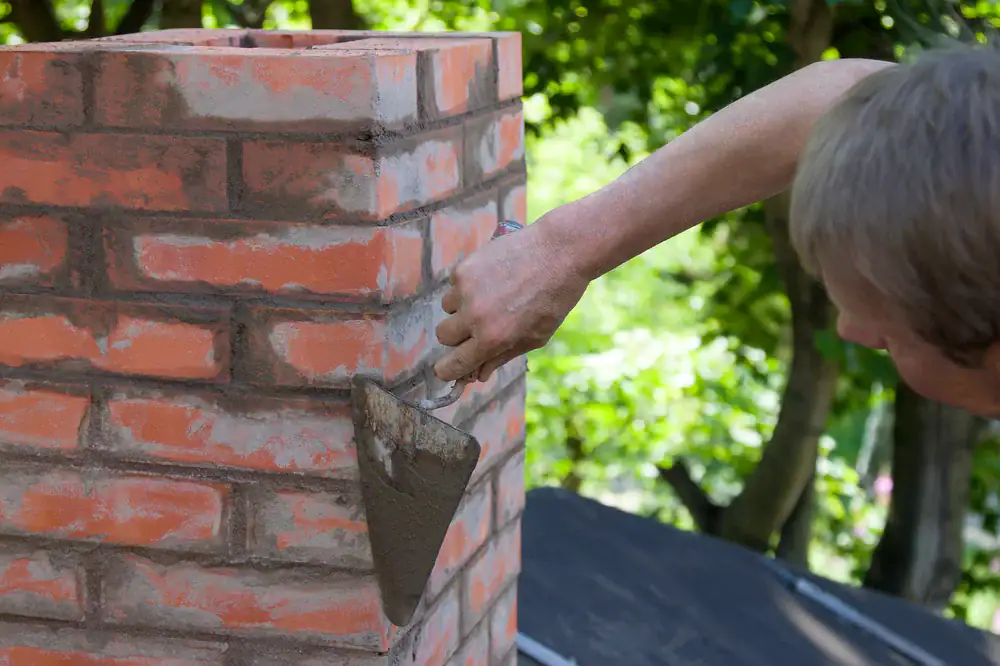
First, we inspect the entire chimney system—not just the visible damage. That means checking the flue liner for cracks, the masonry for water infiltration, the flashing for gaps, and the cap for structural integrity. You get a clear assessment of what needs replacing and why.
Then we give you an upfront estimate. No vague ranges or “we’ll see when we get in there” pricing. You know what the job costs before we start.
During the replacement, we remove compromised sections and rebuild with materials designed for Long Island’s climate. If your liner’s cracked, we install a new stainless steel or clay liner. If your flashing’s failed, we replace it with properly sealed, weather-resistant material. If your chimney cap’s missing or damaged, we install one that actually keeps water and animals out.
Once the work’s done, you get documentation for your records and insurance. The whole process is straightforward because we’re not trying to upsell you on things you don’t need.

Ready to get started?
A complete chimney replacement covers every component that’s failing. That includes chimney cap replacement to prevent water and animal entry, chimney liner replacement when the flue’s compromised, chimney flashing replacement to seal the roof connection, and full chimney stack replacement if the masonry’s beyond repair.
In Brentwood and across Suffolk County, the most common issues we see are water damage from missing or damaged caps, cracked liners from years of heat exposure, and failed flashing that lets water into your attic. These aren’t cosmetic problems. They’re structural issues that get worse every season you wait.
Long Island’s coastal environment is tough on chimneys. Salt air corrodes metal components faster than inland areas. Freeze-thaw cycles crack mortar joints. Heavy snow loads stress already-weakened masonry. A proper replacement accounts for all of that with materials and installation techniques that hold up.
You also get a system that meets current safety standards. Older chimneys weren’t always built with proper clearances or adequate liners. A replacement brings everything up to code, which matters for insurance and resale value.

If you’re seeing white staining on the exterior bricks, that’s efflorescence—a sign water’s getting into the masonry. If there’s rust on your damper or firebox, moisture’s infiltrating the system. If you notice pieces of brick or mortar in your fireplace, the structure’s deteriorating.
A full replacement makes sense when the damage is widespread or structural. Patching a few bricks won’t help if your liner’s cracked or your flashing’s failed. A licensed contractor should inspect the entire system—from the crown to the flue to the foundation—and tell you what’s salvageable and what’s not.
Most homeowners in Brentwood dealing with chimneys over 30 years old end up needing more than spot repairs. The materials break down, building codes have changed, and trying to band-aid a failing system usually costs more in the long run than replacing it properly once.
A chimney liner replacement addresses just the flue—the interior passage that vents smoke and gases. If your masonry and exterior structure are solid but the liner’s cracked or deteriorated, you can replace just that component. Liners typically fail from heat exposure, creosote buildup, or age.
A full chimney replacement means rebuilding the entire structure—liner, masonry, cap, flashing, and sometimes the stack itself. You’d need this if the bricks are crumbling, the mortar’s failing, or water damage has compromised the structural integrity.
In Brentwood, we see a lot of situations where homeowners think they just need a liner, but once we inspect, the masonry’s shot too. Water infiltration doesn’t stay isolated. It spreads through mortar joints, weakens bricks, and eventually affects the whole system. That’s why a thorough inspection matters before you commit to any scope of work.
Most full chimney replacements take three to five days depending on the extent of the damage and the height of the structure. A straightforward chimney cap replacement or flashing replacement might only take a day. A complete rebuild of a two-story chimney stack takes longer.
Weather affects the timeline too. We can’t pour mortar or install masonry in freezing temperatures or heavy rain. Long Island’s winter weather sometimes means waiting for the right conditions, which is why many homeowners schedule this work in spring or fall.
You’ll have access to your home the entire time. We’re working on the roof and exterior, so your daily routine isn’t disrupted. Once the work’s done, you can use your fireplace immediately if the installation included a new liner and everything’s been inspected.
It depends on what caused the damage. If a storm knocked your chimney cap off or a tree fell on your stack, that’s typically covered under your homeowners policy. If the damage is from years of deferred maintenance or normal wear and tear, insurance usually won’t pay for it.
Insurance companies want to see documentation that the damage was sudden and accidental, not gradual deterioration. That’s why it’s important to have a licensed contractor provide a detailed assessment and photos. We’ve worked with plenty of Brentwood homeowners on insurance claims and know what documentation adjusters need.
Even if insurance doesn’t cover the replacement, addressing chimney damage protects your coverage long-term. If your chimney fails and causes a house fire or water damage, and the insurance company finds out you knew about the problem and didn’t fix it, they can deny the claim entirely.
Water is the biggest culprit. Missing or damaged chimney caps let rain pour directly into the flue. Failed flashing lets water seep into the attic and walls. Once water gets into masonry, it freezes during winter, expands, and cracks the bricks and mortar. That cycle repeats every year until the structure fails.
Suffolk County’s coastal location accelerates the problem. Salt air corrodes metal components like caps, dampers, and flashing faster than you’d see inland. The moisture in the air also promotes efflorescence and masonry breakdown.
Creosote buildup from wood-burning fireplaces causes liner deterioration and increases fire risk. If you’re burning wood regularly and not getting annual cleanings, that creosote hardens and becomes extremely difficult to remove. It also eats away at clay liners over time. Age is a factor too—chimneys built 30+ years ago weren’t always constructed with the same materials or techniques we use now.
Legally, you can do your own work on your own home in most cases. Practically, chimney replacement isn’t a DIY project unless you have masonry experience, understand building codes, and have the equipment to work safely at height.
A poorly installed chimney liner can lead to carbon monoxide poisoning. Improper flashing causes water damage that costs thousands to remediate. Masonry work that doesn’t account for thermal expansion or proper mortar mix fails within a few years. And if you’re not licensed and insured, you’re personally liable if someone gets hurt or something goes wrong.
In Brentwood, building codes require permits for structural chimney work. That means inspections. If the work doesn’t pass, you’ll pay to have it redone correctly anyway. Insurance companies also won’t cover damage from unlicensed work, and it can affect your ability to sell your home down the road. Hiring a licensed chimney contractor costs more upfront but saves you from expensive mistakes and liability.
Other Services we provide in Brentwood