
Hear From Our Clients
You stop worrying every time the forecast shows wind gusts above 40 mph. Your attic stays dry when the nor’easter parks itself over Long Island for three days straight. Ice dams don’t form at your eaves because the installation accounts for ventilation and insulation from day one.
A proper roof installation in Sound Beach means your shingles stay put when everyone else on the block is calling for emergency repairs. It means the salt air from the Sound doesn’t eat through your flashing in five years. And it means you’re not dealing with the same roofer twice because we cut corners the first time.
The difference shows up in winter when snow sits on your roof evenly instead of melting in patches. It shows up in summer when your cooling bills don’t spike because heat isn’t radiating through cheap materials. You get a roof that works with Long Island’s climate instead of fighting it.
Home Team Construction operates out of Mastic, which means we’re not driving in from Connecticut or showing up once for an estimate and never again. When you call, you’re talking to Alban—the owner who’ll walk your roof, explain what you’re looking at, and give you a straight answer about whether you need a full replacement or targeted repairs.
We’ve handled roofs across Brookhaven for years, from Sound Beach to Montauk. Every job gets photo documentation before we start and after we finish. You’ll see what was damaged, what we replaced, and how the completed installation looks. No surprises, no runaround.
Our reputation lives in the same zip code as our business. That matters when you’re trusting someone with your biggest investment.
First, we inspect your current roof and attic. You get photos of any damage, wear patterns, or ventilation issues. We measure everything and talk through material options—asphalt shingles, metal roofing, whatever makes sense for your home and budget.
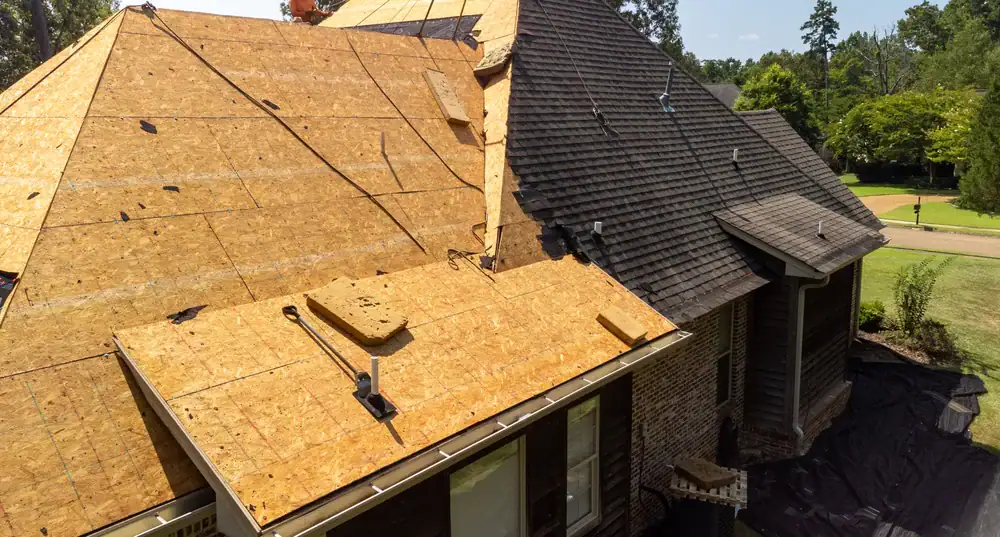
Once you approve the estimate, we schedule the work and show up with a full crew. We do complete tear-offs, not overlay jobs that hide problems. Old shingles come off, decking gets inspected and replaced where needed, and new underlayment goes down before any shingles touch your roof.
Installation includes proper flashing around chimneys and skylights, new drip edge, and ventilation that prevents ice dams and moisture buildup. We handle gutter installation or gutter repair if your system needs updating. The job site gets cleaned daily, and you receive progress photos so you know exactly where things stand. When we’re done, you get final photos and documentation for your records.
Ready to get started?
Every roof installation accounts for Long Island’s specific challenges. That means materials rated for high wind zones and coastal exposure. We know that salt air corrodes standard fasteners, so we use corrosion-resistant hardware. We understand that cheap three-tab shingles won’t hold up to Sound Beach weather—you need architectural-grade materials with proper granule adhesion.
Your installation includes ice and water shield in valleys and along eaves where ice dams form. Ventilation gets calculated based on your attic square footage, not guessed at. If your soffits are blocked or your ridge vent is undersized, we address it during installation so you’re not dealing with moisture problems two years later.
We also handle the details most roofer contractors skip. Chimney flashing gets done right with counterflashing and step flashing, not just caulk. Skylight replacement happens if your old units are leaking or fogged. And if your gutters are sagging or undersized for Long Island’s heavy rains, we take care of house gutter installation while we’ve got scaffolding up.
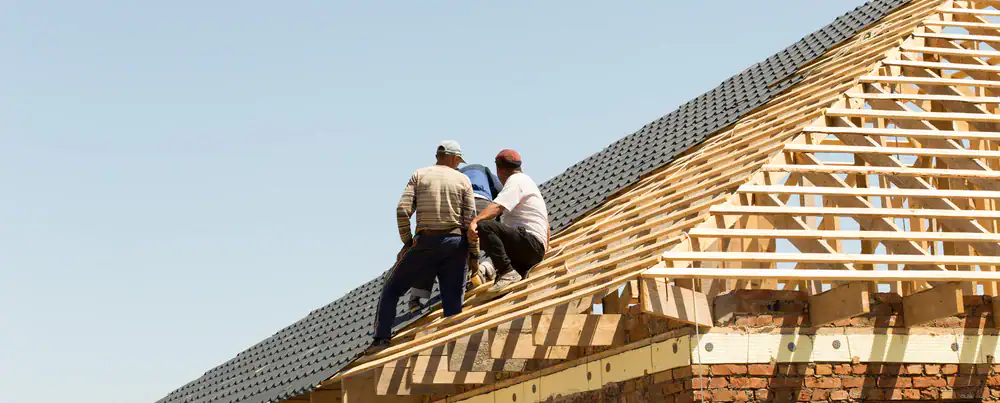
Most residential roof installations take two to four days depending on size, pitch, and weather. A typical single-family home in Sound Beach with straightforward access gets completed in three days—day one for tear-off and deck inspection, day two for underlayment and starter shingles, day three for finish work and cleanup.
Complications add time. If we find rotted decking that needs replacement, that’s extra work. Steep pitches slow things down for safety. Multiple chimneys, skylights, or complex valleys require more detailed flashing work. And weather delays happen—we don’t install in rain or high winds because it compromises the work.
You’ll know the timeline before we start. We don’t leave jobs half-finished or disappear for days between phases. Once we’re on site, we stay until it’s done.
Architectural asphalt shingles and metal roofing both perform well in Sound Beach if installed correctly. Asphalt shingles need a higher wind rating—look for products rated to 130 mph, not basic 60 mph shingles. The granules should have strong adhesion because salt air and UV exposure will test cheap materials fast.
Metal roofing handles coastal conditions even better. It doesn’t absorb moisture, won’t grow algae, and stands up to salt air without degrading. Standing seam metal roofs also shed snow and ice more effectively than shingles, which matters during Long Island winters. The upfront cost runs higher, but you’re looking at 40-50 years of performance versus 20-25 for shingles.
Either way, the installation quality matters more than the material. Proper underlayment, corrosion-resistant fasteners, and correct flashing make the difference between a roof that lasts and one that fails early.
Not always, but it’s worth evaluating while the work’s happening. If your gutters are sagging, pulling away from the fascia, or too small for your roof’s square footage, replacement makes sense now. You’ve already got equipment on site and access to the roofline—adding gutter installation during a roof job costs less than scheduling it separately later.
Sound Beach gets heavy rainfall during storms, and undersized gutters overflow even when they’re clean. That overflow runs down your siding, saturates your foundation, and can cause basement water issues. If your current system can’t handle a two-inch-per-hour downpour, it’s undersized.
We’ll inspect your gutters during the roof estimate and give you an honest assessment. If they’re fine, we’ll work around them. If they need gutter repair or replacement, we’ll explain why and what it’ll cost. No pressure either way.
Age and damage extent determine that. If your roof is under 15 years old and you’ve got isolated damage from a recent storm—missing shingles in one area, flashing that pulled loose—targeted repair usually handles it. You’re not replacing a whole roof because one section took a hit.
But if you’re seeing widespread issues—curling shingles across multiple slopes, granule loss in high-traffic areas, multiple leaks, or daylight visible through your attic—you’re past the repair stage. Patching a failing roof just delays the inevitable and often costs more in the long run when you add up repeated service calls.
We’ll walk your roof and your attic during the inspection. You’ll get photos of what we’re seeing and a clear recommendation. If repairs make sense, we’ll tell you. If you’re throwing money at a roof that needs replacement, we’ll tell you that too.
We don’t leave your home exposed. If rain shows up in the forecast, we adjust the work sequence to keep your interior protected. That might mean tarping sections overnight or scheduling the tear-off for days with clear weather. Once underlayment is down, your roof is water-resistant even if shingles aren’t finished yet.
Long Island weather changes fast, and we watch forecasts closely. If conditions look questionable, we delay the start rather than rushing through a tear-off and hoping we beat the rain. Wet decking causes problems—shingles won’t seal properly, and moisture gets trapped under new materials.
In the rare case that unexpected weather hits mid-job, we’ve got tarps and know how to secure them properly. Your home won’t flood because we got caught by a pop-up storm. This is coastal work—we plan for weather variables from the start.
Yes. Storm damage doesn’t wait for business hours, and neither do we. If a nor’easter rips shingles off or a tree comes down on your roof, call us. We’ll get someone out to assess the damage, tarp the affected area if needed, and give you a plan for permanent repairs.
Emergency repair focuses on stopping active leaks and preventing further damage to your interior. Once things are stabilized, we document everything for insurance purposes—photos of the damage, measurements, material lists. Most homeowners insurance policies cover storm damage, and we’ll work with your adjuster to make sure the claim reflects actual repair costs.
Permanent repairs get scheduled as quickly as possible. We keep common materials in stock specifically for storm response, so you’re not waiting weeks for shingles to arrive while a tarp flaps on your roof. Sound Beach sees its share of severe weather—we’re set up to respond when it hits.
Other Services we provide in Sound Beach