
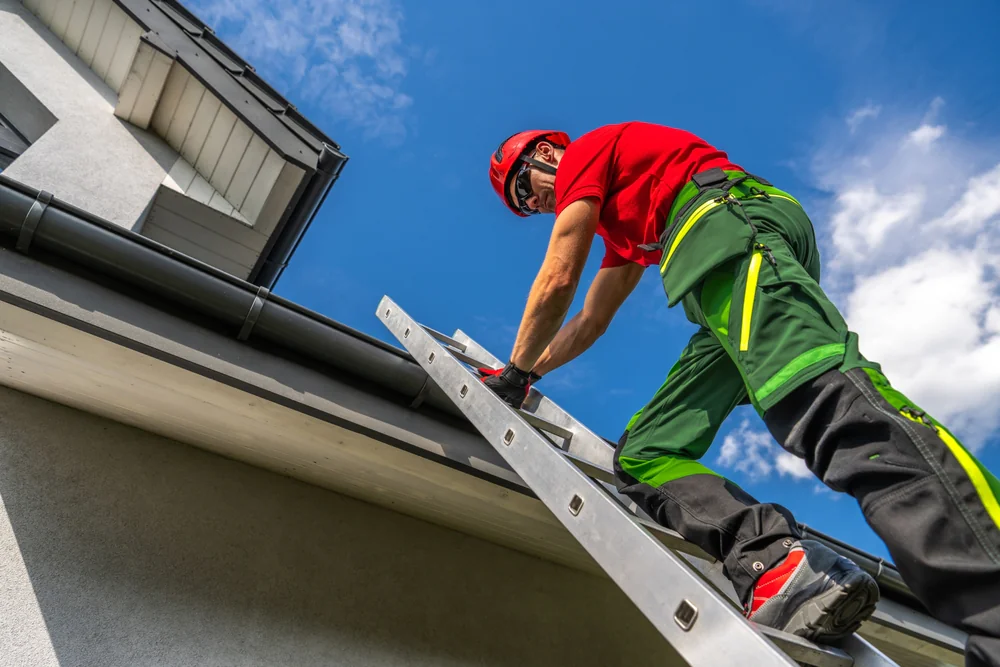
Hear From Our Clients
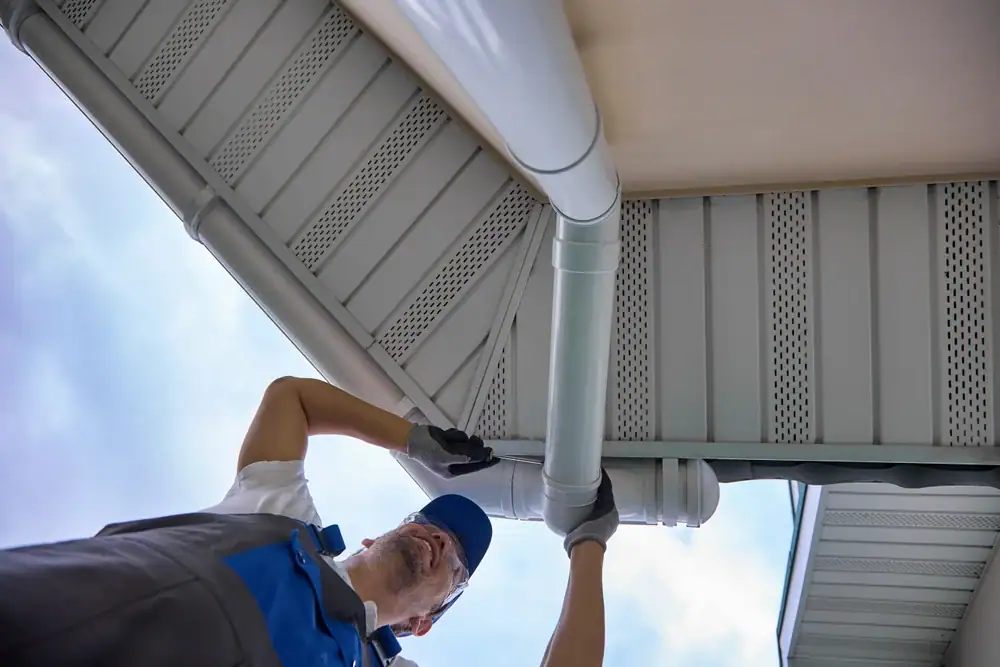
Your gutters either protect everything you’ve built or become the weak link that lets water destroy it. When Suffolk County storms dump inches of rain in hours, failing gutters turn your foundation into a sponge and your basement into a swimming pool.
Sound Beach’s coastal location creates problems most gutter replacement contractors don’t understand. Salt air accelerates corrosion on standard hardware. The high water table means drainage issues compound fast. Winter nor’easters test every joint and fastener.
Seamless gutter installation done right means no more ladder work every fall. No more watching water pool around your foundation during storms. No more wondering if this is the year you’ll deal with basement flooding or foundation cracks that cost five figures to fix.
We’ve spent over a decade solving Long Island’s specific exterior problems. We’re licensed, insured, and local—which means our work quality reflects on us in the community.
Every crew member understands what Sound Beach properties face. We use marine-grade hardware because we’ve seen what happens when contractors use standard materials in coastal environments. We know which sealants hold up and which ones fail after one winter.
You’re not getting a crew that learned about Long Island weather from a manual. You’re getting contractors who’ve replaced gutters through every type of storm this area throws at homes.
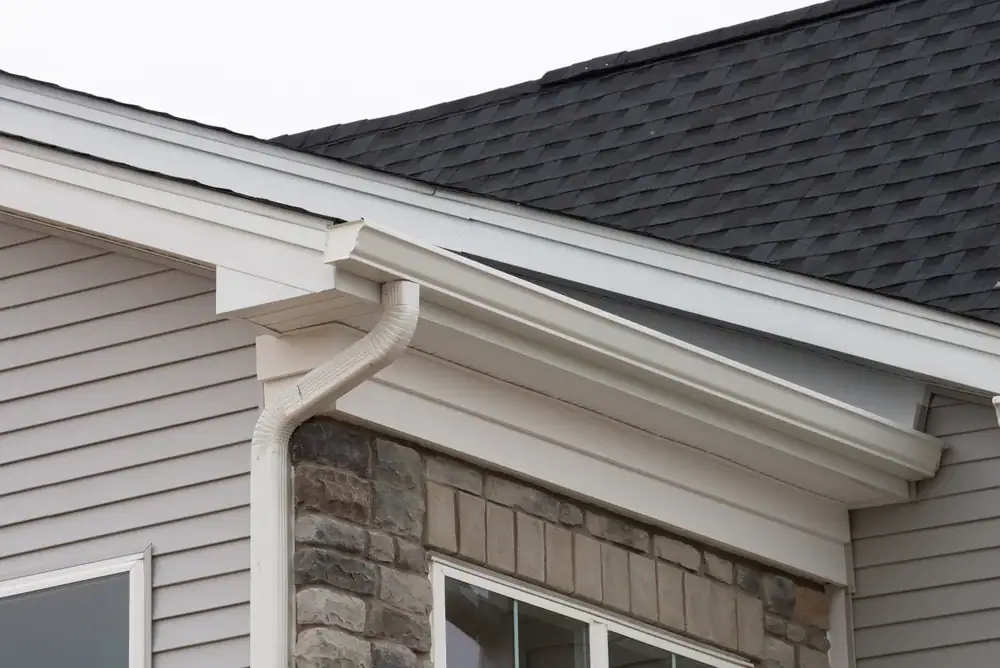
You call or message us with what’s happening—overflowing gutters, visible damage, water pooling near your foundation, whatever you’re seeing. We schedule a time that works for you to come look at your specific situation.
During the inspection, we check your current system, measure your roofline, and look at how water’s moving around your property. We’re looking for the real problem, not just selling you new gutters if that’s not what you need. You get a clear estimate before we start so you know exactly what you’re paying for.
Installation day, we remove your old system and install seamless aluminum gutters with proper pitch for drainage. We use corrosion-resistant hardware rated for coastal environments and make sure downspouts direct water away from your foundation. The job’s done in a day for most homes, and we clean up completely before we leave.
After installation, you get information on what to watch for and how to maintain your new system. We’re available if you have questions or if storm damage happens down the road.

Ready to get started?
You’re getting seamless aluminum gutters custom-formed to your home’s exact measurements. No seams mean no weak points where leaks start. The material handles Sound Beach’s salt air exposure better than steel and lasts longer than vinyl.
We install marine-grade hangers and fasteners because standard hardware corrodes fast this close to the water. Your downspouts get properly positioned to move water at least six feet from your foundation—further if your property’s grading requires it. Every connection point gets sealed with marine-grade sealant that stays flexible through temperature swings.
Long Island gets 40-50 inches of rain annually, plus 35-40 inches of snow. Your gutters work year-round here. We account for the volume your system needs to handle during heavy storms and make sure the pitch allows proper drainage even when debris accumulates.
You also get the option for gutter guards if you’re tired of cleaning leaves and pine needles twice a year. Sound Beach’s mix of oaks, maples, and coastal vegetation creates debris that turns into solid masses in gutters. Guards reduce that maintenance significantly.

Most single-family homes in Sound Beach take one full day for complete gutter replacement. We’re usually on-site by 8 AM and finished by late afternoon, depending on your home’s size and roofline complexity.
Two-story homes or properties with complex rooflines might extend into a second day. We’ll tell you the timeline during your estimate so you can plan accordingly. Weather delays happen—we’re not installing gutters in heavy rain or high winds because the work won’t hold up properly.
The actual installation moves quickly because we’re using seamless gutters formed on-site. No piecing together sections means fewer connection points and faster installation. We remove your old system, install the new one, test drainage, and clean up completely before we consider the job done.
Sectional gutters have seams every ten feet where pieces connect. Those seams are failure points. They leak first, separate during storms, and give salt air direct access to corrode the metal from inside.
Seamless gutters get formed as one continuous piece for each roofline section. Fewer seams mean fewer places for water to leak and fewer spots where corrosion starts. In Sound Beach’s coastal environment, that difference adds years to your system’s lifespan.
The other advantage is capacity. Seamless gutters handle heavy rainfall better because water flows smoothly without hitting connection points that slow drainage. When storms dump two inches of rain in an hour, that flow capacity matters. Your gutters either move that water away from your foundation or overflow onto it.
Yes. Standard gutter hardware corrodes fast in Sound Beach because salt air accelerates oxidation. You need corrosion-resistant fasteners, marine-grade sealants, and properly coated aluminum that’s rated for coastal exposure.
We use stainless steel screws and brackets instead of standard galvanized hardware. The sealant at connection points needs to stay flexible through temperature changes and resist salt degradation. Standard caulk fails within two years near the coast—marine-grade sealant lasts the life of your gutter system.
The aluminum itself needs proper coating. Cheaper gutters use thin paint that chips and exposes bare metal to salt air. Quality seamless gutters have baked-on enamel finish that protects the metal even when debris sits in the gutter. These material differences determine whether your system lasts 15 years or needs replacement in seven.
Most Sound Beach homes run between $1,200 and $3,500 for complete gutter replacement, depending on your home’s size, roofline complexity, and whether you add gutter guards. That’s for quality seamless aluminum with proper coastal-rated materials.
You’ll see cheaper quotes from contractors using sectional gutters or standard hardware. Those systems cost less upfront but need replacement sooner and cause more problems in coastal environments. You’ll also see higher quotes from companies with big marketing budgets and multiple overhead layers.
We give you transparent pricing during the estimate. You see exactly what you’re paying for—materials, labor, disposal of your old system, and warranty coverage. We offer 18-month interest-free payment plans if you need to spread the cost out. The investment protects your foundation, prevents basement flooding, and stops landscaping erosion that costs more to fix than the gutters cost to replace.
Call us immediately if storm damage creates a safety hazard or active leak. We prioritize emergency repairs to stabilize your home and prevent water damage from getting worse. If a section pulled away from your roofline or a downspout got ripped off, we’ll secure it quickly.
For non-emergency storm damage, we schedule repairs as soon as conditions allow. Most homeowner’s insurance covers sudden storm damage to gutters, especially if high winds or falling branches caused it. We document the damage and provide detailed estimates you can submit to your insurance company.
Long Island’s winter nor’easters and summer storms test every gutter system. Proper installation with marine-grade hardware reduces storm damage significantly, but no system is indestructible. When damage happens, fast response prevents small problems from becoming foundation issues or interior water damage.
Yes, if your roof needs replacement soon. Coordinating both projects saves money on labor and equipment setup. Your roofer’s already got scaffolding or lifts in place, and the gutter crew can work efficiently without waiting for roof access.
Replacing gutters during roof work also prevents damage to new gutters from roofing debris and activity. Roofers need to remove old flashing and install new drip edge—work that affects how gutters attach to your roofline. Doing gutters first means they might need adjustment after roofing work finishes.
If your roof’s in good shape but gutters are failing, don’t wait. Failed gutters damage your foundation, siding, and landscaping while you’re waiting to coordinate projects. Water damage from bad gutters costs more to repair than installing new gutters costs. Handle the urgent problem now, even if it means two separate projects.
Other Services we provide in Sound Beach