Hear From Our Clients
Your roof takes a beating on Long Island. Humid summers that warp shingles. Winter ice that finds every weak spot. Hurricane-force winds that test every nail. You need more than basic installation—you need a roof built to handle what’s coming.
A proper roof installation means you’re not calling for emergency repairs every time a storm rolls through. It means your energy bills stay reasonable because your attic isn’t leaking air. It means you can sell your home without worrying about inspection failures.
Most Nesconset homes were built during the housing boom, and those roofs are hitting their 20-25 year lifespan right now. If you’re seeing curled shingles, granules in your gutters, or dark streaks on your roof, you’re already past the point where repairs make sense. What you do next determines whether you’re dealing with this again in five years or whether you’re actually done with it.
Home Team Construction has been working on Suffolk County roofs for over a decade. We’re licensed, we’re local, and we’ve seen what happens when corners get cut on Long Island roof installations.
You’re not getting a crew that disappears after the deposit clears. You’re getting contractors who live here, who understand that Nesconset’s weather isn’t the same as the rest of the country, and who know that a roof installed wrong in May will fail by January.
We give you a clear estimate before we start. No surprises, no change orders for things we “discovered” halfway through. You know what you’re paying, you know what you’re getting, and you know it’s going to hold up.
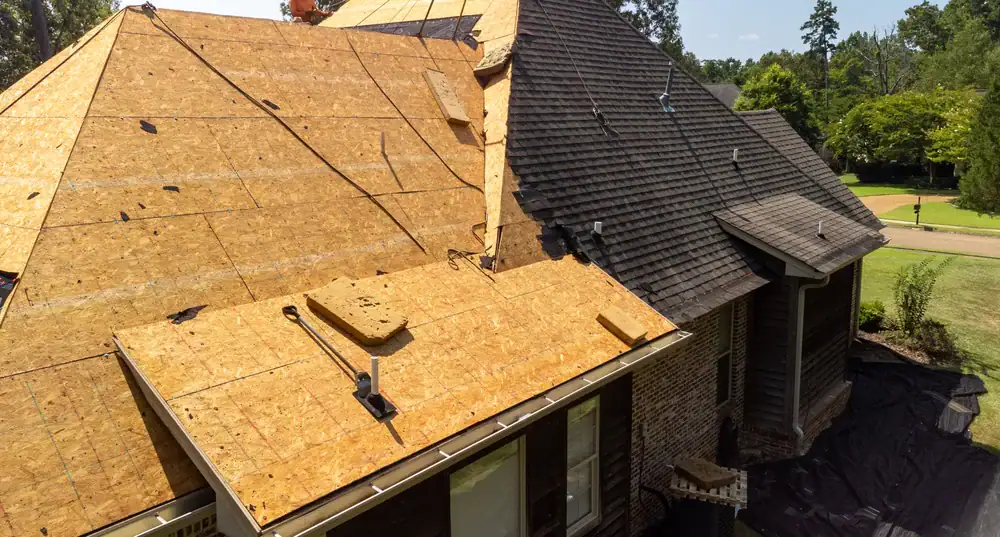
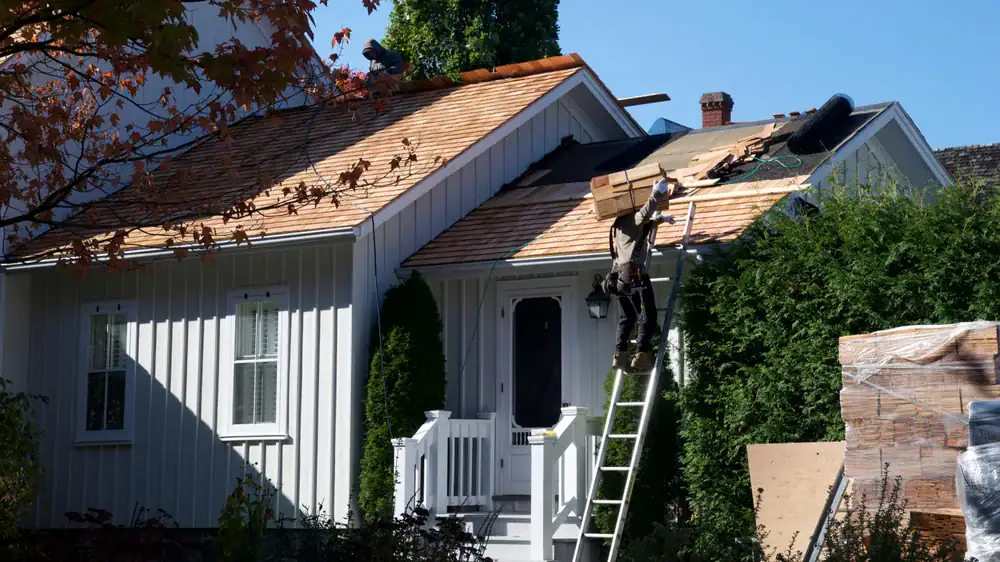
First, we come out and actually look at your roof. Not a satellite image—we get up there and check the decking, the ventilation, the flashing around your chimney and skylights. If there’s rot or structural issues, you need to know before new shingles go on.
Then we walk you through your options. Asphalt shingles are standard and they work, but if you’re in a high-wind area or you want something that’ll last 50 years, we’ll talk about architectural shingles or metal roofing. We’ll also discuss ventilation and insulation, because a roof that can’t breathe is a roof that fails early.
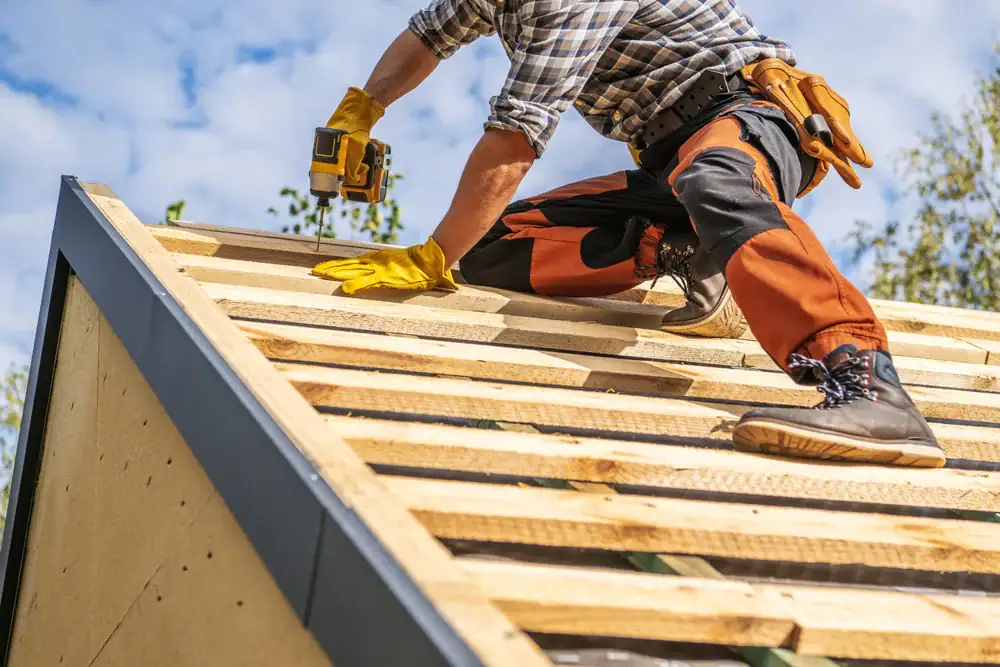
Installation typically takes one to three days depending on your roof size and complexity. We tear off the old material, inspect and repair the decking, install new underlayment and ice barriers, then install your new roof system. We handle flashing, ventilation, ridge caps—everything that keeps water out and air moving properly.
Cleanup happens the same day. Magnets pick up nails, tarps catch debris, and your yard doesn’t look like a construction zone when we leave. You get a warranty on materials and labor, and you get a roof that’s actually built to last.
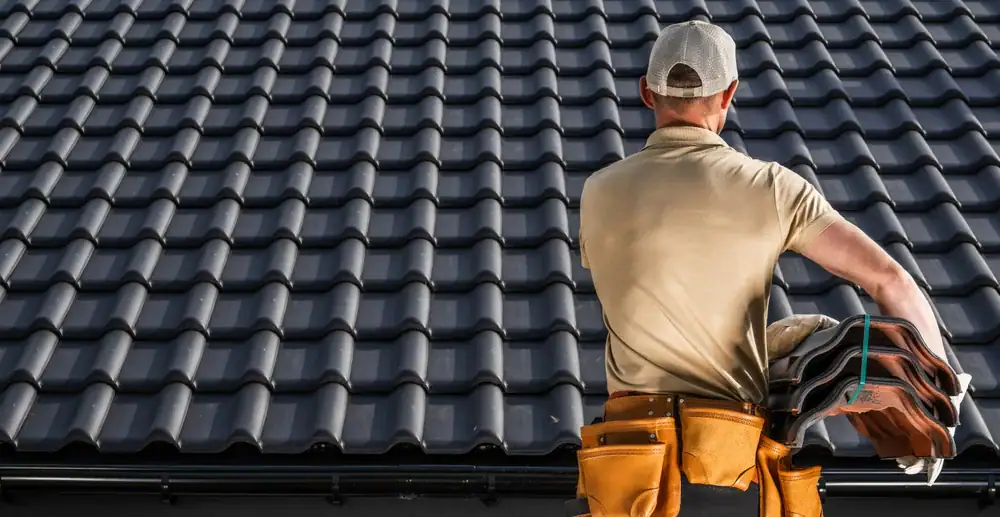
Ready to get started?
A complete roof installation in Nesconset means addressing Long Island’s specific challenges. That includes ice and water barriers in valleys and along eaves where ice dams form. It includes proper attic ventilation so your roof doesn’t cook itself from the inside during July. It includes flashing that’s actually sealed, not just bent and nailed.
Suffolk County gets hit with everything—nor’easters, tropical storms, heat waves that turn your attic into an oven. Your roof needs to handle wind uplift, driving rain, temperature swings, and humidity that most of the country doesn’t deal with. We use impact-resistant shingles rated for high winds, and we install them according to manufacturer specs so your warranty actually means something.
Most roof replacements in Long Island run between $7,000 and $25,000 depending on size, pitch, and materials. You’re looking at the higher end if you’ve got multiple valleys, steep pitch, or if we’re tearing off multiple layers. But you’re also looking at 20-50 years of protection depending on what you choose, and that’s worth doing right the first time.
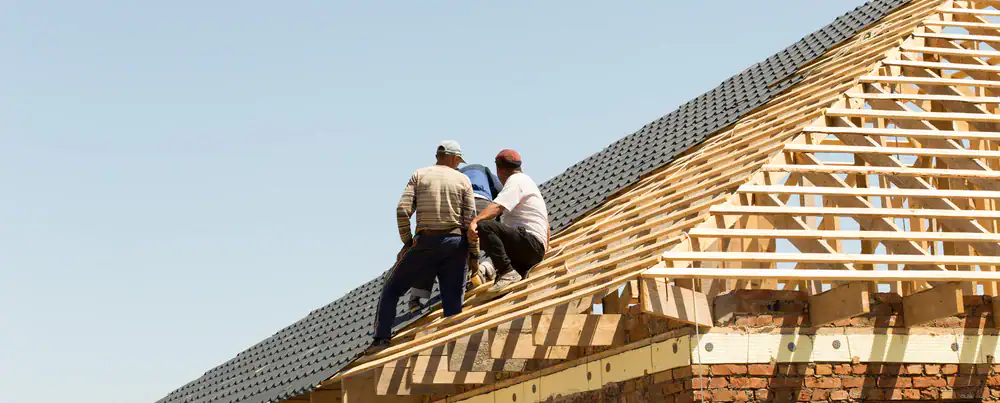
Standard asphalt shingles last 20-25 years on Long Island if they’re installed correctly. Architectural shingles push that to 30 years. Metal roofing and premium synthetics can hit 50 years.
But here’s what actually determines lifespan: ventilation, installation quality, and maintenance. A roof that can’t breathe will fail in 15 years no matter what shingles you use. A roof installed during a heatwave with shingles that sealed wrong will start losing granules early. A roof that never gets inspected after storms will develop small problems that turn into big ones.
Long Island’s humidity and temperature swings are harder on roofs than most climates. Your attic hits 150 degrees in summer, then drops below freezing in winter. That expansion and contraction breaks down materials faster. If we’re not accounting for that with proper underlayment and ventilation, you’re not getting the lifespan you paid for.
Late spring through early fall—May through September—gives you the best conditions. Shingles need warmth to seal properly, and you need dry weather for installation.
That said, we install roofs year-round when necessary. If you’ve got active leaks or storm damage, waiting until May isn’t an option. We just take extra precautions with cold-weather installation: hand-sealing shingles, working around weather windows, protecting your home from exposure.
Scheduling during shoulder seasons (April, October) sometimes gets you better availability and pricing. Summer is peak season, so if you’re planning ahead and don’t have urgency, booking for late spring or early fall makes sense. Just don’t wait until you’re calling for emergency roof repair after a nor’easter—that’s when you’re paying premium rates and dealing with limited availability.
Most homeowners in Nesconset spend between $7,000 and $25,000 for a complete roof replacement. Where you land in that range depends on your roof size, pitch, complexity, and material choice.
A simple ranch with standard architectural shingles might come in around $8,000-$12,000. A two-story colonial with multiple valleys, chimneys, and skylights could hit $20,000-$25,000. If you’re going with metal roofing or premium synthetics, add 30-50% to those numbers.
Here’s what drives cost up: multiple layers to tear off (old work that should’ve been done right), rotted decking that needs replacement, complex roof geometry with lots of valleys and transitions, and premium materials with longer warranties. Repairs typically run $380-$1,800, but if you’re looking at more than $2,000 in repairs on a roof that’s already 15-20 years old, replacement makes more financial sense. You’re throwing money at a roof that’s going to need replacement soon anyway.
Yes. Nesconset is part of the Town of Smithtown, and they require building permits for roof replacement. We handle this—it’s part of doing the job right.
The permit process involves submitting plans, paying fees, and scheduling inspections. It protects you by ensuring the work meets code and gives you recourse if something goes wrong. It also matters for your homeowner’s insurance and for resale value.
If a roofer tells you permits aren’t necessary or offers a discount for skipping them, walk away. That’s a contractor who’s either unlicensed or willing to cut corners in other areas too. When something goes wrong—and unpermitted work always creates problems eventually—you’re the one dealing with fines, insurance denials, and having to rip out and redo work to get a certificate of occupancy when you sell.
Architectural asphalt shingles are the standard for good reason—they handle Long Island’s weather, they’re cost-effective, and they last 25-30 years when installed properly. Look for impact-resistant ratings and wind ratings above 110 mph.
Metal roofing is gaining popularity because it lasts 50+ years, reflects heat to lower cooling costs, and handles high winds better than shingles. It costs more upfront but you’re never doing this again. It’s especially smart if you’re planning to stay in your home long-term.
Synthetic slate and composite materials give you the look of premium roofing without the weight or maintenance. They come with 30-50 year warranties and they’re designed specifically for climates with temperature extremes and high humidity. They cost more than standard shingles but less than real slate or metal.
What doesn’t work well here: cheap three-tab shingles that curl and fail in 15 years, any roofing system that doesn’t include proper ventilation for Long Island’s humidity, and bargain materials that void your warranty if they’re not installed by certified contractors.
If your roof is under 15 years old and you’ve got isolated damage—a few missing shingles after a storm, a small leak around a chimney—repairs make sense. If your roof is over 20 years old or you’re seeing widespread issues, replacement is the smarter move.
Signs you’re past the repair stage: curling or cupping shingles across large sections, granules washing into your gutters, dark streaks or algae growth, sagging areas, daylight visible through your roof boards from the attic, or multiple leaks in different areas. At that point you’re not fixing problems, you’re delaying the inevitable.
Here’s the math that matters: if repairs cost more than 25% of what replacement would cost, just replace it. You’re putting money into a failing system, and you’ll be calling for more repairs within a year or two. A proper roof replacement gives you 20-50 years of protection depending on materials. Repairs on an old roof give you maybe two years before the next problem shows up.
Other Services we provide in Nesconset