
Hear From Our Clients
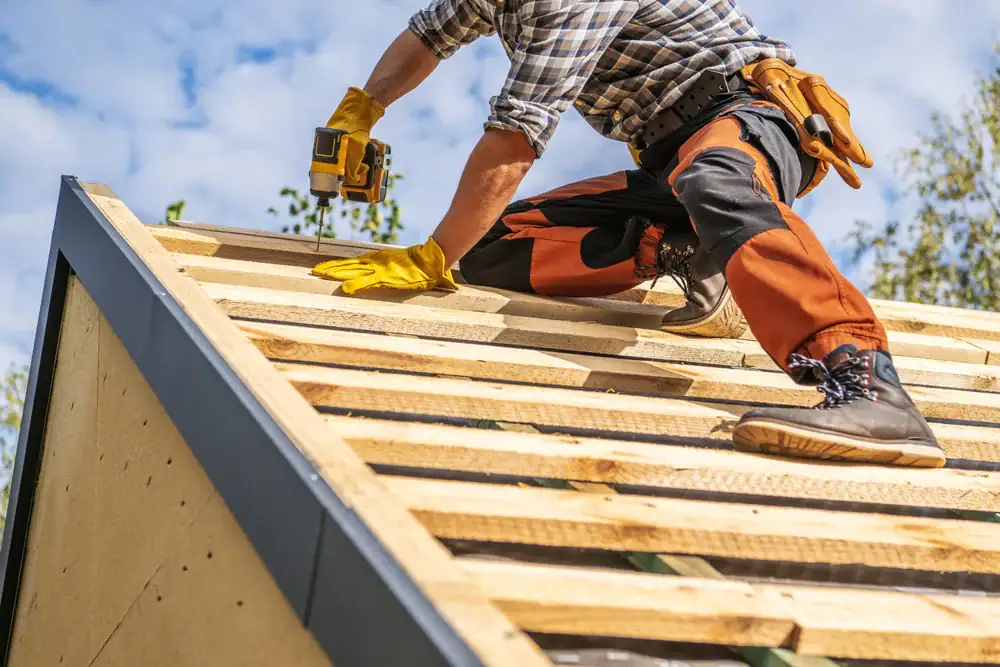
Your roof becomes the reliable barrier it should be. No more wondering if the next storm will rip shingles off or send water into your attic. No more watching your heating bill climb because warmth escapes through inadequate insulation.
You get a roof system built to handle what Long Island throws at it. Heavy rain, hurricane-force winds, fallen tree limbs during nor’easters—your home stays dry and protected. The kind of installation that doesn’t need a redo in three years because someone cut corners.
Energy costs drop when your roof and attic work together properly. Heat stays inside during winter instead of pouring through gaps in your roofline. Rooms that used to feel drafty or stuffy finally feel comfortable year-round.
Most importantly, you stop worrying. When storm warnings pop up on your phone, you’re not panicking about whether your roof will hold. You’re not calling emergency roofer repair services at 9 PM because water’s dripping into your living room. You’ve got a roof that does its job, installed by roofer contractors who know exactly what Suffolk County weather demands.
Home Team Construction has spent over 10 years fixing roofs across Long Island. We’re licensed contractors based right here in Suffolk County, which means we’ve seen what happens when storms tear through neighborhoods like yours.
We know Melville homeowners deal with specific challenges. Coastal exposure means salt air and moisture working against your roof constantly. Storm systems that rip through Nassau and Suffolk County don’t give you a break—they test every shingle, every seal, every vulnerable point in your roofing system.
That’s why we don’t do runarounds or surprise charges. You get a clear estimate before we touch your roof. You work with people who understand Long Island construction codes, weather patterns, and what it actually takes to install a roof that lasts here. No subcontractors from three states away. Just local roofer contractors who’ll be around if you ever need us again.
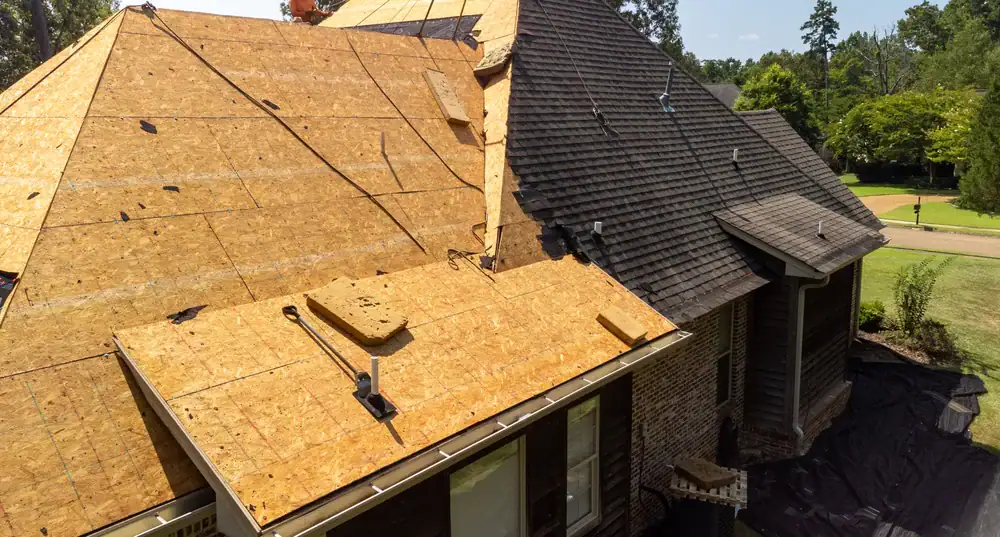
First, we come out and actually look at your roof. Not a quick glance from the driveway—we’re checking your decking, your ventilation, your flashing, and any storm damage you might not have noticed yet. Hail damage doesn’t always show up right away, but it drastically shortens your roof’s lifespan if left unchecked.
You get a written estimate that breaks down materials, labor, and timeline. We’re talking about whether asphalt shingles make sense for your home or if metal roofing gives you better long-term value. We discuss insulation levels, because proper attic insulation can save you hundreds on heating costs every winter. No pressure, just information so you can make the right call.
Once you’re ready, we schedule the work and stick to it. We tear off old materials down to the decking, replace any damaged substrate, install proper underlayment and ice barriers, then put down your new roof system. Every shingle gets nailed according to manufacturer specs—not shortcuts that fail during the next windstorm.
Cleanup happens the same day. We use magnets to grab stray nails from your driveway and lawn because the last thing you need is a flat tire two weeks later. You get documentation for your records and warranty information for your roofing materials. Then we’re done, and your roof is ready for whatever Long Island weather brings next.
Ready to get started?
Every roof installation starts with complete tear-off and disposal of your old roofing materials. We’re not layering new shingles over failing ones—that’s a recipe for problems down the road.
You get new underlayment and ice-and-water barriers in vulnerable areas like valleys, eaves, and around chimneys. Long Island’s freeze-thaw cycles create ice dams that force water under shingles, so proper barriers aren’t optional here. We install drip edge and flashing that actually channels water away from your home instead of letting it seep into your walls.
Shingle installation follows GAF manufacturer specifications. That matters because improper nailing voids your warranty and leaves shingles vulnerable to wind damage. We’re talking about the difference between a roof that survives 80 mph gusts and one that loses half its shingles during a hurricane.
Ventilation gets addressed during installation. Inadequate attic ventilation traps heat and moisture, rotting your decking from the inside and spiking your cooling costs every summer. Ridge vents and soffit vents work together to keep air moving, extending your roof’s life and keeping your home more comfortable.
For Melville homeowners dealing with storm damage, we handle insurance claim documentation. We photograph damage, provide detailed estimates, and communicate with adjusters so you’re not navigating that process alone. Storm damage might not look obvious initially, but water stains and structural issues show up later if you don’t address it properly now.
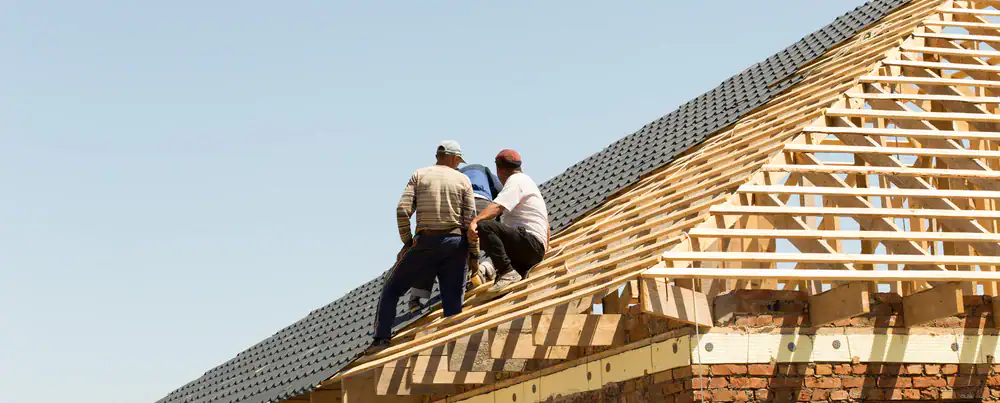
Roof installation in Melville typically runs between $5,500 and $32,000 for asphalt shingle roofs, depending on your home’s size and the materials you choose. Most Long Island homeowners spend around $18,500 for a complete asphalt roof replacement. Metal roofing costs more upfront—usually $15,000 to $55,000—but lasts significantly longer and handles coastal weather better.
The price breaks down to about $500 to $900 per square for asphalt shingles. A square covers 100 square feet, so a typical 2,000-square-foot home needs about 20 squares of material. That’s $10,000 to $18,000 just for materials and labor, before you factor in things like chimney flashing, skylight seals, or structural repairs to damaged decking.
Here’s what drives costs up: extensive storm damage requiring deck replacement, complex roof designs with multiple valleys and dormers, or upgrading to premium materials like architectural shingles or standing-seam metal. Costs go down if your roof is simple, your decking is solid, and you’re replacing before major damage happens. Waiting until leaks have rotted your substrate always costs more than proactive replacement.
Most residential roof installations in Melville take two to four days from tear-off to cleanup. A straightforward ranch-style home with good weather might be done in two days. Larger homes, complex rooflines, or homes requiring deck repair can stretch to four or five days.
Weather delays are real on Long Island. We’re not installing roofing materials in the rain—that compromises your home’s protection and violates installation standards. If a storm rolls through mid-project, we secure everything with tarps and resume when conditions allow. Hurricane season and winter nor’easters can add delays, which is why spring and fall are typically smoother installation windows.
The actual timeline depends on your roof’s size, pitch, and condition. Steep roofs take longer because they’re harder to work on safely. Multiple chimneys, skylights, or dormers add time because each penetration needs careful flashing and sealing. If we find rotted decking during tear-off, we replace it before proceeding—that’s not cutting corners, that’s making sure your new roof has solid substrate underneath. We’ll give you a realistic timeline during your estimate, and we’ll communicate if anything changes once work starts.
Asphalt shingles are the most common choice for Long Island homes because they handle our weather well and cost less than alternatives. Architectural shingles—the thicker, dimensional ones—perform better in high winds than basic three-tab shingles. Look for shingles rated for 110+ mph winds if you’re in an exposed area near the coast.
Metal roofing is gaining ground in Melville and across Suffolk County. It costs more upfront but lasts 40 to 70 years compared to 20 to 30 for asphalt. Metal handles hurricane-force winds, doesn’t rot, and reflects heat in summer, which drops your cooling costs. The main drawback is price—you’re paying double or more compared to asphalt, though you’re also replacing your roof half as often.
Slate and tile look great but they’re heavy and expensive. Most Long Island homes aren’t framed to support slate without structural reinforcement. If you’ve got an older home with existing slate, replacement is costly but worthwhile because slate lasts 100+ years. For most homeowners, though, quality architectural shingles or metal roofing make more practical sense. They handle our coastal weather, meet building codes, and don’t require structural upgrades to your home.
If your roof is over 20 years old and you’re seeing multiple problem areas, replacement usually makes more sense than patching. Asphalt shingles have a lifespan, and once they start failing in several spots, you’re chasing leaks instead of solving the underlying issue.
Look for curling or missing shingles, especially after storms. Check your attic for water stains, daylight coming through the roof boards, or sagging areas. If your energy bills have jumped without explanation, inadequate or damaged roofing and insulation might be letting heat escape. Granules washing down your gutters mean your shingles are deteriorating—those granules protect the asphalt from UV damage, and once they’re gone, your roof ages fast.
Storm damage is tricky because it’s not always obvious. Hail can bruise shingles without creating immediate leaks, but that damage shortens your roof’s life significantly. High winds can break the seal on shingles, leaving them vulnerable to the next storm. If you’ve had a major weather event, get us out to inspect even if you don’t see obvious damage. Insurance claims have time limits, and waiting too long can cost you coverage for repairs you legitimately need.
Yes, if your current roof has inadequate insulation or ventilation problems. A properly installed roof system includes insulation that slows heat movement through your attic. In winter, that keeps warmth inside instead of pouring out through your roofline. In summer, it keeps heat from radiating down into your living space.
Long Island homeowners often see heating cost reductions after roof replacement because old insulation has settled, gotten wet, or was never installed to current standards in the first place. Proper insulation levels—at least R-38 in your attic for this climate—make a noticeable difference. You’re not just getting new shingles; you’re getting a thermal barrier that actually works.
Ventilation matters too. Ridge vents and soffit vents create airflow that removes hot, moist air from your attic. Without proper ventilation, your attic becomes an oven in summer, forcing your AC to work harder. In winter, trapped moisture rots your decking and reduces insulation effectiveness. PSEG Long Island offers free energy assessments and rebates for efficiency upgrades, which can offset some of your installation costs if you’re improving insulation during your roof replacement. Spending money on a good roof now genuinely saves you money on heating and cooling bills long-term.
Yes. We document storm damage, photograph affected areas, and provide detailed estimates that insurance adjusters need to process your claim. Navigating insurance claims can be frustrating, especially when you’re dealing with damage that might not be immediately obvious.
We’ve worked with most major insurance carriers covering Long Island properties. We know what documentation they require and how to present damage in a way that supports your claim. That doesn’t mean we inflate estimates or push unnecessary work—it means we’re thorough about identifying all the damage so you get fair compensation for repairs your home actually needs.
Storm damage has a reporting window. Most policies require you to report damage within a certain timeframe after a weather event, and waiting too long can jeopardize your coverage. If you’ve had a hurricane, severe thunderstorm, or hail event, get your roof inspected even if you don’t see leaks yet. Damage can be hiding under shingles or in your flashing, and catching it early means your insurance claim stays valid and you prevent bigger problems down the road.
Other Services we provide in Melville