Hear From Our Clients
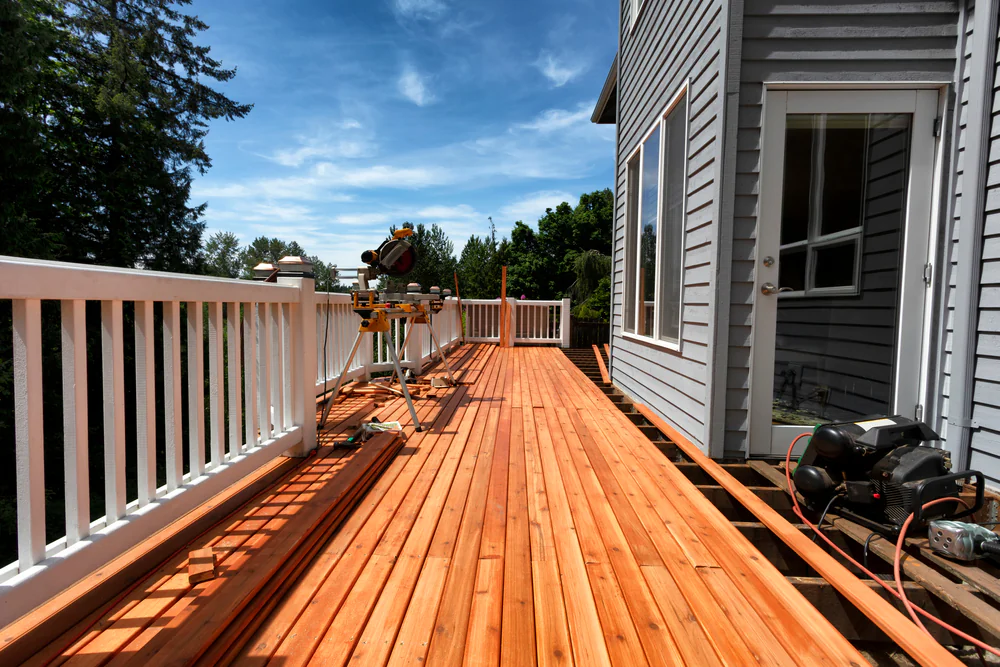
You’ve been avoiding that section of your deck. You know the one—where the boards feel soft underfoot, where the railing wobbles when you lean on it, where you tell guests to watch their step. That’s not how your outdoor space should feel.
Professional deck repair fixes what’s broken and addresses what’s causing it. Rotting boards get replaced. Loose railings get secured. Structural issues get identified and corrected before they spread. You’re not just patching problems—you’re getting years of safe use back.
Most deck repairs in Melville take one to three days depending on scope. Simple fixes like replacing boards or tightening railings happen in a day. More extensive work involving joists or support posts typically takes two to three days. Either way, you’re looking at a deck that handles Suffolk County weather without falling apart—and costs far less than replacement.
Home Team Construction has been serving Melville and Suffolk County for over 15 years. We’re licensed, insured, and we understand what Long Island’s climate does to outdoor structures. Humid summers, brutal winters, salt air—it all accelerates wear faster than most homeowners expect.
We’re the deck repair company neighbors call when they need honest assessments and solid work. No upselling. No patching a deck that actually needs replacement. Just transparent pricing and repairs that last.
When you call us, you’re talking to contractors who know Brookhaven’s building codes, understand coastal moisture problems, and have fixed hundreds of decks facing the same issues yours is dealing with right now.
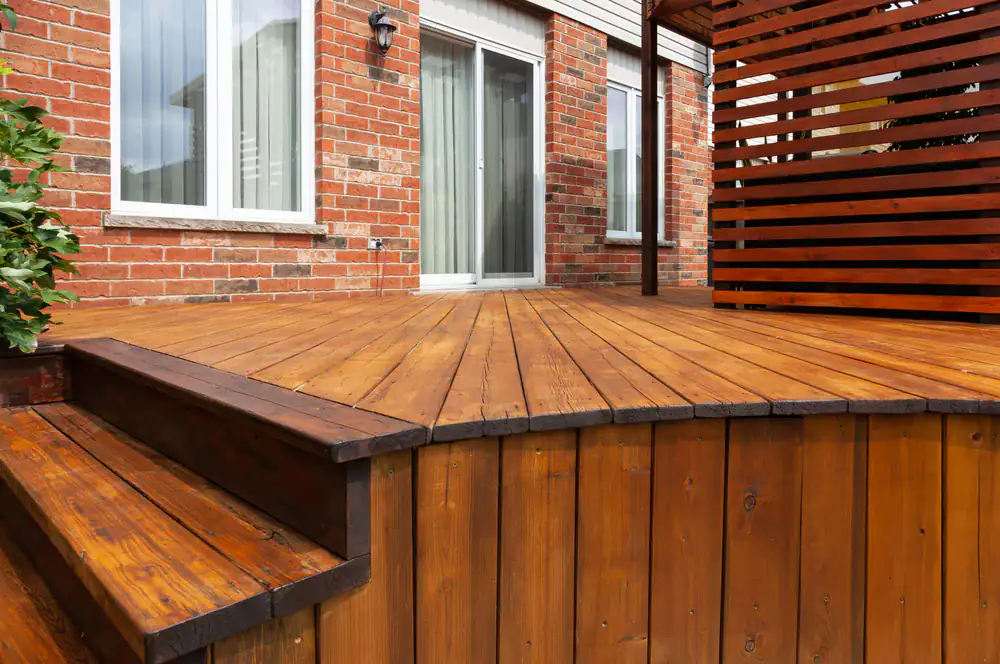
First, we inspect your deck’s structure—not just the surface. We’re checking joists, support posts, ledger boards, flashing, and fasteners. Most deck problems start where you can’t see them, so we look for rot, moisture damage, and code compliance issues that could become expensive later.
Then we give you a detailed estimate. You’ll know exactly what needs fixing and why, with clear pricing and no surprise costs. If your deck only needs a few boards replaced, that’s what we’ll tell you. If there’s structural damage that makes replacement smarter long-term, we’ll explain that too.
Once you approve the work, we handle permits if needed and get started. We use pressure-treated lumber for structural repairs and recommend composite or cedar for decking boards depending on your budget and maintenance preferences. All fasteners are corrosion-resistant because salt air destroys standard hardware faster than you’d think.
Most jobs wrap up in one to three days. We clean up completely, haul away old materials, and make sure everything meets current building codes. You get a deck that’s safe, functional, and ready for whatever Suffolk County weather throws at it.
Ready to get started?
Deck repair means different things depending on what’s failing. We replace rotting or damaged boards, secure loose railings, fix structural issues in joists and support posts, upgrade corroded fasteners and hardware, address moisture problems causing ongoing damage, and ensure everything meets Brookhaven’s building codes.
For Melville homeowners, that last part matters. Long Island’s coastal climate—humidity, freeze-thaw cycles, salt exposure—creates specific challenges. Moisture gets trapped in places it shouldn’t. Fasteners corrode faster. Wood rot spreads more aggressively than in drier climates. A deck that might last 25 years in Arizona might only give you 15 to 18 years here.
That’s why we don’t just replace boards and call it done. We figure out why moisture got there in the first place. We check if flashing is failing. We look for drainage issues. We upgrade to materials that handle coastal conditions better. You’re not paying for a temporary fix—you’re getting repairs that actually last in this environment.

If damage is limited to a few boards, some railings, or surface-level issues, repair usually makes sense. You’re looking at a fraction of replacement cost and you get years of safe use back. That’s the smart move financially.
Replacement becomes the better option when structural components are compromised—multiple rotting support posts, failing ledger boards, widespread joist damage, or extensive fastener corrosion throughout. If your deck is over 20 years old and showing problems in multiple areas, replacement often costs less long-term than trying to patch a failing structure.
We’ll tell you honestly which route makes sense. If repairs will buy you another 10 years of solid use, we’ll recommend that. If you’re throwing money into a deck that’s going to need replacement in two years anyway, we’ll tell you that too. No upselling, just straight assessment based on what we’re actually seeing.
Most deck repairs take one to three days depending on scope. Replacing a few boards or fixing loose railings typically gets done in a single day. More extensive repairs involving structural work—joists, support posts, ledger boards—usually take two to three days.
Weather can affect timelines since we can’t install certain materials in rain or extreme cold. Spring and fall are ideal for deck work in Suffolk County because everything’s dry enough to assess properly and conditions are stable for installation.
We’ll give you a realistic timeline upfront based on what your deck needs. If permits are required, that adds a few days to the schedule, but we handle all the paperwork. Once we start, we work efficiently and clean up completely each day so your yard isn’t a mess while the job’s in progress.
For structural repairs, pressure-treated lumber is standard—it handles moisture well and meets building codes. For decking boards, you’ve got two solid options depending on budget and maintenance preferences.
Composite materials cost more upfront but handle moisture better and won’t rot. They’re ideal for Long Island’s humid climate and require almost no maintenance beyond occasional cleaning. Cedar is the other good option—it naturally resists moisture and insects, looks great, and costs less than composite. Trade-off is it needs regular sealing to maintain that resistance.
For fasteners and hardware, we only use corrosion-resistant materials, preferably stainless steel. Standard fasteners fail fast in coastal environments because salt air accelerates corrosion. Spending a bit more on quality hardware means your railings stay secure and your boards stay tight for years instead of loosening after one winter.
It depends on the scope of work. Simple repairs like replacing a few boards or fixing railings typically don’t require permits. Structural work involving joists, support posts, or ledger boards usually does because it affects the deck’s load-bearing capacity and safety.
Brookhaven has specific building codes for deck construction and repair, especially regarding structural components and railings. If permits are needed, we handle the applications and make sure all work meets current codes. That protects you when you eventually sell your home and ensures the work is done safely and legally.
Skipping permits when they’re required can create problems down the line—failed inspections during home sales, insurance issues if someone gets injured, or having to redo work that doesn’t meet code. We make sure everything’s done right the first time so you don’t deal with headaches later.
Long Island’s climate is tough on outdoor structures. Humid summers and wet winters promote rot more aggressively than drier climates. Freeze-thaw cycles cause boards to expand and contract, creating gaps and loosening fasteners. Coastal salt air corrodes metal hardware faster, meaning railings, brackets, and fasteners fail sooner than they would inland.
Moisture is the biggest culprit. It gets in through small cracks, unsealed fastener holes, or gaps around post caps. Winter conditions prevent it from drying out properly, and cold temperatures slow evaporation. That trapped moisture leads to rot, especially in support posts and joists where you can’t see it happening until there’s visible damage.
Snow and ice make it worse by trapping moisture against the wood in areas with poor drainage. That’s why spring inspections are smart—everything has time to dry out and issues become easier to spot. Catching problems early means fixing them before they spread and turn into expensive structural repairs.
Deck repair typically costs a fraction of full replacement—often 20 to 40 percent depending on what needs fixing. Replacing a few boards and tightening railings might run a few hundred dollars. More extensive structural repairs involving joists or support posts can run a few thousand, but that’s still far less than the $8,000 to $15,000 you’d spend on complete replacement for an average-sized deck.
The key is catching problems early. That loose board you’re ignoring today becomes rotted joists tomorrow. Small cracks letting water in become widespread decay next season. The longer you wait, the more expensive repairs become—or you end up needing full replacement when timely repairs would’ve been enough.
We give you transparent pricing upfront so you can make an informed decision. If repair makes financial sense, we’ll recommend that. If your deck is too far gone and replacement is the smarter investment, we’ll explain why. You’ll know exactly what you’re paying for before any work starts.
Other Services we provide in Melville