Hear From Our Clients
Your roof stops leaking. Your insurance stays intact. Your home value holds—or goes up.
That’s what happens when a licensed crew installs weather-resistant materials the right way, the first time. No callbacks for lifted shingles after the next storm. No surprise bills three months later because the flashing wasn’t sealed properly.
In East Hampton North, your roof takes a beating from coastal weather that most contractors don’t understand. Salt air corrodes cheap materials. High winds exploit sloppy installation. Winter ice finds every weak point.
A proper roof installation means you’re not patching problems every season. It means your attic stays dry during nor’easters. It means you can actually get homeowners insurance without companies dropping you because your roof’s a liability. And when you eventually sell, buyers see a newer roof and move faster—because they know they won’t inherit your headache.
Home Team Construction has spent 10+ years installing and replacing roofs across Suffolk County. We’re licensed, insured, and local—which means we’ve seen what happens when roofs aren’t built for coastal conditions.
We’re not the cheapest option, and that’s intentional. You’re paying for materials that resist salt air corrosion, installation techniques that handle high winds, and a crew that shows up when they say they will. We live and work in these neighborhoods, so our reputation depends on doing the job right.
East Hampton North homeowners deal with unique weather challenges. We’ve replaced roofs damaged by hurricanes, repaired shingle blow-offs after nor’easters, and fixed installations that failed because the original contractor didn’t understand coastal building requirements. When you call us, you’re getting people who know exactly what your roof is up against.
First, we inspect your current roof and attic. We’re looking for hidden damage, structural issues, and ventilation problems that most homeowners don’t know exist. You get a transparent estimate with line-item pricing—no vague “roofing services” charges.
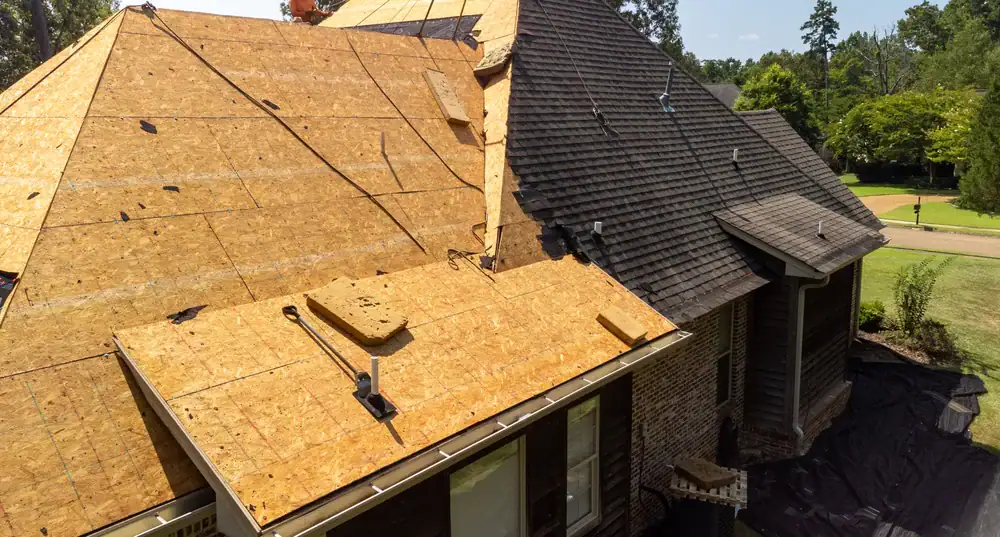
Once you approve, we order materials and schedule your installation. We protect your property with tarps and barriers, then remove old shingles down to the decking. If we find rotted wood or structural damage, we tell you immediately—with photos—and explain what it’ll take to fix it.
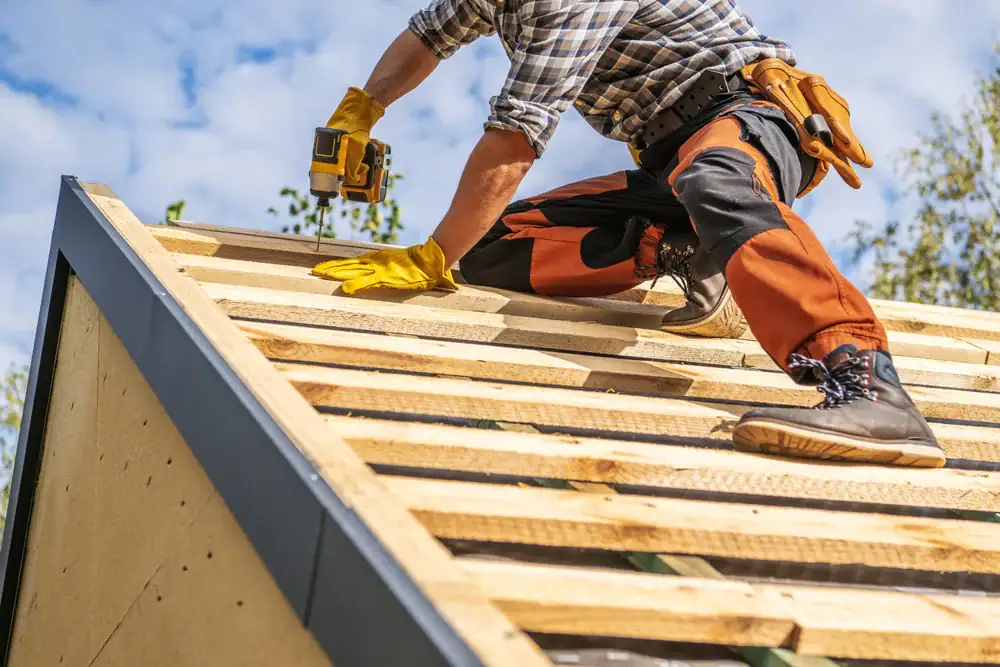
We install new underlayment, flashing, and drip edges before laying your shingles or metal roofing. Every nail gets placed correctly. Every seal gets checked. We’re not rushing to the next job.
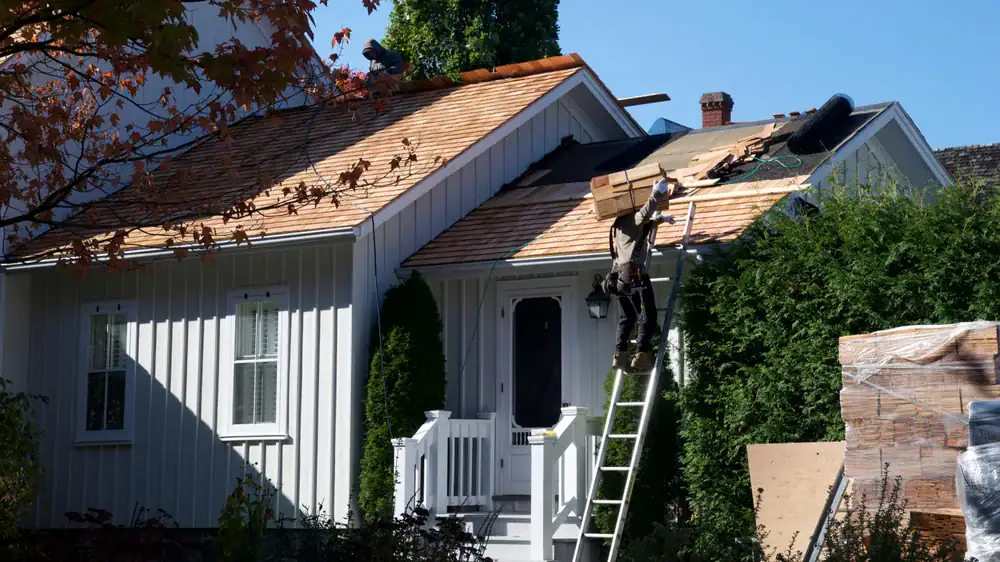
Cleanup happens daily, and we use magnets to pick up stray nails from your driveway and lawn. When we’re done, you get a walkthrough showing what we did and why. Most roof installations in East Hampton North take two to four days, depending on size and weather. If a storm rolls in mid-project, we secure everything so your home stays protected until we can finish.
Ready to get started?
Every roof installation includes a full tear-off of old materials, inspection of roof decking, and replacement of damaged wood. We install new underlayment rated for high winds, plus properly sealed flashing around chimneys, vents, and skylights—because that’s where most leaks start.
You’re also getting materials chosen specifically for coastal conditions. Asphalt shingles rated for impact and wind resistance. Metal roofing that reflects heat and resists corrosion. Ridge vents that actually ventilate your attic so moisture doesn’t rot your new roof from the inside.
East Hampton North sits in a hurricane risk zone where winds can hit 100+ mph during major storms. Your roof needs to be installed with that in mind. We use more nails per shingle than code requires. We seal edges that other roofer contractors leave exposed. We install drip edges that channel water away from fascia boards so you’re not replacing rotted wood in five years.
This also includes gutter inspection and coordination. A new roof doesn’t help much if your gutters dump water against your foundation. We’ll tell you if your gutters need repair or replacement, and we handle that work too—so you’re not coordinating multiple contractors.
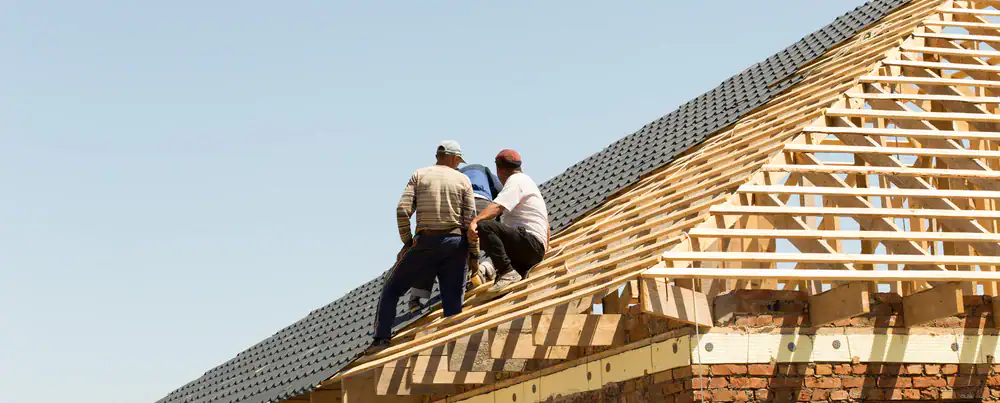
Most residential roof installations take two to four days, depending on your home’s size, roof complexity, and weather. A straightforward ranch with asphalt shingles usually wraps up in two days. A larger two-story home with multiple valleys, chimneys, and skylights might take four.
Weather delays are common in coastal areas. If wind speeds hit 20+ mph or rain moves in, we pause work to protect your home and ensure proper installation. Shingles won’t seal correctly in wet conditions, and high winds make it dangerous to work on steep pitches.
We don’t rush. A roof installed too quickly is a roof that fails early. You’ll see crews finish in one day and leave—those are the roofs that start leaking within a year. We take the time to replace damaged decking, seal every penetration, and install materials correctly so your roof actually lasts.
Architectural asphalt shingles and metal roofing perform best in East Hampton North’s coastal environment. Architectural shingles are thicker and heavier than standard three-tab shingles, which means they resist wind uplift better. Look for shingles rated for 110+ mph winds and Class 4 impact resistance.
Metal roofing is even more durable. It handles salt air without corroding (if properly coated), reflects solar heat to lower cooling costs, and can last 40+ years. Metal roofs also shed snow and ice better than shingles, which matters during winter nor’easters.
Avoid cheap three-tab shingles. They’re lighter, thinner, and the first thing to blow off during storms. Slate and tile look great but add significant weight—your roof structure might need reinforcement, which increases costs. Most homeowners in Suffolk County choose architectural shingles for the balance of cost, durability, and wind resistance. If you’re planning to stay in your home long-term and want to stop thinking about your roof, metal is worth the upfront investment.
Roof replacement typically costs between $8,000 and $25,000+ depending on size, materials, and complexity. A 1,500 square foot ranch with architectural shingles usually runs $10,000 to $15,000. Larger homes, steep pitches, multiple chimneys, or metal roofing push costs higher.
That price includes tearing off old shingles, replacing damaged decking, installing new underlayment and flashing, laying new roofing material, and cleanup. If we find structural damage or poor ventilation, those repairs add to the total—but you’ll know before we proceed.
East Hampton North’s coastal location also affects pricing. Materials need to be rated for high winds and salt air, which costs more than standard products. But spending an extra $2,000 upfront beats replacing your roof again in 10 years because you went cheap. Most homeowners recoup 60-70% of roof replacement costs when they sell, and homes with newer roofs sell faster. If you’re financing, many roofer contractors work with lenders who offer home improvement loans. We provide detailed estimates so you can compare options and make an informed decision.
Insurance covers roof replacement if damage resulted from a covered event—usually wind, hail, or falling trees. If a nor’easter rips off shingles or a tree branch punctures your roof during a storm, your policy should cover repairs or replacement minus your deductible.
Insurance won’t cover wear and tear or neglect. If your roof is 20 years old and leaking because it’s past its lifespan, that’s on you. Same goes if you skipped maintenance and small problems turned into big ones.
Here’s what actually happens: you file a claim, an adjuster inspects your roof, and the insurance company decides what they’ll pay. Sometimes adjusters lowball damage or claim it’s pre-existing. Having a licensed roofing contractor document storm damage with photos and a detailed estimate helps your case.
Suffolk County’s insurance market is tightening. Companies are dropping coastal policies or raising rates because of hurricane and storm risk. A newer roof can actually help you get coverage—or keep the coverage you have. Some insurers require roofs under 15 years old or they won’t write the policy. If you’re struggling to get insured and your roof is aging, replacement might be necessary just to stay covered.
Roof repair fixes specific damage—replacing a section of blown-off shingles, sealing a leak around a chimney, or patching a small area. Full replacement means tearing off everything down to the decking and installing a completely new roof.
Repair makes sense if damage is localized and your roof is under 15 years old. If a storm damaged one section but the rest is solid, patching that area costs a fraction of full replacement. But if your roof is 18+ years old and you’re repairing something new every year, you’re throwing money away. At that point, replacement is smarter.
Here’s the real test: if more than 30% of your roof is damaged or worn out, replace it. Patching an old roof is like putting new tires on a car with a blown engine—you’re spending money on something that’s going to fail soon anyway.
We’ll tell you honestly whether repair or replacement makes sense. If you can get another five years with a $1,200 repair, we’ll say so. If your roof is near the end and repairs are just delaying the inevitable, we’ll explain why replacement is the better investment. Most shingle roofers in East Hampton North see roofs last 20-25 years before they need replacing, depending on material quality and weather exposure.
Check three things: licensing, insurance, and references. In New York, roofing contractors need a home improvement license. Ask to see it. Verify they carry liability insurance and workers’ comp—if someone gets hurt on your property and they’re uninsured, you’re liable.
References matter more than online reviews. Ask for addresses of recent jobs in East Hampton North or nearby towns. Drive by and look at the work. Better yet, ask the contractor if you can talk to past customers. Legitimate roofer contractors have no problem connecting you with homeowners who’ll vouch for their work.
Watch for red flags: contractors who push you to decide immediately, require large upfront deposits (50%+ before starting), or can’t provide a detailed written estimate. If someone quotes you over the phone without inspecting your roof, walk away. Honest contractors need to see your roof, attic, and any damage before pricing the job.
Communication is the biggest factor. If a contractor takes days to return calls before you hire them, imagine how responsive they’ll be when problems come up mid-project. You want someone who answers questions clearly, shows up on time, and keeps you updated. That’s how you know they’ll actually finish your roof instead of disappearing halfway through.
Other Services we provide in East Hampton North