Hear From Our Clients

You’ve already spent money on repairs. The cracks keep coming back, water still finds its way in, and every winter makes it worse. At some point, patching an old chimney becomes more expensive and more dangerous than replacing it.
A new chimney system gives you 50 to 100 years of protection when it’s built right. That means proper flashing, a sealed liner, storm-grade materials that hold up to Long Island’s coastal weather, and a structure that won’t lean, crack, or let water destroy your ceilings and framing.
You’re not just fixing a problem. You’re removing the risk of carbon monoxide leaks, eliminating water damage that costs thousands to repair, and protecting your home’s value with a system that actually works. No more emergency calls after every storm. No more wondering if it’s safe to use your fireplace.
We’ve spent over a decade working on roofs and chimneys across Suffolk County. We’re licensed, we’re local, and we’ve seen what happens when chimneys aren’t built to handle the salt air, freeze-thaw cycles, and coastal storms that hit East Hampton North every year.
Most of the homes here were built in the 1960s or earlier. That means aging chimney systems that weren’t designed with today’s materials or standards. We replace chimneys that have reached the end of their lifespan, and we do it with crews who understand what it takes to make them last.
You’ll get an upfront estimate, a clear timeline, and work that doesn’t cut corners. We’re not the cheapest option, and that’s intentional. You’re paying for licensed professionals, quality materials, and a chimney that won’t need replacing again in your lifetime.
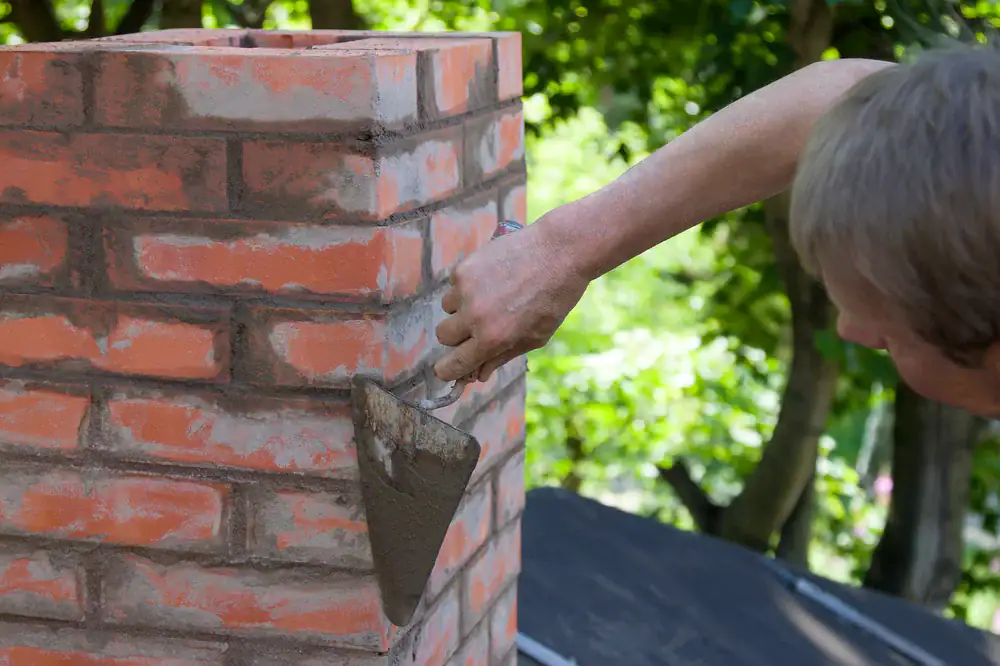
We start with an inspection to confirm replacement is the right call. If your chimney has severe structural damage, a crumbling liner, major water intrusion, or it’s leaning, replacement is usually the safest and most cost-effective option.
Once we’ve assessed the damage, you get a detailed estimate that breaks down materials, labor, and timeline. No surprises, no vague pricing. We pull the necessary permits, schedule the work, and handle the teardown of your old chimney from the roofline down to the foundation if needed.
The rebuild includes a new chimney stack, properly installed flashing to prevent leaks, a sealed chimney liner for safe ventilation, and a chimney cap to keep water and animals out. We use materials rated for coastal conditions because Long Island weather demands it. The job typically takes several days depending on the extent of the replacement, and we clean up completely when it’s done.
You’ll have a chimney system that’s code-compliant, structurally sound, and built to last decades. And if you ever sell, buyers will see a recently replaced chimney as a major plus.

Ready to get started?
Chimney replacement means tearing out the old structure and rebuilding it with materials designed for Long Island’s coastal climate. That includes chimney stack replacement when the brickwork or masonry is too far gone, chimney liner replacement to ensure safe venting and prevent carbon monoxide risks, and chimney flashing replacement to seal the connection between your roof and chimney.
We also install a new chimney cap to block rain, snow, and animals, and we make sure the entire system is properly ventilated and insulated. In East Hampton North, where salt air accelerates deterioration and freeze-thaw cycles crack masonry, using the right materials isn’t optional.
Older homes in this area often have chimneys that were built before modern codes existed. A full replacement brings your system up to current safety standards, improves energy efficiency, and eliminates the constant repair cycle. It’s a bigger investment upfront, but it saves you from spending thousands on repeated fixes that don’t solve the underlying problem.

Most complete chimney replacements in East Hampton North run between $8,000 and $15,000, depending on the height of the chimney, the extent of the damage, and whether you need a full rebuild from the foundation or just from the roofline up. Long Island costs tend to run higher than national averages because of stricter building codes, higher labor costs, and the need for coastal-grade materials that hold up to salt air and harsh weather.
If you’re comparing that to repair costs, consider this: a typical chimney repair might cost $900 to $2,500, but if you’re facing multiple repairs over a few years, you’re spending just as much without actually solving the problem. A new chimney lasts 50 to 100 years with proper maintenance, which makes it the smarter long-term investment when the structure is compromised.
We give you a detailed estimate before any work starts, so you know exactly what you’re paying for. No hidden fees, no surprise charges after the job is done.
You should replace your chimney when the damage is structural, widespread, or creating safety risks that repairs can’t fix. That includes severe cracking in the masonry, a leaning or tilting chimney, a crumbling or damaged liner, major water intrusion that’s rotting the framing or damaging your home’s interior, or frequent blockages and ventilation problems.
If your chimney was built before the 1970s and you’re dealing with repeated issues, replacement is often the better option. Older chimneys weren’t built with the materials or standards we use today, and patching them becomes a losing game. You’re constantly spending money on fixes that don’t last because the underlying structure is failing.
Replacement also makes sense if you’re planning to sell your home in the next few years. A new chimney is a selling point. A deteriorating one raises red flags during inspections and can kill deals or force you to drop your price. If you’re unsure whether you need replacement or repair, we’ll give you an honest assessment during the inspection.
Most chimney replacements take three to five days, depending on the size of the chimney, the extent of the rebuild, and weather conditions. If we’re doing a full replacement from the foundation up, it can take longer. If we’re replacing from the roofline up, it’s typically faster.
We schedule the work to minimize disruption, and we don’t leave your home exposed. The teardown happens quickly, and we protect the interior and roof during the process. Once the old chimney is removed, we rebuild the stack, install the new liner and flashing, and finish with the chimney cap.
Weather can affect the timeline, especially in fall and winter when Long Island gets hit with storms and freezing temperatures. That’s why most homeowners schedule chimney replacement in late summer or early fall when conditions are more predictable. We’ll give you a clear timeline before we start and keep you updated if anything changes.
We use masonry and materials rated for coastal conditions because East Hampton North sits close enough to the water that salt air, moisture, and temperature swings are constant threats. That means brick or stone for the chimney stack, stainless steel or cast-in-place liners for safe venting, and high-quality flashing that seals the roof connection and prevents leaks.
The chimney cap is usually stainless steel or copper, both of which resist rust and corrosion better than cheaper materials. We also use mortar and sealants designed to handle freeze-thaw cycles, which are brutal on Long Island chimneys. When water gets into masonry, freezes, and expands, it cracks the structure. Using the right materials prevents that.
Cheaper materials might save you money upfront, but they fail faster in this climate. We’ve seen chimneys that were rebuilt with substandard materials start deteriorating within a few years. You’re better off paying for quality once than replacing the same chimney twice.
Yes, you need a permit for chimney replacement in East Hampton North, and we handle that for you. Suffolk County has strict building codes, and any structural work on your chimney requires approval to make sure it meets safety and ventilation standards.
Pulling permits protects you. It ensures the work is inspected, done to code, and documented for future buyers if you sell your home. Skipping permits might seem like a shortcut, but it creates problems down the road. Unpermitted work can complicate insurance claims, fail home inspections, and even result in fines.
We work with local inspectors regularly, so the permit process is straightforward. It adds a little time to the project, but it’s worth it for the peace of mind and the legal protection. You’ll have documentation that your chimney was replaced correctly and safely.
It depends on where the damage is and how extensive it is. If the problem is isolated to the chimney cap, the flashing, or the top section of the stack, we can replace just those parts. Chimney cap replacement and chimney flashing replacement are common jobs that don’t require a full rebuild.
But if the damage goes deeper—cracked masonry throughout the stack, a failing liner, structural issues at the roofline or below—you’re better off replacing the entire chimney. Partial replacements only work when the rest of the structure is sound. If the foundation is compromised or the chimney is leaning, patching the top won’t fix the underlying problem.
We’ll assess the full chimney during the inspection and tell you exactly what needs to be replaced and what can stay. If a partial replacement makes sense and saves you money without compromising safety, we’ll recommend it. But we won’t sell you a partial fix if the whole system is failing. That just sets you up for more problems and more costs later.
Other Services we provide in East Hampton North