
Hear From Our Clients
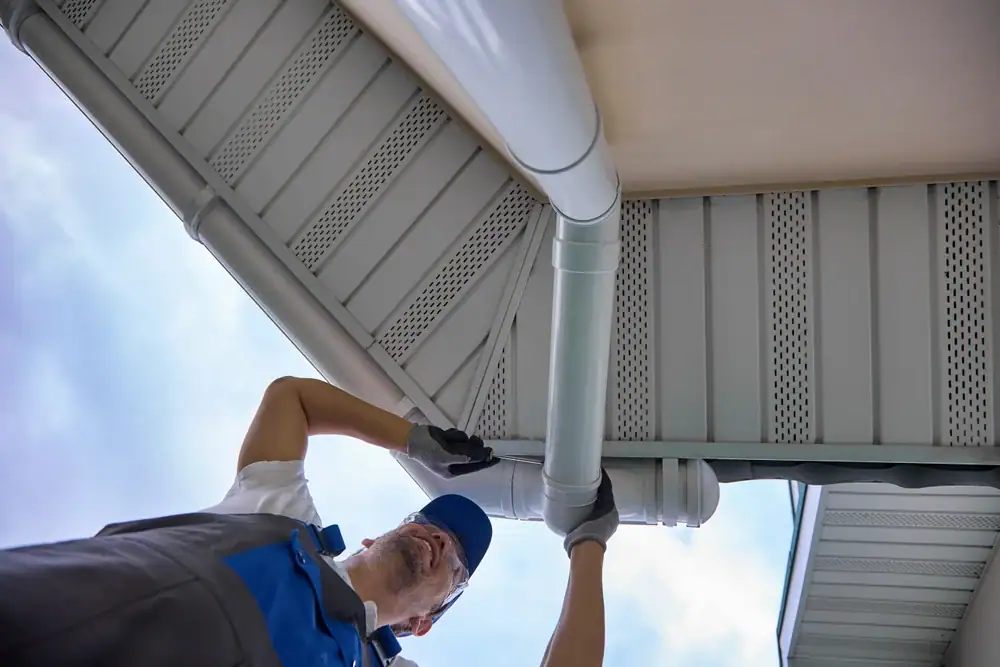
Your gutters stop being something you worry about every time it rains. Water flows off your roof, through the downspouts, and away from your foundation like it’s supposed to. No more watching puddles form against your basement walls or wondering if that next storm is going to flood your crawl space.
Huntington gets 45 inches of rain a year, plus another 35 inches of snow. That’s a lot of water trying to find its way into your house. Seamless gutters handle it without the weak points where sections connect—the spots where old gutters start leaking first.
You’re not dealing with emergency calls to fix overflow damage or paying someone to dig out your foundation because water sat there all winter. The system works, the water moves, and your property stays dry.
Home Team Construction has spent over ten years replacing gutters, repairing roofs, and solving water problems for homeowners across Suffolk County. We’re licensed, insured, and we live here too—which means the work we do reflects on us locally.
Huntington’s coastal location creates specific challenges. Salt air corrodes metal faster than it does inland. Nor’easters dump inches of rain in hours. Your gutters need to handle both without failing halfway through their expected lifespan.
We install seamless aluminum gutters that resist corrosion and handle heavy flow. You get photo updates during the job, transparent pricing before we start, and a crew that shows up when they say they will.
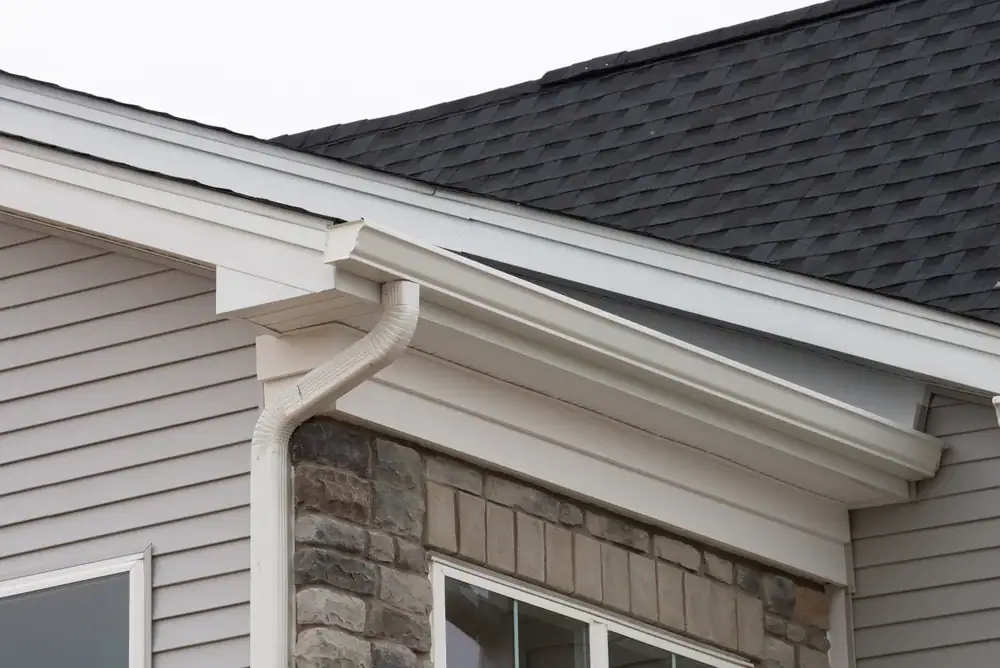
First, we come out to measure your roofline and check how water currently drains around your property. We’re looking at pitch, downspout placement, and whether your foundation shows signs of water exposure. You get a written estimate that breaks down materials, labor, and timeline—no surprises later.
Once you approve the estimate, we schedule installation around your availability and the weather. We fabricate your seamless gutters on-site to exact measurements, which eliminates the seams where leaks typically start. Old gutters come down, fascia gets inspected for rot or damage, and new gutters go up with proper slope for drainage.
Downspouts get positioned to move water at least six feet from your foundation—farther if your property slopes toward the house. We test the system with water to confirm flow, clean up the work area, and walk you through maintenance basics. Most installations finish in one day unless we’re dealing with a larger home or repairs to underlying fascia.

Ready to get started?
You’re getting seamless aluminum gutters custom-fabricated to your home’s measurements. That means no joints along the horizontal runs where leaks develop over time. We use heavy-gauge aluminum that resists the salt air corrosion that eats through cheaper materials within a few years here on Long Island.
Installation includes new downspouts, elbows, and extensions positioned to direct water away from your foundation. We secure gutters to fascia with hidden hangers every two feet—not the spike-and-ferrule system that loosens over time. If your fascia boards show rot or water damage during removal of old gutters, we’ll let you know before proceeding so there are no structural issues hidden behind new materials.
Huntington properties near the water face accelerated wear from salt spray and humidity. The seamless design and corrosion-resistant materials we use are specifically chosen because they last longer in coastal conditions. You’re looking at 20-plus years of service with basic seasonal cleaning—not 5 years before you’re replacing sections that failed at the seams.

Most homes in Huntington run between $1,200 and $2,500 for complete gutter replacement, depending on roofline length and how many corners and downspouts you need. A straightforward ranch with 150 linear feet of gutter sits at the lower end. A two-story colonial with multiple roof valleys and complex drainage needs costs more.
Price breaks down to roughly $7 to $13 per linear foot for seamless aluminum gutters, which includes materials, fabrication, and installation. If we find fascia damage when the old gutters come off, that’s additional—but we’ll show you the problem and give you a price before doing the repair.
You’re not paying for seamed gutters that leak at the joints in three years. Seamless construction costs slightly more upfront but eliminates the most common failure point. That’s fewer service calls and a longer lifespan, which makes it the better investment for Long Island’s weather conditions.
Most gutter replacement jobs finish in one day once we’re on-site. We show up in the morning, remove old gutters, inspect and repair fascia if needed, fabricate new seamless gutters to exact measurements, install them with proper pitch and secure mounting, position downspouts, and test the system before we leave.
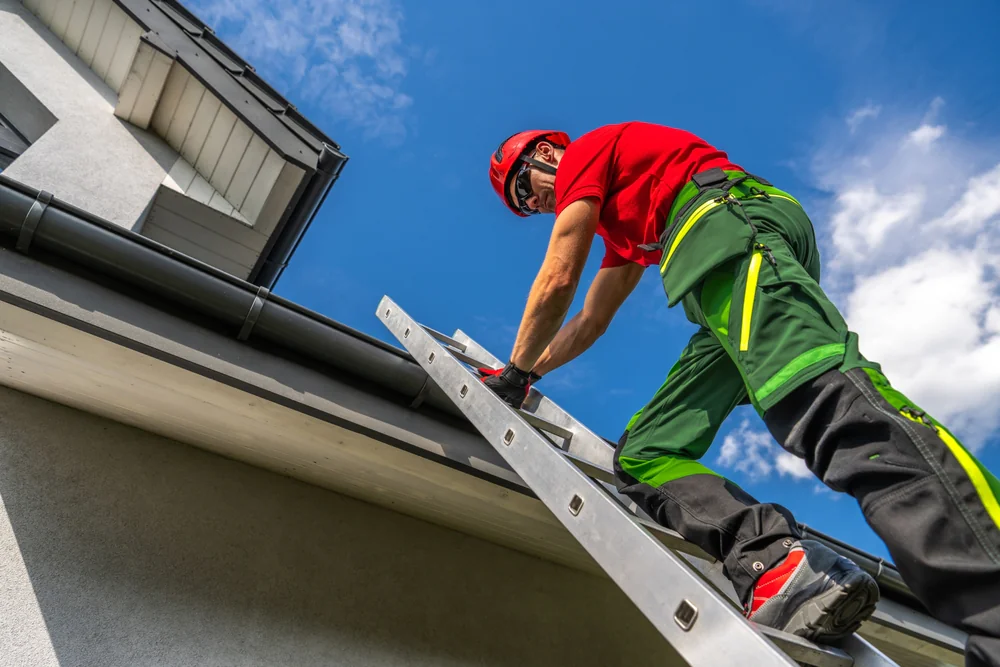
Larger homes or properties with multiple rooflines might stretch into a second day. If we discover fascia rot that needs replacement, that adds time—but we’re talking hours, not days. Weather delays installation occasionally, since we’re working on ladders and rooflines where wet conditions create safety issues.
From your initial call to completed installation, you’re typically looking at one to two weeks depending on our schedule. We don’t book jobs back-to-back with no buffer, because rushing gutter installation leads to improper pitch and drainage problems you’ll be calling about six months later. Better to schedule it right than do it twice.
Seamless gutters eliminate joints along the horizontal runs where sectional gutters connect—and those joints are where most leaks start. Every seam is a potential failure point where water can seep through, especially after a few freeze-thaw cycles or when debris creates standing water. Remove the seams, remove the most common problem.
Sectional gutters use connectors that expand and contract at different rates than the gutter material itself. Over time, those connections loosen, sealant degrades, and you’ve got water dripping onto fascia or foundation. Seamless gutters are fabricated as one continuous piece for each run, so there’s nothing to separate or leak until you reach a corner.
Long Island’s weather accelerates this process. You’re dealing with salt air, temperature swings from single digits to 90-plus, heavy snow loads, and intense rainfall. Seamless construction holds up better under those conditions because there are fewer weak points. You’re looking at 20 years of service instead of patching leaks every few seasons.
We stop, take photos, show you exactly what we found, and explain what needs to happen before new gutters go up. Fascia boards are what gutters attach to—if they’re rotted or damaged, new gutters won’t mount securely and you’re looking at problems within months.
Fascia rot usually happens because old gutters leaked or overflowed for an extended period, keeping wood wet. It’s common in older homes where maintenance got deferred. We replace damaged sections with new lumber, prime and paint to match your existing trim, then proceed with gutter installation once you approve the additional cost.
Most fascia repairs add a few hundred dollars and a few hours to the job. It’s not something we can quote without seeing your current setup, but we won’t surprise you with charges after the work’s done. You get a clear price for the repair before we touch anything, and you decide whether to proceed or just reinstall gutters over compromised fascia—which we don’t recommend, but it’s your house.
If you’re seeing leaks at multiple points, sagging sections, visible rust or corrosion, or gutters pulling away from fascia in more than one spot, replacement makes more sense than patching. Repairs work when you’ve got isolated damage—one section got hit by a falling branch, or a single downspout needs reattachment. Widespread problems mean the system is failing.
Check for water stains on your fascia boards, peeling paint near gutters, or foundation cracks that line up with downspouts. Those indicate your gutters aren’t managing water properly. If your gutters are more than 15 years old and showing multiple issues, replacement gives you another 20 years of protection instead of temporary fixes that buy you a season or two.
Huntington’s coastal environment is hard on gutters. Salt air accelerates corrosion, heavy storms stress mounting systems, and freeze-thaw cycles exploit any existing weaknesses. When a system starts failing in multiple places, it’s telling you the materials have reached the end of their service life. Replacement costs more upfront but eliminates the cycle of repeated repairs that add up fast.
New gutters fix the water management problem—they move roof runoff away from your foundation instead of dumping it right next to your basement walls. But if you’ve already got foundation cracks, settling, or water intrusion, gutters alone won’t reverse existing damage. They stop it from getting worse.
Properly installed gutters with downspouts that extend at least six feet from your foundation keep water from saturating the soil around your basement. That prevents the freeze-thaw cycles that cause cracks and the hydrostatic pressure that pushes water through your foundation walls. You’re eliminating the source of ongoing damage.
If you’re seeing foundation issues now, address those separately—but do the gutters at the same time so you’re not fixing foundation problems while water continues pouring onto the same spot every time it rains. Most foundation contractors will tell you to fix your drainage before they repair cracks, because otherwise you’re just treating symptoms. Gutters are drainage, and they need to work correctly or you’re wasting money on foundation repairs that fail again.
Other Services we provide in Huntington