

Hear From Our Clients

When your gutters work right, you don’t think about them. Water flows where it should. Your basement stays dry. Your foundation remains solid.
That’s what proper gutter repair delivers – invisible protection that works every time it rains. No more watching water cascade down your siding during storms. No more worrying about what you’ll find in your basement after heavy rainfall.
You get gutters that handle Mastic Beach’s coastal storms, summer thunderstorms, and winter freeze-thaw cycles without the constant repairs other systems need.
We’ve been protecting Suffolk County homes for years because we understand what Long Island weather does to gutter systems. We’re not just contractors – we’re your neighbors.
Our licensed team knows how nor’easters test gutters and why salt air from the coast accelerates wear on unprotected systems. We’ve seen what happens when gutters fail during Mastic Beach’s intense storms, and we’ve built our reputation on preventing those problems.
When you call us, you’re working with contractors who understand local building codes, coastal construction requirements, and the specific challenges your home faces living this close to the water.
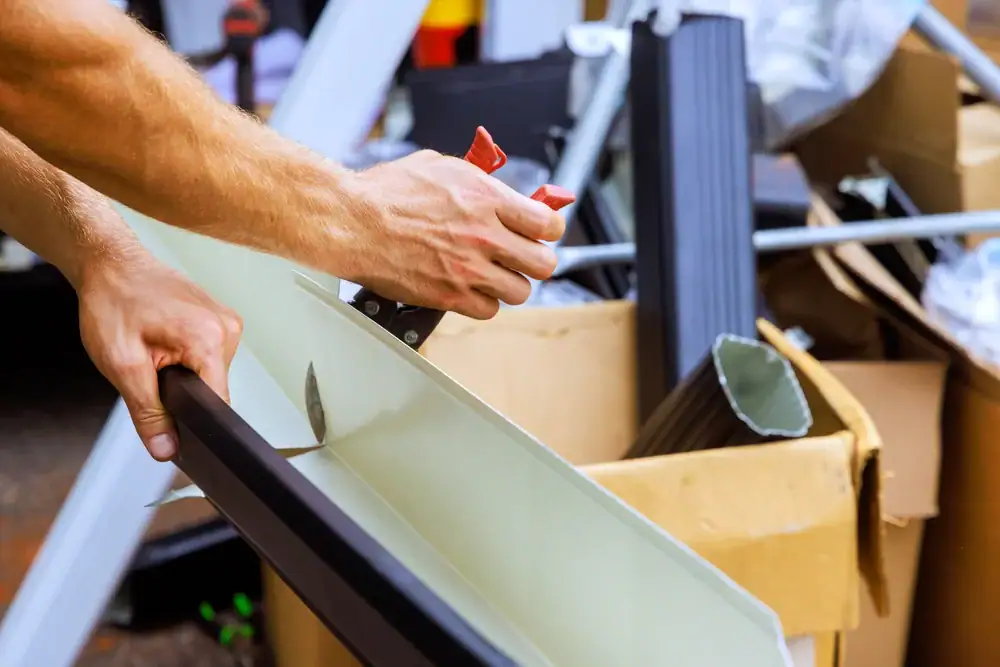
We start with a thorough inspection of your gutter system, checking for damage you might not see from the ground. Loose brackets, separated joints, and early corrosion from salt air all get identified before they become bigger problems.
Next, we provide a clear, upfront estimate with no surprises. You know exactly what needs fixing and what it costs before we start any work.
Our licensed crew uses materials specifically chosen for Suffolk County’s coastal conditions. We don’t just patch problems – we fix them right so they stay fixed through the next storm season. Every repair includes proper drainage testing to ensure water flows where it should.

Ready to get started?
Your gutter repair includes materials engineered for Long Island’s unique challenges. Salt-resistant components that won’t corrode from coastal air. Brackets rated for the wind loads your home faces during nor’easters.
We handle everything from minor leak repairs to complete section replacements. Sagging gutters get proper support. Separated joints get permanent sealing. Damaged downspouts get replaced with proper drainage capacity for your roof size.
Mastic Beach homes need gutters that can handle sudden summer thunderstorms and winter ice buildup. Our repairs use impact-resistant materials and proper slope calculations so water moves efficiently away from your foundation, protecting your home’s structural integrity year-round.

Several signs indicate whether repair or replacement makes more sense for your Mastic Beach home. If you notice water overflowing during moderate rain, sagging sections, or visible rust and holes, these often point to repair needs.
Complete replacement becomes necessary when you see multiple problem areas, gutters pulling away from your fascia boards, or extensive corrosion from salt air exposure. Age also factors in – gutters typically last 15-20 years in Suffolk County’s challenging climate.
After major storms, inspect for water stains on your siding or pooling around your foundation. If you’re experiencing recurring problems in different areas, replacement provides better long-term value than repeated repairs.
Long Island’s coastal location creates unique challenges that require specialized approaches. Salt air from the Atlantic accelerates corrosion in standard materials, so we use marine-grade components that resist this damage.
The region’s weather patterns – from intense summer thunderstorms to winter nor’easters – demand gutters with proper capacity and wind resistance. Mastic Beach homes also deal with moderate tree coverage that creates seasonal debris buildup.
Our repair methods account for freeze-thaw cycles that cause expansion and contraction in gutter systems. We use materials and installation techniques specifically tested for coastal conditions, ensuring repairs last through multiple storm seasons.
Storm damage doesn’t wait for business hours, and neither do we. We provide emergency response throughout Suffolk County, often securing your home the same day you call.
Our emergency service includes temporary weatherproofing until permanent repairs can be safely completed. We understand coastal storm patterns and prioritize calls based on safety and damage severity.
After storms pass, we conduct comprehensive inspections to identify all damage, not just obvious leaks. This prevents small issues from becoming major problems during the next storm season, saving you from more extensive repairs later.
Every gutter repair includes our written warranty covering both materials and workmanship. This protects your investment against the unique coastal conditions and seasonal weather changes experienced in Suffolk County.
Our warranty terms account for Long Island’s harsh weather patterns, including salt air exposure, freeze-thaw cycles, and high winds from coastal storms. If covered issues arise, we return to make it right at no additional cost.
We also provide detailed documentation of all work performed, including photo updates throughout the repair process. This gives you complete records for insurance purposes and future maintenance planning.
Long Island gutters need cleaning at least twice yearly due to moderate tree coverage and seasonal debris. Spring cleaning removes winter accumulation and prepares gutters for heavy rainfall season, while fall cleaning prevents leaf buildup before winter freeze-thaw cycles.
Coastal areas may require more frequent attention due to salt air exposure and the additional debris that maritime conditions can deposit. Homes with significant tree coverage often benefit from three cleanings annually.
Regular professional maintenance costs far less than emergency repairs and replacement. Quality gutter systems with proper maintenance can last 20-30 years, making routine care a smart investment in protecting your home’s foundation and structural integrity.
Yes, we work directly with insurance companies and provide detailed documentation needed for storm damage claims. Our comprehensive inspections identify all damage, including hidden issues that might not be immediately obvious.
We provide detailed estimates, photos, and professional assessments that insurance adjusters need to process claims efficiently. Our licensed status and local reputation help streamline the approval process.
After major weather events like nor’easters or tropical storms, we prioritize insurance work and can often coordinate directly with your adjuster. This saves you time and ensures all covered damage gets properly repaired using approved materials and methods.
Other Services we provide in Mastic Beach