

Hear From Our Clients
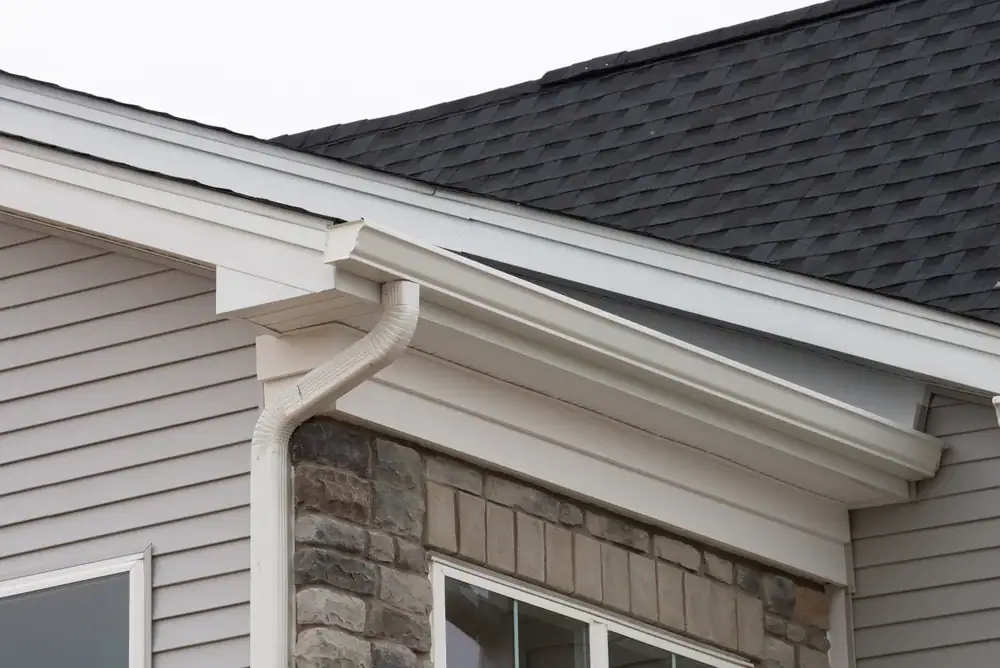
You’re not dealing with ceiling stains anymore. No more worrying about what that water spot means or how much it’ll cost to fix later.
Your chimney keeps weather outside where it belongs. Rain doesn’t find its way into your walls. Freeze-thaw cycles don’t crack your masonry apart from the inside. Salt air doesn’t eat through mortar joints until bricks start falling off.
When your heating system runs, gases vent safely outside instead of backing up into your home. You’re not gambling with carbon monoxide. You’re not hoping everything holds together through another winter.
The work gets done right the first time with materials that actually hold up to Long Island’s coastal conditions. You’re looking at years of protection, not temporary patches that fail when the next storm rolls through. That’s what proper chimney masonry repair does for homes in Mastic Beach, NY.
We know what salt air does to chimneys because we’ve been repairing them in Suffolk County for over twenty years. We’re licensed, we’re local, and we’ve seen what happens when homeowners wait too long or hire someone who doesn’t understand coastal conditions.
We’re a family-owned business, which means when you call, you’re talking to people who actually do the work. No runaround. No sales pitch that sounds great until the problems come back six months later.
Mastic Beach homes face weather conditions that standard repair materials can’t handle long-term. We use marine-grade materials and techniques that account for freeze-thaw cycles, salt exposure, and the storms that hit this area every year. Our reputation comes from homeowners who’ve used us multiple times because the first job actually lasted.
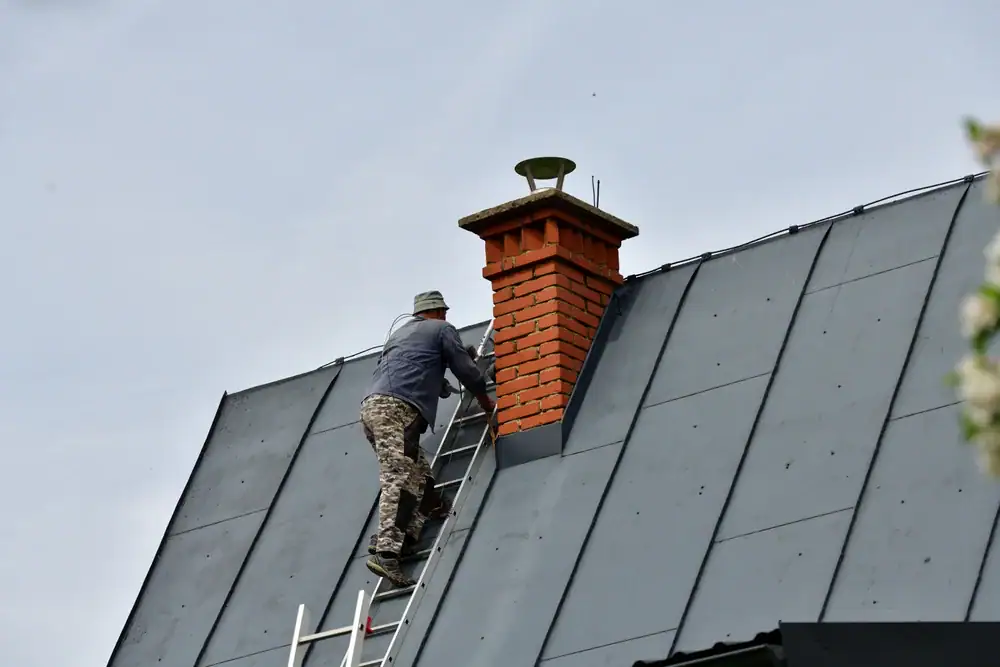
We start with an inspection to figure out what’s actually wrong. Not what might be wrong or what could become a problem someday—what’s causing issues right now. Flashing failures, mortar deterioration, crown damage, liner problems. We find it and tell you exactly what it means for your home.
Then we explain what needs fixing and why. You’ll know what happens if you wait, what it costs to fix it now, and what materials we’re using. No surprises, no upselling services you don’t need.
The repair work uses materials chosen specifically for coastal conditions. Standard mortar fails fast in Mastic Beach. We use products that handle salt air and temperature swings. Flashing gets installed correctly so water can’t get behind it. Crowns get sealed with materials that flex instead of cracking when temperatures drop.
After the work’s done, you know what to watch for and when to schedule your next inspection. Most chimney problems start small. Catching them early keeps repair costs manageable instead of turning into full rebuilds that run into thousands of dollars.

Ready to get started?
You get a complete assessment of your chimney’s condition before any work starts. We check the crown, flashing, mortar joints, bricks, liner, and anything else that affects how your chimney performs. If there’s damage, you’ll see it and understand why it matters.
Repairs address the actual problem, not just the symptoms. Leaks usually mean flashing failure or crown damage. We fix the source so water stops getting in. Mortar that’s crumbling gets repointed with material that lasts in Suffolk County’s climate. Damaged bricks get replaced with ones that match and hold up to freeze-thaw cycles.
For Mastic Beach homes, weatherproofing matters more than most places. Salt air accelerates deterioration. We apply sealants designed for coastal exposure that let masonry breathe while keeping moisture out. It’s the difference between repairs that last five years and repairs that last fifteen.
If your liner’s compromised, we’ll tell you. Liner failure means toxic gases can enter your home instead of venting safely. That’s not something to patch and hope for the best. We install stainless steel liners that meet code and actually protect your family when your heating system runs.
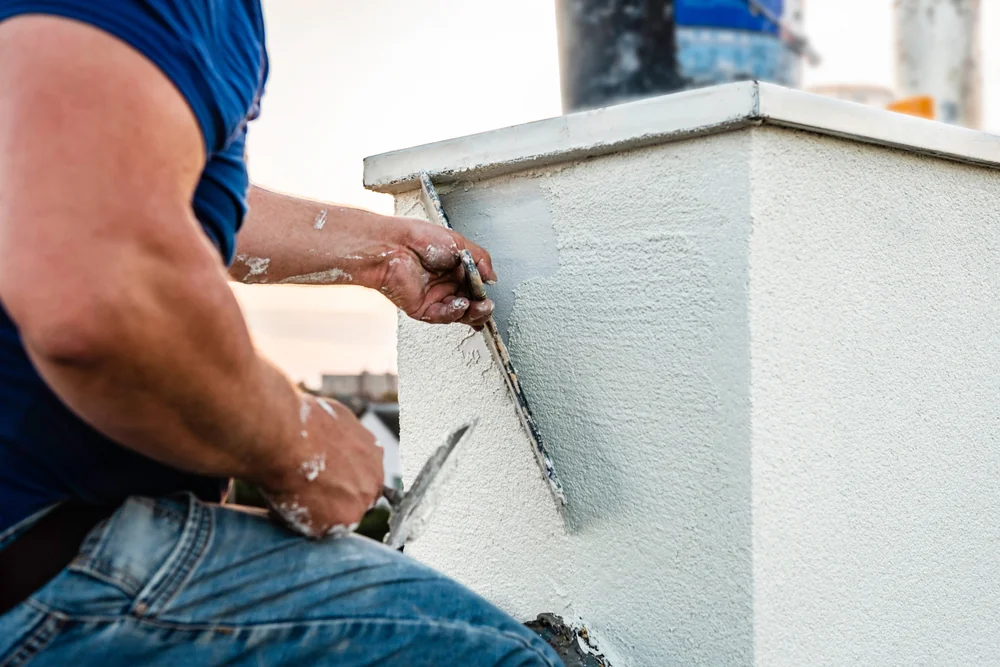
Most chimney repairs in Mastic Beach run between $350 and $1,200 for repointing work. Brick replacement starts around $900 and can reach $4,000 depending on how much damage there is. Full chimney rebuilds with new liners cost more, but that’s only necessary when the structure’s compromised beyond repair.
Long Island costs run higher than national averages because of labor rates and stricter building codes. But catching problems early keeps you in the lower range. A $500 repair now beats a $5,000 emergency rebuild when your chimney starts dropping bricks during a winter storm.
We give you upfront pricing after the inspection. You’ll know what the work costs before we start, what’s included, and why each repair matters. No padding the estimate with work you don’t need.
Flashing failure causes most chimney leaks in Mastic Beach. Flashing seals the gap between your chimney and roof. When it corrodes, separates, or gets installed wrong, water pours straight into your home. Salt air speeds up metal corrosion, which is why coastal chimneys develop flashing problems faster than inland homes.
Crown damage is the other major culprit. Your chimney crown is the concrete top that sheds water away from the flue. Freeze-thaw cycles crack it. Once water gets into those cracks, it freezes, expands, and makes everything worse. Before long, you’ve got water running down inside your chimney and into your walls.
Mortar joint deterioration lets water penetrate the masonry itself. Salt draws moisture into brick like a sponge. When temperatures drop, that moisture freezes and expands. The brick literally falls apart in chunks—that’s called spalling, and it’s incredibly common within a few miles of the coast.
Once a year, ideally in spring after winter weather has done its worst. Spring inspections give you time to schedule repairs before you need your fireplace again. Waiting until October means you’re competing with everyone else who suddenly remembered their chimney exists, and contractors are swamped right when you need heat most.
Coastal homes face harsher conditions than inland properties. Salt air, freeze-thaw cycles, and storms accelerate deterioration. Annual inspections catch problems while they’re still cheap to fix—a $300 repointing job instead of a $3,000 rebuild.
Professional inspections in Suffolk County cost $150 to $300. That’s cheap insurance against water damage that can run $2,500 to $7,500 for most homes. We check everything: crown, flashing, mortar, bricks, liner, and structural integrity. If something’s wrong, you’ll know exactly what it is and what it’ll take to fix it.
Depends on the damage. Minor separation or small holes can sometimes be repaired with proper sealants and reflashing techniques. But if the metal’s corroded through, if there’s extensive rust, or if it was installed incorrectly to begin with, replacement is the only fix that lasts.
Coastal exposure in Mastic Beach is hard on flashing. Salt air corrodes metal faster than normal weathering. Aluminum flashing might last fifteen years inland but fails in seven to ten years near the coast. Copper holds up better but costs more upfront.
We don’t patch flashing that’s going to fail again in six months. If replacement is the right call, we’ll tell you why and show you what’s wrong. Proper flashing installation means removing shingles, installing step flashing that’s woven into the roofing, and sealing everything so water can’t get behind it. Done right, you’re looking at ten to twenty years of protection depending on the material.
Repointing means removing deteriorated mortar from the joints between bricks and filling them with new mortar. The bricks themselves are still solid—it’s just the mortar that’s crumbling. This costs $350 to $1,200 in Mastic Beach and solves problems before they get worse.
Brick replacement is necessary when the bricks themselves are damaged. Spalling—when brick faces pop off in chunks—happens constantly in coastal areas. Freeze-thaw cycles and salt exposure cause it. Once a brick is spalling, it can’t be repaired. It needs to come out and get replaced with a new brick that matches your chimney.
Repointing is maintenance. Brick replacement is repair. If you stay on top of repointing, you can often avoid brick replacement altogether. But if you wait until mortar’s completely gone and water’s been soaking into the bricks for years, you’re looking at both repointing and replacement. That’s when costs jump from four figures to five figures, especially if structural damage has started.
Yes, and here’s why: Mastic Beach chimneys face salt air, freeze-thaw cycles, and constant moisture exposure. Masonry is porous. Without proper waterproofing, it absorbs water like a sponge. When that water freezes, it expands by about nine percent and creates pressure inside the brick and mortar. Over time, this destroys your chimney from the inside out.
Waterproofing sealants designed for coastal exposure let masonry breathe while keeping bulk water out. This isn’t the same as painting your chimney—that traps moisture and makes problems worse. Proper sealants are vapor-permeable, meaning moisture vapor can escape while liquid water can’t get in.
Application matters as much as the product. The chimney needs to be clean and dry. Damaged mortar needs repointing first. Applying sealant over deteriorated masonry just hides problems temporarily. Done correctly after repairs, waterproofing extends the life of your chimney by years and dramatically reduces the chance of water damage inside your home. For coastal properties, it’s not optional—it’s essential maintenance that saves you money long-term.
Other Services we provide in Mastic Beach