

Hear From Our Clients
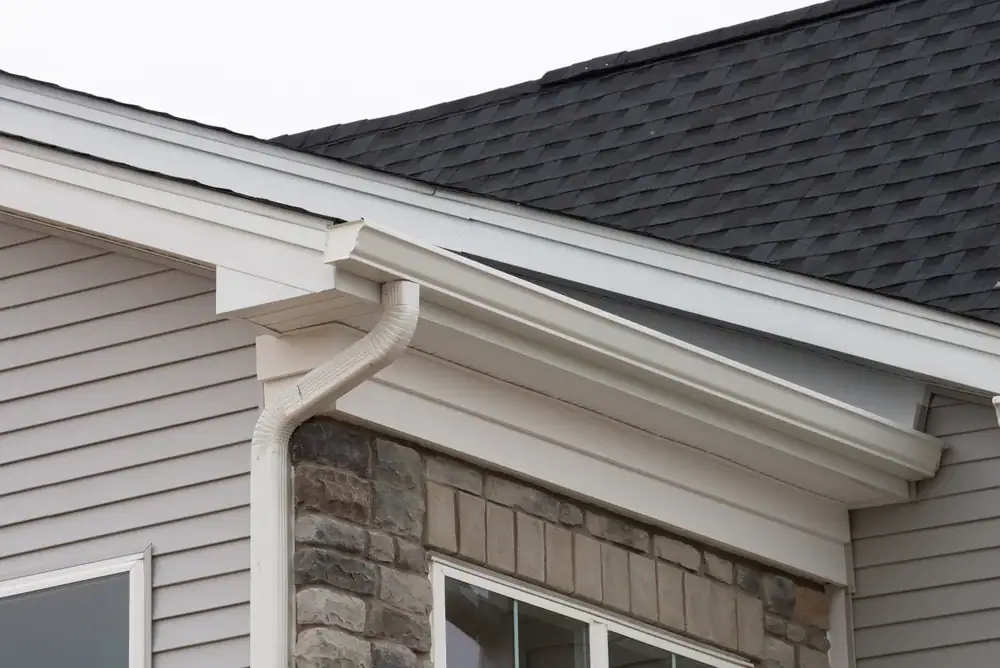
Your chimney isn’t just a stack of bricks. It’s your home’s safety system, designed to channel dangerous gases and smoke away from your family. When it’s working right, you don’t think about it.
When it’s not, you’ve got problems that go way beyond a smoky living room. Water damage that spreads through walls. Carbon monoxide that you can’t see or smell. Fire hazards that insurance companies know all too well.
A properly repaired chimney gives you something you can’t put a price on: the confidence that your home is safe. That every time you light a fire, you’re not rolling the dice with your family’s wellbeing.
We’ve been solving chimney problems for Smithtown homeowners who need it done right the first time. We understand what Long Island’s humid climate does to masonry and flashing over time.
Suffolk County’s weather is tough on chimneys. The freeze-thaw cycles crack mortar joints. Summer humidity accelerates spalling. That’s why generic repairs don’t last here.
We’ve seen every type of chimney problem this area throws at you, from minor tuckpointing to complete crown rebuilds. Our approach is straightforward: figure out what’s actually wrong, explain it clearly, and fix it with materials that can handle what Long Island dishes out.
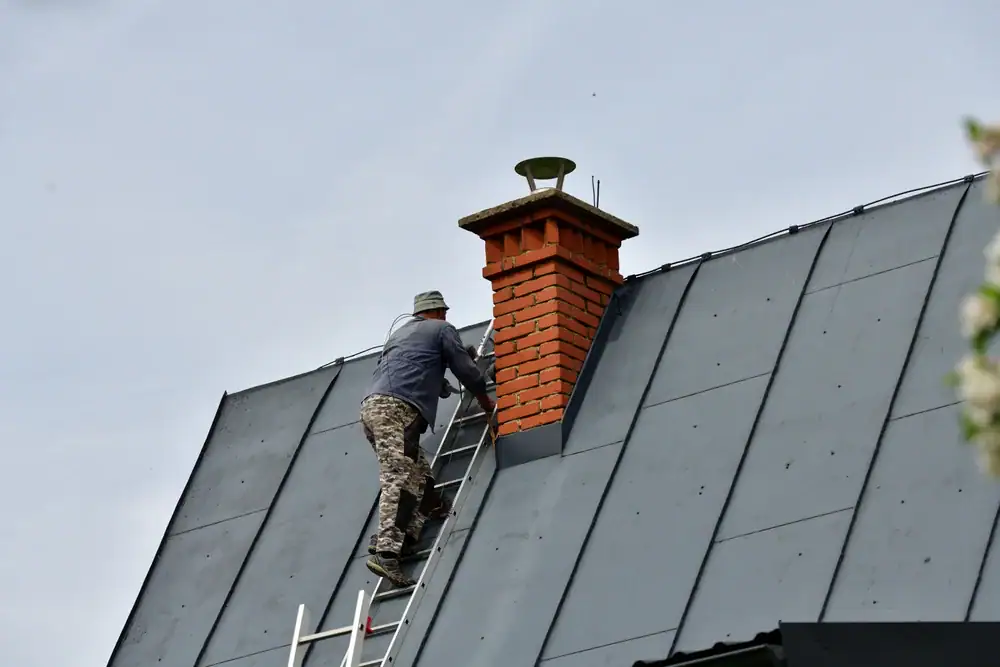
First, we inspect your chimney from top to bottom. Not a quick glance—a real inspection that finds problems before they become disasters. We check the crown, flashing, mortar joints, flue liner, and cap.
Then we explain what we found in plain English. No technical jargon, no scare tactics. Just the facts about what needs attention and what can wait.
The repair work itself depends on what your chimney needs. Maybe it’s repointing mortar joints that are letting water in. Maybe it’s replacing flashing that’s been leaking for months. Maybe it’s waterproofing that prevents future problems. We handle each job with the same attention to detail, whether it’s a minor crack repair or major masonry work.

Ready to get started?
Our chimney repair services cover everything that keeps your system working safely. Tuckpointing and masonry repair for structural integrity. Crown repair and replacement to prevent water infiltration. Flue repair to maintain proper ventilation.
Chimney cap replacement and installation to keep animals and weather out. Flashing repair that stops leaks at the roofline. Complete waterproofing that protects against Long Island’s moisture challenges.
In Smithtown’s climate, chimneys face unique stresses. The salt air from Long Island Sound accelerates corrosion. Winter freeze-thaw cycles open cracks that summer humidity makes worse. We use repair methods and materials specifically chosen for these conditions, not generic solutions that fail in two years.
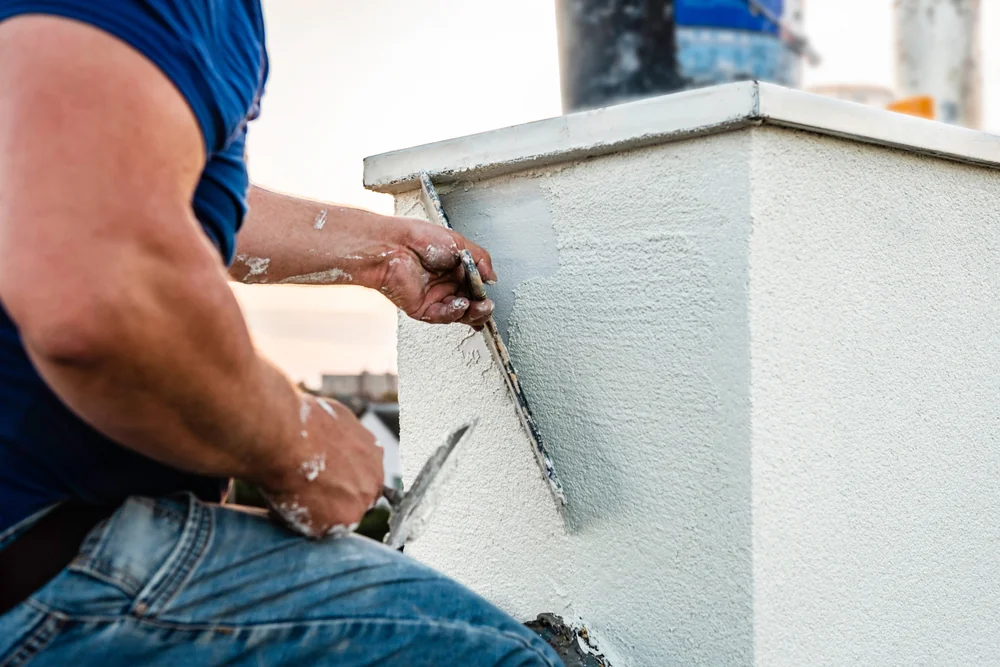
Cleaning removes soot and creosote buildup, but it won’t fix structural problems. If you’re seeing white staining on the outside of your chimney, that’s efflorescence—a sign that water is getting through the masonry. If there are cracks in the mortar joints, loose bricks, or rust stains around the flashing, you need repairs.
Water damage is the big one to watch for. If you notice dampness in the fireplace, water stains on nearby walls, or a musty smell when it rains, your chimney has a leak that cleaning won’t solve. These problems get worse fast in Long Island’s humid climate, so addressing them early saves money and prevents bigger issues.
The terms get used interchangeably, but they’re slightly different processes. Repointing means removing old, deteriorated mortar and replacing it with new mortar that matches the strength of your existing masonry. This is the most common repair we do.
Tuckpointing is more precise—it involves using two different colored mortars to create clean, sharp lines that make the repair look perfect. Most Smithtown homeowners need repointing to fix structural issues and stop water infiltration. The goal is restoring the weatherproof seal between bricks, not just making it look good.
Both processes require removing the old mortar to the right depth—usually about twice the height of the joint—and using mortar that’s compatible with your existing masonry. Using the wrong mortar mix can actually make problems worse.
Properly installed flashing should last 15-20 years, but Long Island’s coastal environment is tough on metal. Salt air accelerates corrosion, and the freeze-thaw cycles we get can loosen even well-installed flashing over time.
The key is using the right materials for our climate. Aluminum flashing corrodes quickly near the coast. We typically use copper or stainless steel, which handle salt air much better. The installation technique matters too—step flashing that’s properly integrated with your roof and chimney will outlast quick patch jobs.
If your flashing is less than 10 years old and already failing, it probably wasn’t installed correctly the first time. Poor installation is usually obvious during inspection—we can tell if corners were cut or if the wrong materials were used.
Waterproofing is essential for Long Island chimneys, but it’s not a one-size-fits-all solution. The masonry needs to breathe—completely sealing it can trap moisture inside and cause more damage than it prevents. We use breathable sealers that repel water while allowing vapor to escape.
How often depends on your chimney’s exposure and the quality of the previous waterproofing. Chimneys that face the prevailing weather typically need resealing every 5-7 years. If your chimney is in good structural condition, waterproofing can prevent most of the water damage that leads to expensive repairs.
But waterproofing won’t fix existing problems. If there are cracks in the crown, damaged flashing, or deteriorated mortar joints, those need to be repaired first. Sealing over existing damage just hides problems until they get worse.
Chimney crowns crack because they’re constantly exposed to weather extremes. In Long Island’s climate, the crown expands and contracts with temperature changes, and water that gets into small cracks freezes and widens them. Poor construction—like using regular concrete instead of proper crown mix—makes the problem worse.
Minor cracks can often be repaired with specialized crown sealers, but significant cracking usually means the crown needs to be rebuilt. A properly constructed crown has the right slope to shed water, adequate thickness for strength, and an overhang that protects the chimney walls.
We can tell during inspection whether repair or replacement makes more sense. If the crown is structurally sound with just surface cracking, repair is cost-effective. But if it’s crumbling or has major cracks that go all the way through, replacement is the only permanent solution.
A properly fitted chimney cap is your best defense against animals. The cap needs to have mesh screening that’s fine enough to keep out birds and squirrels but not so fine that it restricts airflow or gets clogged with debris.
If animals are already in there, they need to be removed safely before installing the cap. Nesting materials are highly flammable and can block proper ventilation. We often find birds, squirrels, and sometimes bats that have gotten in through damaged or missing caps.
The cap also needs to be secured properly—Long Island’s wind can tear off poorly installed caps, leaving your chimney vulnerable again. We use caps that are sized correctly for your flue and secured with methods that can handle our coastal weather conditions.
Other Services we provide in Smithtown