

Hear From Our Clients
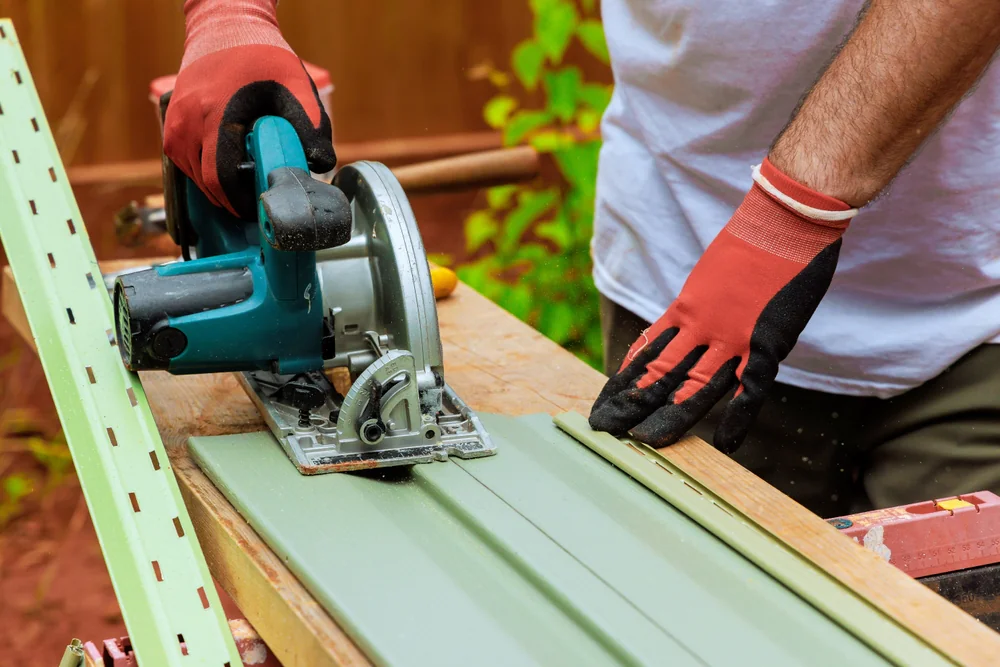
You’re not imagining it—your energy bills went up because water-soaked siding doesn’t insulate anymore. That crack from last winter’s nor’easter is now a pathway for moisture to rot your sheathing and studs. Every day you wait, the repair gets more expensive.
We stop the damage where it starts. When we repair your siding, we’re not slapping a patch over the problem. We’re pulling back the damaged section, checking what’s underneath, replacing any rotted material, and sealing it properly so water can’t find its way back in.
You get a home that looks better, costs less to heat and cool, and actually stands up to the salt air and storms that make Long Island beautiful but brutal on exteriors. No more worrying every time the forecast calls for high winds.
We’ve spent over a decade repairing siding damage across Suffolk County. We’re licensed, insured, and we show up when we say we will—which apparently makes us rare around here.
We know what coastal weather does to your home because we see it every day. Salt air eats through aluminum. Vinyl gets brittle in the cold and cracks. Wood siding soaks up moisture like a sponge when the flashing fails. We’ve fixed all of it, in every neighborhood from the harbor to Route 25A.
You’re not getting a crew that learned about Long Island weather from a manual. You’re getting contractors who’ve replaced panels after Hurricane Sandy, patched holes from falling branches during nor’easters, and matched 30-year-old cedar shake that’s been discontinued for a decade.
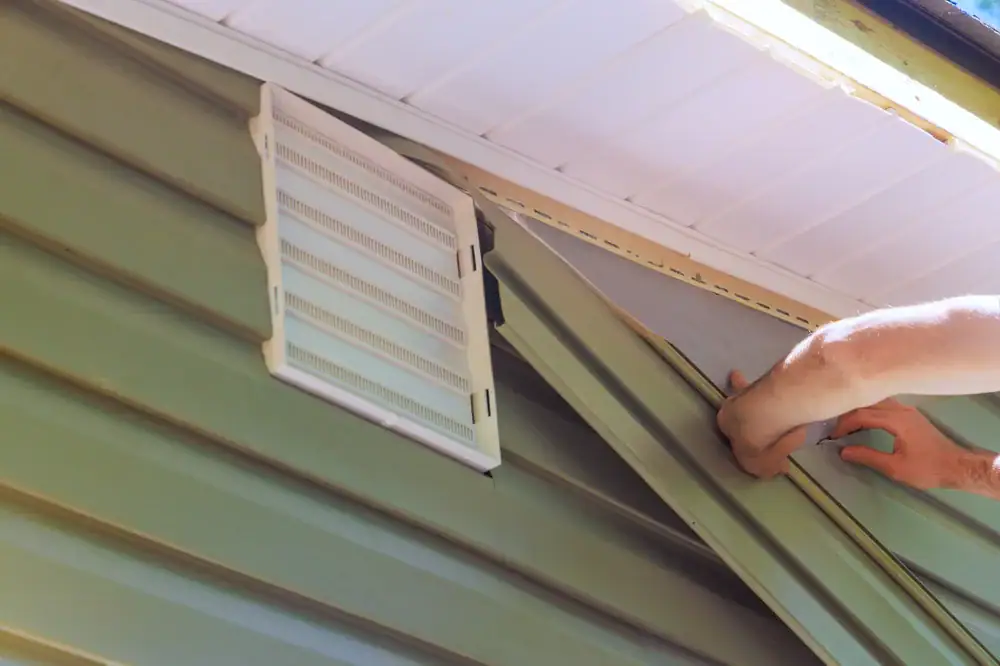
First, we come out and look at what’s damaged—not just the obvious stuff, but what’s happening behind it. Most siding problems start with water getting past the exterior layer, so we check the weather barrier, the flashing around windows and doors, and whether your sheathing is still solid.
Then we tell you exactly what needs to happen. If it’s a few cracked vinyl panels, we replace them and make sure they’re locked in properly so wind can’t get under them. If it’s wood siding that’s rotted, we cut out the bad sections, treat the framing if needed, and install new boards that match your existing profile. Aluminum siding that’s dented or corroded gets swapped out with material that fits your home’s style and color.
We handle fiber cement, composite, cedar shake—whatever’s on your house. The repair gets sealed, caulked, and painted if necessary so it blends in and performs like the rest of your exterior. You’re not left with a visible patch job that screams “this was fixed.”
The whole process usually takes a day for standard repairs. Storm damage that’s more extensive might take longer, but we move fast because we know every hour that siding is open, water is doing more damage.

Ready to get started?
You get contractors who know the difference between a quick fix and a real repair. We’re pulling permits when required, following Suffolk County building codes, and installing materials that are rated for coastal environments—not the cheap stuff that fails in three years.
Smithtown homes face specific challenges. You’re close enough to the water that salt air accelerates corrosion on metal siding and fasteners. You get hit with nor’easters that drive rain sideways into every seam and crack. Your temperature swings from summer heat to winter freezing cause expansion and contraction that loosen panels over time.
We account for all of it. Fasteners get upgraded to stainless steel or hot-dipped galvanized so they don’t rust out. Flashing gets installed properly so water runs down and away, not into your wall cavity. Caulking and sealants are rated for temperature extremes and UV exposure. If we’re replacing vinyl siding, we leave the right expansion gaps so panels don’t buckle when it’s 95 degrees in July.
You also get a warranty on the work. If something fails because we didn’t install it right, we come back and fix it. Most siding repairs we do are still performing fine five or ten years later because we did them correctly the first time.

Most homeowners in Smithtown spend between $900 and $5,000 for siding repairs, depending on how much damage there is and what material we’re working with. A few cracked vinyl panels might cost $900 to $1,500. Wood siding repairs that involve replacing rotted sections and repainting usually run $2,000 to $4,000. Aluminum siding repair falls somewhere in the middle.
If there’s water damage behind the siding, the cost goes up because we have to replace sheathing, weather barriers, and sometimes even framing. That’s why catching problems early saves you money—a $1,200 repair today beats a $8,000 repair next year when the rot spreads.
We give you an honest estimate after we see the damage. No surprise charges, no upselling you on work that doesn’t need to happen. You’ll know what it costs before we start.
Usually, yes—but it depends on what you have and how old it is. Vinyl siding is easier to match because manufacturers keep the same profiles and colors in production for decades. We bring samples and compare them to your existing siding to find the closest match.
Wood siding is trickier. If you have custom milling or an old profile that’s not made anymore, we sometimes have to get boards custom-cut to match. Cedar shake can be matched pretty well if we source the right grade and cut. Aluminum siding is hit or miss—if your color was discontinued, we might repaint the new section to blend it in.
The goal is always to make the repair invisible. Most of the time, once everything’s installed and the paint or finish is applied, you can’t tell where the old siding ends and the new begins. If we can’t get an exact match, we’ll tell you upfront and explain your options—whether that’s repainting a whole wall or choosing a complementary accent color.
Most siding repairs in Smithtown take one day. If we’re replacing a few damaged panels, fixing a crack, or patching a small section, we’re usually done in four to six hours. Larger repairs—like replacing an entire wall section after storm damage—might take two days.
The timeline depends on what we find when we open up the damaged area. If the water barrier is intact and the sheathing is solid, it’s straightforward. If we discover rot or mold behind the siding, we have to address that first, which adds time.
We also factor in weather. We’re not installing siding in pouring rain or when it’s below freezing, because adhesives and sealants won’t cure properly. If the forecast looks bad, we’ll tarp your house to keep water out and reschedule for a day when we can do the job right. You’d rather wait an extra day than have a repair that fails in six months.
Smithtown siding takes a beating from coastal weather. Salt air corrodes aluminum and rusts fasteners. Nor’easters drive rain into seams and cracks. Freeze-thaw cycles cause wood to expand and contract, which opens gaps where water gets in. Vinyl becomes brittle in cold weather and cracks when something hits it.
Storm damage is the most common reason we get called. High winds lift panels, branches punch holes, and flying debris dents or breaks siding. Once a panel is loose or cracked, water gets behind it and starts rotting the structure underneath.
You can prevent a lot of damage with regular maintenance. Walk around your house twice a year and look for loose panels, cracks, or gaps in the caulking. Trim trees back so branches aren’t rubbing against your siding. Clean your gutters so water isn’t overflowing and running down your walls. If you see damage, get it fixed fast—before that small problem turns into a big one.
Yes. When a storm rips panels off or punches a hole in your siding, water is getting into your walls right now. Every hour you wait, the damage spreads. We offer same-day emergency service for storm damage in Smithtown and across Suffolk County.
Call us and we’ll get someone out to assess the damage and tarp or temporarily seal the opening to stop water intrusion. Then we schedule the permanent repair as fast as possible—usually within a few days, depending on how many other homes got hit.
After major storms, everyone needs help at once, so there’s sometimes a short wait. But we prioritize homes with active leaks or structural exposure. If your siding is damaged but not letting water in yet, we’ll still get you on the schedule quickly. We’ve been through enough hurricanes and nor’easters to know how to triage repairs and keep your home protected while we work through the list.
If the damage is limited to one section and the rest of your siding is in good shape, repair makes sense. You’re spending $1,500 instead of $15,000, and your home is protected just as well. But if your siding is old, failing in multiple spots, or constantly needing repairs, replacement is the smarter move.
Here’s how to think about it: if your siding is more than 20 years old and you’re fixing something new every year, you’re throwing money at a losing battle. Siding that’s faded, warped, or showing rot in multiple areas isn’t going to last much longer. At that point, replacing it gives you better energy efficiency, eliminates the constant maintenance, and increases your home’s value.
We’ll tell you honestly which option makes sense for your situation. If a repair buys you another ten years, we’ll recommend that. If you’re six months away from needing a full replacement anyway, we’ll let you know so you can plan for it. We’re not here to sell you a new siding job when a repair will do the job—but we’re also not going to patch something that’s going to fail next winter.
Other Services we provide in Smithtown