
Hear From Our Clients
Most Ridge homeowners need annual chimney cleaning if they use their fireplace regularly during winter months, with the National Fire Protection Association recommending annual inspection and cleaning for all chimney systems. But cleaning isn’t enough when your chimney has structural problems.
You get a fireplace that draws smoke properly instead of filling your living room with fumes. No more wondering if that smell is normal or if water stains on your ceiling mean bigger problems. Suffolk County’s unpredictable coastal climate—from salt air and heavy rains to freeze-thaw cycles—can cause serious wear and tear on your chimney without proper maintenance.
When your chimney works correctly, you can enjoy cozy winter nights without stress. Your family stays safe from carbon monoxide and chimney fires, your home stays protected from water damage, and your heating bills stay reasonable because your fireplace actually helps warm the house instead of letting cold air pour down the flue.
We understand what Long Island’s freeze-thaw cycles, salty air, and heavy rains do to chimneys, with salt air and winter freezes eroding mortar faster in coastal areas. We’ve been fixing chimneys damaged by Ridge’s coastal climate for years.
Ridge homes deal with freeze-thaw cycles that can damage chimney masonry, making regular maintenance more important in the local climate. We see the same problems repeatedly: spalling bricks, deteriorated mortar joints, corroded flashing, and cracked crowns from temperature changes and salt air exposure.
You’re not getting generic advice from us. We know which materials hold up to Suffolk County weather and which repairs actually prevent future problems instead of just covering them up temporarily.
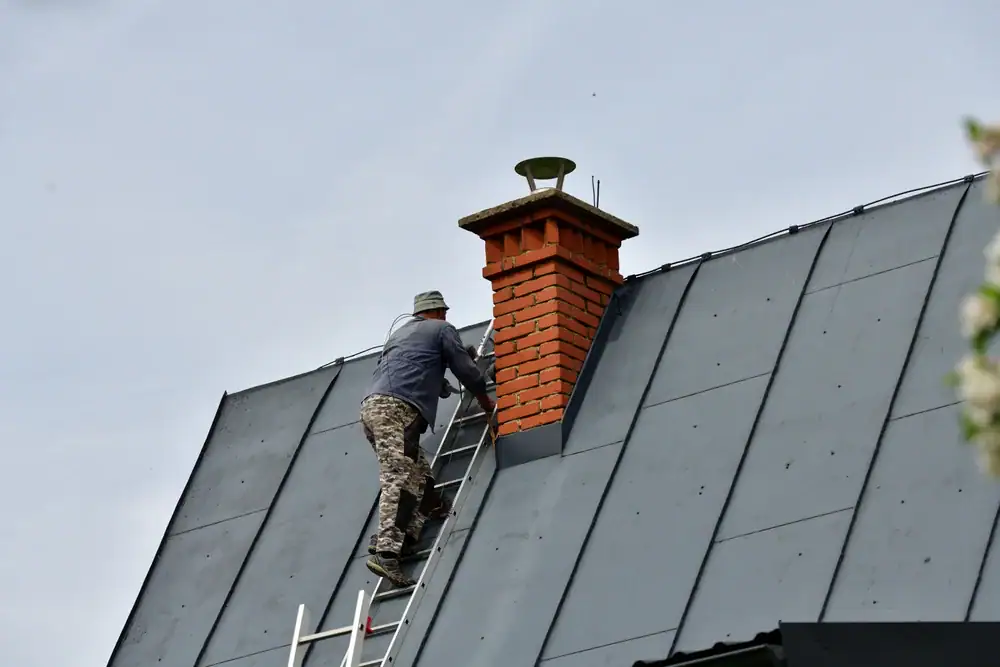
First, we inspect your entire chimney system—not just the obvious problem areas. We check the crown, flashing, mortar joints, and interior components to find everything that needs attention. You get photos and clear explanations of what’s broken and what it costs to fix.
The actual repair work starts with protecting your property and setting up properly. We remove damaged materials, rebuild with quality components designed for Long Island weather, and waterproof everything to prevent future problems, with progress visible as it happens and complete cleanup when we’re finished.
Quality chimney repairs should last 15-25 years when done properly with the right materials, with Long Island’s freeze-thaw cycles and salt air requiring appropriate mortar mixes and waterproofing for coastal climates. We use materials that actually work in Ridge’s climate, not whatever’s cheapest.

Ready to get started?
Ridge chimneys are susceptible to mortar deterioration, brickwork damage, and flue liner cracks due to continuous exposure to environmental elements. We handle the real problems: chimney crown repair, flashing replacement, tuckpointing, and waterproofing.
Water is an important reason for chimney repairs because the porous brick and mortar material used in chimneys absorbs water and begins to deteriorate. During bitterly cold winters on Long Island, the freeze and thaw cycle damages chimney structure as water inside brick or mortar expands and contracts in freezing temperatures, continuously weakening the materials.
Ridge homeowners deal with specific challenges other areas don’t face. Moisture from Nor’easters seeps into weakened mortar, causing bricks to chip or flake, common in coastal towns. We address these local issues with appropriate materials and techniques that prevent recurring problems.
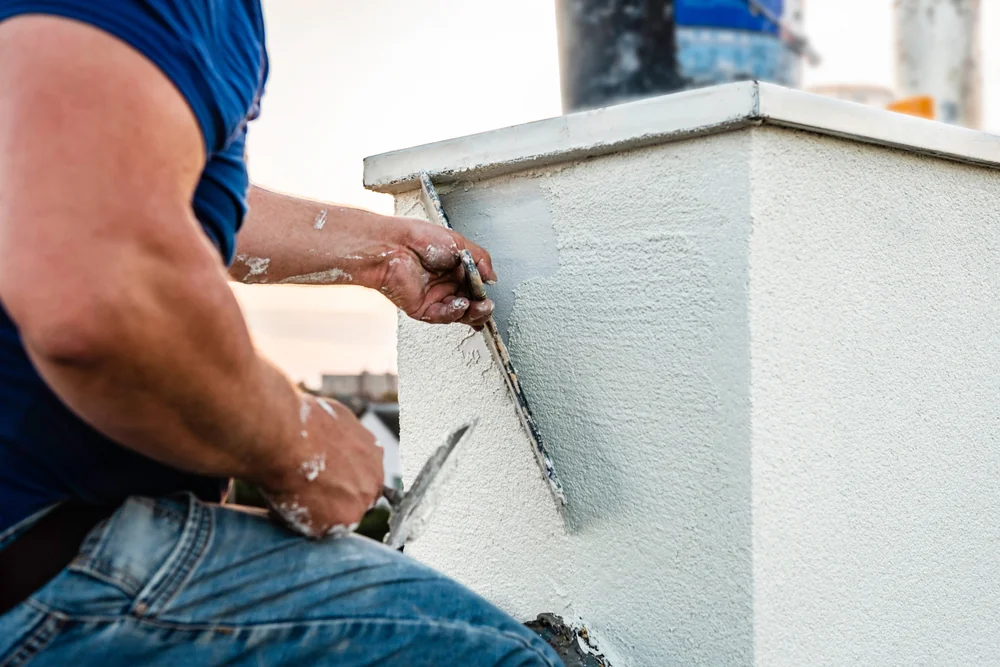
Chimney repairs range widely from $160 to $15,000 depending on the type and extent of repairs required, with chimney replacement averaging about $10,000. Simple repairs like minor tuckpointing or flashing adjustments cost less than major structural work or complete rebuilds.
Professional chimney cleaning in Ridge typically ranges from $150 to $300, depending on your chimney’s condition and accessibility, with basic cleaning for well-maintained chimneys costing less than cleaning heavily neglected systems. We provide upfront pricing before starting any work so you know exactly what you’re paying.
The key is catching problems early. Minor repairs cost hundreds, but ignoring them leads to thousands in damage when water gets into your home’s structure or the chimney deteriorates beyond simple fixes.
Suffolk County’s coastal weather brings unique challenges with salt-laden air and freezing winters taking a toll on masonry, chimney caps, and flue liners, potentially leading to structural damage, water leaks, and safety risks. Salt crystals carried by ocean breezes lodge in porous masonry, then expand and contract with temperature shifts, causing surface flaking, while salt air corrosion attacks mortar joints.
The freeze/thaw cycle speeds up deterioration of masonry materials through spalling, where water absorbed by bricks and mortar freezes and expands. As temperature drops below freezing, water in masonry materials freezes and expands, then thaws when temperature rises, causing bricks and mortar to break apart and crack repeatedly.
Ridge’s location exposes chimneys to both coastal salt air and inland temperature extremes. This combination creates more aggressive deterioration than areas that only deal with one of these factors.
White staining on your exterior chimney, strong odors from your fireplace, or smoke entering your room instead of going up the flue are clear indicators you need attention, along with animals or birds in your chimney, or rust on your damper or firebox. Ridge homeowners often notice these issues after winter weather, when debris and moisture have had time to create problems.
Look for obvious signs like loose or missing bricks, white staining on the exterior, water stains inside your home, or chunks of masonry in your yard, with less obvious indicators including fireplace smoke entering your room, musty odors, or rust on the damper and firebox. Water stains on walls or ceilings near the fireplace indicate leaks that need immediate attention.
Don’t wait until you smell something burning that shouldn’t be burning. These problems get worse quickly in Ridge’s climate, and early intervention prevents expensive damage to your home’s interior.
Quality chimney repairs should last 15-25 years when done properly with the right materials, though Long Island’s freeze-thaw cycles and salt air are tough on masonry, making appropriate mortar mixes and waterproofing crucial, while cheap repairs with wrong materials might fail in 3-5 years. The difference is using materials designed for coastal climates and proper preparation.
The key is proper preparation, quality materials designed for coastal climates, and thorough waterproofing after structural work is complete, with most homeowners finding that investing in proper repairs once beats dealing with recurring problems every few years. We use marine-grade materials and specialized mortars that handle salt air exposure.
Cheap repairs fail because they don’t account for Ridge’s specific challenges. When you use the right materials and techniques for Long Island conditions, repairs last decades instead of requiring constant maintenance.
No, don’t use your fireplace during active chimney repair work, as the repair process often involves opening up flue systems, removing damaged components, and temporarily compromising the chimney’s ability to safely vent smoke and gases, creating serious safety risks including carbon monoxide exposure and fire hazards.
The repair process requires access to internal chimney components and often involves removing or modifying parts of the venting system. Using the fireplace during this time could force dangerous gases into your home instead of safely venting them outside.
Most repair work takes 1-3 days depending on the scope. We work efficiently to minimize the time your fireplace is out of service, and we’ll let you know exactly when it’s safe to use again after completing all work and safety checks.
Chimney cleaning requires specialized knowledge and equipment that general handymen don’t typically have, with certified chimney sweeps understanding proper creosote removal techniques, identifying structural problems, and knowing current safety codes. Cleaning removes soot, creosote, and debris but doesn’t fix structural problems.
Repair work addresses the actual damage to your chimney’s structure: cracked crowns, deteriorated mortar, damaged flashing, or spalling bricks. Regular chimney maintenance, including chimney crown repair, flashing repair, and flue relining, is essential for safety and efficiency, as neglecting these repairs can lead to dangerous chimney fires, water damage, and costly structural issues.
You need both services, but they serve different purposes. Cleaning maintains a functioning chimney, while repair work fixes problems that cleaning can’t address. A clean chimney with structural damage is still unsafe to use.
Other Services we provide in Ridge