Hear From Our Clients
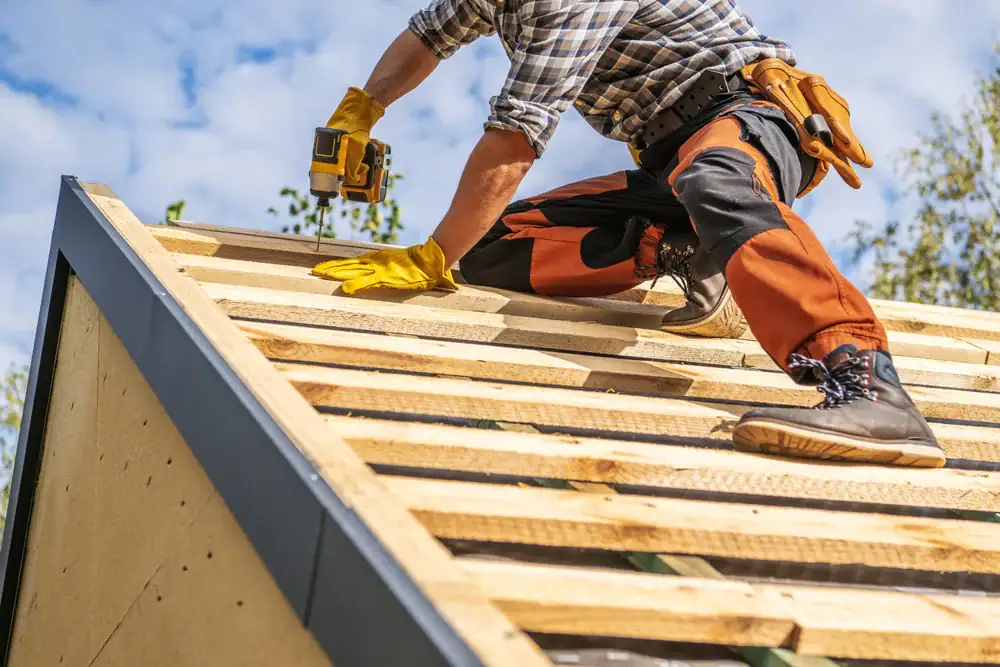
You’re tired of watching water stains spread across your ceiling every time it rains. You’ve dealt with contractors who promise to show up “next week” and then disappear for months. You need a roof that can handle nor’easters, summer storms, and the salt air that eats through everything on Long Island.
That’s what you get here. A roof installed by licensed professionals who’ve spent over a decade solving these exact problems in Suffolk County. We show up when we say we will, give you a clear estimate before any work starts, and install roofing systems designed specifically for the weather that hits Ridge hardest.
Your home stays dry through the next storm. You stop worrying about when the next leak will appear. And you finally have a contractor who treats your time and your property with the respect both deserve.
We’ve been handling roof installations across Suffolk County since 2002. We’re not a national chain that rotates crews through different states—we live here, work here, and understand exactly what Long Island weather does to roofs.
Our teams are fully licensed and insured. We’ve replaced roofs that failed after one bad nor’easter and repaired storm damage from hurricanes that insurance companies tried to deny. We know which materials hold up to coastal conditions and which ones fail within five years.
You’re working with people who’ve seen every roofing problem Ridge homeowners face. We’ve handled insurance claims, emergency repairs after major storms, and full replacements on homes built during the 2000s boom that are now hitting the end of their original roof’s lifespan.
First, we inspect your current roof and explain what needs to happen. You get a detailed estimate that covers materials, labor, timeline, and any potential issues we spot. No surprises halfway through the job.
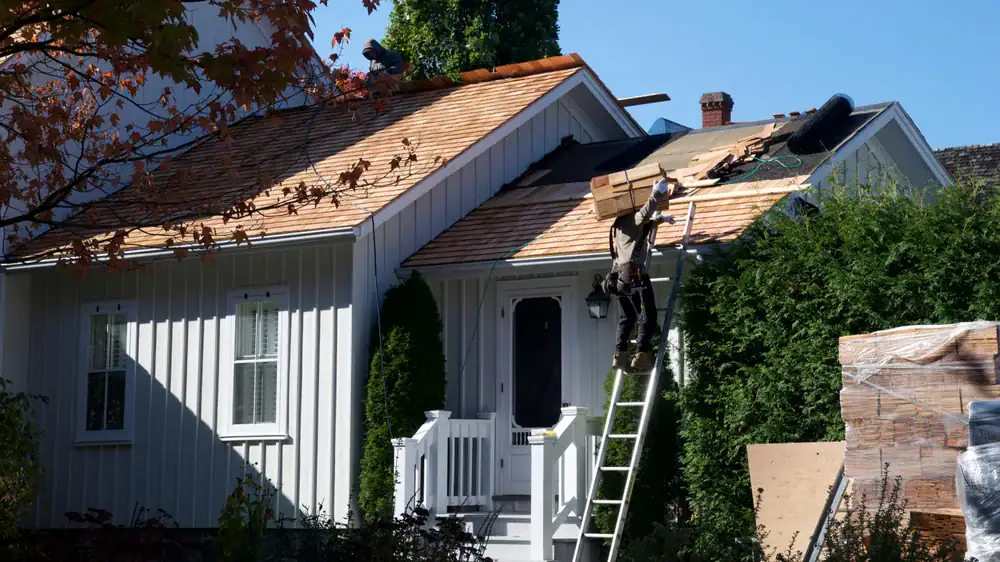
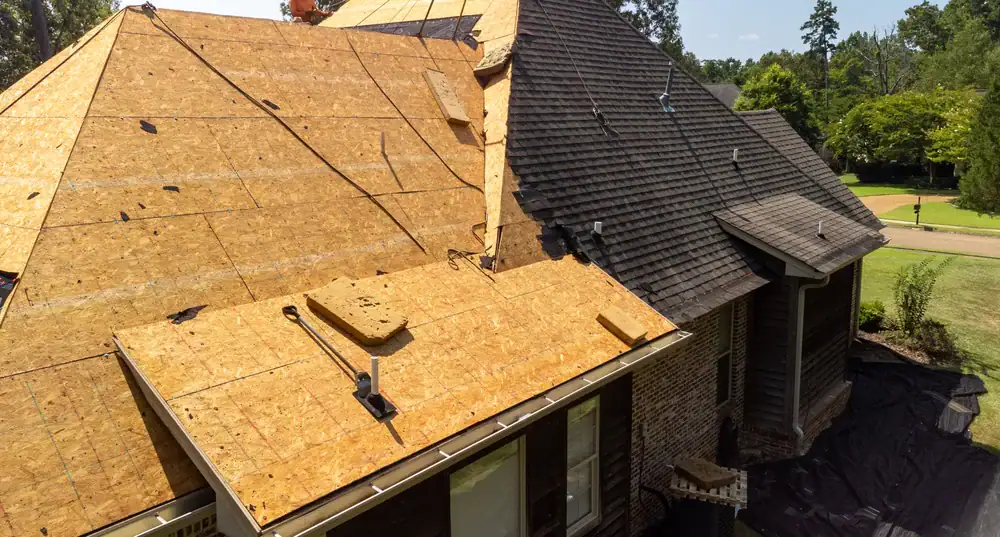
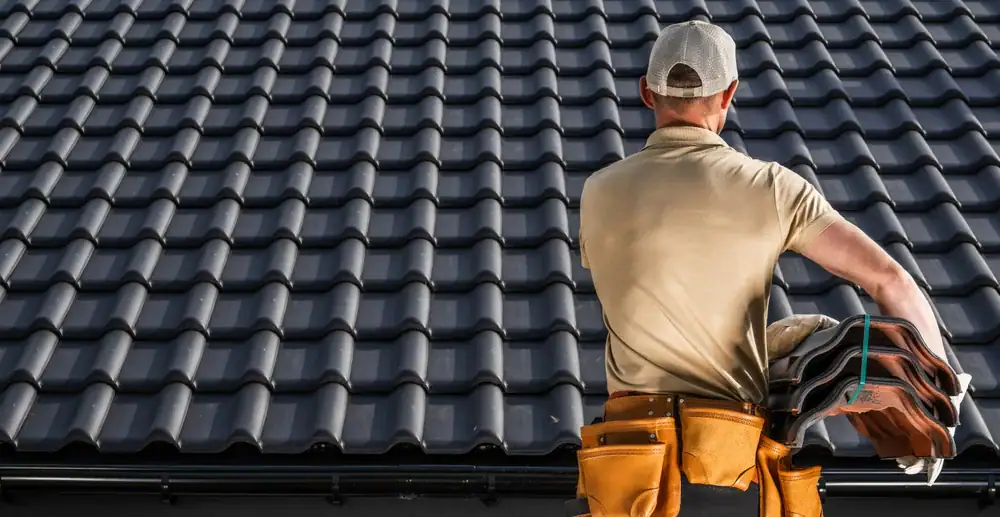
Once you approve the estimate, we schedule your installation and show up on the day we commit to. Our crews remove your old roofing materials, inspect the decking for damage from leaks or rot, and make any necessary repairs before installing your new roof. We use materials rated for Long Island’s climate—high winds, heavy rain, temperature swings, and salt air.
During installation, we protect your property, keep you updated on progress, and clean up completely when we’re done. You get photos of the completed work and a detailed summary of what we installed. If you’re filing an insurance claim for storm damage, we handle the documentation and work directly with your insurance company to move the process forward.
Ready to get started?
Your roof installation includes complete removal of old materials, inspection and repair of roof decking, installation of new underlayment, and your choice of asphalt shingles or metal roofing. We install ice and water barriers in vulnerable areas and ensure proper ventilation to prevent moisture buildup that leads to mold and rot.
For Ridge homeowners, we recommend impact-resistant shingles rated for high winds. Long Island sees regular storms with winds over 60 mph, and standard shingles often fail during nor’easters. Metal roofing is growing in popularity here because it handles coastal weather better than asphalt and lasts significantly longer—important when material costs have jumped over 40% since 2020.
We also coordinate with your insurance company if you’re filing a claim for storm damage. Wind damage accounts for 90% of hurricane claims in New York, and insurance companies have been cracking down on claims, causing more delays and denials. We document everything, provide detailed photos, and push back when insurers try to lowball legitimate damage.
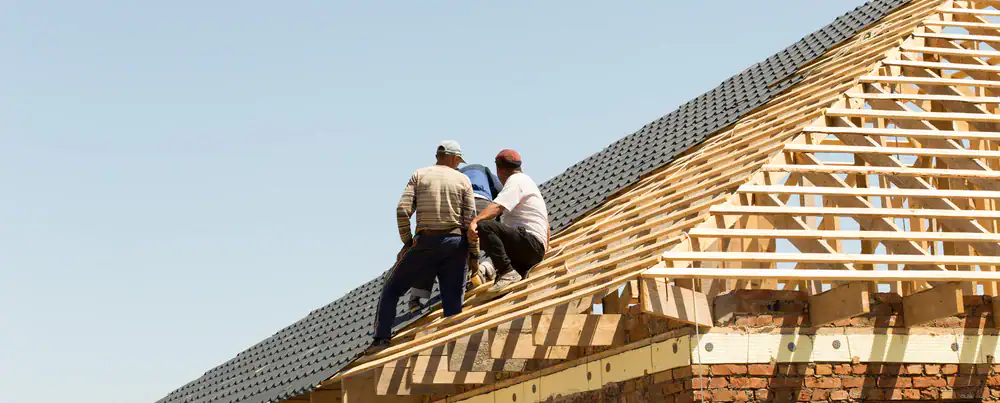
Most residential roof installations take two to four days depending on the size of your home, the complexity of your roof design, and weather conditions. A straightforward ranch-style home with minimal angles usually takes two days. Larger homes with multiple levels, chimneys, skylights, or complex roof lines take longer.
Weather delays happen frequently on Long Island. We don’t install roofing during heavy rain or high winds because it compromises the installation quality and creates safety risks. If a storm rolls in mid-project, we secure your roof with tarps and resume work as soon as conditions allow.
We give you a realistic timeline during the estimate and keep you updated if anything changes. You’ll know exactly when we’re starting, what to expect each day, and when we’ll finish.
Impact-resistant asphalt shingles rated for high winds are the most common choice for Ridge homeowners because they balance cost, durability, and storm protection. Look for shingles rated for winds of at least 110 mph—standard shingles often fail during nor’easters and hurricanes that regularly hit Suffolk County.
Metal roofing is becoming more popular here because it handles coastal weather extremely well. Salt air, high winds, and temperature swings don’t affect metal the way they degrade asphalt shingles. Metal roofs last 40-70 years compared to 15-25 for asphalt, and insurance companies sometimes offer discounts because metal roofing reduces claim risk.
The right choice depends on your budget, how long you plan to stay in your home, and whether you’re dealing with recurring storm damage. We walk through the pros and cons of each material based on your specific situation and roof design.
It depends on why your roof needs replacement and what your policy covers. Most Long Island homeowners insurance policies cover sudden storm damage from wind, hail, or falling trees. They don’t cover gradual wear and tear or roofs that have simply reached the end of their lifespan.
Wind damage accounts for 90% of hurricane claims in New York, and most standard policies include wind protection—but your deductible averages around $2,000. Some policies have separate wind deductibles that are higher than your standard deductible. You need to check your specific policy because coverage varies significantly between insurers.
Insurance companies have been cracking down on claims lately, leading to more delays and denials. We document all storm damage with detailed photos and reports, work directly with adjusters, and push back when legitimate damage gets denied. If you’re filing a claim, call us before you file so we can document everything properly from the start.
If your roof is under 15 years old and damage is limited to one section, repair usually makes sense. If you’re seeing leaks in multiple areas, your roof is over 20 years old, or you’ve had repeated repairs that keep failing, replacement is the better investment.
Many Ridge homes built during the 2000s housing boom are hitting the 20-25 year mark where asphalt shingles reach the end of their expected lifespan. You might not see obvious damage yet, but the shingles are deteriorating and the next major storm will likely cause leaks. Replacing before emergency situations happen saves you from water damage to your home’s interior.
During our inspection, we check for missing or curling shingles, granule loss, damaged flashing around chimneys and vents, and signs of water infiltration in your attic. We’ll tell you honestly whether repair will hold or if you’re throwing money at a roof that needs replacement anyway.
A roofer typically refers to the workers who physically install roofing materials. A roofing contractor is the licensed business entity that manages the entire project—estimating, permitting, material sourcing, crew management, and warranty support.
When you hire a licensed roofing contractor like us, you’re getting a business that’s properly insured, pulls necessary permits, and stands behind the work long-term. If something goes wrong five years from now, we’re still here to address it. If you hire individual roofers working under the table, you have no recourse if the work fails or someone gets injured on your property.
New York requires contractors to be licensed and insured for good reason. You’re protected if accidents happen, you have legal recourse if work isn’t completed properly, and you’re working with professionals who follow building codes and manufacturer installation requirements that protect your warranty coverage.
Yes, but it depends on the specific weather conditions and the type of roofing material. Asphalt shingles require temperatures above 40°F for proper installation because the adhesive strips need warmth to seal correctly. Metal roofing can be installed in colder temperatures because it doesn’t rely on heat-activated adhesives.
Winter roof installations on Long Island are tricky because temperatures fluctuate and storms roll in with little warning. We don’t install during snow, ice, or when high winds create safety risks. If your roof is damaged and leaking during winter, we can do emergency repairs to stop water infiltration and schedule full replacement when conditions improve.
The best time for roof installation in Ridge is late spring through early fall when weather is more predictable. But if you’re dealing with storm damage or a failing roof that can’t wait, we’ll work with the weather windows available and make sure the installation is done correctly regardless of season.
Other Services we provide in Ridge