
Hear From Our Clients
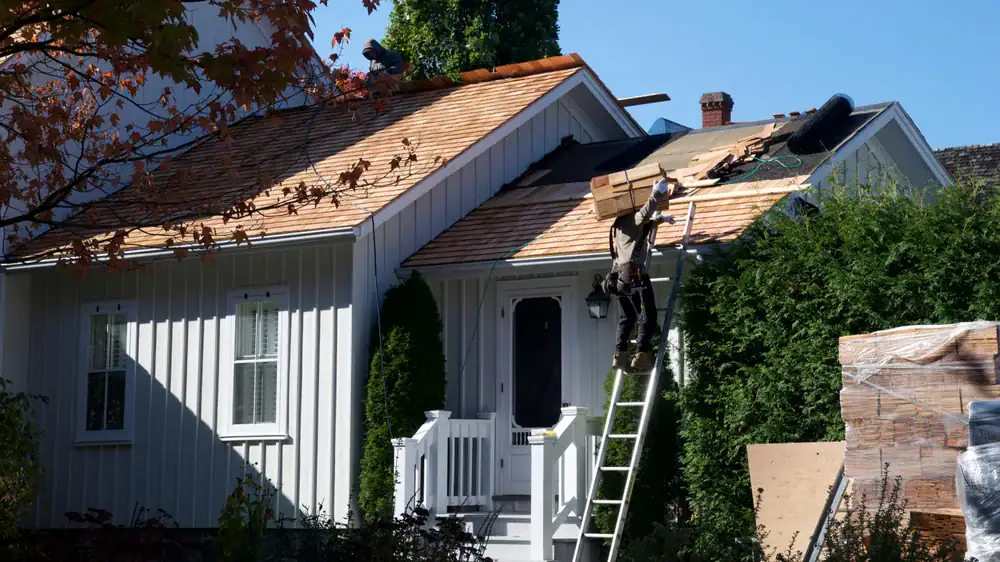
You’re not replacing your roof because you want to. You’re doing it because that small leak turned into stained ceilings, or because the last storm finally did what you knew it would. Maybe your insurance adjuster pointed at missing shingles and you realized you’ve been putting this off too long.
Here’s what changes after a proper roof installation. You stop worrying every time the forecast shows thunderstorms. You’re not climbing into the attic with a flashlight looking for new water stains. Your energy bills drop because your home isn’t bleeding heat through damaged shingles and compromised underlayment.
The work gets done in days, not weeks. Our crew shows up when we say we will. You get materials rated for Long Island’s coastal climate—the salt air, the nor’easters, the ice dams that form when temperatures swing. And when the next hurricane warning comes through, you’re not one of the homeowners scrambling for emergency tarps.
Home Team Construction works with homeowners who’ve dealt with contractors that don’t return calls, quotes that balloon after work starts, and jobs that drag on for months. We built this business by doing the opposite.
Our roofers show up on time. We give you a clear estimate before we start, and that’s what you pay. No surprise charges for “unforeseen issues” that any experienced contractor should have spotted during the inspection.
We’re licensed, insured, and we’ve handled everything West Hills throws at roofs—from hurricane damage to ice dam prevention. You’re working with people who understand Suffolk County weather and the specific challenges your home faces. When we say we’ll be there Tuesday morning, we’re there Tuesday morning.
We start with an inspection of your current roof. Not a five-minute glance from the driveway—an actual assessment where we check for structural issues, measure for materials, and identify problems you might not see from the ground. You get a written estimate that breaks down materials, labor, and timeline. No vague line items.
Once you approve, we order materials specifically rated for coastal Long Island conditions. Architectural asphalt shingles that handle temperature swings and resist wind damage from coastal storms, or metal roofing if that fits your home better. We schedule the work and give you an actual start date.
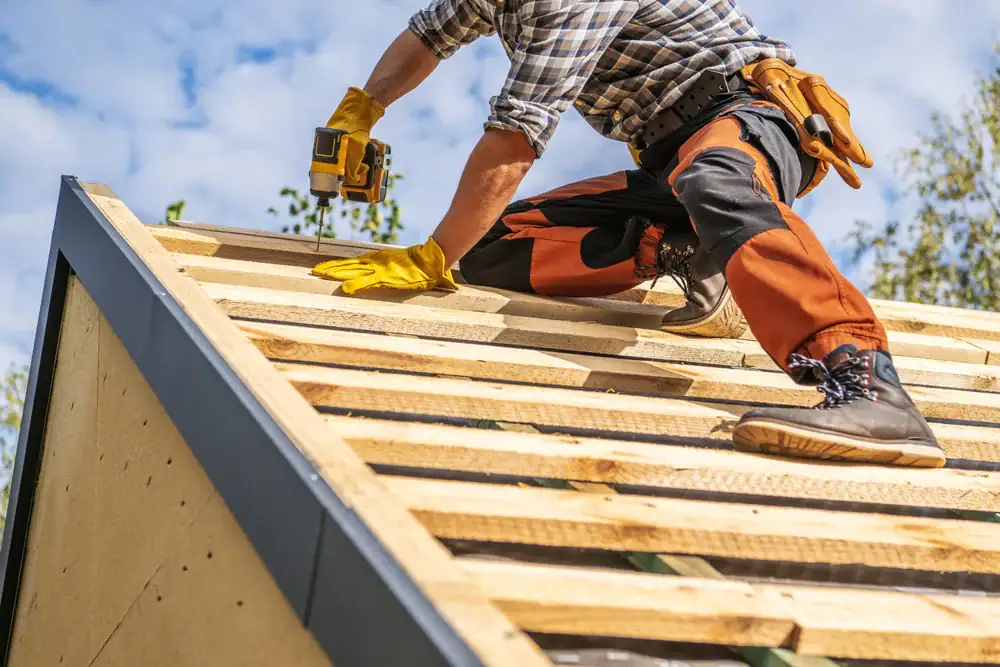
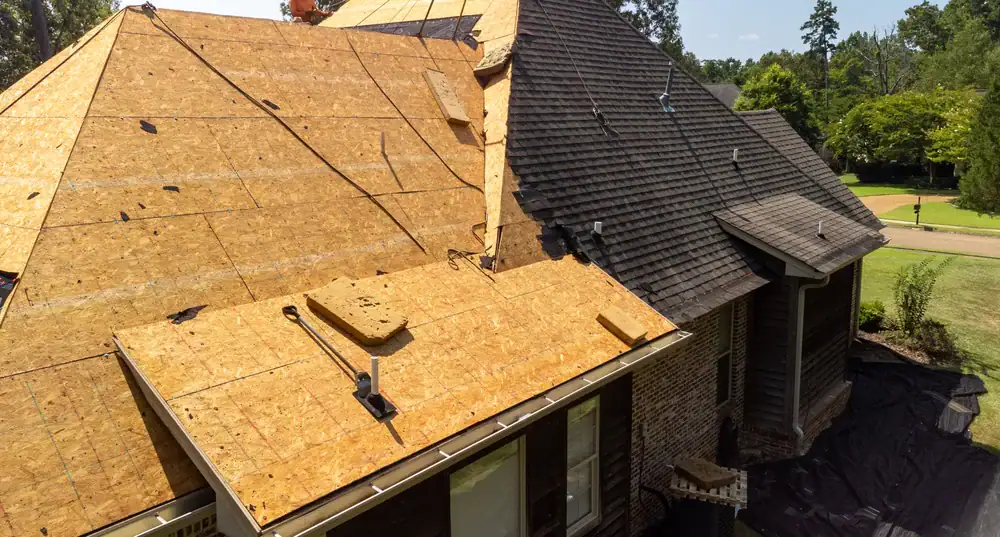
During installation, we protect your property with tarps and careful material staging. The old roof comes off, we inspect and repair the decking if needed, then install new underlayment, drip edge, and shingles. We’re talking about proper ventilation, ice and water shield in valleys, and flashing that actually keeps water out.
Cleanup happens the same day. We run magnets through your yard and driveway because nobody wants roofing nails in their tires. You get documentation for your insurance company and warranty information for your materials. The whole process typically takes a few days, depending on your roof size and weather.
Ready to get started?
Your roof installation includes complete tear-off of existing materials down to the decking. We inspect the wood sheathing and replace any sections damaged by water or rot. This matters in West Hills because moisture problems hide under old shingles, and skipping this step means your new roof sits on a compromised foundation.
You get high-grade underlayment and ice-and-water shield in critical areas—valleys, eaves, and around penetrations. These barriers stop water that gets past shingles, which happens in coastal areas where wind-driven rain comes at angles regular shingles weren’t designed to handle. We install proper drip edge and ventilation because Long Island’s humidity will destroy a roof from the inside if air can’t move.
The shingles themselves are rated for high winds. We’re using architectural-grade materials from manufacturers like GAF, installed to specifications that matter when storms hit. That means proper nail placement, correct overlap, and starter strips that actually stay attached.
Gutter installation or repair happens as part of the job if your system needs it. Water has to go somewhere, and gutters that dump against your foundation defeat the purpose of a good roof. We also handle flashing around chimneys, skylights, and any roof penetrations—these are the spots where most leaks start.
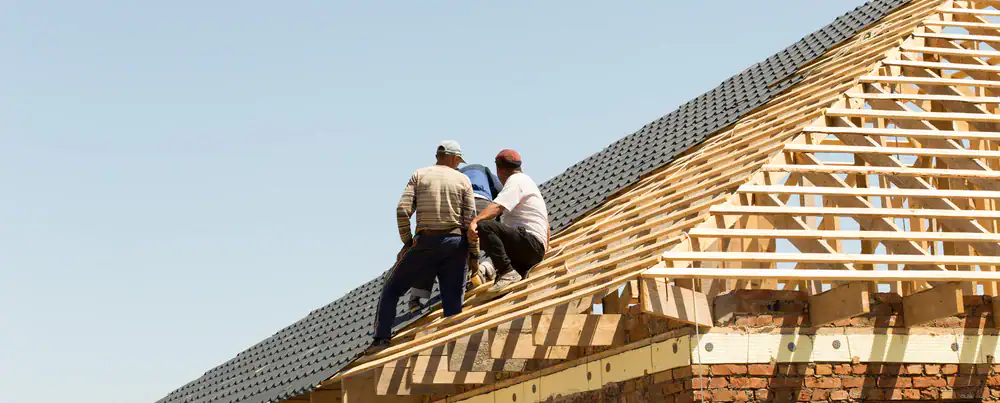
Most residential roof replacements take two to four days from tear-off to final cleanup. Weather is the variable you can’t control—we don’t install shingles in rain or high winds because the adhesive won’t seal properly and you’ll have problems within months.
Size matters. A 1,500 square foot ranch goes faster than a 3,000 square foot colonial with multiple valleys and dormers. Complexity adds time. If we find rotted decking that needs replacement, that’s additional work that has to happen before new shingles go on.
We’ll give you a realistic timeline during the estimate. If we say three days and weather cooperates, it’s three days. We don’t stretch jobs to fill the schedule or leave your roof half-done for a week while we bounce to other projects.
Architectural asphalt shingles handle West Hills conditions well. They’re rated for wind resistance up to 130 mph when installed correctly, they manage temperature fluctuations better than three-tab shingles, and they last 25-30 years in coastal climates. Brands like GAF Timberline have proven track records here.
Metal roofing is another option that’s gaining ground in Suffolk County. It sheds snow and ice better, resists salt air corrosion, and typically lasts 40-50 years. The upfront cost is higher, but you’re looking at potentially the last roof you’ll ever install. It’s also lighter than asphalt, which matters if your home’s framing is older.
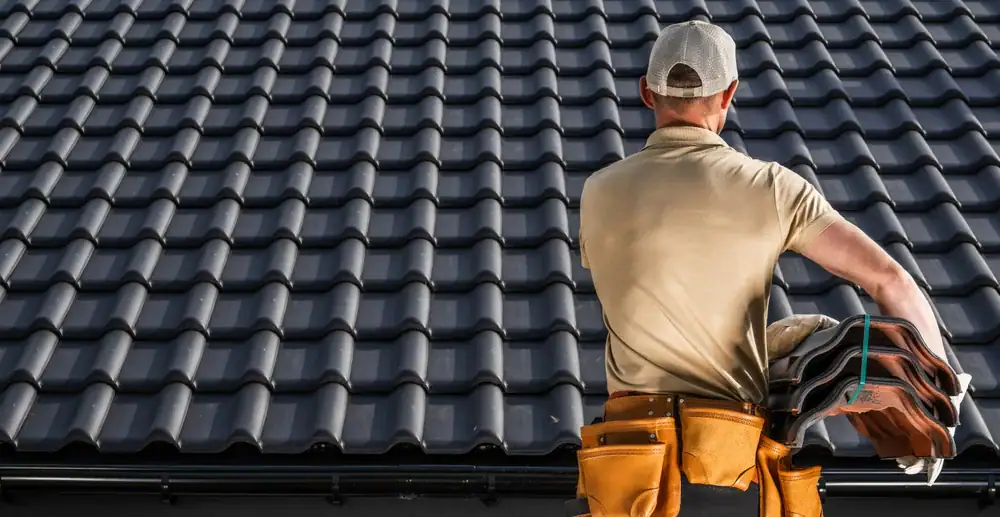
Slate and tile look great but they’re heavy and expensive. Most West Hills homes aren’t engineered for that weight without structural reinforcement. We’ll tell you honestly if your home can handle it, but for most residential applications, quality architectural shingles give you the best balance of performance, cost, and longevity.
Insurance covers sudden, accidental damage—storm damage, fallen trees, hail impact. They don’t cover wear and tear or damage from deferred maintenance. If your roof is 20 years old and just worn out, that’s on you. If a nor’easter rips off shingles or a tree branch punches through during a storm, that’s typically covered.
Documentation matters. Take photos immediately after damage occurs. Get the damage assessed and file your claim promptly—waiting months weakens your case. Your adjuster will inspect and determine what’s covered. Sometimes they’ll approve a full replacement, sometimes just repairs to the damaged section.
We can work with your insurance company and provide documentation they need. We’ve done this enough times to know what adjusters look for. But understand that insurance companies will try to minimize payouts. You might need to push back if their assessment doesn’t match the actual damage. We’ll give you an honest evaluation of what needs to be done versus what they’re willing to cover.
Age is the first indicator. Asphalt shingles last 20-25 years in Long Island’s climate. If your roof is approaching that age and you’re seeing problems, replacement makes more sense than patching. You’re just delaying the inevitable and potentially causing more damage by waiting.
Multiple leaks in different areas usually mean the whole system is failing. One leak from damaged flashing around a chimney—that’s a repair. Water coming in from three different spots because the shingles are curling and the underlayment is shot—that’s replacement territory.
Look at your shingles from the ground. If you see widespread curling, missing granules leaving dark patches, or shingles that look wavy and uneven, the roof is telling you it’s done. Check your gutters after rain—if they’re full of granules, your shingles are breaking down. One damaged section from a fallen branch gets repaired. Systemic failure across the whole roof gets replaced.
License and insurance aren’t optional—they’re baseline requirements. Any roofer working on your home should carry liability insurance and workers’ comp. If someone gets hurt on your property and the contractor isn’t insured, you’re liable. Ask to see the certificate of insurance before work starts.
References matter more than advertising. Talk to people who’ve used us. Not just the three cherry-picked testimonials on our website—actual homeowners in West Hills who can tell you if our crew showed up on time, if the estimate matched the final bill, and if there were any callbacks for leaks after installation.
Clear contracts protect both of us. The estimate should specify materials by brand and grade, include a timeline, detail what’s covered and what’s not, and explain the payment schedule. If a contractor wants full payment upfront or won’t put the estimate in writing, walk away. GAF Master Elite certification is worth something—only a small percentage of contractors qualify, and it means they’ve met specific training and quality standards.
A properly installed roof shouldn’t leak. If it does, we need to fix it immediately at no cost to you. This is why warranty terms matter—both the manufacturer’s material warranty and our workmanship warranty.
Most quality shingles come with 25-50 year material warranties. But that only covers defective shingles, not installation errors. The workmanship warranty covers labor and installation mistakes—flashing installed incorrectly, improper nail placement, missed underlayment. Make sure you understand what’s covered and for how long before signing anything.
If you notice a leak, document it with photos and contact us right away. A reputable company will come out quickly to assess and repair. If a contractor is unresponsive or refuses to honor the warranty, you have the contract and their insurance information. This is why working with established, licensed contractors matters—fly-by-night operations disappear, leaving you with no recourse when problems surface.
Other Services we provide in West Hills