Hear From Our Clients
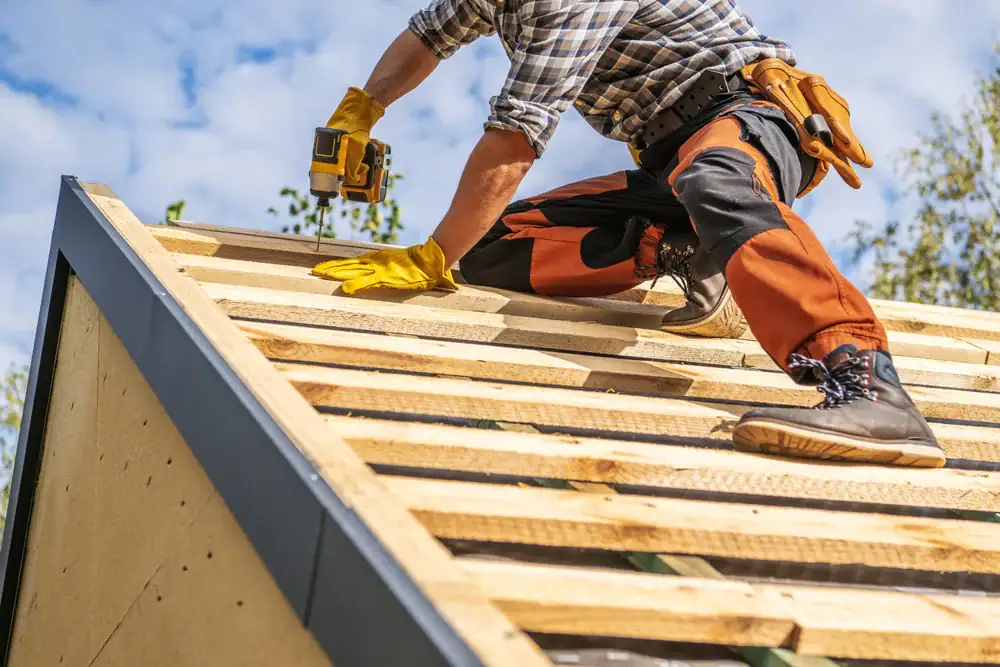
You know that knot in your stomach when the forecast calls for heavy rain? That’s gone. A properly installed roof means you stop wondering if this storm will be the one that finally floods your bedroom or ruins your ceiling.
You get materials rated for 110+ mph winds. Shingles engineered for the temperature swings that crack cheaper products. Installation techniques that account for Long Island’s coastal conditions—not some generic approach copied from a manual.
The difference shows up during the next nor’easter. While your neighbors scramble for tarps and buckets, you’re dry. Your home value stays protected. Your insurance rates don’t spike from repeated claims. That’s what a real roof installation does—it removes the problem entirely, not just patches it until next season.
We operate out of Brookhaven. We’re licensed, insured, and we’ve spent over a decade fixing what storms do to Long Island homes. That means we’ve seen what happens when roofs aren’t installed correctly—the slow leaks that rot out attics, the wind damage that starts at one loose shingle and spreads across half the roof.
We’re not the cheapest option in Farmingville, and that’s intentional. You’re paying for materials that match the climate, crews who know the difference between coastal and inland installation requirements, and a track record you can verify with neighbors who’ve used us.
Our work gets tested every winter by nor’easters and every summer by heat that bakes shingles until they curl. The roofs hold up because we install them right the first time.
You call or submit a request. We schedule an inspection—usually within a few days unless it’s storm season and we’re handling emergency repairs. During the inspection, we measure your roof, check for underlying damage, and identify any structural issues that need addressing before new shingles go on.
You get a fixed-price estimate. No range. No “depends on what we find” unless we genuinely find something during tear-off that wasn’t visible from outside. The estimate breaks down materials, labor, timeline, and what we’re protecting during the job (landscaping, driveway, anything near the work zone).
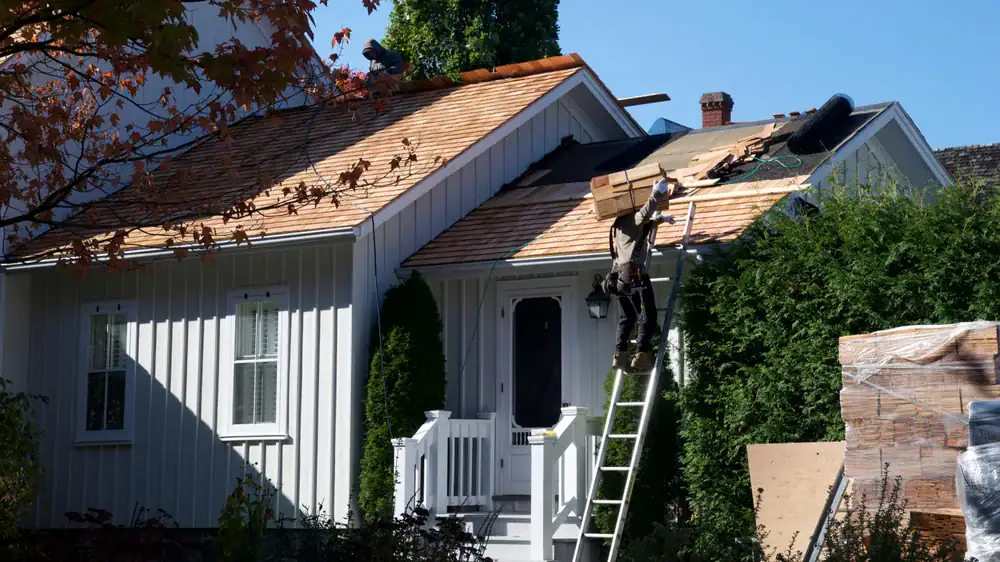
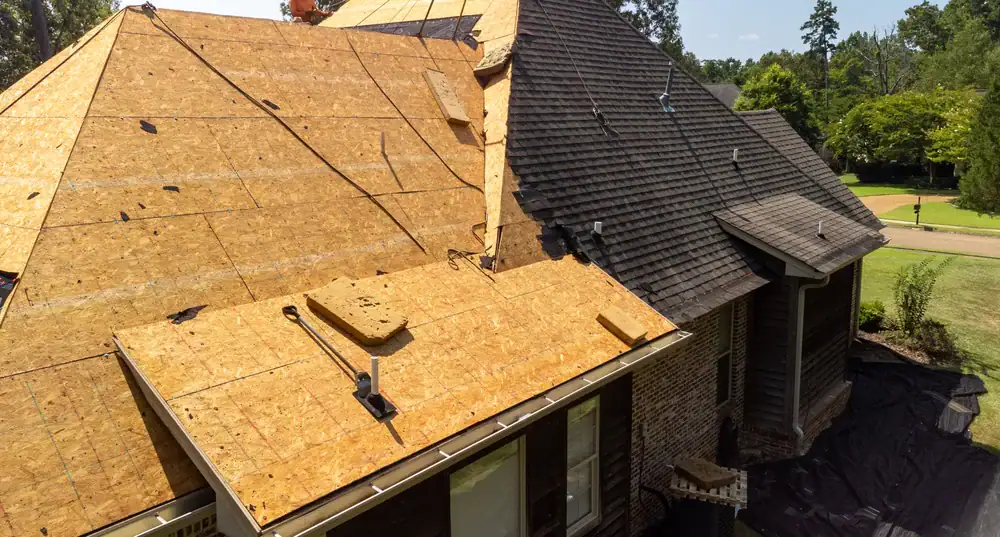
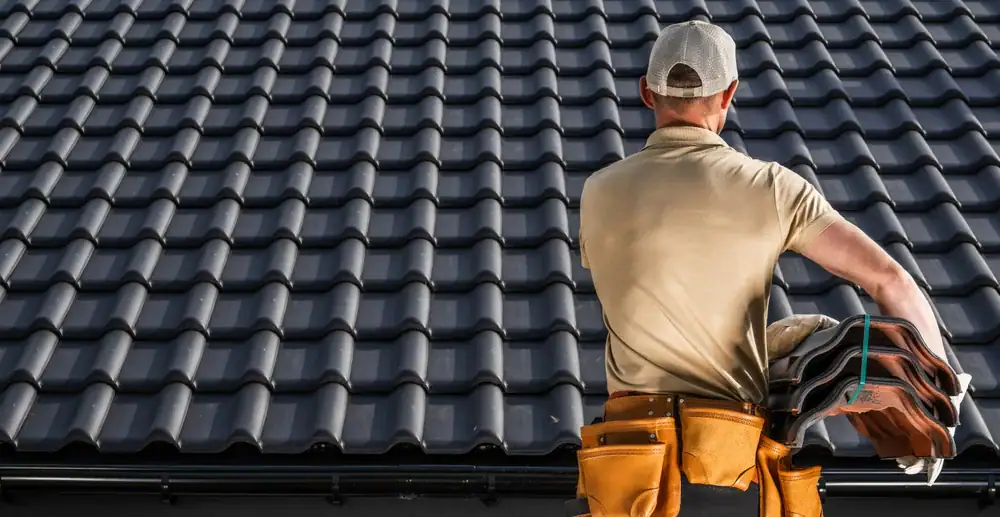
Installation day starts with protecting your property. Tarps go down. Magnetic rollers get prepped for nail cleanup. Old shingles come off, decking gets inspected and repaired where needed, then new underlayment and shingles go on using the fastening patterns required for high-wind zones. We’re not rushing to the next job—we’re making sure this one passes inspection.
You get photo updates if you want them. Daily cleanup happens whether you’re home or not. The job’s done when we’ve walked the property twice for debris and you’ve seen the completed work yourself.
Ready to get started?
You’re getting impact-resistant shingles rated for the wind speeds Farmingville actually experiences—not the minimum code requirement, but materials that hold up when January gusts hit 40+ mph. We use GAF Timberline and similar products proven on Long Island roofs.
The installation includes complete tear-off of old materials, inspection and repair of roof decking, ice and water shield in vulnerable areas, proper ventilation to prevent heat and moisture buildup, and ridge vents that actually move air. If your attic’s been cooking in summer or growing mold in winter, ventilation fixes that.
Gutter integration matters here. We’re coordinating with your existing gutter system or installing new gutters if the old ones are failing. When gutters don’t channel water correctly, it backs up under shingles or pours onto your foundation. Both problems cost more than the gutters themselves.
Cleanup is part of the service, not an extra. Magnetic sweeps of your driveway and lawn, hauling of all debris, and a final walkthrough before we consider the job complete. You shouldn’t find nails in your yard three months later.
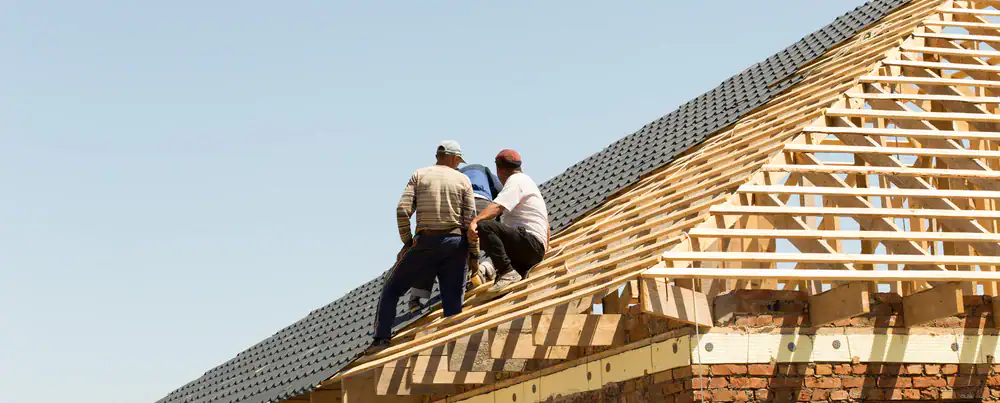
Most residential roof installations in Farmingville take two to four days depending on roof size, complexity, and weather. A straightforward ranch with easy access might be done in two days. A two-story colonial with multiple valleys, skylights, or chimney flashing takes longer.
Weather delays happen. We don’t install during rain or when high winds make it unsafe. If the forecast shows storms midweek, we’ll either wait to start or pause and tarp your roof until conditions improve. Rushing through installation in bad weather causes more problems than the delay.
If we find rotted decking during tear-off, that adds time. We can’t shingle over compromised wood—it won’t hold fasteners and it’ll fail during the next storm. Most homes in Farmingville don’t have major decking issues, but older roofs that leaked for years sometimes do.
Asphalt shingles rated for high winds are the most common choice in Farmingville because they balance cost, durability, and performance in coastal conditions. Look for shingles rated to 110-130 mph winds—standard three-tab shingles don’t hold up as well when nor’easters roll through.
Metal roofing is gaining ground in Suffolk County, especially after homeowners see storm damage in their neighborhood. Metal handles wind better than any shingle, doesn’t absorb water, and lasts 40+ years with minimal maintenance. The upfront cost is higher, but you’re done replacing your roof.
Slate and tile work but they’re heavy and expensive. Most Farmingville homes aren’t framed for the weight without reinforcement. If you’re set on slate, expect structural work before installation. For most homeowners, architectural shingles or metal give you the performance you need without the cost or complexity of traditional materials.
Yes. Roof replacement in Farmingville requires a building permit from the Town of Brookhaven. Any licensed roofing contractor handles this as part of the job—you shouldn’t be pulling permits yourself.
The permit process involves submitting plans, paying the permit fee, and scheduling inspections during and after installation. Inspectors check that decking is sound, underlayment is installed correctly, and shingles meet wind rating requirements for the area. This protects you from substandard work.
Skipping permits is a red flag. If a roofer offers a “discount for no permit,” they’re either unlicensed or planning to cut corners you won’t see until the roof fails. Permitted work also matters for insurance claims and resale—buyers and insurers both ask for permit records during transactions.
Roof installation in Farmingville typically runs between eight thousand and twenty thousand dollars depending on size, material choice, and roof complexity. A simple ranch with asphalt shingles lands on the lower end. A larger two-story home with metal roofing or multiple roof planes costs more.
That range includes tear-off, disposal, new underlayment, shingles or metal panels, flashing, ventilation, and labor. It doesn’t include structural repairs if we find rotted decking or framing issues—those get quoted separately because we can’t see them until the old roof comes off.
Cheapest isn’t best here. Roofs installed for significantly less than market rate usually mean unlicensed crews, substandard materials, or shortcuts that void manufacturer warranties. You’re better off financing a proper installation than paying cash for work that fails in five years. Most reputable roofers in Suffolk County are within a few thousand dollars of each other for comparable work.
Insurance covers roof replacement if the damage resulted from a covered event—usually wind, hail, or falling trees. Normal wear and aging aren’t covered. If your roof is 20 years old and just worn out, you’re paying out of pocket.
After a storm, document everything before repairs. Take photos of damaged shingles, leaks, and any interior damage. Call your insurance company and file a claim before authorizing emergency repairs beyond temporary tarping. Insurance adjusters need to see the damage to approve the claim.
Deductibles for roof claims in New York have increased. Many policies now carry percentage-based wind and hail deductibles instead of flat amounts—sometimes two percent of your home’s insured value. On a five hundred thousand dollar policy, that’s a ten thousand dollar deductible. Read your policy or call your agent before assuming insurance will cover the full replacement cost.
Roof repair makes sense when damage is localized—a few missing shingles after a storm, flashing that’s pulled loose, or a small leak around a chimney. Repairs buy you time if the rest of the roof is in decent shape and you’re not ready for the expense of replacement.
Full replacement is necessary when the roof is near the end of its lifespan, when leaks are widespread, or when you’re seeing curling, cracking, or granule loss across large sections. Patching a failing roof just delays the inevitable and often costs more in the long run than replacing it when you first notice problems.
Age is the clearest indicator. Asphalt shingle roofs in Farmingville last 15-25 years depending on quality and maintenance. If yours is approaching 20 years and you’re starting to see issues, replacement is the smarter move. We’d rather replace your roof once than repair it four times—and we’ll tell you honestly when repairs are throwing money away.
Other Services we provide in Farmingville