
Hear From Our Clients
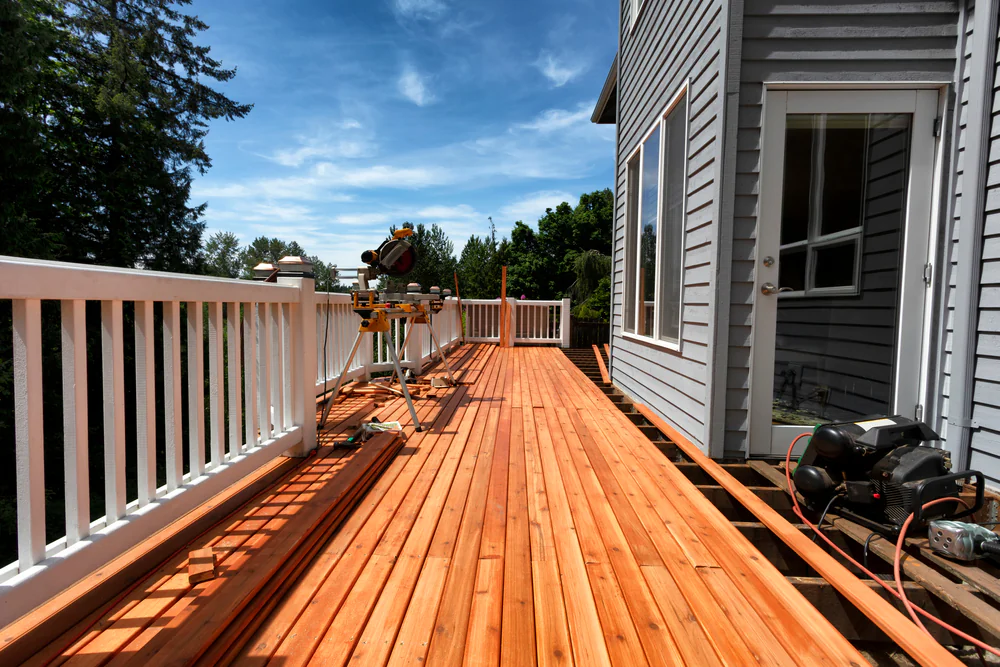
You shouldn’t have to warn guests about loose boards or tell your kids to avoid certain spots. A properly repaired deck means you stop second-guessing whether it’s safe and start using your outdoor space the way you’re supposed to.
Most deck problems in Farmingville don’t happen overnight. Long Island winters crack the wood, humid summers speed up rot, and salt air from the coast eats through fasteners faster than you’d expect. By the time you notice soft spots or wobbly railings, the damage has usually spread beyond what’s visible.
We handle wood deck repair, composite deck fixes, railing replacements, structural repairs, and everything in between. The goal isn’t to upsell you on a full rebuild if you don’t need one. It’s to address what’s actually wrong so your deck lasts and your family stays safe.
We’ve served Brookhaven and Suffolk County since 2007. We’re a family-owned company that handles roofing, siding, and deck work across Long Island—so we understand how coastal weather affects every part of your home.
We’re licensed, insured, and we’ve completed hundreds of jobs for homeowners who needed straight answers, not sales pitches. Most of our work comes from referrals, which tells you something about how we operate.
Farmingville homeowners deal with specific challenges—freeze-thaw cycles that crack pressure-treated lumber, moisture that gets trapped under composite boards, and railings that loosen faster near the water. We’ve seen it all, and we know what holds up here and what doesn’t.
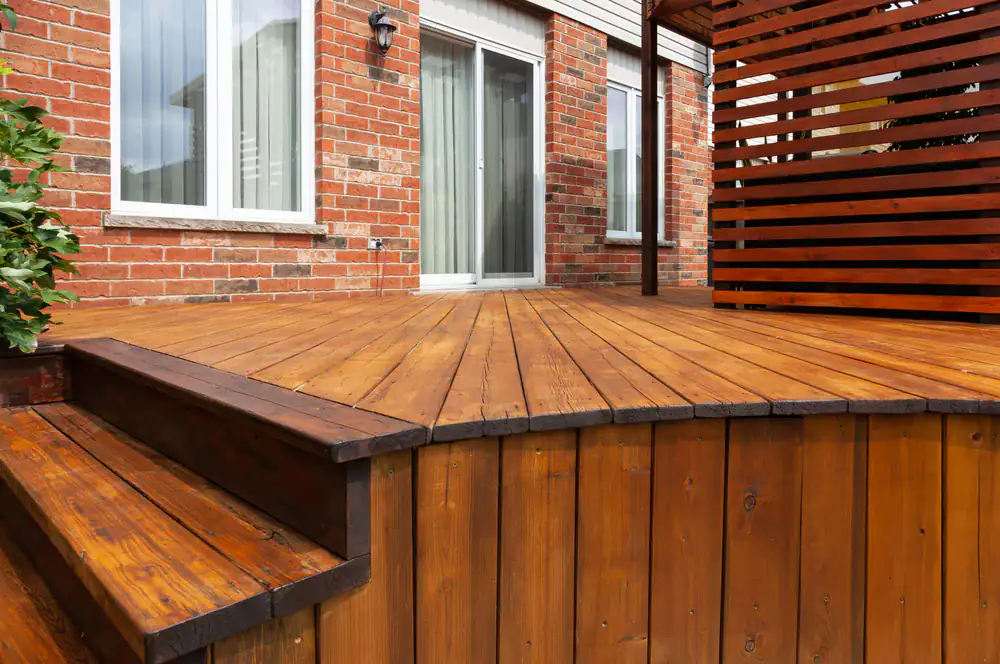
First, we come out and inspect your deck—not just the surface, but the structure underneath. We’re looking for soft spots, moisture damage around posts and joists, corroded fasteners, and anything that could compromise safety. You get a free estimate that breaks down what needs fixing and why.
If you move forward, we handle any permits required for structural work in Suffolk County. Most deck repairs in Farmingville take one to three days depending on scope. Simple board replacements often wrap up in a single day.
We use materials rated for Long Island’s climate—pressure-treated lumber rated for ground contact, stainless steel fasteners that resist salt air, proper flashing systems. If your deck is composite, we work with Trex, TimberTech, and other major brands to match existing materials.
Once the work’s done, you get a walkthrough so you understand what we fixed and how to maintain it going forward. We also provide a warranty on our work because we stand behind what we do.
Ready to get started?
Deck repair means different things depending on what’s failing. We replace rotted or cracked boards, reinforce or replace structural joists and beams, fix or rebuild railings that don’t meet code, repair or replace stairs, address post issues at the foundation level, and fix flashing and ledger board problems that cause water damage.
In Farmingville, we see a lot of damage caused by Long Island’s weather patterns. Winters here are harsh—repeated freezing and thawing causes wood to expand and contract, which leads to cracks and splits. Humid summers promote mold and rot, especially in areas where water pools or drainage is poor. Homes closer to the coast deal with salt air that corrodes metal fasteners and retains moisture in the wood.
Many decks built 10 to 20 years ago used standard galvanized screws that weren’t rated for coastal exposure. Those fasteners fail first, and when they do, boards loosen and railings become unstable. We replace them with stainless steel hardware designed to last in this environment.
We also catch problems most homeowners miss—hidden rot in rim joists, compromised ledger boards that could pull away from the house, posts that have settled or rotted at ground level. These aren’t cosmetic issues. They’re structural, and they need to be addressed before someone gets hurt.

Most wood deck repairs in Farmingville run between $20 and $35 per square foot, but that’s a rough range. The actual cost depends on what’s damaged, how extensive the rot or structural issues are, and what materials we’re working with.
Replacing a few boards is straightforward and relatively inexpensive. Reinforcing joists, replacing posts, or fixing ledger board issues costs more because it’s structural work that takes time and requires permits. Composite deck repairs can also vary—matching existing materials and working with proprietary fastening systems adds complexity.
We give you a free estimate that breaks down the costs so you know exactly what you’re paying for. No surprises, no padding. If something doesn’t need to be replaced, we’ll tell you.
If the damage is isolated—a few rotted boards, a wobbly railing, some surface wear—repair makes sense. If the structural framing is compromised, the deck is over 20 years old, or you’re dealing with widespread rot, replacement is usually the smarter move.
Here’s the test: if we’re spending money to fix one area and another section is going to fail in a year or two, you’re better off rebuilding. But if the bones of the deck are solid and the issues are surface-level or localized, repairs will buy you years of safe use at a fraction of the cost.
We’ll walk you through what we find during the inspection and give you an honest recommendation. Some contractors push replacement because it’s more profitable. We’d rather you spend money on what actually makes sense for your situation.
Most deck repairs take one to three days depending on the scope of work. If we’re replacing a handful of boards or fixing a railing, we can often finish in a single day. Structural repairs—replacing joists, reinforcing posts, fixing ledger boards—take longer because the work is more involved and may require inspections.
Weather can affect the timeline, especially in spring when rain is common. We also factor in permit approval times if structural work is required in Suffolk County, though most permits process quickly.
We’ll give you a realistic timeline upfront and keep you updated if anything changes. The goal is to get your deck safe and usable as quickly as possible without cutting corners.
Loose or wobbly railings are the most obvious red flag. If you can shake a railing and it moves, the fasteners or posts have failed. Soft spots in the decking mean water has gotten in and the wood is rotting from the inside out. Cracked or split boards are common after harsh winters and usually indicate the wood has reached the end of its lifespan.
Dark stains, especially around fasteners or where the deck attaches to the house, often signal moisture damage. Mold or mildew growth means water isn’t draining properly. Rusted or corroded screws and nails are failing and need to be replaced before boards start coming loose.
If your deck is more than 10 years old and hasn’t been inspected recently, it’s worth having someone take a look. A lot of damage happens underneath where you can’t see it, and catching problems early saves money and prevents injuries.
It depends on the scope of work. Replacing surface boards or fixing railings usually doesn’t require a permit. Structural repairs—replacing joists, beams, posts, or ledger boards—typically do require permits in Suffolk County because they affect the safety and integrity of the structure.
If your deck is attached to the house and we’re working on the ledger board or flashing, that’s considered structural and needs a permit. Any work that involves digging or resetting posts also falls under permit requirements.
We handle the permit process for you, so you don’t have to deal with the paperwork or inspections. It’s part of the service, and it protects you down the line if you ever sell your home. Unpermitted structural work can become a problem during a home sale, so it’s worth doing it right the first time.
We repair both wood and composite decks. Composite materials like Trex, TimberTech, and Azek are popular on Long Island because they resist rot and require less maintenance, but they’re not indestructible. Boards can crack, fade, or warp, especially if they weren’t installed correctly or if the substructure has issues.
Composite deck repair often involves matching existing materials, which can be tricky if your deck is older and the product line has changed. We work with major manufacturers to source the right boards and fasteners. Sometimes the problem isn’t the composite itself—it’s the wood framing underneath that’s rotted or shifted.
We also see issues with composite railings that were installed with inadequate fasteners or posts that have loosened over time. The fix depends on what’s failing, but the process is similar to wood deck repair—identify the problem, address the root cause, and make sure the repair lasts.
Other Services we provide in Farmingville