
Hear From Our Clients
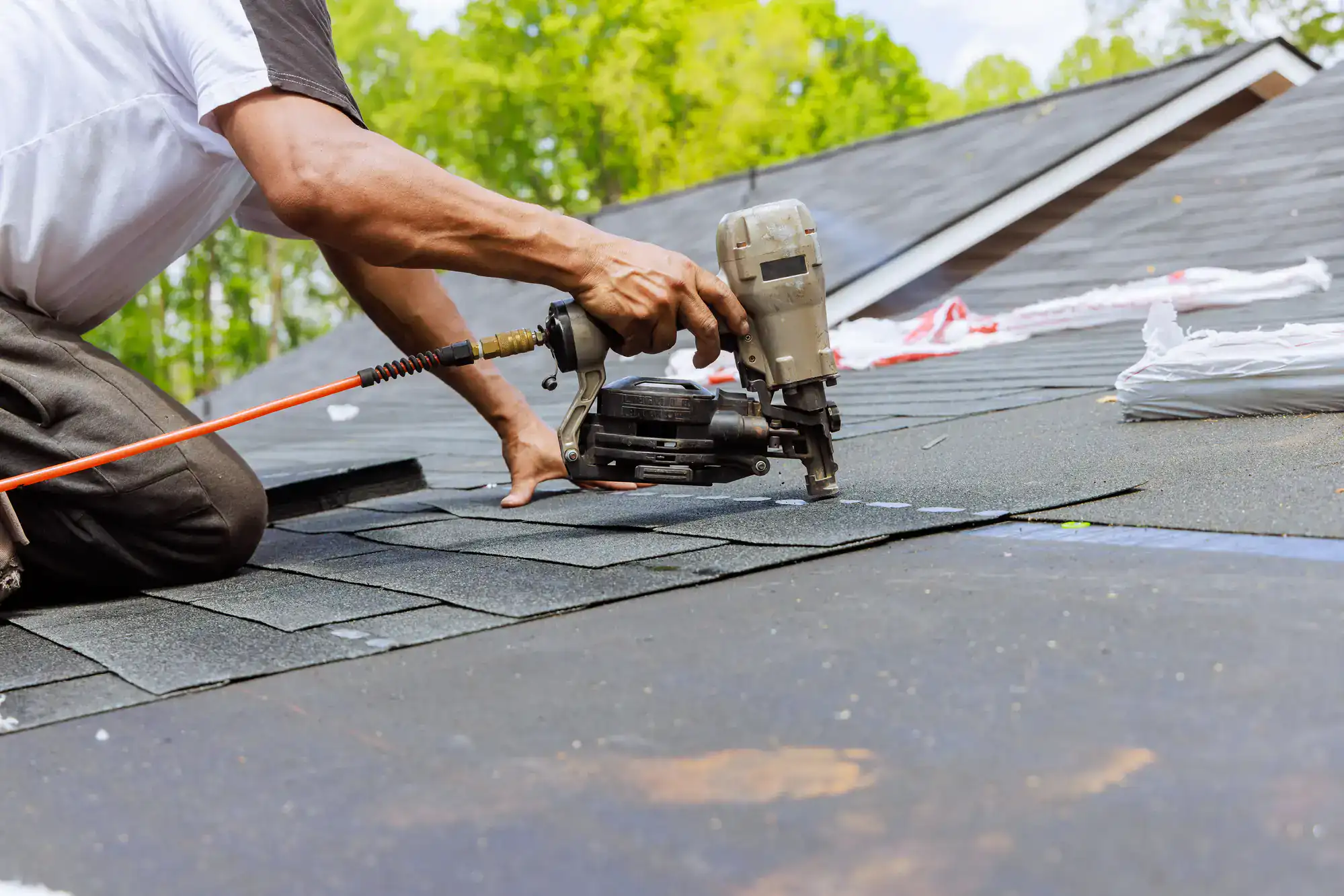
East Hampton sits on a peninsula surrounded on three sides by open water the Atlantic to the south, Block Island Sound to the east, Gardiners Bay to the north. That’s not a scenic detail. It means salt air reaches every property in town, not just the oceanfront ones. It corrodes metal flashing, eats through standard fasteners, and shortens the lifespan of a roof that was installed without coastal conditions in mind. A roof that might last 25 years in Hauppauge could show serious wear in 12 to 15 years here if it wasn’t built for this environment.
What you actually want after a roofing job is simple: no leaks after the next storm, no callbacks, no wondering if the crew cut corners when you weren’t watching. For the large number of East Hampton homeowners who manage their properties from the city, that last part matters more than most contractors acknowledge. When you’re not on-site, you’re trusting the crew completely and that trust needs to be backed by something real, not just a handshake.
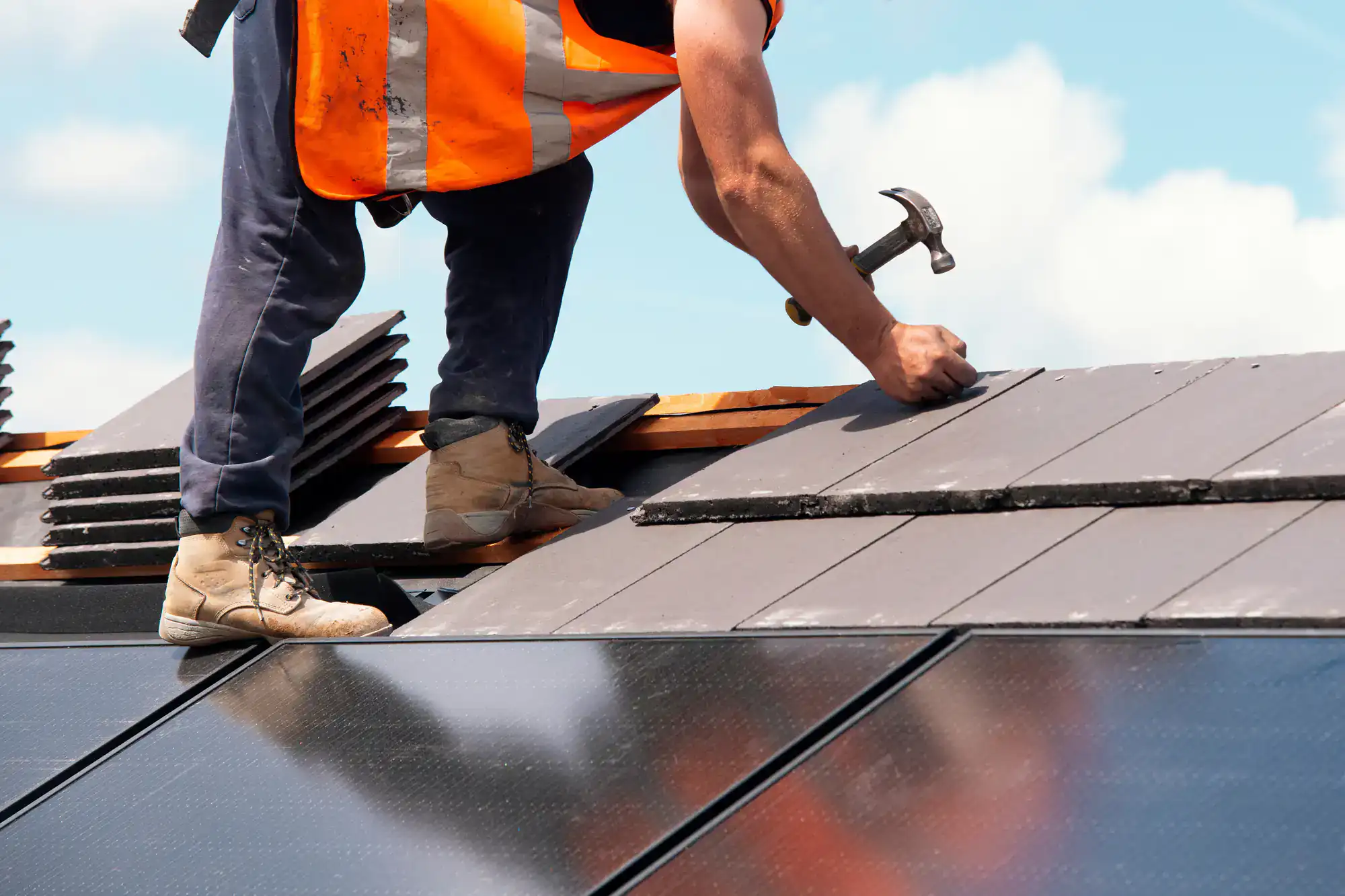
Every job we handle gets photo and video documentation from start to finish. You see what was found, what was done, and what it looks like when the crew leaves. That’s not a gimmick it’s just how a job on a high-value property should be handled.
Home Team Construction is a family-owned, owner-operated exterior contractor based in Suffolk County. We’ve been working on East Hampton roofs for over a decade including properties throughout the East End, from Springs and Amagansett to East Hampton Village and Montauk. That kind of tenure means we know what coastal salt air does to flashing, what a January nor’easter finds when a roof wasn’t sealed correctly, and what it takes to get a permit approved through East Hampton Town’s building department without delays.
This isn’t a company where you call a number and get a crew you’ve never met. When you reach out, you’re talking to the people who will actually show up and do the work. Reviews from past customers name the owner by name because he’s there, he’s accountable, and he doesn’t disappear after the invoice.
We handle roofing, gutters, siding, chimneys, skylights, and decks all under one roof, so to speak. For homeowners managing large East Hampton properties, that means one call instead of five.
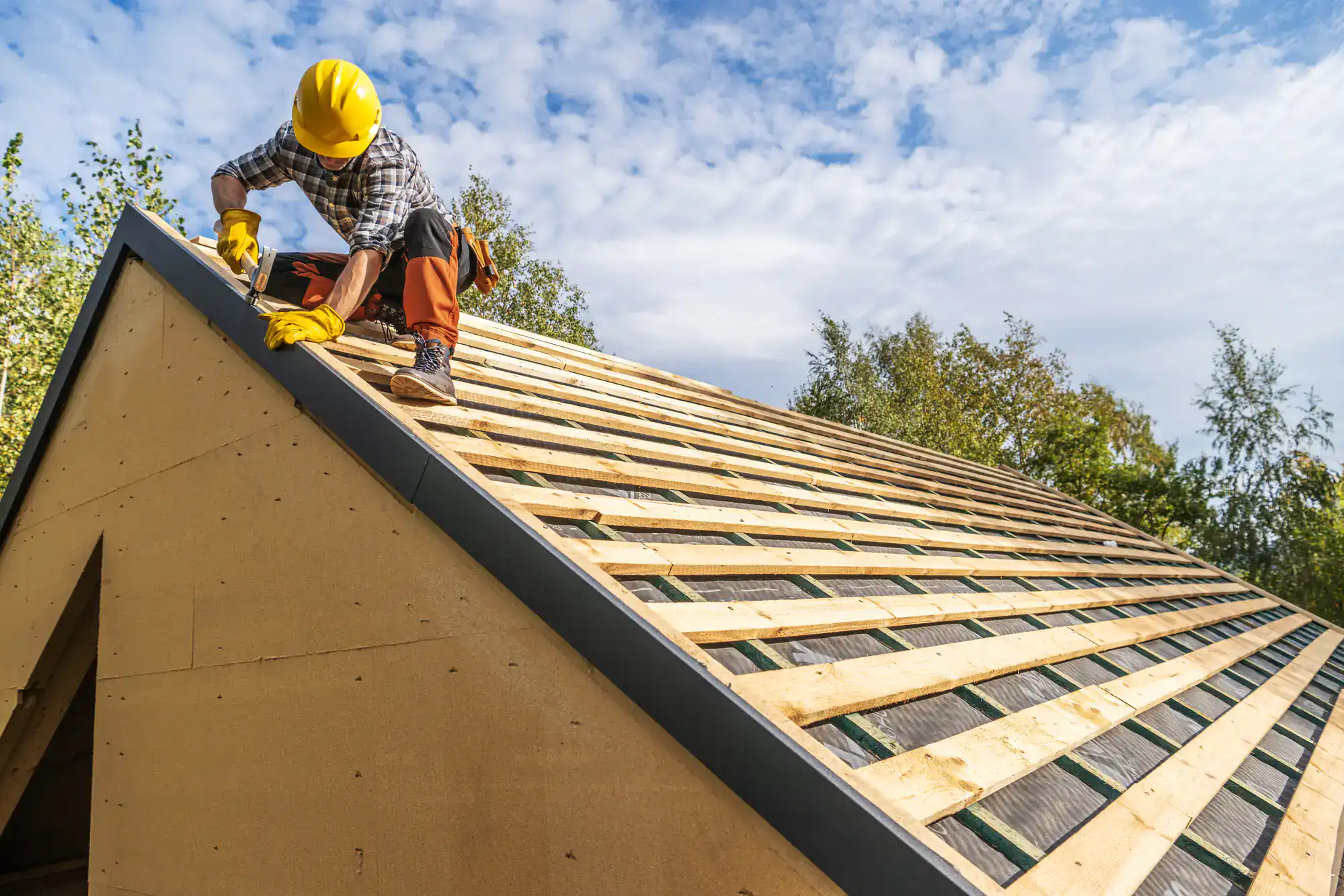
It starts with a thorough inspection. We get on the roof, look at the decking, check the flashing around every chimney, skylight, and vent, and assess the gutters while we’re up there. In East Hampton, that inspection pays extra attention to corrosion points metal components that take the worst of the salt air and to any areas where wind-driven rain from a nor’easter could find a way in. If there’s existing damage, we document it with photos before anything is touched.
From there, you get a written estimate with a clear number. Not a range. Not a “depends on what we find.” A real number, and if something changes mid-job, we tell you before we proceed not after. East Hampton Town requires licensed contractors, workers’ compensation coverage, and full permit compliance for roofing work. We handle the permit process as part of the job, including navigating the separate requirements for properties within East Hampton Village versus those in the broader town jurisdiction.
Once the work is underway, you don’t have to wonder what’s happening. Photos go out as the job progresses, and a final walkthrough documented closes it out. When we leave, the property is clean, the work is done right, and you have a record of every step.
Ready to get started?
East Hampton’s housing stock is unlike anywhere else in Suffolk County. You’ve got historic shingle-style homes in the village with complex rooflines and cedar detailing, mid-century cottages in Springs, oceanfront estates in Georgica, and everything in between out in Wainscott and Amagansett. Standard one-size-fits-all roofing doesn’t cut it here. The materials, the installation approach, and the attention to detail all need to match the property.
For most residential roofs, that means architectural shingles rated for high wind speeds not the entry-level options that work fine in calmer climates. For properties closer to the water or with more architectural complexity, standing seam metal roofing is worth a serious conversation. Metal handles salt air better than asphalt over the long term, sheds water faster, and holds up under the kind of sustained wind loads East Hampton sees in a bad nor’easter. We walk through the options honestly so you can make the right call for your specific roof and budget.
Beyond replacement, we handle roof repair, chimney work, gutter installation, skylight replacement, siding, and deck builds. If your East Hampton property needs exterior work across multiple systems, you don’t need to coordinate a different contractor for each one. We do it all, and we do it with the same standard of documentation and communication on every single job.
Yes, and this is one of the more important things to verify before hiring anyone for roofing work in East Hampton. The Town of East Hampton has its own contractor licensing requirement separate from New York State licensing. A contractor who primarily works in Nassau County or western Suffolk may hold a valid state license but not the specific Town of East Hampton contractor’s license required for permitted work here. If the permit gets pulled by an unlicensed contractor or the paperwork isn’t in order, the liability lands on the homeowner not the contractor.
It gets slightly more complicated for properties within the incorporated Village of East Hampton, which has its own building department at 88 Newtown Lane. Village properties are subject to Village codes in addition to Town codes, which means permit applications go through a different process than properties in the broader town jurisdiction. A contractor who’s actually worked in East Hampton before knows this. One who hasn’t may not realize they’re dealing with two separate regulatory layers until there’s already a problem.
Shorter than the warranty suggests, in most cases. Asphalt shingles are typically rated for 25 to 30 years under standard conditions, but East Hampton’s environment compresses that timeline significantly. Salt air accelerates granule loss on shingles and corrodes the metal components flashing, fasteners, drip edge faster than in any inland community. Add in the UV exposure from open coastal skies, the freeze-thaw cycles through winter, and the wind loads from nor’easters and the occasional hurricane, and a roof that wasn’t installed with coastal-specific materials and techniques can start showing real problems in 12 to 15 years.
The practical takeaway: if you bought your East Hampton property 15 or more years ago and haven’t had the roof professionally inspected since, you’re likely either at or approaching the point where an honest assessment is worth getting. Not every roof in that window needs full replacement some need targeted repairs and better flashing. But the longer deferred maintenance sits on a coastal property, the more expensive the fix tends to get.
For most East Hampton homes, high-quality architectural shingles with a Class 4 impact rating and a wind resistance rating of at least 130 mph are the practical baseline. They perform well, they’re cost-effective relative to other options, and when installed correctly with corrosion-resistant fasteners and proper coastal flashing, they hold up through most of what the East End throws at them.
For properties with more direct ocean or bay exposure oceanfront in Amagansett, waterfront in Montauk, or estates along Georgica Pond standing seam metal roofing is worth serious consideration. Metal doesn’t absorb moisture, it handles salt air better over the long term, and it sheds water faster than shingles on low-slope sections where water tends to pond. The right answer depends on your specific roof geometry, your budget, and how long you plan to hold the property and we’ll give you a straight answer on that, not a pitch for the most expensive option.
The honest range for a full roof replacement on a typical East Hampton home runs from roughly $12,000 to $35,000 for asphalt shingles, depending on roof size, pitch, complexity, and the extent of any decking or flashing work needed underneath. Larger estate properties or those requiring specialty materials like standing seam metal can run higher storm damage restoration involving structural work has ranged from $18,000 to over $50,000 on more complex jobs in this area.
East Hampton’s higher-than-average project costs reflect a few realities: the homes are larger and more architecturally complex than the Suffolk County average, coastal-rated materials cost more than standard options, and permitted work through East Hampton Town adds process steps that cut-rate contractors often skip (at your eventual expense). The number that matters most isn’t the lowest bid it’s the number that reflects what the job actually requires. We give you that number in writing before anything starts, and it doesn’t change unless the scope does.
This is one of the most common concerns we hear from East Hampton homeowners, and it’s completely reasonable. A significant portion of properties here are second homes, managed remotely from the city or coordinated through a property manager. When you’re not on-site, you’re relying entirely on the contractor’s communication and integrity and most contractors don’t do much to bridge that gap.
The way we handle it is straightforward: every job gets photo and video documentation at each stage. Before work starts, you see what we found. During the job, you see what’s being done and what materials are going in. When the job is finished, you get a documented record of the completed work. You don’t have to wonder if the crew showed up, if the right shingles were used, or if the flashing was actually replaced or just painted over. You can see it. For a property worth what East Hampton homes are worth, that level of accountability shouldn’t be optional.
Late spring April through early June is generally the best window for planned roofing work in East Hampton. The weather is stable enough for clean installation, the summer season hasn’t started yet, and you have time to address anything that came up over the winter before the property gets heavy use. For second-home owners especially, getting roofing work done before Memorial Day weekend means you’re not dealing with contractor scheduling conflicts during the peak summer months when demand spikes and availability tightens.
Fall is the second-best window, typically September through October, before nor’easter season picks up in earnest. If you had any damage from summer storms or noticed issues during the season, fall is the time to address them not to wait until spring and risk a winter of water intrusion. Emergency repairs after a storm can happen any time of year, and we handle those as well. But for planned replacement or significant repair work, booking ahead of the spring or fall window gets you better scheduling flexibility and avoids the rush that follows every major storm on the East End.
Other Services we provide in East Hampton