
Hear From Our Clients

You’ve probably noticed the pattern by now. Mortar crumbles, you patch it. Flashing leaks, you seal it. A few months later, you’re back on the phone with another contractor looking at another estimate.
That cycle ends with a full chimney replacement. Not because it’s the easy answer, but because it’s the only one that actually solves the problem when your chimney’s compromised from the ground up.
A proper replacement gives you a chimney built for East Hampton’s coastal environment. Marine-grade materials that handle salt air. Storm-resistant construction that stands up to nor’easters. Proper ventilation that keeps your family safe from carbon monoxide. And a system that lasts 50 to 100 years instead of needing attention every season.
You get your weekends back. You stop worrying every time the wind picks up. And you protect one of your biggest investments with work that’s done right the first time.
Home Team Construction has been handling chimney replacements and full home construction projects across Suffolk County for over a decade. We’re not a national franchise or a crew that shows up from three towns over.
Our team knows what East Hampton chimneys face because we see it every day. The salt air that eats through standard mortar in half the time. The freeze-thaw cycles that crack masonry. The coastal storms that test every fastener and flashing detail.
We’re fully licensed and insured, and we pull the proper permits for every job. When we rebuild your chimney, it’s engineered for this specific environment and built to code. You’re not getting a generic replacement—you’re getting a system designed to handle what Long Island throws at it.
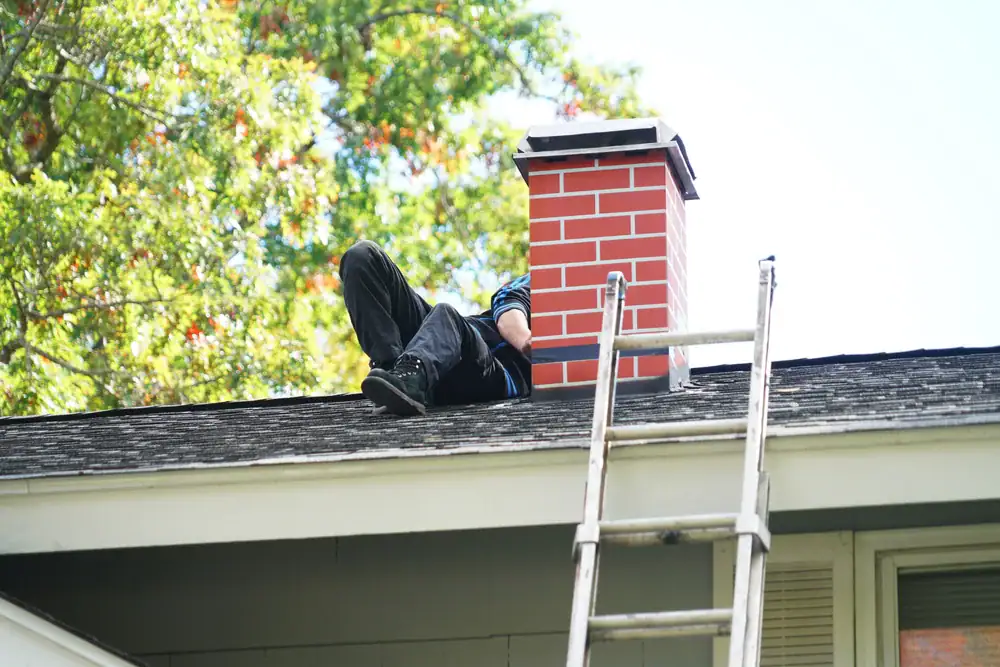
We start with a full inspection to assess the damage and determine whether you need a complete replacement or if the chimney stack above the roofline is the main concern. You’ll get photos, a detailed explanation of what’s failing, and an upfront estimate with no surprise costs later.
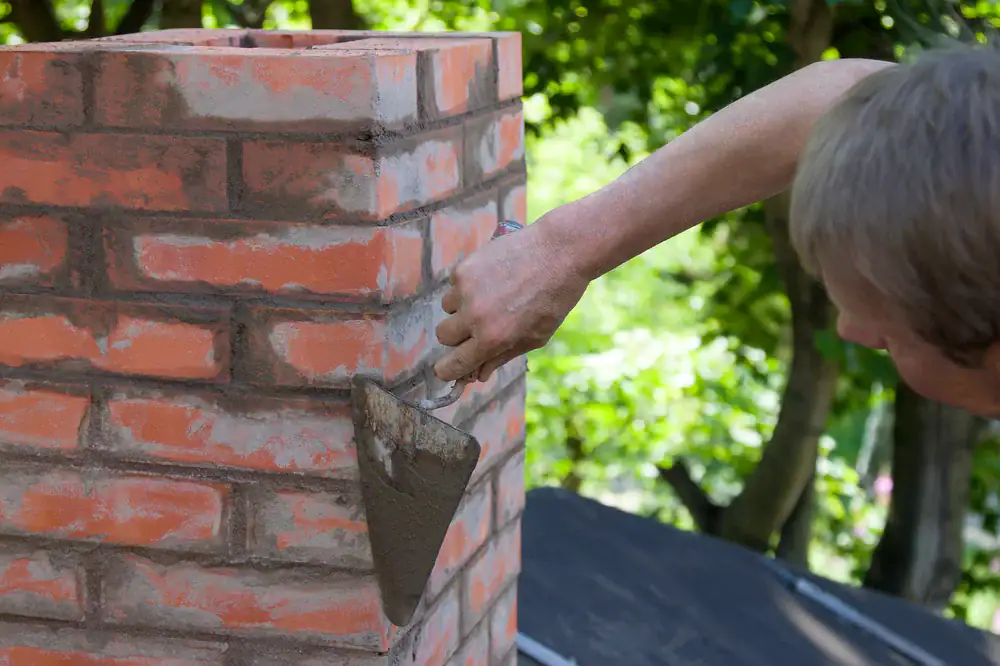
Once you approve the work, we handle the permits and schedule the job around your timeline. Demo and removal come first—we protect your roof, your landscaping, and your property throughout the process. Then we rebuild from the foundation up if needed, or from the roofline if that’s where the damage stops.
Every chimney replacement includes new flashing, a proper chimney cap replacement, and a chimney liner replacement if your current one’s compromised. We use marine-grade fasteners and materials rated for coastal exposure. You’ll get progress updates with photos so you know exactly what’s happening.
Final inspection confirms everything meets code. We walk you through the completed work, clean up the site completely, and provide documentation for your records and insurance. The whole process typically takes a few days depending on the scope, and you’re left with a chimney that’s built to last.

Ready to get started?
Your chimney replacement covers everything from structural rebuild to finishing details. That means new masonry or prefab chimney systems depending on your home’s needs, complete chimney flue replacement to ensure proper ventilation, and chimney flashing replacement with materials that actually seal against Long Island weather.
We’re installing chimney cap replacement that keeps water, animals, and debris out while allowing proper airflow. If your chimney serves a fireplace or heating system, the chimney liner replacement ensures safe operation and prevents carbon monoxide issues. Every component is selected for durability in salt air and high-wind conditions.
East Hampton homes face specific challenges that generic builds don’t account for. Coastal exposure accelerates deterioration, so we use corrosion-resistant materials and enhanced fastening patterns. Storm damage is a constant risk here, which is why we build to wind ratings that exceed standard code. Your insurance company will appreciate the documentation, and you’ll appreciate not having to think about your chimney for the next several decades.
The work includes all permits, inspections, and cleanup. You’re not coordinating with multiple contractors or chasing down paperwork. We handle it from demo to final sign-off.

A complete chimney replacement in East Hampton typically runs between $4,000 and $15,000 depending on the scope of work. If you only need the chimney stack above the roofline rebuilt, you’re looking at $1,000 to $3,500. Full replacements that include below-roofline work, new liners, and extensive flashing cost more because there’s more labor and material involved.
Coastal properties sometimes run higher because of access challenges and the need for marine-grade materials that hold up to salt air. If your chimney serves multiple floors or includes custom masonry, that affects the price too.
The best way to know what you’re actually looking at is to get an inspection and a detailed estimate. We’ll show you exactly what needs replacing and what that costs, with no vague ranges or surprise additions later.
Replacement makes sense when the damage is widespread rather than isolated. If your mortar’s crumbling in multiple spots, if you’ve got structural cracks running through the masonry, or if the chimney’s leaning or separating from the house, repairs won’t hold.
Water damage is another indicator. Once water gets inside the chimney and starts the freeze-thaw cycle, it breaks down mortar and brick from the inside out. You can patch the surface, but the underlying damage keeps spreading.
Age plays a role too. If your chimney’s 75+ years old and you’re facing major repairs, replacement often costs less over time than trying to extend a failing system. You’re also dealing with outdated construction methods that don’t meet current safety standards. A new chimney gives you proper ventilation, modern materials, and decades of reliable service instead of ongoing maintenance headaches.
Most chimney replacements take three to five days depending on the scope and weather. A straightforward stack rebuild above the roofline might be done in two to three days. Full replacements that include foundation work, new liners, and extensive flashing take closer to a week.
Weather affects the timeline because we can’t work in heavy rain or high winds. Masonry needs time to cure properly, so we’re not rushing through steps that compromise the final result.
We’ll give you a realistic timeline upfront and keep you updated if anything changes. The job site stays protected and secure when we’re not actively working, and we clean up completely at the end of each day so you’re not living in a construction zone.
Yes, chimney replacement requires a building permit in East Hampton. Any structural work on your home needs to be permitted and inspected to ensure it meets current building codes and safety standards.
We handle the permit application and coordinate inspections as part of the job. You don’t need to visit Town Hall or navigate the paperwork yourself. Once the work’s complete, the final inspection confirms everything’s up to code, and you get documentation for your records.
Permits protect you in several ways. They ensure the work meets structural and safety requirements. They provide a paper trail if you ever sell the home. And they keep your homeowner’s insurance valid—unpermitted work can create coverage issues down the line. It’s a standard part of doing the job right, not an optional extra.
Insurance coverage depends on what caused the damage. If a storm knocked your chimney over or a tree fell on it, that’s typically covered under your homeowner’s policy. Gradual deterioration from age and normal wear usually isn’t.
The key is documenting everything properly. We provide detailed photos of the damage, written assessments that explain what failed and why, and itemized estimates that insurance adjusters need to process claims. If you’re filing a claim, we can work directly with your adjuster to make sure they have what they need.
Even if insurance doesn’t cover the full replacement, it might cover part of it—especially if storm damage accelerated existing issues. It’s worth filing a claim to find out. We’ve worked with enough insurance companies to know how to present the information in a way that supports your case.
Salt air is the biggest challenge for chimneys in East Hampton. Standard mortar and metal components corrode faster here than they would inland, so material selection matters more than most contractors realize.
We use marine-grade fasteners that resist corrosion, mortar mixes formulated for coastal exposure, and flashing materials that hold up to salt air and UV exposure. The chimney cap and liner are selected for durability, not just the lowest price point.
Construction details make a difference too. Proper drainage keeps water from pooling around the chimney base. Enhanced nailing patterns and wind-rated materials handle the storms that hit Long Island every year. And correct flashing installation—which is where most leaks start—keeps water out of your home and away from the masonry. You’re building a system that’s engineered for this specific environment, and that’s what makes it last 50 to 100 years instead of needing attention every decade.
Other Services we provide in East Hampton