Hear From Our Clients
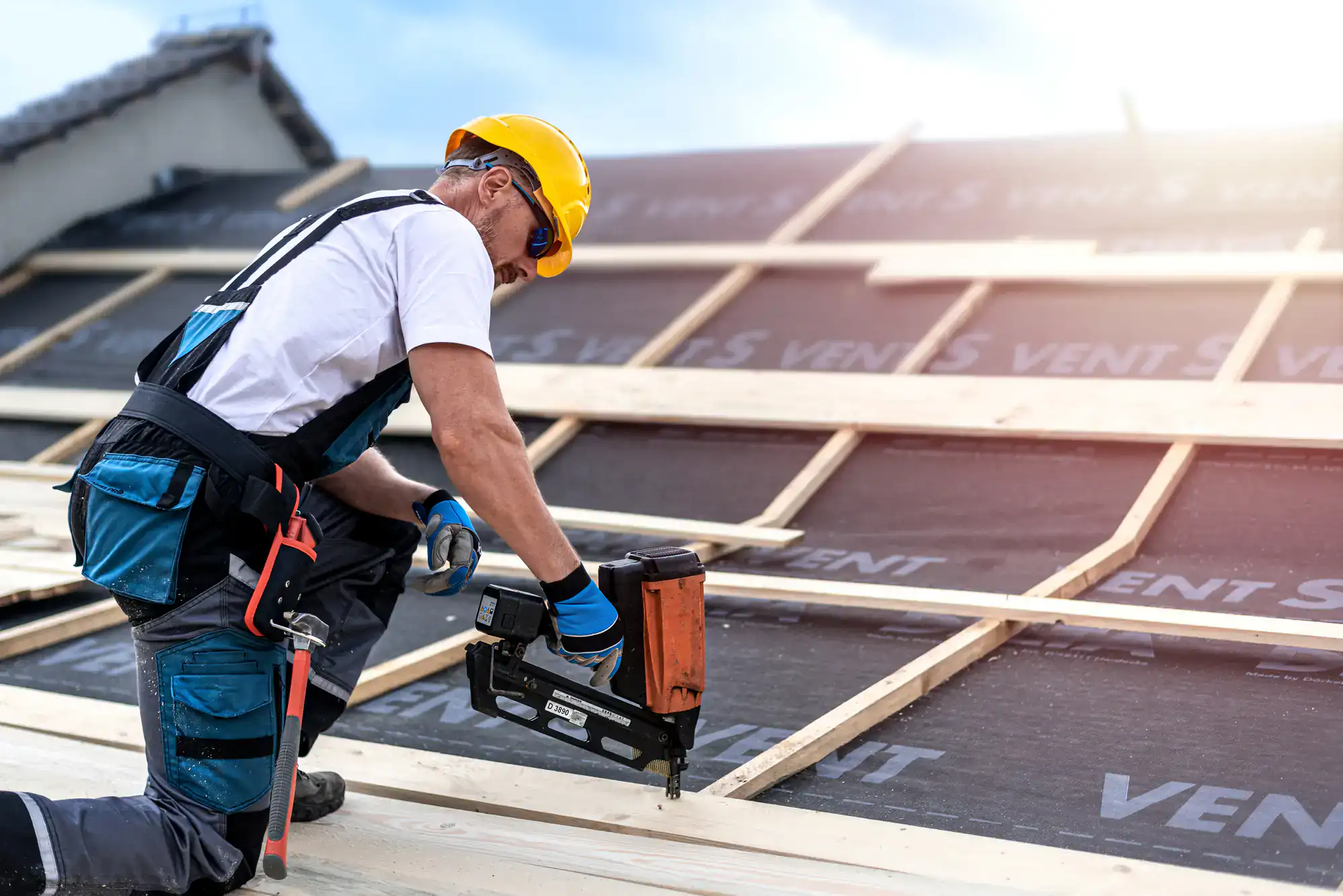
Northport isn’t a typical Long Island town, and its roofs don’t face typical Long Island conditions. Sitting directly on Long Island Sound, Northport and the surrounding neighborhoods from the waterfront estates on Asharoken to the post-war ranches spread across East Northport deal with salt air, wind-driven rain off the water, and freeze-thaw cycles that work away at shingles, flashing, and gutters year after year. When something fails here, it usually doesn’t announce itself quietly.
The Victorian and Colonial Revival homes throughout Northport Village have complex rooflines dormers, steep pitches, wraparound porch roofs that demand more than a standard replacement approach. And the 1950s and 1960s housing stock in East Northport is aging fast. A lot of those roofs are well past their designed lifespan, which means the question isn’t really “do I need to replace it” it’s “how much longer can I wait before the next storm makes that decision for me.”
What you get with a properly done roof isn’t just protection from rain. It’s one less thing on your mind when a nor’easter is tracking up the Sound. It’s knowing the flashing around your chimney was done right, the ice and water barrier was run the full distance from the eave, and the crew didn’t cut corners on the underlayment because they figured you wouldn’t know the difference. You’ll know the difference because we document every step with photos and video so you can see exactly what was done, even if you were on the LIRR when we were up there.
We’re a family-owned exterior contractor based in Suffolk County, and we’ve been working across the North Shore long enough to know what Northport homes actually need. That means understanding the difference between a straightforward shingle replacement on a ranch in East Northport and a full tear-off on a Victorian near the harbor where the roofline alone can double the complexity of the job.
The owner is involved in every project. Not in a tagline way in a literal, showing-up-on-site way. When you have a question before the job starts, during, or six months after, there’s a real person on the other end who knows your roof. That kind of accountability is hard to find in this industry, and it’s a big reason why customers who hire us for one job tend to come back when the gutters need replacing or the siding starts showing its age.
We handle roofing, siding, gutters, chimneys, skylights, and decks all under one roof. For homeowners in Northport, where the homes are older and the maintenance list is long, that matters.
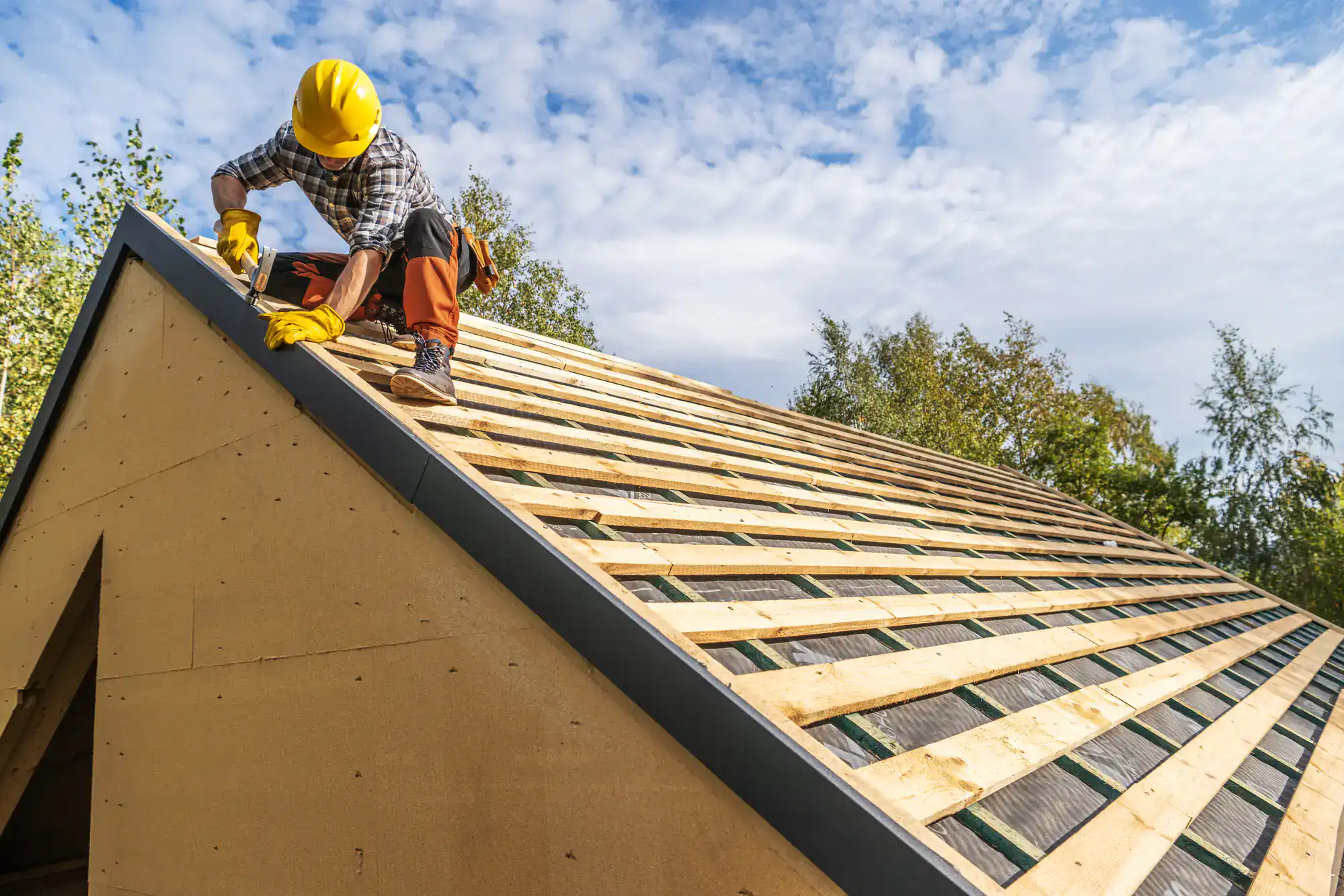
It starts with an honest assessment. We come out, get on the roof, and tell you what we actually see not what generates the biggest job. If it needs a repair, we’ll say repair. If the decking is compromised and a patch is just delaying the inevitable, we’ll explain that too, clearly, before anything is agreed to.
From there, you get a written quote. The number on that quote is the number on your invoice. If we open up the roof and find rotted decking or structural damage that wasn’t visible from the surface, we stop, document it with photos, and walk you through what it means and what it costs before we proceed. No line items appearing at the end that you never approved.
Once the job is underway, we handle the permitting process. In the incorporated Village of Northport, roofing work typically requires a building permit through the Village’s own building department separate from the Town of Huntington process that applies to East Northport and Fort Salonga. We’re familiar with both, and we take care of it so you don’t have to figure out which department to call. When the job is done, you get photo and video documentation of the completed work the underlayment, the flashing details, the finished surface so you have a clear record of exactly what was installed and how.
Ready to get started?
Whether you need a repair after storm damage or a full tear-off and replacement, our approach is the same: assess honestly, quote clearly, and execute without shortcuts. For most homes in the Northport area, that means architectural asphalt shingles with proper ice and water barrier along every eave required under New York State building code and genuinely necessary in a climate where freeze-thaw cycles hit hard from December through March. For waterfront properties on Asharoken or Eaton’s Neck, where salt air exposure is constant and direct, material selection matters more than it does a few miles inland. We’ll walk you through the options that actually hold up here.
Metal roofing is worth a conversation for homes that deal with high wind exposure or complex rooflines where longevity matters more than upfront cost. It handles salt air better than asphalt over the long run, and for the older Victorian-era homes in Northport Village, it can be a smart long-term investment rather than a recurring replacement cycle every 15 to 20 years.
Beyond roofing, we also handle gutters, siding, chimney work, skylights, and decks. For homeowners managing an older home especially one with the kind of architectural detail common throughout Northport Village having one contractor who knows the full exterior means less coordination, less risk, and someone who can spot the next problem before it becomes an emergency.
Yes, and it’s worth understanding the distinction before you hire anyone. Northport is an incorporated village within the Town of Huntington, which means it has its own building department with its own permit process separate from the Town of Huntington’s building department that covers East Northport, Fort Salonga, and other surrounding areas. A full roof replacement in the Village of Northport will typically require a permit pulled through the Village’s building department, not the town.
This matters for a few reasons. First, unpermitted work can create problems when you go to sell the home buyers’ attorneys and inspectors will look for it. Second, manufacturer warranties on roofing materials are often tied to the installation meeting local code requirements, which means skipping the permit can void the warranty before the first storm hits. We handle the permitting process as part of the job, so you’re not left trying to figure out which department to call or what forms to file.
The honest answer is that a lot of storm damage isn’t visible from the ground, especially after the kind of wind-driven rain that comes off Long Island Sound during a nor’easter. You might not see missing shingles, but you could have lifted flashing around a chimney or dormer, granule loss that’s accelerating the aging of the shingle surface, or small punctures from debris that won’t show up as a leak until the next heavy rain.
The safest move after any significant storm is to have someone get on the roof and actually look. We document everything with photos so you have a clear record useful for your own peace of mind and useful if you’re filing a homeowners insurance claim. If there’s no damage, we’ll tell you that too. The goal isn’t to find something wrong; it’s to give you an accurate picture of where things stand so you can make an informed decision.
Salt air is harder on roofing materials than most people realize. It accelerates granule loss on standard asphalt shingles, corrodes the metal fasteners that hold everything in place, and attacks flashing seals over time especially around chimneys, dormers, and skylights. For most homes in the Northport area, high-quality architectural asphalt shingles from a reputable manufacturer, installed with the right underlayment and proper flashing details, will perform well. The key is the installation quality, not just the material spec.
For waterfront properties on Asharoken or Eaton’s Neck where the exposure is more direct and constant metal roofing is worth a serious look. It handles salt air significantly better than asphalt over a 30- to 40-year horizon, and the long-term cost often makes more sense than replacing an asphalt roof every 15 to 20 years. We’ll give you an honest comparison based on your specific home and location, not a default recommendation.
The range is wide, and that’s not a dodge it’s just the reality of how different Northport’s housing stock is from one street to the next. A straightforward tear-off and replacement on a ranch home in East Northport is a very different job from a full replacement on a Victorian in Northport Village with multiple dormers, steep pitches, and complex flashing requirements. Generally speaking, residential roof replacements on Long Island run anywhere from $8,000 to $20,000 or more depending on square footage, roofline complexity, material choice, and the condition of the decking underneath.
What we can tell you is that the number we quote before the job starts is the number on your invoice. If we find hidden damage during the tear-off rotted decking, compromised sheathing we stop and walk you through it before any additional work proceeds. You won’t open a final bill and find charges you didn’t approve. For a home worth what Northport homes are worth, that kind of transparency isn’t optional it’s the baseline.
Ice dams form when heat escaping from the living space warms the upper portion of the roof, melting snow that then refreezes at the colder eave edge. That cycle of melt and refreeze forces water back up under the shingles, where it finds its way through the roof deck and into the structure. It’s a slow, quiet kind of damage you might not notice it until you see water staining on a ceiling or wall.
Northport homes are genuinely at risk, particularly the older Victorian and Colonial-era houses in the village, which were built long before modern insulation and ventilation standards existed. Inadequate attic ventilation and insulation are the root causes, and they’re common in homes of that age. New York State building code requires ice and water barrier membrane along the first several feet of every eave precisely because of this but code compliance alone doesn’t fix a ventilation problem. If you’ve had ice dams before, or if you have an older home with minimal attic insulation, it’s worth addressing the underlying cause alongside any roofing work.
Start with licensing. Suffolk County requires home improvement contractors to hold a valid county license, and it’s worth verifying that before signing anything. An unlicensed contractor puts you in a difficult position if something goes wrong and it can void manufacturer warranties on the materials installed. You can check Suffolk County licensing through the county’s consumer affairs office.
Beyond the license, look for a few things that separate reliable contractors from the ones who show up after a storm and disappear before the next one. Do they give you a written quote before work starts? Do they pull permits, or do they ask you to handle it? Can they show you photos of completed jobs in the Northport area? Do they have verifiable reviews that name real details not just “great job”? In a community like Northport, where homes hold serious value and the roofing challenges are specific to coastal conditions, the contractor’s experience in this exact market matters. Ask how long they’ve been working in Suffolk County, not just how long they’ve been in business. Local tenure means they’ve worked through multiple storm seasons here, know the permit process, and have a reason to stand behind their work.
Other Services we provide in Northport