Hear From Our Clients

You’ve already spent money on repairs. The crown got repointed last year. Someone sealed the flashing. But water’s still finding its way in, and now you’re looking at stains on the ceiling or smoke backing into your living room.
Here’s the reality: once salt air and freeze-thaw cycles compromise the structural integrity of your chimney, patches won’t hold. The mortar’s shot. The bricks are spalling. And every storm that rolls through Northport makes it worse.
A full chimney replacement means you’re done chasing leaks. No more emergency calls when the temperature drops. No more wondering if this winter’s going to be the one that causes real damage. You get a system built specifically for coastal conditions—marine-grade materials, proper flashing, and a crew that knows how Long Island weather behaves. It’s handled once, and it’s handled right.
We’re not some outfit that shows up, quotes high, and disappears. We’re licensed chimney and roofing contractors who’ve been working in Northport and across Suffolk County for years. Our crews live in these neighborhoods. We see the same coastal weather you do.
That means we know what salt air does to masonry. We’ve seen what happens when chimneys aren’t built to handle Long Island’s freeze-thaw cycles. And we’ve replaced enough chimneys to know exactly what works and what doesn’t in this climate.
Every crew member is licensed, trained, and insured. You get clear estimates before we start, so you know exactly what you’re paying for. No runaround, no surprises—just honest work from people who understand what your home is up against.
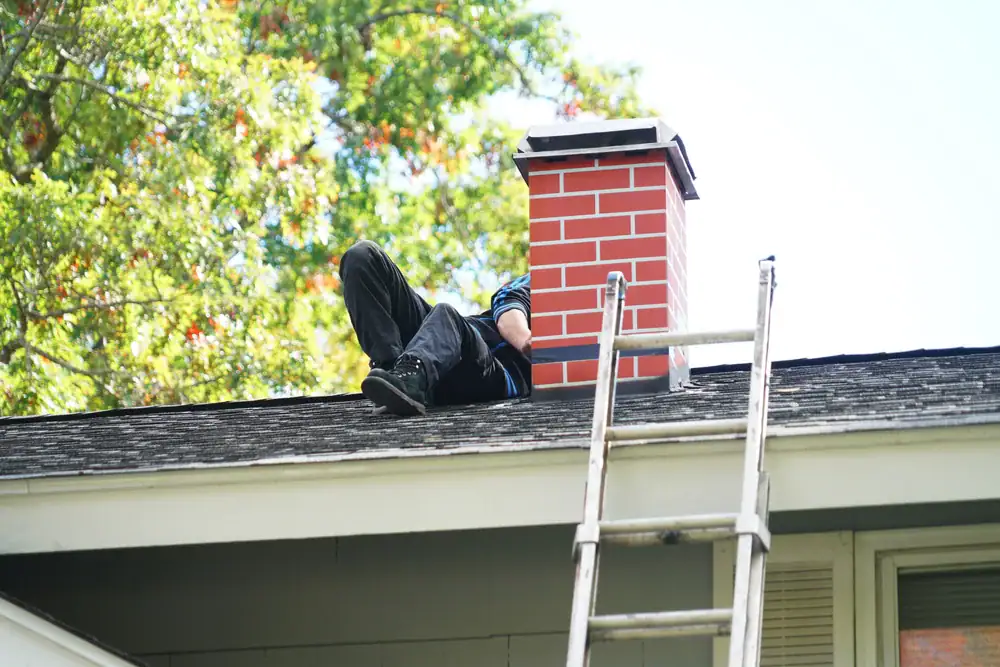
First, we come out and assess the entire chimney system—not just what’s visible from the ground. We’re looking at the chimney stack, the flue liner, the crown, the flashing, and how everything ties into your roofline. This tells us whether you need a partial rebuild or a complete replacement from the roofline up.
Once we know what we’re dealing with, you get a detailed estimate. No vague line items or surprise charges later. We break down materials, labor, and timeline so you can make an informed decision.
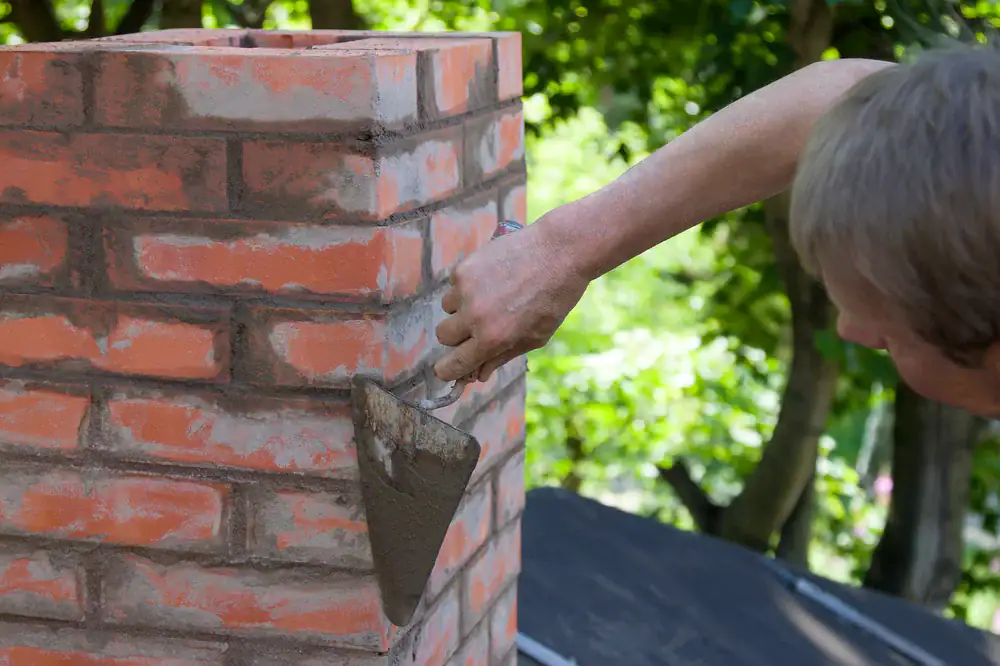
When the work starts, we protect your roof and property, then carefully dismantle the old chimney. If the chimney liner needs replacing, we handle that too. Then we rebuild using materials designed for coastal environments—brick or stone that can handle salt air, marine-grade sealers, and flashing that’s installed correctly the first time. We’re not cutting corners to finish faster.
After the rebuild, we clean up completely and walk you through what was done. You’re not left guessing whether it was done right. You’ll know.
Ready to get started?
A full chimney replacement in Northport isn’t just tearing down old brick and stacking new ones. You’re getting a system rebuilt to handle the specific conditions your home faces.
That includes chimney stack replacement using materials rated for coastal exposure. If your chimney cap is damaged or missing, we install a new one that keeps water and animals out while allowing proper ventilation. Chimney flashing replacement is critical here—this is where most leaks start, and we make sure it’s sealed and integrated correctly with your roofing system.
If the flue liner is cracked or deteriorating, we replace that too. A compromised liner isn’t just inefficient—it’s a safety issue. And if the chimney crown is crumbling, we rebuild it with a proper slope and seal to shed water instead of absorbing it.
Everything’s done with Long Island’s weather in mind. We’re not using the same approach you’d use in Arizona. Salt air, humidity, and temperature swings all factor into material selection and installation methods. You get a chimney that’s built to last in the environment it’s actually sitting in.

Complete chimney replacement in Northport typically runs between $4,000 and $15,000, depending on the height of your chimney, how accessible it is, and what materials you choose. If we’re rebuilding from the roofline up, that’s one cost. If the chimney needs to be taken down below the roofline and rebuilt from the foundation, that’s another.
Labor costs on Long Island are higher than the national average, and that’s reflected in pricing. But you’re also getting crews who are licensed, insured, and experienced with coastal construction requirements. The work has to meet Suffolk County building codes, which are stricter than many other areas.
We give you a detailed estimate upfront, so there’s no guessing. You’ll know what the job costs before we start, and we don’t tack on surprise charges halfway through.
If the damage is localized—a few cracked bricks, some deteriorated mortar joints, a damaged crown—repair usually makes sense. But if you’re seeing widespread spalling, large cracks running through multiple courses of brick, or a chimney that’s leaning, you’re looking at replacement.
Here’s a good rule: if you’ve already done multiple repairs and problems keep coming back, the structure’s compromised. Patching it again is just delaying the inevitable. Water intrusion is the big tell. Once moisture gets into the masonry and starts the freeze-thaw cycle, the damage spreads fast. You’ll see it in flaking bricks, crumbling mortar, and leaks that won’t stop no matter how many times someone seals the flashing.
We’ll assess the entire system and tell you honestly whether repair will hold or if you’re throwing money at something that needs to be rebuilt. We’re not interested in selling you a replacement if a repair will actually solve the problem. But we’re also not going to patch something that’s going to fail in two years.
Most chimney replacements take between three and five days, depending on the size of the chimney and weather conditions. If we’re dealing with a straightforward rebuild above the roofline and the weather cooperates, we can move efficiently. If the chimney’s particularly tall, the access is difficult, or we hit a stretch of rain, it takes longer.
We’re not rushing through the job to hit some arbitrary deadline. Masonry work requires proper curing time, and flashing installation has to be done right. Cutting corners to finish a day early just means you’ll have problems later.
You’ll know the timeline before we start, and if anything changes, we’ll let you know immediately. We also make sure your home is protected during the work—tarps, coverings, and cleanup happen daily so you’re not left with a mess.
If your chimney’s already showing signs of failure—cracks, leaks, smoke backing up—waiting until winter is a gamble. Once temperatures drop and you start using your fireplace or heating system, a compromised chimney becomes a safety issue. You’re looking at potential carbon monoxide intrusion, fire hazards from cracked flue liners, or water damage that gets worse every time it freezes.
We offer emergency chimney services when situations can’t wait. But the reality is that winter repairs are harder, more expensive, and sometimes impossible depending on weather conditions. Masonry work requires certain temperatures to cure properly. If it’s too cold, the work won’t hold.
The better move is addressing it before winter hits. If you’re seeing problems now—stains, drafts, visible damage—get it assessed while the weather’s still workable. Waiting until you’re in an emergency situation means you’re paying more and dealing with limited availability when everyone else is scrambling for the same service.
Yes. If your flue liner is cracked, deteriorating, or improperly sized, we replace it as part of the chimney replacement process. The liner is what protects your home from heat and combustion byproducts. A damaged liner isn’t just inefficient—it’s dangerous.
We assess the liner during the initial inspection. If it’s compromised, we’ll include liner replacement in the estimate. Most chimney replacements in Northport include this because once we’re rebuilding the stack, it makes sense to address the liner at the same time rather than dealing with it separately later.
You have options for liner material—stainless steel is common for its durability and resistance to corrosion, especially in coastal environments. We’ll walk you through what makes sense for your specific setup and how you use your chimney. It’s part of making sure the entire system works correctly, not just the visible exterior.
Northport’s location on Long Island Sound means your chimney is constantly exposed to salt air, high humidity, and coastal storms. Salt penetrates masonry and accelerates deterioration. It gets into the mortar joints, weakens the bonds, and promotes spalling in the bricks.
Then you add freeze-thaw cycles. Water gets into small cracks, freezes, expands, and makes those cracks bigger. This happens repeatedly throughout the winter. What starts as minor surface damage becomes structural failure faster than it would inland.
Coastal homes also deal with higher moisture levels year-round, which means masonry doesn’t dry out as thoroughly between weather events. That constant dampness keeps the deterioration process moving. It’s why chimneys in Northport often need more frequent inspections and why repairs don’t last as long as they would in drier climates. When we rebuild chimneys here, we use materials and methods specifically designed to handle these conditions. Standard approaches don’t hold up.
Other Services we provide in Northport