

Hear From Our Clients

Water goes where it’s supposed to. Not into your foundation, not pooling around your landscaping, and definitely not backing up into your basement during the next storm.
Fort Salonga gets hit with 40-50 inches of rain every year, plus heavy snow and coastal storms that don’t quit. When your gutters fail here, water finds every weak spot in your foundation and basement. What starts as a small leak becomes a $10,000 foundation repair if you wait too long.
Professional gutter repair means your drainage system handles spring downpours, summer thunderstorms, fall leaf buildup, and winter freeze-thaw cycles without creating problems. You’re not climbing ladders in the rain or dealing with ice dams tearing your gutters off the house. You’re protected, and you can stop worrying about what the next storm will do.
We’ve spent over ten years working on homes across Suffolk County. We’re the contractors your Fort Salonga neighbors call when they need honest work from people who understand what Long Island weather does to houses.
Our crews are licensed, insured, and trained to handle everything from emergency storm damage to routine maintenance. We live and work in these communities, so our reputation matters. When you see our trucks around Fort Salonga, you’re seeing neighbors helping neighbors—not a company that disappears after the check clears.
We document everything with photos, explain what needs fixing and why it matters, and give you clear estimates with no surprises. When we’re done, your gutters work the way they should.
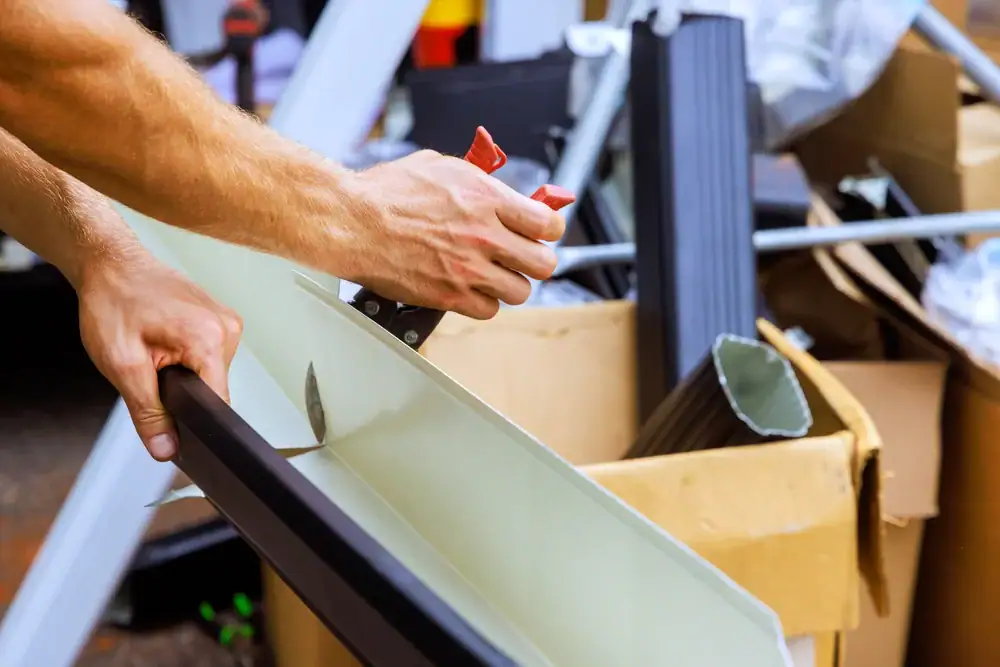
We start with a thorough inspection inside and outside your home. We’re looking for clogs, leaks, sagging sections, damaged downspouts, and any spots where water isn’t draining properly. You get photos of everything we find.
Then we explain what’s causing the problem and what it’ll take to fix it. Sometimes it’s a simple repair—resealing a joint or reattaching a section that’s pulled away. Other times we’re dealing with damage from ice dams or storms that requires replacing sections or reworking your drainage system.
We use materials designed for Long Island’s coastal climate—stuff that handles salt air, temperature swings, and UV exposure without falling apart in a few years. Our crew protects your property during the work, fixes the problem properly, and cleans up completely when we’re done.
You get photo updates throughout the process so you know exactly what’s happening. When we finish, your gutters drain properly and you’re protected against the water damage that comes from systems that don’t work.

Ready to get started?
Every gutter repair job starts with identifying why your system isn’t working. In Fort Salonga, that usually means dealing with one of three things: storm damage from nor’easters and high winds, ice dam damage from winter freeze-thaw cycles, or chronic drainage problems from Long Island’s heavy rainfall and dense tree coverage.
We fix leaks at seams and joints, reattach sections that have pulled away from fascia boards, replace damaged downspouts, and correct slope issues that cause water to pool instead of drain. If your gutters are clogged with the decomposed leaf matter that’s common here—oak, maple, and beech trees create debris that turns into solid masses—we clear that out and make sure water flows properly.
For homes dealing with ice dam problems, we address the drainage issues that cause water to back up and refreeze. For properties with foundation or basement water issues, we make sure your downspouts extend far enough from the house and that water isn’t pooling where it shouldn’t.
The goal is simple: water needs to move off your roof and away from your foundation without creating problems. We use the right materials for coastal conditions and make repairs that last 10-15 years or more, not temporary fixes that fail in the next storm.

Most homeowners in Fort Salonga spend between $500 and $1,200 for moderate gutter repairs. Minor fixes like resealing a joint or reattaching a small section might run $150-$300. Major repairs involving significant storm damage or replacing large sections of your system can reach $3,000 or more.
The cost depends on what’s actually wrong. A simple leak is cheap to fix. Damage from ice dams that have torn gutters off your fascia boards costs more because we’re repairing both the gutters and the underlying structure. Storm damage that’s affected multiple sections of your system requires more materials and labor.
Here’s what matters: a $200 repair now prevents the $8,000-$15,000 foundation repair you’ll face if water keeps pooling around your house. In Suffolk County’s sandy soil, water damage compounds fast. The leak itself might be minor, but the foundation damage it causes becomes a major financial hit. We give you clear estimates upfront so you know exactly what you’re paying for and why it matters.
Late October is ideal for gutter maintenance and repairs in Fort Salonga. You’re preparing for November’s typical 3-4 inches of rainfall and getting ahead of winter weather that creates ice dams and freeze-thaw damage.
Spring is the other critical window—April or early May after the last frost. This is when you’re dealing with whatever damage winter caused and clearing out debris before summer storms hit. Fort Salonga’s coastal weather doesn’t give your gutters much of a break, so timing your repairs between seasons makes sense.
That said, emergency repairs can’t wait for convenient scheduling. If you’re dealing with active water intrusion, storm damage, or gutters that have failed during heavy rain, waiting costs you more in secondary damage. We provide 24/7 emergency service throughout Suffolk County and typically respond within 2-4 hours depending on weather conditions and situation severity. When gutters fail during a nor’easter, you need help immediately—not next week when it’s more convenient.
Long Island’s coastal climate creates three main problems: storm damage from high winds and heavy rain, ice dam formation from freeze-thaw cycles, and chronic clogging from dense tree coverage. Fort Salonga gets more daily rainfall than about 79% of the U.S., and that constant moisture combined with salt air from Long Island Sound accelerates wear on gutter systems.
Summer storms and nor’easters create situations where high winds tear gutters from fascia boards while heavy rains expose existing weaknesses. Winter brings freeze-thaw cycles that cause water to back up and refreeze, forming ice dams that can literally pull gutter systems off houses. The area’s oak, maple, and beech trees drop leaves that decompose into solid, sponge-like masses that trap water and create perfect conditions for ice formation.
Materials matter here too. Gutters that aren’t designed for coastal conditions fail faster because salt air causes corrosion and UV exposure breaks down cheaper materials. We see a lot of systems that were installed with the wrong materials or improper slope, which means they never drained correctly from day one. Fixing these problems properly means using materials that can handle what Long Island weather throws at them and making sure your drainage system actually works.
If the damage is localized to one or two sections and the rest of your system is structurally sound, repair makes sense. If you’re dealing with widespread corrosion, multiple failing sections, or a system that’s consistently caused water damage despite repairs, replacement is the smarter move.
During our inspection, we document everything with photos and show you exactly what’s happening. Sometimes a gutter that looks terrible just needs a good cleaning and a few strategic repairs. Other times, a system that looks okay from the ground has underlying problems—improper slope, inadequate capacity for your roof size, or materials that have reached the end of their lifespan.
Here’s the real question: will this repair buy you another 5-10 years of reliable performance, or are you throwing money at a system that’s going to keep causing problems? We’re honest about that assessment because our reputation depends on doing right by Fort Salonga homeowners. If repair makes sense, we’ll tell you. If you’re better off replacing the system, we’ll explain why and show you exactly what we’re seeing.
We can handle most gutter repairs year-round, including winter. Emergency repairs make sense when you’re dealing with active water intrusion or damage that’s getting worse. Waiting until spring when it’s more convenient often means more expensive secondary damage to your foundation, basement, or interior walls.
Winter repairs come with some limitations. Extreme cold affects how certain sealants cure, and working on ice-covered roofs creates safety issues. But if your gutters have failed and water is getting into your house, those concerns take a back seat to stopping the damage.
The best approach is addressing problems before winter hits. That October maintenance window exists for a reason—you’re getting ahead of ice dam season and making sure your system can handle winter weather. But if something fails mid-winter, we’re available 24/7 for emergency service throughout Suffolk County. Sometimes you can’t wait, and we understand that. We’ll assess the situation, explain what we can do immediately versus what might need to wait for better conditions, and make sure you’re protected.
If storm damage directly caused your gutter problems—like a tree falling on your house or high winds tearing gutters off—your homeowners insurance likely covers the repair. That includes the gutters themselves, any damage to fascia boards or underlying structure, and related water damage that happened as a direct result of the storm.
What insurance typically doesn’t cover is damage from lack of maintenance or gradual wear. If your gutters failed because they were clogged and you never cleaned them, that’s on you. If they’re just old and worn out, that’s normal wear and tear. Insurance covers sudden, unexpected damage from specific events—not problems that developed over time because the system wasn’t maintained.
The key is contacting your insurance company immediately after storm damage occurs and documenting everything. We provide detailed photos and documentation that helps with insurance claims. We can work directly with your insurance adjuster to make sure they understand what happened and what it’ll take to fix it properly. But you need to report the damage quickly—waiting weeks or months can result in claims being denied because you didn’t mitigate further damage promptly.
Other Services we provide in Fort Salonga