

Hear From Our Clients

You’ve already dealt with water pooling around your foundation. Maybe you’ve patched a leak or tried sealing a seam yourself. But here’s what keeps happening: the next storm hits, and you’re right back where you started.
That’s because most gutter problems aren’t just about the gutter itself. It’s about what Long Island weather does to every part of the system. Salt air corrodes fasteners. Freeze-thaw cycles pop seams loose. Heavy, wet leaves from mature trees add weight your brackets weren’t designed to handle.
When we repair your gutters, we’re looking at why the problem started in the first place. We check the pitch, inspect the fascia for rot, test downspout flow, and use materials built for Suffolk County’s coastal conditions. You’re not getting a quick patch that fails in six months. You’re getting a repair that holds through multiple storm seasons and actually protects your home the way gutters are supposed to.
Home Team Construction has been fixing roofs, gutters, and structural problems across Suffolk County for over a decade. We’re not a franchise or a crew passing through from out of state. We’re local contractors who understand exactly what Patchogue weather does to your home.
When you call us, you’re talking to someone who knows that coastal humidity rots fascia boards faster than most homeowners realize. Someone who’s seen what happens when November rain sits in clogged gutters through January’s freeze-thaw cycles. Someone who won’t try to upsell you on a full replacement when a solid repair will do the job.
Our reputation is built on repeat customers who’ve used us five, six times because the work holds up. That’s what happens when you fix things right the first time.
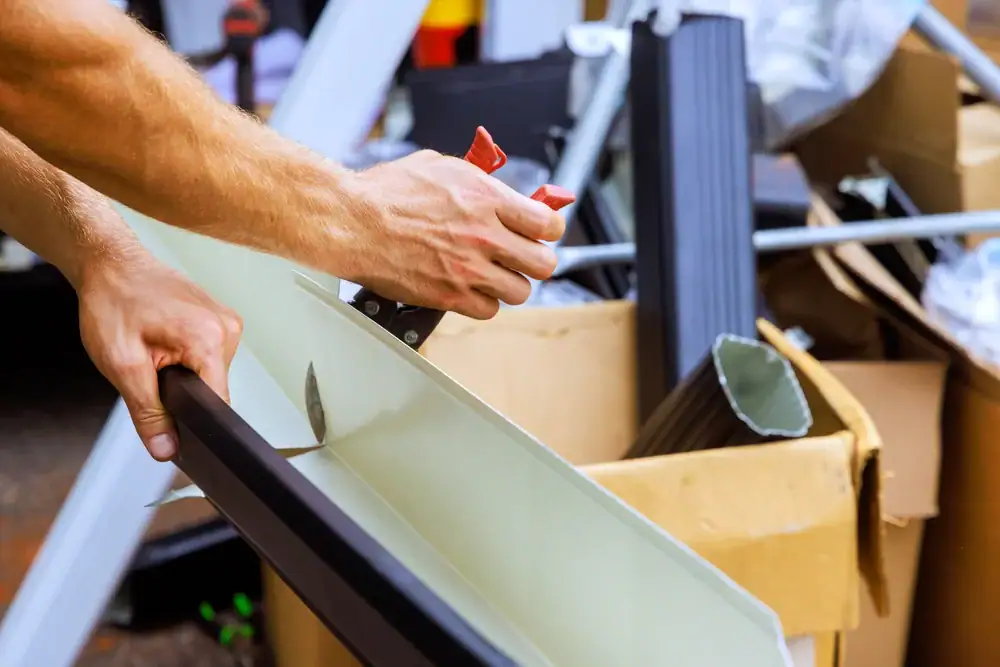
First, we come out and actually look at the problem. Not just the obvious leak or sag, but what caused it. We check your roof edge, inspect the fascia and soffit, test the pitch, and look for signs of long-term water damage that most homeowners miss.
Then we give you an upfront estimate. No surprises, no upselling. If your fascia board is rotted and needs replacement before we can secure new brackets, we tell you. If your downspouts are undersized for Long Island’s summer downpours, we explain why that matters.
Once you approve the work, we schedule it fast. Most gutter repairs in Patchogue take a day or less. We use fasteners and sealants designed for coastal conditions, not the standard stuff that fails in two years. And we clean up completely when we’re done—no debris left in your yard, no mess for you to deal with.

Ready to get started?
Leaking seams are one of the most common calls we get, especially after Patchogue’s wet springs and heavy autumn leaf drop. When debris sits in your gutters through multiple rain cycles, it holds moisture against the seams and causes them to separate. We reseal them with commercial-grade sealant that handles temperature swings and coastal humidity.
Sagging sections happen when brackets fail or fascia boards rot from prolonged water exposure. A sagging gutter isn’t just ugly—it changes the pitch and creates low spots where water pools instead of flowing to the downspout. We replace failed brackets, repair or replace damaged fascia, and restore proper pitch so water moves the way it should.
Downspout problems are often overlooked until water’s already damaging your foundation. If your downspouts are clogged, disconnected, or draining too close to your home, we fix that. Proper drainage means water gets at least six feet away from your foundation, not into your basement.
Ice dam damage is a real issue here. When gutters pull away from the fascia due to ice weight, it’s not just the gutter that needs attention—it’s the structural damage behind it. We assess everything, fix the root cause, and prevent it from happening again next winter.

Most gutter repairs in Patchogue run between $150 and $600, depending on what’s actually broken. A simple reseal or bracket replacement is on the lower end. If you need fascia board replacement or multiple sections repaired, you’re looking at the higher end of that range.
Here’s what affects the price: the extent of the damage, how accessible your gutters are, and whether there’s underlying rot or structural issues we need to address. A lot of homeowners call us thinking they just need a patch, but when we inspect, we find fascia damage that’s been hidden for months.
We give you an upfront estimate before we start any work. No hidden fees, no surprises when the job’s done. And honestly, spending $400 now to fix a gutter problem the right way beats the $8,000+ you’ll pay when water damage hits your foundation.
A properly done gutter repair should last 10 to 15 years, sometimes longer if you keep up with basic maintenance. That’s assuming we’re using quality materials designed for Long Island’s coastal weather and fixing the underlying cause, not just the visible symptom.
The repairs that fail quickly are the ones where someone just slaps sealant on a leak without checking why the seam separated in the first place. Or when they reattach a sagging section without replacing the rotted fascia board behind it. Those “fixes” might hold for a season, but they’re not solving the real problem.
When we repair your gutters, we’re looking at pitch, drainage, structural support, and material quality. We use fasteners that won’t corrode in salt air and sealants that handle freeze-thaw cycles. That’s why our repairs hold up through multiple storm seasons instead of failing the next time it rains hard.
Water spilling over the sides during rain is the most obvious sign, but it’s not the only one. If you see sagging sections, that means brackets have failed or the fascia board behind them is rotting. Peeling paint near your roofline usually means water’s been overflowing and running down your siding for a while.
Cracks or separated seams are easy to spot if you’re looking, but most homeowners don’t notice until water’s already pooling around their foundation. Rust stains on your siding or visible holes in the gutter itself mean you’re past due for repairs.
Here’s one people miss: if your basement suddenly feels damp or you’re getting water in your crawl space, check your gutters first. A lot of foundation problems start with gutters that aren’t doing their job. And in Patchogue, where we get heavy autumn rains and winter freeze-thaw cycles, small gutter problems turn into big structural issues fast.
Yes, but it depends on the temperature and what kind of repair you need. We can replace brackets, reattach sagging sections, and fix structural issues year-round. Sealing leaks is trickier when it’s below freezing because most sealants need temps above 40°F to cure properly.
If you’ve got an emergency—like a section that pulled away during an ice storm—we’ll come out and stabilize it so you’re not dealing with water damage while we wait for better weather. Then we’ll schedule the permanent fix when conditions allow the materials to bond correctly.
Honestly, the best time to repair gutters is in late spring or early fall, before the heavy rains and winter weather hit. But we understand that problems don’t wait for convenient timing. If your gutters are failing now, call us. We’ll figure out the best solution based on what’s broken and what the weather’s doing.
Most gutter problems can be repaired if you catch them early enough. Leaking seams, sagging sections, damaged brackets, even small cracks—those are all fixable without replacing the entire system. Replacement makes sense when the gutters are severely corroded, when you’ve got extensive damage across multiple sections, or when the system is undersized for your roof.
Here’s how we decide: if more than 30% of your gutter system needs repair, replacement often makes more financial sense. If your gutters are original to a home built in the 1970s or earlier, they might be 4-inch gutters that can’t handle Long Island’s heavy rainstorms. Upgrading to 6-inch gutters prevents future overflow problems.
We’re not going to push you toward a replacement if a repair will solve the problem. But we’re also not going to patch something that’s going to fail again in a year. When we assess your gutters, we’ll tell you honestly what makes sense for your situation and your budget.
Clean your gutters twice a year—once in late spring after the pollen and seed drop, and again in late fall after the leaves come down. That’s the single most important thing you can do. Clogged gutters lead to standing water, which leads to rust, rot, and separated seams.
Check your downspouts to make sure water’s actually flowing through them and draining at least six feet away from your foundation. A lot of Patchogue homes have downspouts that dump right next to the house, which defeats the whole purpose of having gutters.
After major storms, do a quick visual check. Look for sagging, check that water’s flowing properly during the next rain, and watch for any overflow. Catching small problems early—a loose bracket, a minor leak—means you’re paying for a quick repair instead of major damage. And if you’ve got mature trees near your house, consider gutter guards. They’re not foolproof, but they cut down on the debris that causes most of the problems we see.
Other Services we provide in Patchogue