
Hear From Our Clients
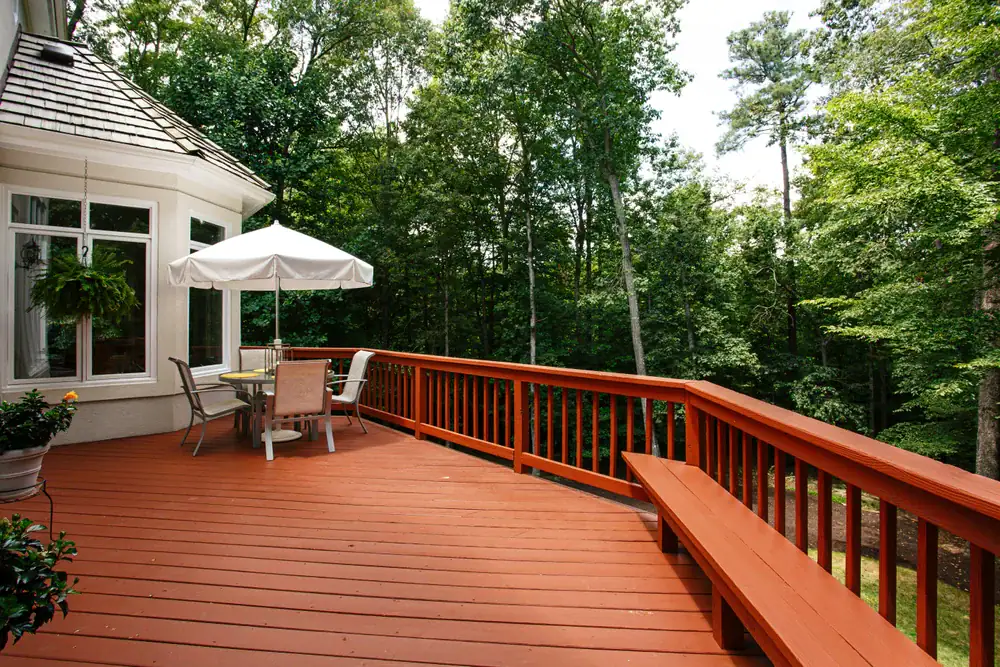
You shouldn’t have to warn guests about which boards to avoid. A properly repaired deck means your kids can run around without you holding your breath, and you can host summer barbecues without wondering if that railing will hold.
Sound Beach’s coastal climate accelerates deck damage faster than you’d expect. Salt air corrodes fasteners, humid summers promote rot, and freeze cycles crack boards that looked fine last season. What starts as a small crack becomes a rotted board in months, not years.
Professional deck repair catches these problems before a $300 board replacement turns into a $3,000 structural overhaul. You get your outdoor space back—the one you actually use instead of avoid. Most repairs wrap up in one to three days, depending on what needs fixing. Your deck looks refreshed, functions safely, and adds value instead of becoming a liability you dread showing potential buyers.
Home Team Construction has spent over 20 years working on Suffolk County homes. We’re the local deck repair contractors your neighbors call when they need real repairs, not patch jobs that fail by next spring.
Sound Beach homeowners deal with specific challenges—coastal moisture, salt exposure, and temperature swings that inland properties don’t face. We use marine-grade fasteners and pressure-treated lumber rated for these exact conditions. Our crews understand Long Island building codes and show up when we say we will.
You’ll get a detailed assessment before any work starts. No surprise costs, no upsells for services you don’t need. Just clear explanations of what’s wrong, what it takes to fix it properly, and what that costs.
First, we inspect your entire deck—not just the obvious problem spots. Support posts rot from the inside out, joists weaken where moisture gets trapped, and ledger boards pull away from houses without visible warning signs. We check the foundation up through the railings because surface damage usually points to deeper issues.
You’ll get a written assessment that explains what needs immediate attention, what can wait, and why. We’ll tell you if a repair makes sense or if you’re better off with a replacement. Some contractors push full rebuilds when targeted repairs would work fine—we don’t operate that way.
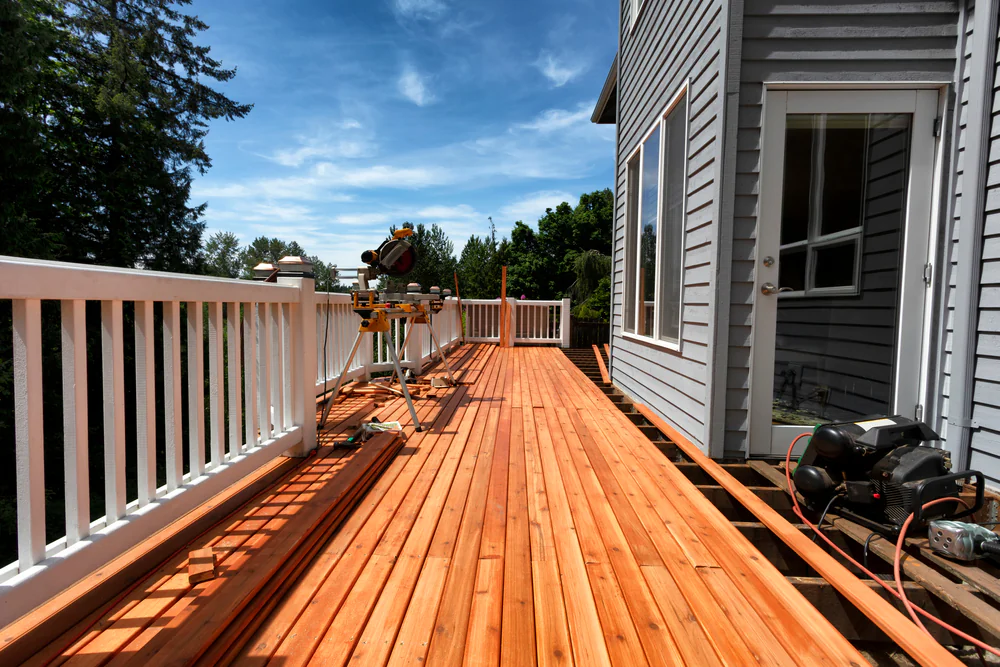
Once you approve the scope, most jobs get scheduled within days. Simple repairs like replacing boards or securing loose railings often finish in a single day. Structural work involving joists, posts, or stair systems typically takes two to three days. We use stainless steel or hot-dipped galvanized fasteners that won’t corrode in salt air, and we match existing materials unless there’s a good reason to upgrade.
After completion, you get a warranty that covers both materials and workmanship. If something we repair fails because of how we did the work, we fix it at no charge.
Ready to get started?
Board replacement addresses rotting, splintering, or cracked decking before the damage spreads. We remove compromised boards, inspect the joists underneath, and install new lumber that matches your existing deck. If your deck is older composite material, we source matching products or recommend current equivalents.
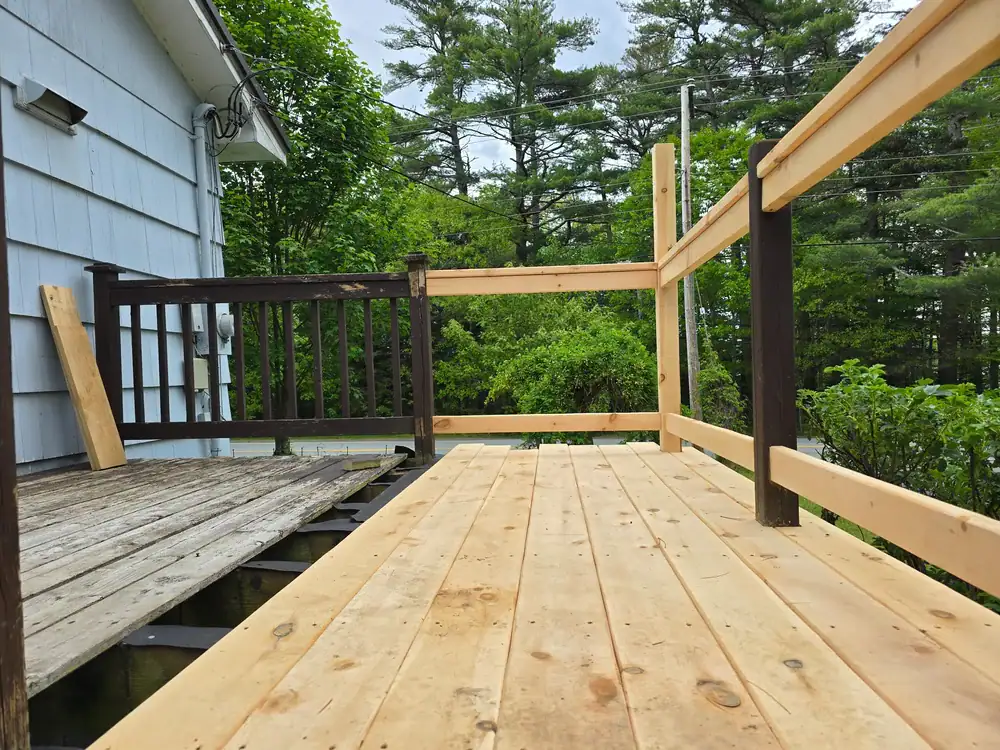
Railing repairs fix loose posts, wobbly balusters, and handrails that shift when you lean on them. Shaky railings aren’t just annoying—they’re dangerous, especially on elevated decks. We re-anchor posts properly, replace rotted sections, and ensure everything meets current code requirements.
Structural repairs tackle the hidden problems that most homeowners don’t see until it’s serious. Joist reinforcement, ledger board re-attachment, and support post replacement fall into this category. These repairs cost more than surface fixes, but they prevent deck collapse and extend your deck’s life by 10-plus years.
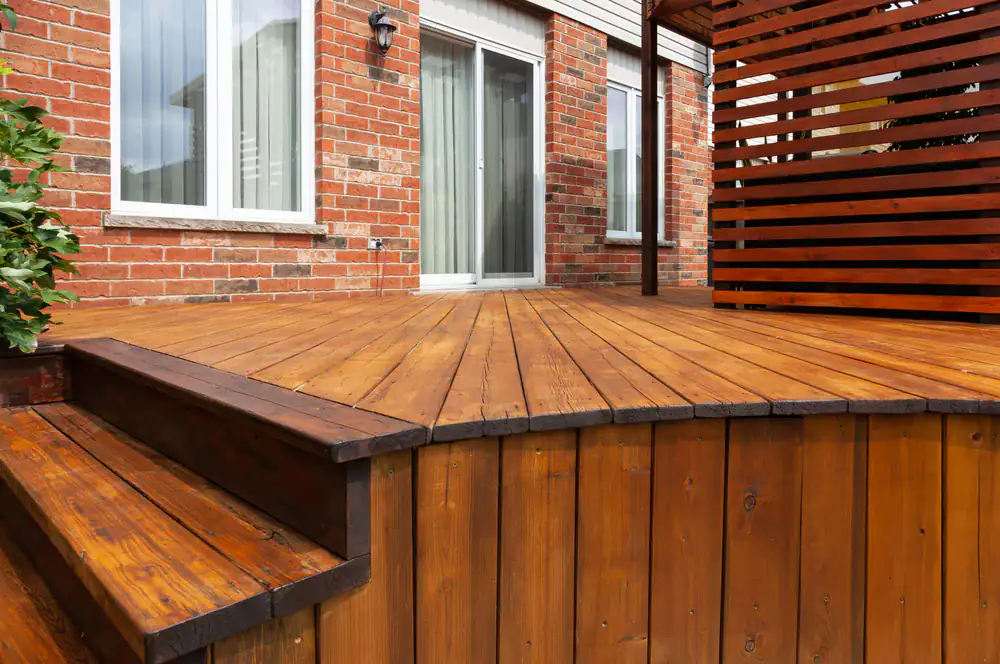
Stair repair covers treads, stringers, and stair railings. Stairs take more abuse than any other deck component and show wear first. We rebuild stairs that have become safety hazards and make sure they’re code-compliant—especially important if you’re planning to sell your home.

If more than 40% of your deck shows serious damage, replacement usually makes more financial sense than extensive repairs. But most Sound Beach decks we inspect need targeted fixes, not complete rebuilds.
Check your ledger board first—that’s where your deck attaches to your house. If it’s rotted or pulling away, that’s a critical repair but doesn’t necessarily mean your whole deck is shot. Next, look at your support posts and main beams. If these structural elements are solid, you can almost always repair surface and secondary issues cost-effectively.
Deck age matters too. A 10-year-old deck with some rotted boards is worth repairing. A 25-year-old deck with widespread rot, multiple structural issues, and outdated construction methods might be better off replaced. We’ll give you an honest assessment either way—our reputation depends on homeowners trusting our recommendations, not maximizing project size.
Coastal salt air accelerates metal corrosion, which means the nails, screws, and brackets holding your deck together weaken faster than they would 20 miles inland. Standard galvanized fasteners that last 15 years in central Long Island might fail in 8-10 years here.
Humidity stays higher in Sound Beach, especially during summer months. Wood doesn’t dry out completely between rain events, creating perfect conditions for rot and mold. This affects the underside of deck boards and any wood-to-wood connections where moisture gets trapped.
Freeze-thaw cycles crack boards and open up gaps that let water penetrate deeper into the wood. Once water gets inside cracks, it freezes, expands, and makes the damage worse with each winter. That’s why a small crack you notice in fall can become a split board by spring. Regular inspections catch these problems while they’re still cheap to fix.
Straightforward repairs like replacing a few boards or tightening loose railings typically take one day. You’ll have your deck back by dinner.
Mid-level repairs involving multiple boards, railing sections, or stair work usually need two days. Day one covers demolition and structural assessment, day two handles installation and finishing. We don’t rush through structural work—doing it right matters more than doing it fast.
Extensive structural repairs involving joists, beams, or support posts can take three to five days depending on scope. These jobs require proper support installation, concrete work for footings, and inspection time for critical connections. Weather can extend timelines too—we won’t install certain materials in rain or when temperatures drop too low. You’ll know the realistic timeline before we start, and we’ll update you if anything changes.
We repair all deck materials—wood, composite, PVC, and aluminum. Each material has different failure patterns and requires specific repair approaches.
Composite decking rarely rots, but it can crack, fade, or develop mold in shaded areas. Boards also expand and contract more than wood, which sometimes causes fastener issues. We replace damaged composite boards and address the underlying cause—usually inadequate ventilation or improper fastener spacing. Matching discontinued composite products can be tricky, but we’ve built relationships with suppliers who stock or can source older product lines.
PVC and aluminum decks typically need structural repairs rather than surface work. The decking itself holds up well, but the wooden framing underneath still rots. We’ve seen plenty of beautiful composite decks with rotted joists—homeowners assume composite means maintenance-free and skip inspections. The framing needs the same attention regardless of what’s on top.
Wood deck repairs are our most common work. We match species, stain, and board dimensions to blend repairs with existing sections. Pressure-treated lumber, cedar, and ipe all require different techniques and fasteners.
Yes, we handle emergency repairs when safety hazards need immediate attention. Storm damage that creates loose boards, collapsed railings, or structural instability gets priority scheduling.
Emergency response focuses on making your deck safe quickly—we’ll stabilize dangerous conditions, remove trip hazards, and secure loose components. This might mean temporary bracing or partial demolition if sections are unsafe. Once the immediate danger is handled, we’ll assess what permanent repairs you need and schedule that work.
We can often respond same-day or next-day for true emergencies in Sound Beach and surrounding Suffolk County areas. Call us directly and explain the situation—we’ll let you know if it qualifies for emergency service or if it can wait for regular scheduling. Not every repair needs emergency treatment, and we won’t charge emergency rates unless the situation actually warrants it. Most “emergencies” we see are storm-related damage after nor’easters or fallen trees that impact deck structures.
A well-maintained deck absolutely increases property value, while a damaged deck hurts it. Home inspectors flag deck problems, and buyers either negotiate the price down or walk away entirely when they see safety issues.
Repairing your deck before listing your home prevents it from becoming a negotiation point. Buyers see a functional outdoor space instead of a project they’ll need to handle. In Sound Beach’s market where outdoor living space matters, a solid deck can be a selling point rather than a liability.
The return on investment for deck repairs is strong because you’re preventing value loss more than adding new value. A $2,000 repair might prevent a $10,000 price reduction during negotiations. Plus, you get to use and enjoy your deck while you still own the home—it’s not just about resale.
Even if you’re not selling soon, regular maintenance prevents small problems from becoming expensive disasters. A $500 repair today beats a $5,000 emergency replacement next year. Sound Beach’s climate means the longer you wait, the more expensive and extensive repairs become.
Other Services we provide in Sound Beach