Hear From Our Clients
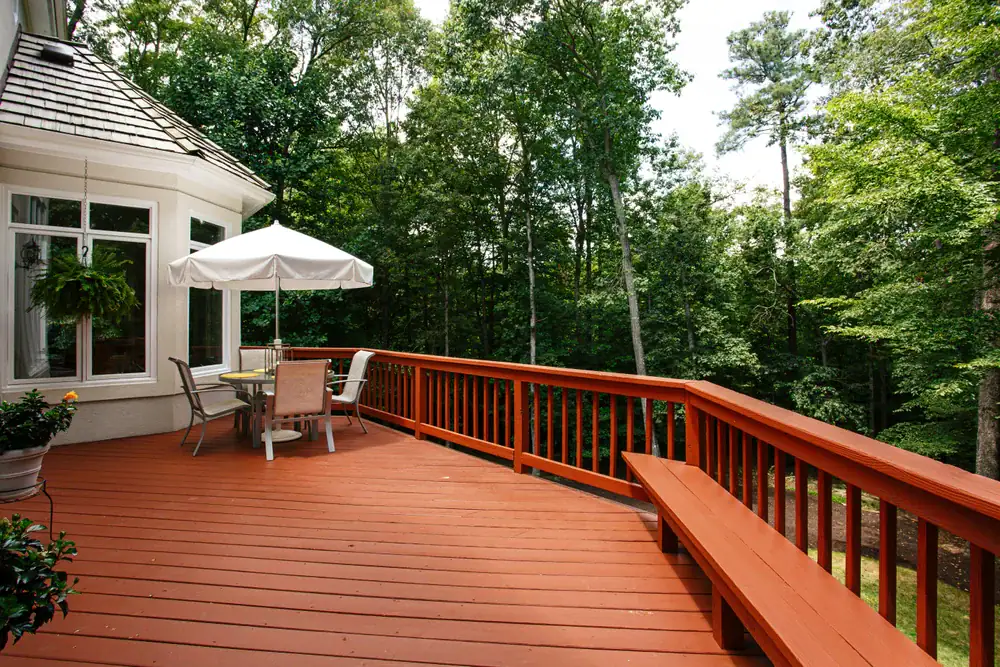
You shouldn’t have to avoid certain spots on your own deck. You shouldn’t worry every time your kids run across it or guests lean on the railing. And you definitely shouldn’t be embarrassed to have people over because your outdoor space looks rough.
When your deck’s fixed correctly, those concerns disappear. You get a structure that’s safe, looks good, and handles what Long Island throws at it—salt air, humidity, freeze-thaw cycles, all of it. No more putting off gatherings or second-guessing whether that board will hold.
Most deck problems in Blue Point start small. A crack here, a soft spot there. But Long Island’s coastal climate doesn’t give you much time before those small issues become expensive ones. The sooner you address them, the less you’ll spend and the longer your deck will last.
We’ve spent over a decade working on decks throughout Blue Point and the surrounding Suffolk County area. We’ve seen what the coastal climate does to outdoor structures, and we know how to fix it so it actually lasts.
We’re licensed, insured, and we don’t oversell. When you call us, we’ll inspect your entire deck—not just the obvious problem areas—and tell you exactly what needs attention and what doesn’t. No upselling, no scare tactics, just a clear breakdown of what’s wrong and how much it’ll cost to fix.
Blue Point homeowners deal with unique challenges. The salt air corrodes fasteners faster than you’d expect. Humidity gets into wood and composite materials differently here than it does inland. We account for all of that when we repair your deck, using materials and methods that work specifically for this area.
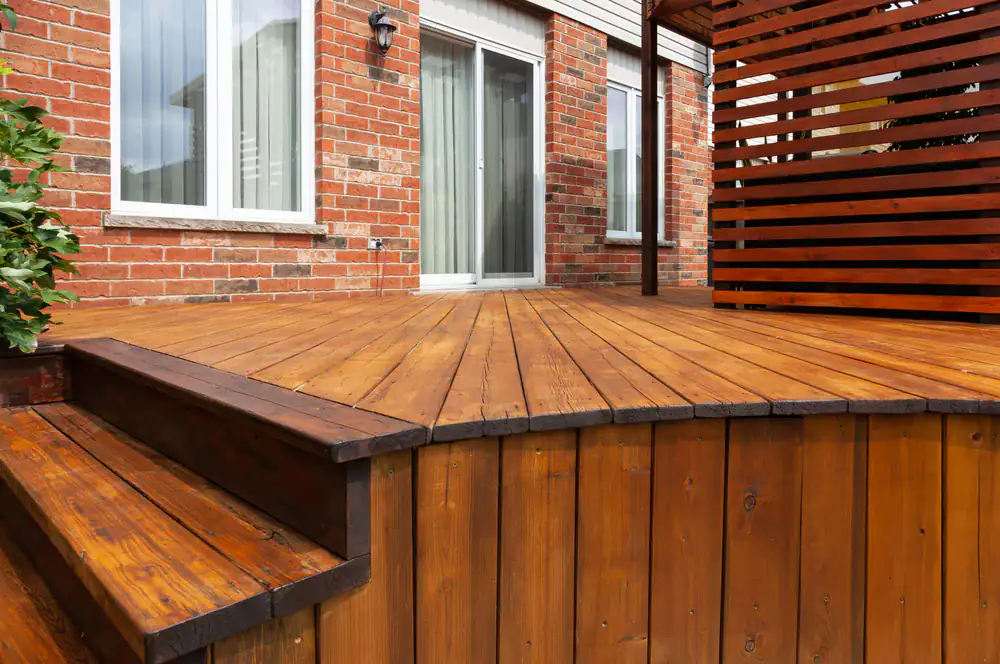
First, we inspect the entire structure. That means checking the boards you walk on, the joists underneath, the posts, the ledger board attached to your house, and every connection point. We’re looking for rot, structural damage, loose fasteners, and any code violations that could cause problems down the road.
Then we give you a detailed estimate. You’ll know exactly what needs fixing, why it needs fixing, and how much each part costs. If something’s borderline, we’ll tell you that too—sometimes you can wait another year, sometimes you can’t.
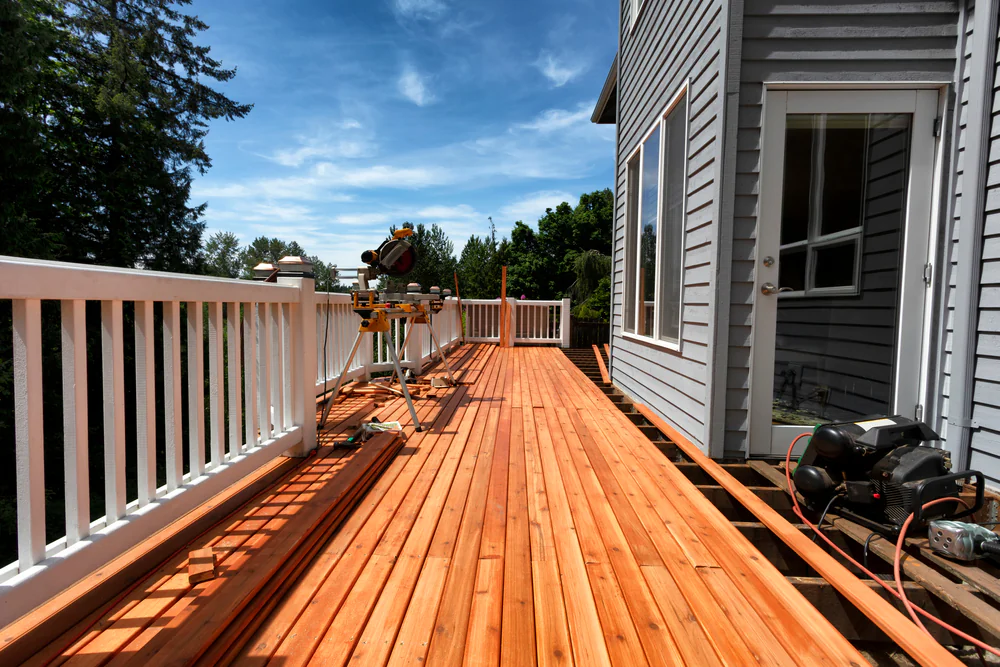
Once you approve the work, most repairs take one to three days depending on scope. Simple board replacements and railing fixes usually wrap up in a day. Structural repairs involving joists, posts, or extensive damage typically take two to three days. We use pressure-treated lumber for framing, quality decking materials that match your existing setup when possible, and only corrosion-resistant fasteners that can handle coastal conditions.
After we’re done, you’ll have a deck that’s structurally sound and ready to use. We clean up completely and walk you through what we did and what to keep an eye on going forward.
Ready to get started?
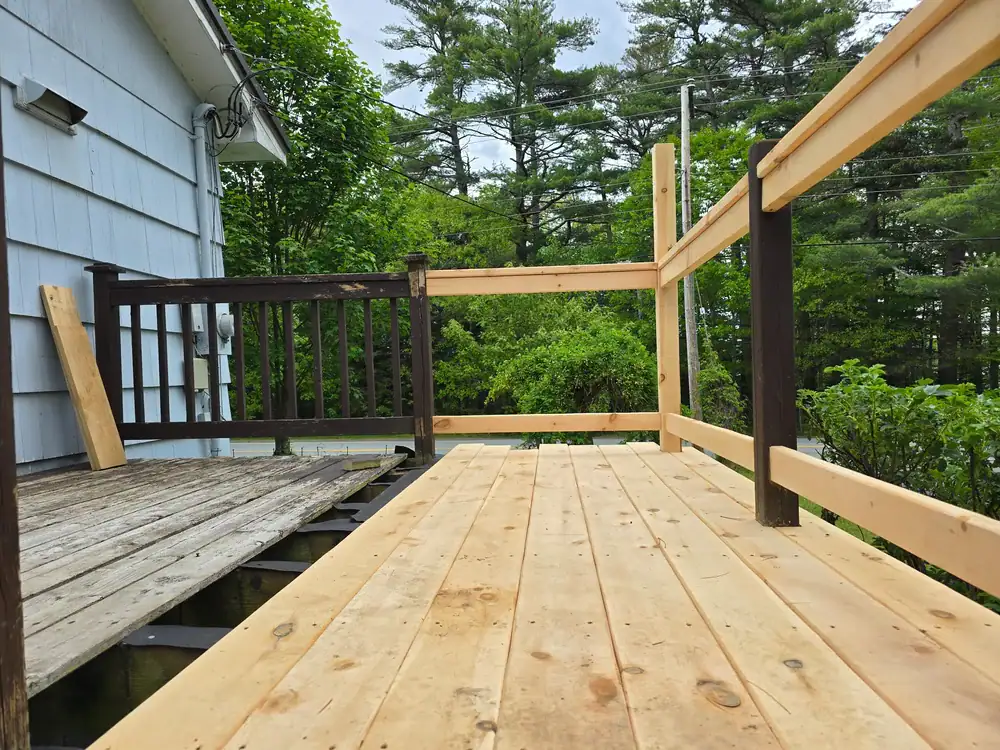
We handle deck board replacement when boards are cracked, rotted, or warped beyond repair. We fix and reinforce deck railings that feel loose or don’t meet current code requirements. We address structural issues with joists, beams, and support posts that compromise your deck’s safety.
In Blue Point specifically, we see a lot of fastener corrosion from salt air. Regular screws and nails rust out faster here than they do inland, which leads to loose boards and wobbly railings. We replace those with stainless steel or coated fasteners designed for coastal environments.
We also handle flashing repairs where your deck attaches to your house. That ledger board connection is critical—if water gets behind it, you’re looking at rot in your deck and potentially your home’s structure. We make sure that connection is watertight and properly secured.
Most homeowners in Suffolk County don’t realize how much the local climate affects their deck’s lifespan. The combination of humid summers, harsh winters, and constant salt air exposure means your deck needs materials and installation methods that account for those conditions. That’s what separates a repair that lasts from one that fails in two years.

Most deck repairs in Blue Point run between $1,000 and $5,000, but that range depends entirely on what’s wrong. If you need a few boards replaced and some railing tightened up, you’re looking at the lower end. If we’re dealing with structural issues—rotted joists, failing support posts, or extensive board replacement—costs move higher.
The biggest factor is how long the problem’s been developing. A soft board caught early might cost $200 to replace. That same board ignored for two years can lead to joist damage underneath, and now you’re looking at $2,000+ because we’re rebuilding structure, not just swapping boards.
We give you a detailed estimate before any work starts, broken down by what needs fixing and why. No surprises, no “we found more problems” upsells halfway through. You’ll know the full cost upfront.
Simple repairs—replacing a few boards, tightening railings, fixing minor issues—usually take one day. We show up in the morning, complete the work, clean up, and you’re using your deck that evening.
More extensive repairs take two to three days. If we’re addressing structural problems, replacing large sections of decking, or rebuilding railings to meet current code, we need more time to do it right. We’re not rushing through structural work just to finish faster.
Weather can affect timing, especially in spring and fall when rain’s more common. We won’t install new boards in the rain or when moisture levels are too high—that’s asking for problems later. We’d rather delay a day than compromise the repair quality.
Usually, yes—but it depends on what you currently have and how old it is. If your deck uses standard pressure-treated lumber or common composite brands, we can typically get very close matches. The new boards might look slightly different at first, but they’ll blend in as everything weathers.
If your deck’s older and uses discontinued materials or unusual wood species, exact matches get harder. In those cases, we’ll show you the closest available options. Sometimes refinishing or staining the entire deck after repairs makes more sense than trying to match aged materials perfectly.
For composite decks, we need to know the brand and product line. Most major composite manufacturers keep their popular colors and styles in production for years, which makes matching easier. If your specific product’s been discontinued, we’ll find the closest current equivalent and explain the differences before you commit to anything.
Spring and fall are ideal for deck repairs in Blue Point. Temperatures are moderate, humidity’s more manageable, and materials acclimate better. You’re also not competing with everyone else trying to get their deck ready for summer.
Summer works too, but that’s peak season. Everyone wants their deck fixed before the Fourth of July, which means longer wait times for scheduling. If you’re flexible on timing, booking in April, May, September, or October usually gets you faster service.
Winter’s possible for urgent structural repairs that can’t wait, but it’s not ideal. Cold temperatures affect how materials perform and how long certain products take to cure or set. We’ll do emergency winter repairs when safety’s at stake, but planned maintenance should wait for better weather.
If the structural components—your joists, beams, and support posts—are solid, repair almost always makes more sense. Surface problems like damaged boards, worn railings, or cosmetic issues don’t require rebuilding the entire deck. You’re looking at a fraction of the cost with years of additional life.
Replacement makes sense when the structure underneath is compromised. If your joists are rotting, posts are failing, or the ledger board connection to your house is deteriorating, you’re often better off rebuilding. At that point, you’re not just fixing what’s visible—you’re addressing fundamental structural problems that affect the entire deck.
We’ll tell you honestly which situation you’re in. During our inspection, we check everything structural. If repair makes sense, we’ll explain exactly what needs fixing and how long that’ll last. If replacement’s the better move, we’ll explain why and what that involves. You’ll have enough information to make the right call for your situation and budget.
It depends on the scope of work. Simple repairs like replacing a few boards or tightening existing railings typically don’t require permits. You’re maintaining what’s already there, not changing the structure.
Structural repairs, railing replacements, or anything that affects the deck’s load-bearing capacity usually do need permits. If we’re replacing joists, adding or moving posts, or rebuilding railings to meet current code, we’re pulling permits. That protects you—it means the work gets inspected and meets current building standards.
We handle the permit process when it’s required. You don’t need to visit town offices or figure out what paperwork’s needed. We submit everything, schedule inspections, and make sure the work passes. It adds a few days to the timeline, but it’s worth it for the peace of mind and the documentation if you ever sell your home.
Other Services we provide in Blue Point