Hear From Our Clients
You shouldn’t be climbing into your attic with a flashlight after every nor’easter. You shouldn’t be calling three different contractors just to get one text back. And you definitely shouldn’t be wondering if that estimate includes the flashing work or if that’s going to be another surprise charge later.
A properly installed roof means you’re not thinking about your roof anymore. No buckets in the hallway. No stress when the forecast shows wind and rain. No wondering if this winter’s ice is going to turn a small problem into a five-figure disaster.
That’s what happens when the installation is done right from the start. The materials match what Blue Point weather actually throws at you—salt air from Great South Bay, summer heat that bakes shingles, winter ice that finds every weak point. The crew knows how to handle older homes with unique roof lines and the structural quirks that come with coastal Long Island properties.
You get a roof that does its job quietly for the next 20-plus years while you focus on literally anything else.
Home Team Construction has been handling roof installations and repairs across Suffolk County for over a decade. We’re not a national franchise that parachutes in after a storm and disappears. We’re the roofer contractor your neighbor actually calls back when they need work done.
Our crews are licensed, insured, and familiar with Blue Point’s specific challenges. We’ve replaced roofs two blocks from the bay that take constant salt spray. We’ve handled emergency repairs after hurricanes ripped shingles off in the middle of the night. We’ve worked on 80-year-old homes where the framing wasn’t quite square and new construction where the builder cut corners.
You’re not getting a sales pitch. You’re getting an honest assessment of what your roof needs, a clear estimate before we start, and work that actually lasts. That’s how we’ve stayed busy in this area for ten years while other companies come and go.
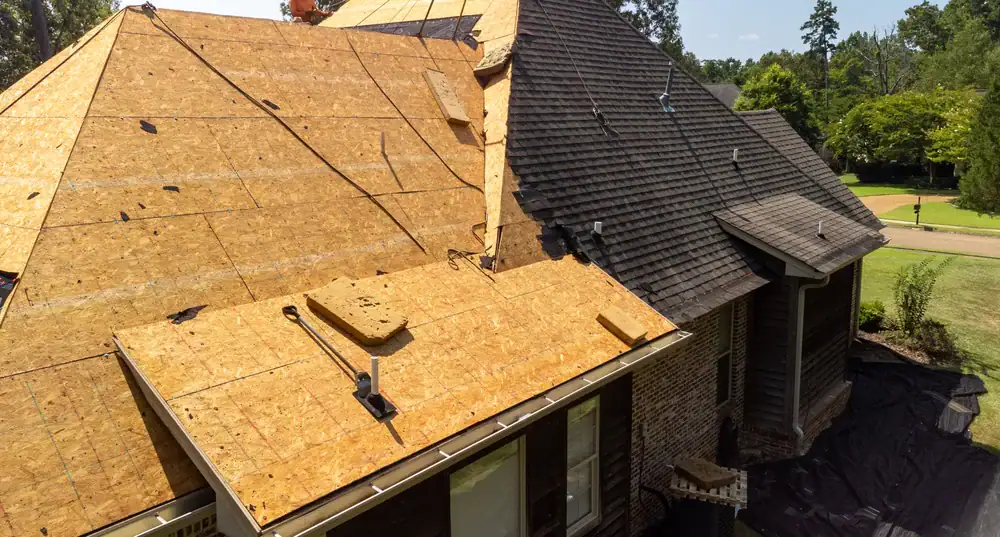
First, we come out and actually look at your roof. Not a satellite image—we’re talking about a real inspection where we check the decking, the flashing, the ventilation, and whether your current setup is causing problems you don’t even know about yet. You get a written estimate that breaks down materials, labor, and timeline. No vague line items.
Once you’re ready to move forward, we handle the permits and schedule the work around your life and the weather. Blue Point’s coastal location means we’re watching forecasts closely—you don’t install a roof with a nor’easter two days out.
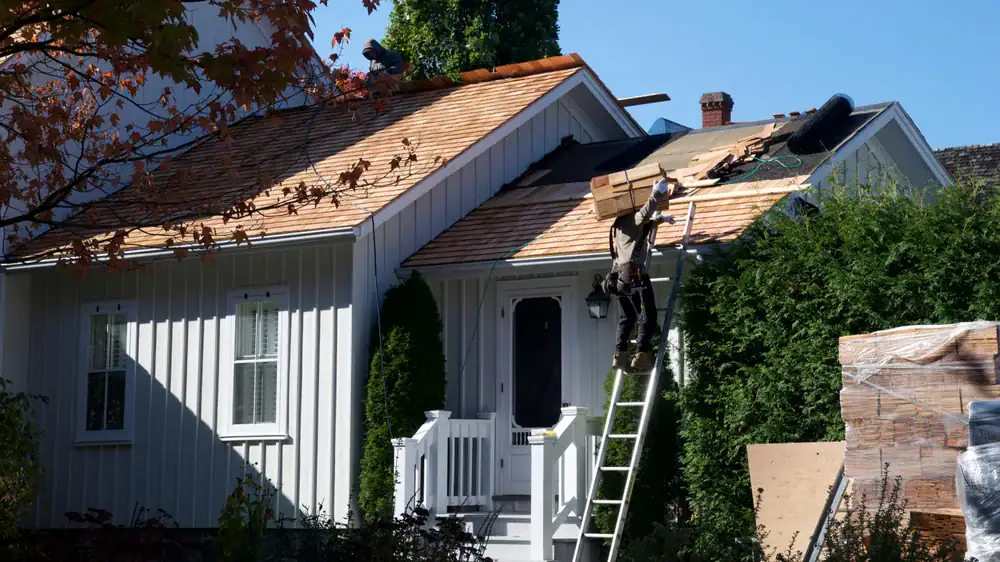
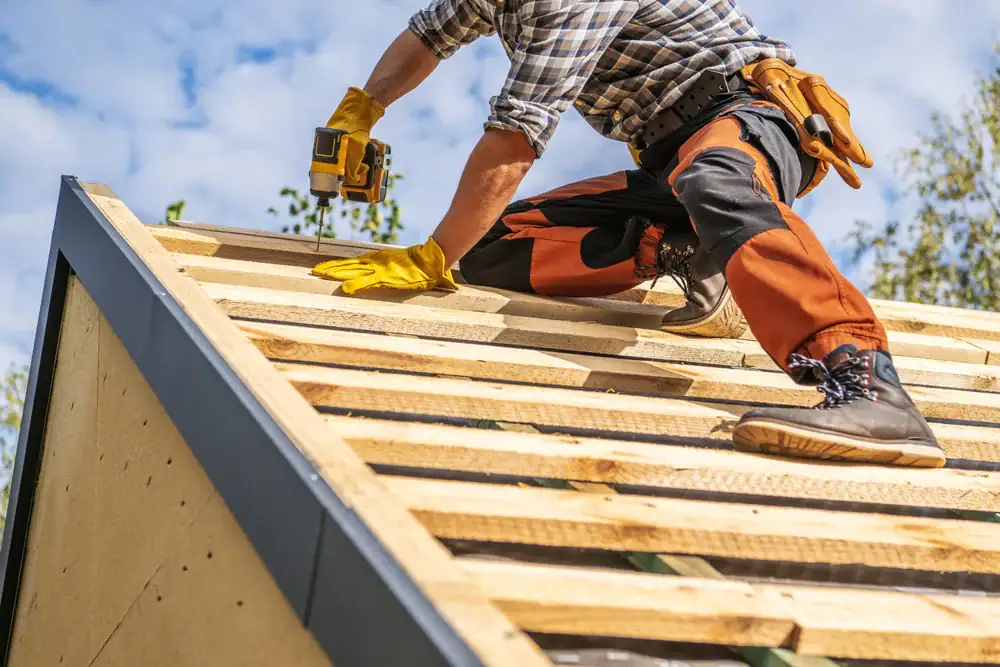
The installation itself usually takes one to three days depending on your roof’s size and complexity. We tear off the old materials, inspect and repair any decking that’s compromised, install new underlayment and ice barriers, then put down your shingles or metal roofing. Flashing around chimneys, skylights, and valleys gets special attention because that’s where most leaks start. We’re not rushing to get to the next job.
Cleanup happens the same day. Magnetic rollers pick up nails, tarps catch debris, and your property looks like we were never there—except for the new roof.
You get a final walkthrough where we show you the completed work and answer any questions. Then you get documentation for your records and warranty information for the materials and our labor.
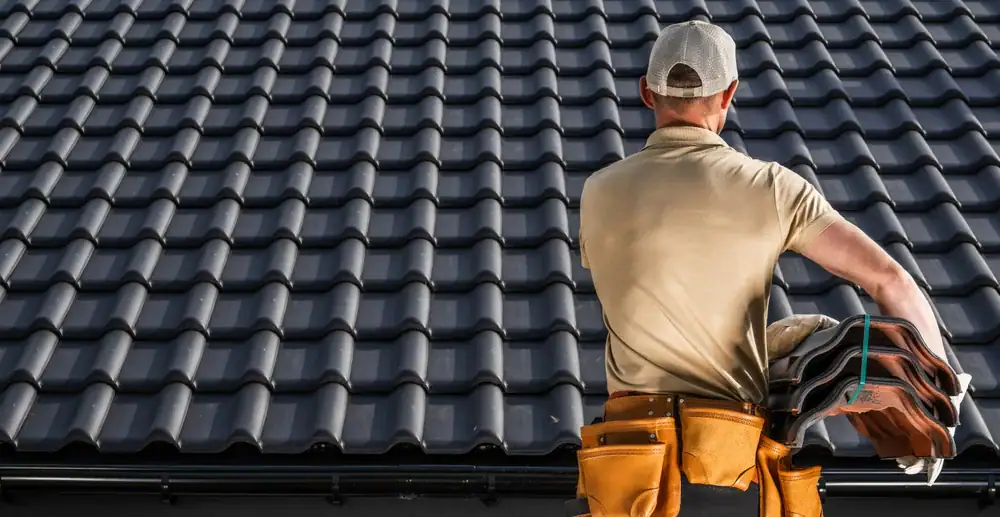
Ready to get started?
Your roof installation includes materials rated for Long Island’s specific conditions. That means shingles designed to handle high winds during hurricanes and nor’easters, not just the minimum code requirement. It means underlayment that won’t deteriorate from humidity and temperature swings. It means flashing that resists corrosion from salt air blowing off Great South Bay.
We’re installing impact-resistant shingles on most Blue Point homes now because insurance companies are starting to require them in coastal areas, and they genuinely perform better when branches come down during storms. If you’re considering metal roofing, we’ll walk you through how it handles snow load and whether the noise during rain is actually an issue or just something people worry about.
The decking inspection isn’t optional. Older homes in Blue Point often have wood rot from decades of moisture exposure, and you can’t put a new roof over compromised decking. We replace damaged sections before the new materials go on, which is why our estimates include a line item for potential decking repairs—we’d rather be upfront about it than surprise you mid-job.
Ventilation gets addressed during installation because a roof that can’t breathe properly won’t last as long as it should. Ridge vents, soffit vents, proper attic airflow—these aren’t upsells, they’re part of making sure your investment actually protects your home for 20-plus years instead of needing repairs in five.
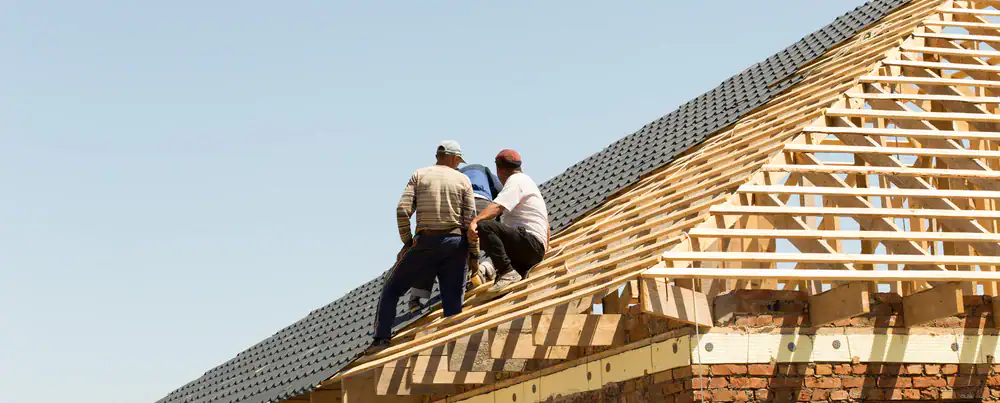
Most residential roof installations in Blue Point take one to three days from tearoff to cleanup. A straightforward ranch with good access might be done in a day. A two-story colonial with multiple valleys, chimneys, and skylights will take longer.
Weather is the wildcard. We’re not installing your roof if there’s rain in the forecast or if winds are going to make it unsafe for the crew. Blue Point’s location near the water means conditions can change quickly, so we build flexibility into the schedule. You’re not getting rushed work because we’re trying to beat a storm.
The actual timeline also depends on what we find when we remove the old materials. If the decking is solid, we move fast. If we’re replacing rotted sections or fixing structural issues, that adds time. We’ll let you know immediately if we find something that changes the timeline, and we’ll explain exactly why it matters and what it costs to fix it properly.
Architectural shingles and metal roofing both perform well in Blue Point’s coastal environment, but for different reasons. Architectural shingles rated for high winds and impact resistance handle the storms we get here, and they’re the most cost-effective option for most homeowners. They’re also what most insurance companies expect to see on Long Island homes.
Metal roofing costs more upfront but lasts 40-plus years and handles salt air better than any shingle. It sheds snow and ice quickly, which matters during heavy winters. The tradeoff is cost and the fact that not every home’s style works with metal—it looks great on some houses and out of place on others.
What doesn’t work well here: basic three-tab shingles that meet minimum code but won’t hold up to Blue Point’s weather. They’re cheaper initially, but you’ll be calling for repairs sooner and replacing the roof earlier. The salt air, temperature extremes, and storm exposure we get near Great South Bay will chew through lower-grade materials faster than you’d expect. Spend the extra money on materials rated for coastal conditions and you’ll actually save money over the roof’s lifetime.
If your roof is under 15 years old and the damage is localized—a few missing shingles after a storm, flashing that’s come loose, a small leak around a chimney—repair usually makes sense. You’re fixing the problem without the cost of a full replacement.
If your roof is over 20 years old, if you’re seeing leaks in multiple spots, if shingles are curling or losing granules across large sections, or if your attic inspection shows water stains in several areas, you’re looking at replacement. Patching an old roof is just delaying the inevitable, and you’re likely to end up paying for repairs now and a full replacement within a year or two anyway.
The age of your roof matters less than its condition. We’ve seen 25-year-old roofs in Blue Point that are shot because they were installed poorly or used cheap materials that couldn’t handle the salt air. We’ve also seen 18-year-old roofs that have plenty of life left because they were done right the first time. An honest inspection will tell you which situation you’re in. We’re not going to sell you a replacement if a repair actually solves your problem, because we want you to call us again when you do need a new roof—and to tell your neighbors about us.
Most roof installations in Blue Point run between $8,000 and $18,000 depending on your home’s size, roof complexity, and material choice. A simple ranch with easy access and architectural shingles will be on the lower end. A two-story home with steep pitches, multiple chimneys, skylights, and premium materials will cost more.
The variables that affect price: square footage of your roof, number of layers we’re tearing off, condition of the decking underneath, type of materials you choose, and how complicated your roof’s geometry is. A roof with a dozen valleys and angles takes longer to install properly than a simple gable roof, and that labor shows up in the estimate.
What should be included in that price: permits, tearoff and disposal of old materials, new underlayment and ice barriers, installation of your chosen roofing material, all flashing work, ventilation improvements if needed, cleanup, and final inspection. If a contractor’s estimate seems unusually low, start asking what’s not included—because something isn’t.
We give you a written estimate that breaks down these costs before any work starts. You’ll know exactly what you’re paying for, and if we find additional work needed once we open up the roof, we’ll explain it and get your approval before proceeding. No surprise bills after the job is done.
Insurance typically covers roof replacement if the damage came from a covered event—a hurricane, a fallen tree, fire, or sudden storm damage. They’re not covering a roof that’s just old and worn out from normal aging. That’s considered maintenance, which is on you.
If you’ve had storm damage, document everything with photos before any temporary repairs, and call your insurance company right away. Most policies require you to report damage within a certain timeframe. We can work with your adjuster and provide documentation of the damage and what’s needed to fix it properly, but the decision to cover it is between you and your insurance company.
Here’s what matters for insurance claims in Blue Point: after major storms, adjusters get overwhelmed and timelines stretch out. File your claim quickly. Take detailed photos. Keep records of any emergency repairs you had to make to prevent further damage. And be aware that insurance companies have been getting stricter about coastal properties—some are requiring impact-resistant shingles or offering discounts if you install them.
If insurance does cover your replacement, you’ll typically get an initial payment minus your deductible, then a second payment after the work is completed and inspected. We can walk you through that process, but we can’t guarantee what your insurance will or won’t cover. That’s between you and your policy.
Start with licensing and insurance. Any roofer working on your home should be licensed in New York and carry both liability insurance and workers’ compensation. If someone gets hurt on your property and they’re not covered, that’s your problem. Ask to see proof of both before signing anything.
Look for contractors with local experience—not just in New York, but specifically in Suffolk County and coastal areas. Blue Point’s weather and building conditions are different from upstate or even Nassau County. You want someone who’s handled salt air corrosion, hurricane prep, and the specific building codes for this area.
Get everything in writing. The estimate should break down materials, labor, timeline, and payment schedule. It should specify what’s included and what’s not. If something seems vague or a contractor won’t put it in writing, walk away. Check references and reviews, but pay attention to how the company responds when things go wrong—because something always goes wrong on construction projects. Do they fix it or do they disappear?
Finally, be skeptical of the lowest bid. Roofing has real costs—materials, labor, insurance, disposal fees, permits. If someone’s price is dramatically lower than everyone else’s, they’re either cutting corners on materials, skipping steps in the installation, or not properly insured. You’ll pay for it later in repairs or when something goes wrong and they’re nowhere to be found.
Other Services we provide in Blue Point