
Hear From Our Clients
When your siding fails in Blue Point, you’re not just dealing with curb appeal. You’re racing against salt air, storm damage, and water infiltration that can cost you thousands in repairs if left unchecked.
Properly repaired siding keeps moisture out of your walls where it belongs. That means no rot in your framing, no mold growing behind your drywall, and no surprise bills when a small crack becomes a structural problem. Every day you wait, water creeps deeper into places it shouldn’t be.
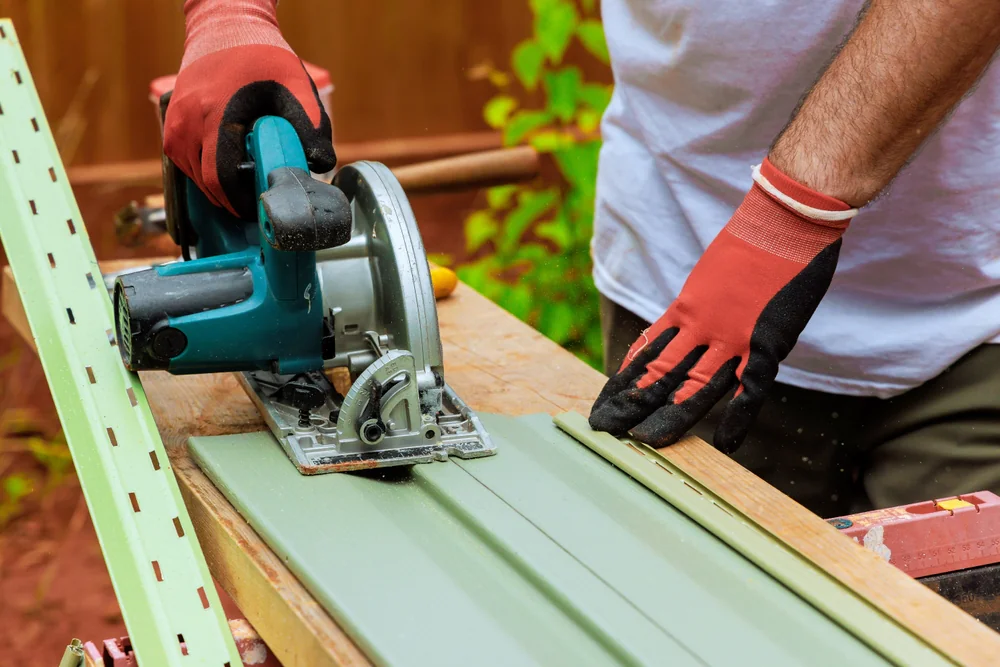
We handle vinyl siding repair, wood siding damage, aluminum panel replacement, and storm damage fixes. The work gets done right because we know what Long Island weather does to homes. Your siding goes back to doing its job—keeping everything outside where it belongs.
We’ve handled exterior repairs across Blue Point and Suffolk County for over a decade. We’re licensed, insured, and we actually live here—so we know what coastal weather does to your home.
You won’t get a crew that’s guessing about salt air corrosion or trying to figure out Long Island building codes on your dime. We’ve repaired siding through nor’easters, summer humidity, and everything in between. When we assess damage, we’re looking at what caused it and what it takes to prevent it from happening again.
We’re not the cheapest option, and that’s intentional. You’re paying for repairs that last 15-25 years in Blue Point’s coastal environment, not a quick patch that fails in three winters.
First, we come look at the damage. Not just the obvious stuff—we check behind panels, around windows, and anywhere water might be sneaking in. You get a clear explanation of what’s broken, why it broke, and what it’ll take to fix it properly.
Once you approve the estimate, we order materials that match your existing siding and can handle coastal conditions. That means marine-grade fasteners, proper flashing, and sealants designed for salt air. Standard hardware fails fast near the water—we don’t use it.
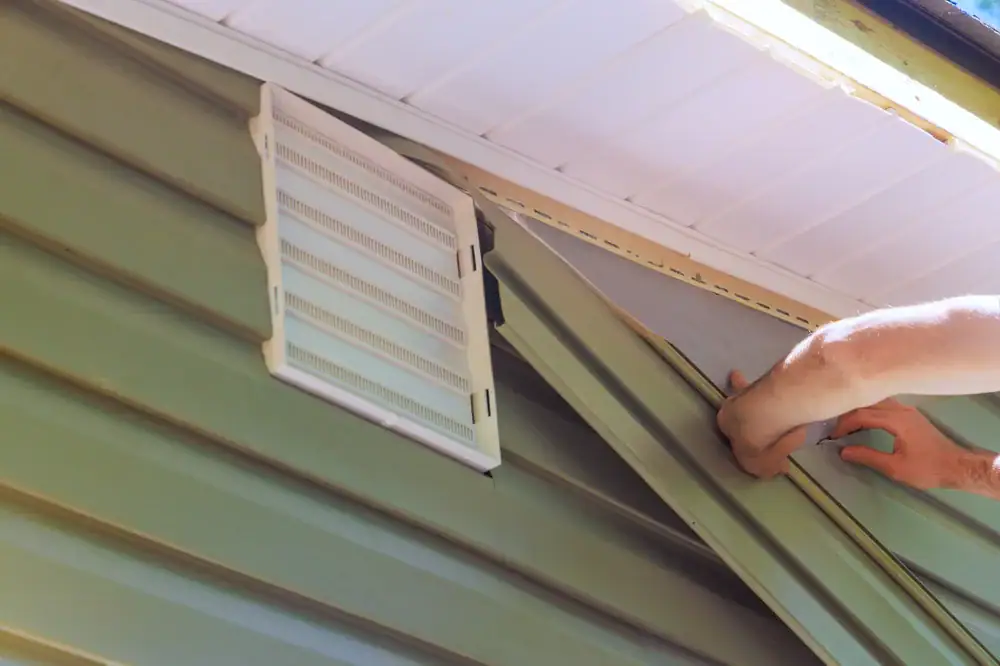
The repair itself involves removing damaged sections, checking the substrate for water damage, replacing anything that’s compromised, and installing new siding that’s sealed correctly at every edge. We coordinate with your roof line, windows, and trim so everything works together as a weather barrier.
For storm damage, we can respond within 24-48 hours to secure your home with temporary protection. Then we schedule the permanent repair once materials arrive. Most repairs take one to three days depending on the extent of damage.

Ready to get started?
You get a full assessment of visible and hidden damage. We don’t just replace the panel you can see—we check what’s happening behind it. If there’s water damage in your sheathing or framing, you’ll know before we close everything up.
Material matching comes standard. We work with CertainTeed and other major manufacturers to find siding that matches your existing color, texture, and profile. For older homes with discontinued products, we source the closest match available and blend it in properly.
Blue Point’s location means your repair needs to account for salt air, temperature swings, and moisture that would be fine inland but destroys coastal installations. We use stainless steel and aluminum fasteners that resist corrosion. We apply sealants rated for marine environments. We install flashing that actually directs water away from vulnerable areas.
Every repair includes proper permits when Suffolk County requires them—usually for structural work or large sections. Code-compliant repairs protect you during home sales and insurance claims. DIY work or unlicensed repairs can create problems you don’t discover until it’s too late.

Most homeowners spend between $300 and $1,500 for typical repairs, but the real answer depends on how much damage exists and what’s happening behind your siding. A few cracked vinyl panels might run $400. Storm damage across multiple walls with water infiltration can hit $3,000 or more.
Here’s what affects your cost: the type of siding you have, how much needs replacement, whether there’s structural damage underneath, and how accessible the damaged area is. Wood siding repair generally costs more than vinyl because it requires more labor and skill to match and blend properly.
We give you a fixed-price estimate after inspecting the damage. No surprises, no hourly rates that climb as the job goes on. You know what you’re paying before we start, and that number doesn’t change unless you ask us to fix additional problems we discover.
In most cases, yes—but it depends on how old your siding is and whether the manufacturer still produces that specific product. For siding installed in the last 15 years, we can usually get an exact match through CertainTeed or the original manufacturer.
For older installations or discontinued lines, we source the closest available match and use blending techniques to make the repair less noticeable. Sometimes that means replacing an entire wall section instead of patching the middle, because a perfect patch in the center of a wall can look worse than a clean seam at a corner.
Vinyl siding fades over time from UV exposure, so even an exact product match might look slightly different next to 20-year-old panels. We’ll walk you through options during the estimate so you can decide what makes sense for your home and budget.
Most repairs take one to three days once we start. Small jobs—replacing a few damaged panels—might be done in four to six hours. Larger repairs involving multiple walls or structural fixes can take a full week.
The timeline depends on material availability, weather conditions, and what we find when we open up the damaged area. If your sheathing is rotted or your house wrap is compromised, that adds time because we need to fix the underlying problem before installing new siding.
For emergency storm damage, we can secure your home with temporary protection within 24-48 hours. That stops water from getting in while we order materials and schedule the permanent repair. Blue Point’s coastal weather means we sometimes need to pause work if conditions aren’t safe for proper installation—sealants and adhesives don’t cure correctly in certain temperatures or humidity levels.
It depends on what caused the damage and what your policy covers. Storm damage—wind, hail, falling trees—is usually covered under most homeowners policies. Gradual deterioration from age or lack of maintenance typically isn’t.
You need proper documentation to support your claim. We provide detailed photos, written assessments, and itemized estimates that insurance adjusters require. Many homeowners don’t realize their policy covers storm damage because they assume the deductible makes it not worth filing—but siding repairs often exceed $2,000, making a claim worthwhile.
We don’t handle insurance claims for you, but we’ve worked with enough adjusters to know what they need. If your damage qualifies, we’ll give you everything required to file. If it doesn’t, we’ll tell you that upfront so you’re not wasting time on a claim that won’t pay.
We stop and show you exactly what we found before doing any additional work. You’ll see photos of the problem, get an explanation of what caused it, and receive a price for fixing it. Nothing gets repaired without your approval.
Hidden damage is common with siding repairs because water doesn’t stay where you can see it. A small crack in your siding might look minor from outside, but behind that panel you could have soaked sheathing, damaged house wrap, or rot in your framing. We can’t know what’s there until we remove the damaged section.
Most homeowners appreciate finding these problems during a planned repair instead of discovering them later when they’re worse. Fixing compromised sheathing adds cost, but it’s less than replacing rotted framing or dealing with mold remediation down the road. We give you options based on what’s actually necessary versus what’s ideal, and you decide how to proceed.
We repair vinyl, aluminum, wood, and fiber cement siding. Each material requires different techniques, tools, and expertise—you can’t approach wood siding repair the same way you’d handle vinyl panel replacement.
Vinyl siding repair involves removing damaged panels and snapping in replacements, but you need to account for expansion gaps and proper fastening or the new section will buckle or blow off. Aluminum siding often requires custom fabrication to match profiles that aren’t manufactured anymore. Wood siding repair demands carpentry skills to scarf in new boards, match grain patterns, and apply finishes that blend with aged wood.
We don’t repair brick veneer, stucco, or stone facades—those require masonry specialists. If your home has multiple siding types and you’re not sure what needs attention, we’ll assess everything during the initial inspection and refer you to the right contractor if your damage is outside our scope.
Other Services we provide in Blue Point