
Hear From Our Clients
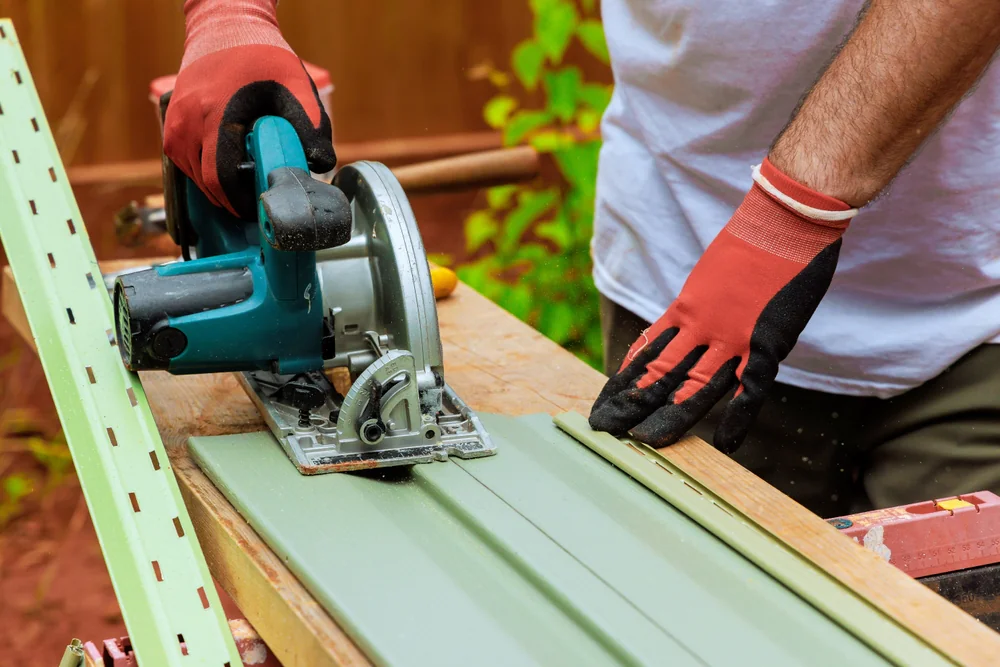
You shouldn’t have to patch the same panels every year or watch your siding fade twice as fast as your neighbor’s inland. Northport homes deal with conditions most contractors never see—salt air that eats through aluminum, humidity that warps wood, and nor’easters that find every weak spot.
When we repair your siding, we’re looking at more than the cracked panel you called about. We check the moisture barrier, the sheathing underneath, and the ventilation that keeps everything dry between storms. Because a quick patch job just means you’re dealing with the same problem again in six months.
What you get is siding that actually protects your home. No water stains creeping across your interior walls. No peeling paint or musty smells that tell you moisture’s been getting in for weeks. Just solid protection that lasts through Long Island’s weather without constant maintenance calls.
We work on homes from Main Street Victorians to ranch-style properties near Crab Meadow Beach. We’re licensed contractors who understand what salt air does to different siding materials and how to repair them so they last.
You’re not getting a crew that learned about coastal conditions from a manual. You’re getting contractors who’ve worked on enough Northport homes to know which materials hold up and which ones fail fast. We know the building codes, we work directly with insurance adjusters when you need documentation, and we show up when we say we will.
That matters more than most people realize until they’ve dealt with contractors who don’t.
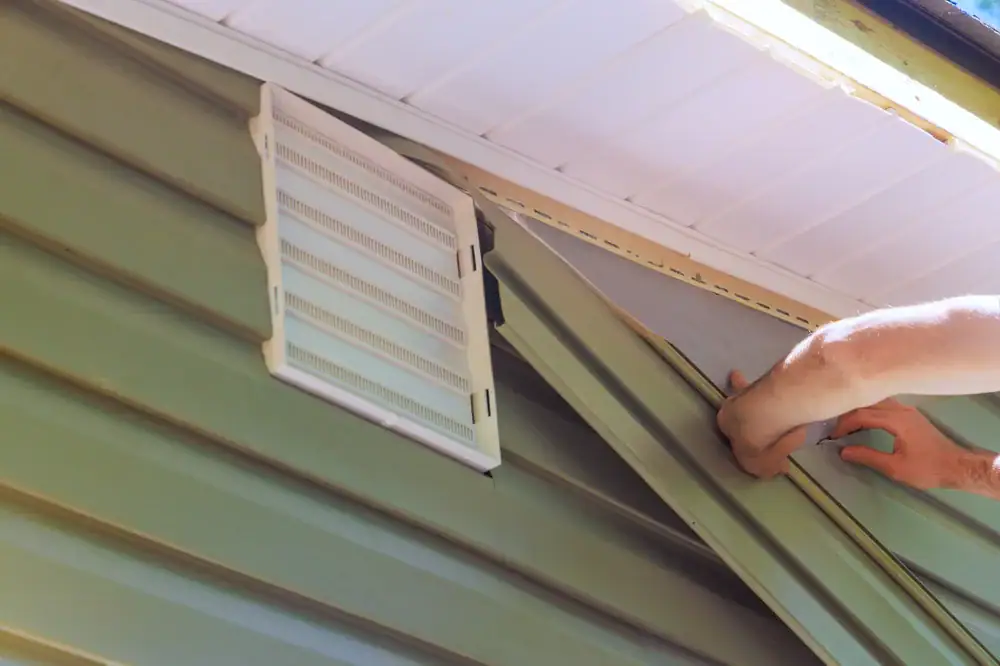
First, we come out and look at everything—not just the visible damage. We’re checking what’s happening behind the siding, looking for moisture infiltration, examining the sheathing and barriers that most homeowners never see. You get a clear explanation of what’s wrong and what it’ll take to fix it properly.
Then we give you transparent pricing. No hidden costs, no pressure tactics, just straightforward numbers so you can make a decision. If you’re dealing with storm damage, we’ll document everything for your insurance claim and work directly with adjusters.
The repair itself uses materials designed for coastal environments. Marine-grade sealers, proper flashing, ventilation that prevents moisture buildup. We’re not just replacing what broke—we’re making sure it doesn’t break again the same way. And if you need emergency protection after a storm, we can get temporary weatherproofing up within 24 to 48 hours while we source the right materials for permanent repairs.

Ready to get started?
Vinyl siding repair means dealing with cracks from temperature swings and panels that pop loose during high winds. We match your existing profile and color, replace damaged sections, and seal everything against moisture intrusion. Vinyl holds up well here if it’s installed correctly—most failures come from poor installation, not the material itself.
Wood siding repair is different. Cedar and redwood can last 20 to 30 years near the harbor, but only with proper treatment and maintenance. Without it, you’re looking at 7 to 10 years before salt corrosion and moisture damage take over. We repair rot, replace deteriorated boards, and apply marine-grade treatments that give you real protection against coastal conditions.
Aluminum siding repair focuses on corrosion from salt air and dents from storm debris. We patch holes, replace corroded sections, and apply protective coatings that slow down the oxidation process. Aluminum’s durable, but it needs the right protective treatment in coastal areas or it deteriorates fast. Most homes built in the 1990s and early 2000s are hitting the 20 to 30 year mark where original siding needs attention—whether that’s targeted repairs or full replacement depends on how much damage we find during inspection.

Check your interior walls for water stains, peeling paint, or soft spots. Those are signs moisture’s already getting through. Musty odors in rooms along exterior walls mean the same thing—water’s been infiltrating for a while.
Outside, look for cracks, gaps between panels, or sections that feel loose when you push on them. Fading and minor surface wear might be cosmetic, but anything that creates an opening is a problem. Salt air and driving rain will find every weak point, and what starts as a small crack turns into rotted sheathing and mold inside your walls.
If you’re seeing bubbling or warping on interior surfaces, that’s water damage that’s been happening for weeks or months. At that point, you’re not just fixing siding—you’re dealing with structural repairs underneath. Getting a professional inspection catches these problems before they migrate inside and cost you significantly more to fix.
Fiber cement performs best in salt air. It doesn’t corrode, doesn’t rot, and handles humidity without warping. It costs more upfront, but you’re not replacing it every 15 years like you might with other materials.
Vinyl holds up well if it’s thick enough and installed with proper expansion gaps. Cheap vinyl gets brittle in temperature swings and cracks easily. Quality vinyl with UV inhibitors will last 20 to 30 years here without major issues.
Wood can work, but only if you’re committed to maintenance. Cedar and redwood need treatment every few years to resist moisture and salt damage. Skip the maintenance and you’ll see rot and deterioration within a decade. Aluminum corrodes faster near the ocean unless it has protective coatings reapplied regularly. Most aluminum siding from the 80s and 90s is showing significant wear by now and needs replacement, not just repair.
We can get temporary protection up within 24 to 48 hours after a storm. That means tarping, emergency patches, or temporary panels that keep water out while we order materials that match your existing siding.
Permanent repairs depend on material availability. If you have a common vinyl profile, we can usually complete repairs within a week. Custom colors, historical profiles, or specialty materials take longer—sometimes two to three weeks if we’re sourcing from specialty suppliers.
The key is getting that temporary weatherproofing in place fast. Every day you wait after siding damage is another day water can get into your walls and cause problems you can’t see. We prioritize emergency calls after major storms and keep common materials in stock specifically for situations like this. If you’re filing an insurance claim, we document everything during the emergency visit so you have what you need for the adjuster.
Targeted repairs on a few damaged panels usually run a few hundred to a couple thousand dollars, depending on material and how much underlying damage we find. Full replacement on an average Northport home ranges from $8,000 to $25,000 based on material choice and home size.
Here’s what makes the decision: if you’re repairing the same sections repeatedly, replacement becomes more economical. If damage is isolated to one area from a specific event—a fallen branch, localized storm damage—repair makes sense. But if we find widespread deterioration, multiple areas with moisture infiltration, or siding that’s reached the end of its lifespan, replacement saves you money long-term.
We’ll tell you honestly which makes more sense for your situation. Sometimes a $1,500 repair buys you another five to ten years. Sometimes it’s putting money into a system that’s going to keep failing, and replacement is the smarter investment. We look at the whole picture—age of existing siding, extent of damage, condition of underlying structure—and give you options with transparent pricing for both.
Yes. We document damage with photos and detailed notes that insurance adjusters need for claims processing. We’ll walk the adjuster through what happened, show them the damage, and explain what repairs are necessary to bring everything back to code.
Most homeowners don’t know what insurance will cover or how to document damage properly. We’ve done this enough times to know what adjusters look for and how to present information that supports your claim. That doesn’t mean we inflate estimates or recommend unnecessary work—it means we make sure legitimate damage gets properly documented.
We can also provide emergency repair estimates separately from permanent repair costs, which matters for claims that cover temporary protection. And we make sure all work meets Suffolk County building requirements, which is essential for both insurance approval and future resale value. You get professional documentation, code-compliant repairs, and someone who can answer the adjuster’s technical questions without you having to figure it out yourself.
We stop and show you exactly what we found before doing any additional work. You get photos, an explanation of what’s happening, and a clear cost for addressing it. No surprise bills, no work you didn’t approve.
Hidden damage is common with siding repairs, especially in coastal areas. What looks like a simple crack often reveals rotted sheathing, compromised moisture barriers, or mold growth once we remove the damaged panel. We can’t see that until we open things up, but we can give you a realistic assessment upfront about the likelihood of finding additional issues based on what we see during inspection.
If we do find more damage, you decide how to proceed. Sometimes it makes sense to fix everything at once. Sometimes you want to address the immediate problem and plan for additional repairs later. We’ll give you options and let you make the call. What we won’t do is continue work without your approval or present you with a bill for things you didn’t know about.
Other Services we provide in Northport