

Hear From Our Clients
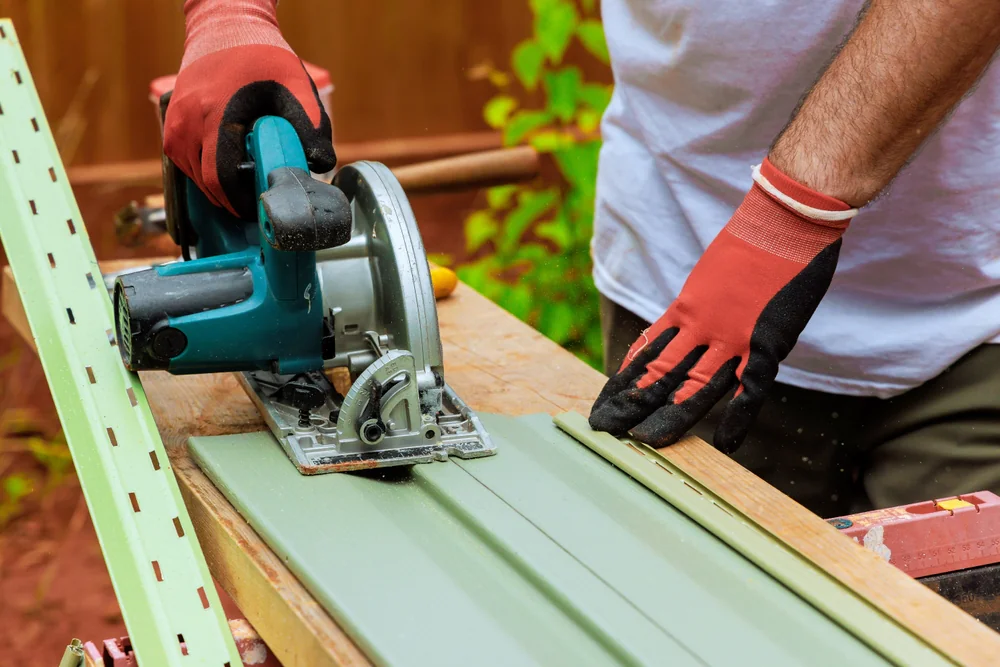
When your siding fails in Commack, everything behind it is at risk. Coastal weather here doesn’t mess around—nor’easters bring sustained winds that rip panels loose, summer storms crack vinyl, and that salty air corrodes fasteners faster than you’d expect.
A small repair now prevents the nightmare scenario six months from today. Water gets behind damaged siding and doesn’t just sit there. It soaks into sheathing, grows mold in wall cavities, and ruins insulation. By the time you see interior stains or smell that musty odor, you’re looking at structural repairs that cost ten times what fixing the siding would have.
Professional siding repair stops that progression. You get weathertight protection that handles what Suffolk County throws at it. Your energy bills stay reasonable because air isn’t leaking through gaps. And when you eventually sell, buyers see a home that’s been maintained, not one with deferred problems lurking behind the walls.
We’ve spent more than ten years repairing siding across Suffolk County. We’re licensed, insured, and we live here too—which means our work quality reflects on us in the community.
You’ll work directly with experienced contractors who know exactly how coastal weather damages different siding materials. We’ve seen what happens when repairs are done wrong or with the wrong materials, and we’ve fixed plenty of those situations for homeowners who hired the cheapest option the first time.
Our approach is straightforward. We show up when we say we will, we explain what’s wrong and why, and we give you honest pricing before starting work. No surprises, no upselling repairs you don’t need. Commack homeowners keep calling us back because we do what we say we’re going to do.
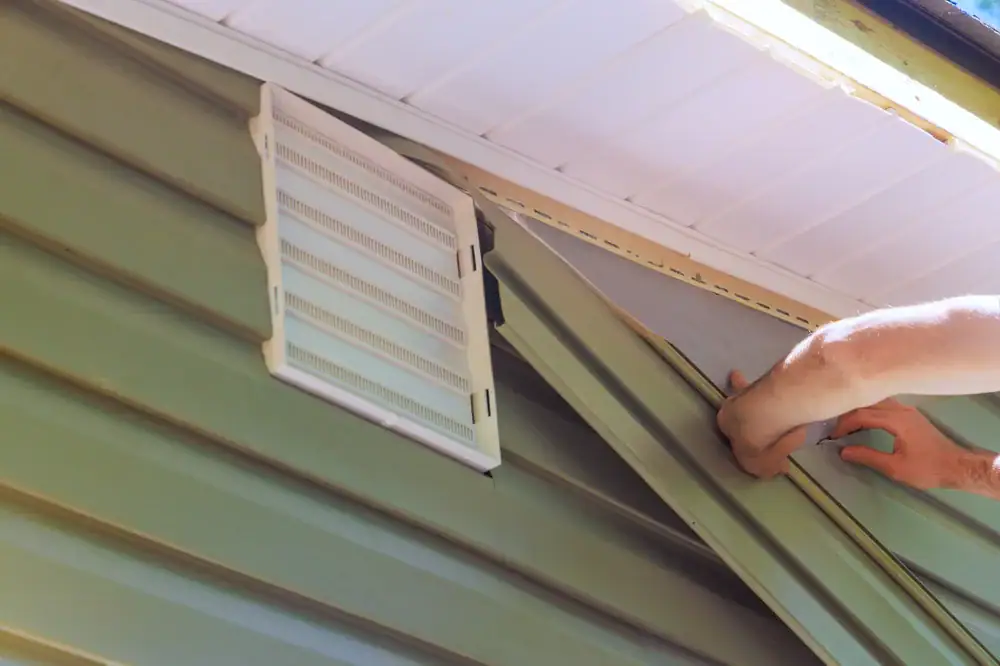
First, we come out and inspect your siding—not just the obvious damage, but the areas where problems typically start. We’re looking for loose panels, failed caulking, water stains on sheathing, and any signs that moisture has been getting inside. This inspection catches issues before they become emergencies.
Then we explain what we found in plain language. You’ll know what needs immediate repair, what can wait, and what’s actually fine. We’ll tell you if it’s a simple fix or if there’s underlying damage that needs attention first. You get a clear estimate before we touch anything.
Once you approve the work, we schedule it fast—usually within days, or same-day for emergencies. We bring the right materials for your specific siding type and our coastal climate. Vinyl siding repair requires different techniques than wood siding repair or aluminum siding repair, and we handle all of them correctly.
The repair itself is thorough. We’re not just covering up the problem—we’re fixing what caused it and making sure it won’t happen again next storm. When we’re done, your siding is weathertight and looks right. No mismatched patches or shortcuts that fail in a year.

Ready to get started?
Every siding repair starts with finding the real problem. Storm damage is obvious, but water infiltration often starts at seams, corners, or around windows where caulking has failed. We check these vulnerable spots even if that’s not where you noticed the issue.
Material replacement uses products rated for coastal exposure. That hardware store caulk fails fast in Commack’s salt air and humidity. We use professional-grade sealants and fasteners designed for Long Island’s freeze-thaw cycles and constant moisture. Your repair lasts because we’re using the right stuff.
The work includes proper flashing and weatherproofing. Siding doesn’t work alone—it’s part of a system with house wrap, flashing, and trim that all need to function together. If your flashing is compromised, we fix that too. Otherwise, you’re just delaying the next leak.
For larger damage, we match your existing siding as closely as possible. Sometimes that means tracking down discontinued colors or styles. Sometimes it means explaining that a perfect match isn’t available and showing you the closest options. Either way, you know what to expect before we order materials.

Most siding repairs in Commack run between $300 and $1,500, depending on damage extent and material type. Small vinyl siding repairs—replacing a few cracked panels—typically cost $300 to $600. Larger repairs involving multiple walls or water damage to sheathing can reach $1,500 to $3,000.
Wood siding repair usually costs more than vinyl because the material is pricier and the work is more labor-intensive. Aluminum siding repair falls somewhere in between. Storm damage repairs vary widely based on how much of your siding got hit and whether there’s underlying structural damage.
We give you an exact estimate after inspecting your home. That estimate includes materials, labor, and any necessary prep work like replacing damaged sheathing. No hidden fees, no surprise charges when the job is done. You’ll know the full cost before we start.
Insurance typically covers siding damage from sudden events like storms, hail, or falling trees—but not gradual wear or maintenance issues. The key is documentation. You need photos of the damage, proof that a covered event caused it, and ideally a professional inspection report.
Call your insurance company right after storm damage occurs. They’ll send an adjuster to assess the damage, and having a contractor’s estimate ready helps that process move faster. We’ve worked with insurance adjusters for years and can provide detailed documentation of what’s damaged and what it’ll cost to fix correctly.
Insurance companies want repairs done quickly to prevent secondary damage. That works in your favor—they’d rather pay for siding repair now than mold remediation and structural repairs later. But you need to act fast. Waiting weeks to file a claim or start temporary weatherproofing can give them grounds to deny coverage for water damage that developed after the initial storm.
Simple repairs—replacing a few damaged panels—usually take half a day once we’re on site. More extensive repairs involving multiple walls or underlying water damage can take two to three days. Emergency storm repairs often get temporary weatherproofing done the same day you call, with permanent repairs scheduled within the week.
Timeline depends on material availability too. Common vinyl siding colors we can usually source within days. Discontinued styles or custom colors might take a week or two to track down. Wood siding repair sometimes requires custom milling if you’ve got older cedar shake or clapboard that’s not standard anymore.
Weather affects scheduling during winter months. We can do most repairs year-round, but extreme cold makes some sealants and caulks less effective. If you call during a busy period after a major storm, there might be a short wait—but we prioritize emergency situations where water is actively getting inside.
Usually, yes—but it depends on your siding age and type. Vinyl siding from the last 15 years is typically still available in the original color, though we might need to order it from specialty suppliers. Older vinyl or discontinued product lines are trickier. We’ll find the closest match available and show you samples before ordering.
Wood siding can almost always be matched because we can mill custom profiles and stain to match existing boards. Cedar shake, clapboard, board and batten—we’ve replicated all of them. The new wood will look slightly different at first, but it weathers to match the existing siding within a season or two.
Aluminum siding presents the biggest matching challenge because many styles haven’t been manufactured in decades. We can often find salvage material or close alternatives. If an exact match isn’t possible, we’ll explain your options: repair with the closest available match, or replace a full wall section so the new material creates a clean transition line instead of an obvious patch.
We fix it—that’s the only real answer. Water damage behind siding doesn’t improve on its own. If your sheathing is rotted or your insulation is soaked, those materials need replacement before new siding goes up. Otherwise, you’re just covering up a problem that’ll keep getting worse.
The inspection tells us what’s happening behind your siding. We’re looking for soft spots, discoloration, or that distinctive smell of rot. If we find damage, we remove the affected sheathing, check the framing behind it, and replace anything that’s compromised. Then we install new weather barrier and insulation before the siding goes back up.
This adds cost and time to the project, but there’s no shortcut that works. Some contractors will just slap new siding over damaged sheathing because it’s faster and cheaper. That’s not a repair—it’s a temporary cover-up that fails within a few years. We do it right the first time, even if that means the project is bigger than you initially expected.
Yes. When storms damage your siding and water is getting inside, that’s an emergency. We offer same-day service for situations where your home is actively exposed to weather. That might mean temporary tarping and weatherproofing until we can schedule permanent repairs, or it might mean completing the full repair immediately if the damage is limited.
Emergency service costs more than scheduled work—that’s standard across the industry because we’re dropping other jobs to prioritize your situation. But it’s worth it when the alternative is water pouring into your walls during the next rain. We’ve done emergency repairs on holidays and weekends when homeowners had no other options.
Call us as soon as you notice storm damage. Even if you can’t get permanent repairs done immediately, temporary weatherproofing prevents the damage from spreading. We carry emergency materials and can usually get your home protected within hours of your call. Then we schedule the permanent repair as quickly as materials and weather allow.
Other Services we provide in Commack