Hear From Our Clients
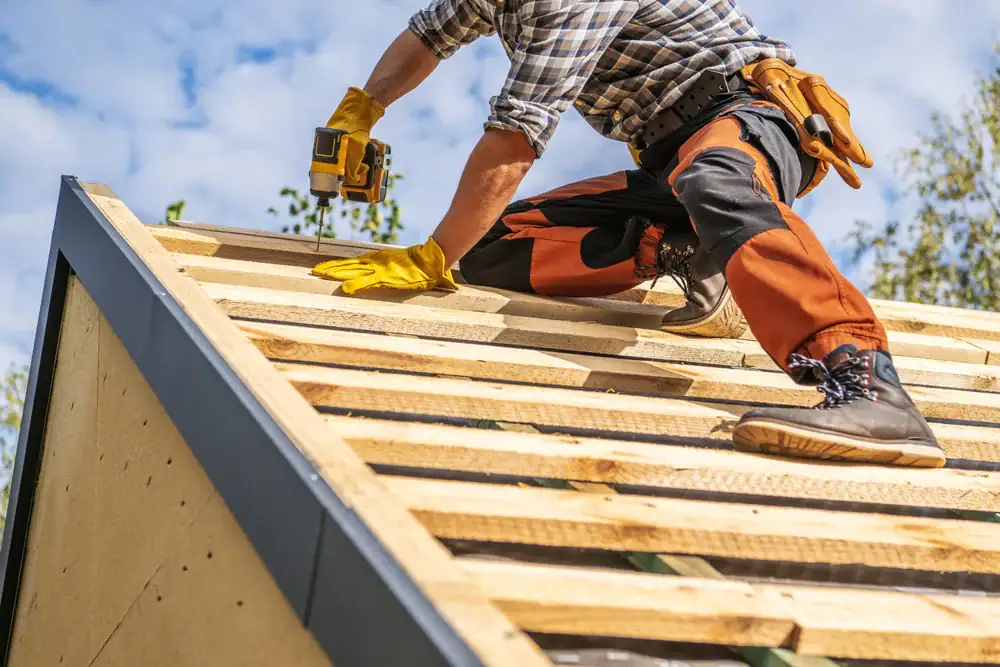
Your roof takes a beating on Long Island. Nor’easters dump snow that melts and refreezes into ice dams. Salt air from the coast corrodes metal flashing faster than you’d expect. Summer storms bring wind gusts that peel back shingles you thought were fine.
When your roof works the way it should, you’re not thinking about it. You’re not checking the attic after every storm or putting buckets under drips. You’re not wondering if that dark spot on the ceiling means you’ve got a bigger problem hiding in the insulation.
A proper roof installation means weather-resistant materials installed by people who know how Long Island’s climate tests every seal, every shingle, every piece of flashing. It means your home stays dry when the next hurricane rolls through. It means you can stop worrying about what’s happening above your head and focus on everything else.
Home Team Construction has spent years fixing roofs across Commack and Suffolk County. We’re the roofing company Long Island homeowners call when they need their roof fixed right the first time—no runaround, no surprises, just honest work from people who live and work in your neighborhood.
We’re licensed, we’re insured, and we’ve seen what happens when contractors cut corners or oversell work that isn’t necessary. That’s not how we operate. You get a clear estimate before we start, so you know exactly what you’re paying for and why.
Whether you need emergency storm damage repair, a full roof replacement, or an honest assessment of what’s actually wrong, we show up ready to solve the problem. Not to sell you the biggest job possible.
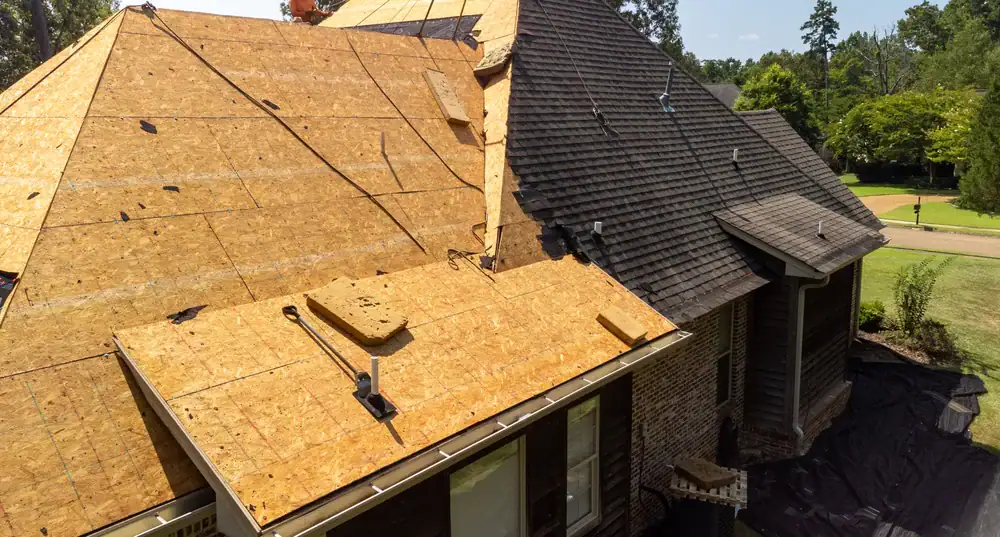
First, we come out and look at your roof. Not from the ground with binoculars—we actually get up there and inspect the shingles, flashing, underlayment, and anything else that could be causing problems. We check for wind damage, missing shingles, worn seals, and signs of water intrusion you might not see from inside your house.
Then we give you a detailed breakdown of what needs immediate attention and what can wait. If you need a full roof replacement, we’ll explain why. If you just need a repair, we’ll tell you that too. No upselling, no scare tactics.
Once you approve the estimate, we schedule the work and handle everything—from ordering materials built for Long Island weather to protecting your property during installation. Our team removes old roofing, inspects the deck for damage, installs new underlayment and shingles, and makes sure every seal and flashing detail is done right.
When we’re finished, your roof becomes the reliable barrier it should be—keeping you dry, warm, and worry-free year-round.
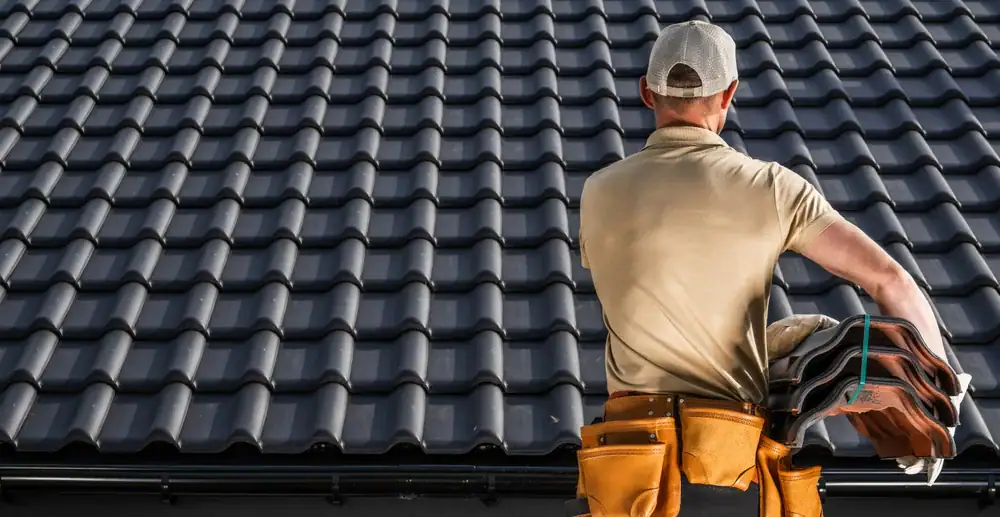
Ready to get started?
Every roof installation starts with a full inspection of your existing roof and decking. We’re looking for rot, water damage, or structural issues that need fixing before new shingles go on. Skipping this step is how you end up with a new roof that leaks in six months.
We install weather-resistant underlayment designed for Long Island’s freeze-thaw cycles and coastal humidity. Then comes your choice of roofing material—asphalt shingles are the most common here because they handle wind and weather well, but we also install metal roofing and slate for homeowners who want something different.
Flashing around chimneys, skylights, and vents gets special attention. This is where most leaks start, especially when salt air corrodes cheap metal or installers rush the details. We use quality materials and take the time to seal everything properly.
You also get gutter installation or repair if needed, because a great roof doesn’t help much if water’s pouring over clogged or damaged gutters and soaking your foundation. We make sure the whole system works together to move water away from your home.
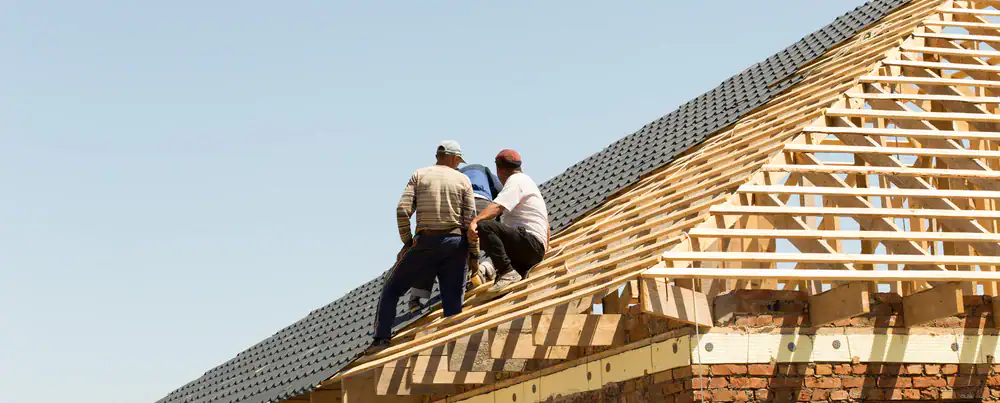
Most residential roof installations take two to four days, depending on the size of your home, the complexity of the roof, and weather conditions. A straightforward ranch with a simple roofline might be done in two days. A larger colonial with multiple valleys, chimneys, and skylights could take closer to four.
Weather plays a big role on Long Island. If rain’s in the forecast, we’ll delay the start rather than risk leaving your home exposed or installing materials in wet conditions. Shingles need dry surfaces to seal properly, and rushing through a job in bad weather creates problems down the road.
We’ll give you a realistic timeline during the estimate, and we’ll keep you updated if anything changes. The goal is to get your roof done right, not just done fast.
Asphalt shingles are the most popular choice in Commack and across Suffolk County. Architectural shingles specifically—they’re thicker, more wind-resistant, and they hold up better against the nor’easters and summer storms we get here. They’re also affordable and come in enough styles to match just about any home.
Metal roofing is gaining ground, especially for homeowners who want something that lasts 40-plus years and handles extreme weather without much maintenance. It’s more expensive upfront, but you’re looking at fewer replacements over the life of your home.
Slate is an option if you’ve got the budget and the roof structure to support the weight. It’s beautiful, it lasts forever, but it’s heavy and costly. Most Commack homeowners stick with architectural shingles because they offer the best balance of performance, cost, and longevity for Long Island’s climate.
If your roof is over 20 years old and you’re seeing multiple problem areas—curling shingles, granule loss, leaks in different spots—you’re probably looking at a replacement. Asphalt shingles last about 20 to 25 years in our climate, and once they start failing in several places, patching becomes a losing game.
If your roof is newer and the damage is isolated—a few missing shingles from a storm, a leak around a chimney, worn flashing—a repair usually makes more sense. We’re not going to tell you to replace a 10-year-old roof because of one small issue.
During the inspection, we’ll show you what we’re seeing and explain whether a repair buys you a few more years or if you’re just delaying the inevitable. The honest answer depends on the age of your roof, the extent of the damage, and how much life is left in the materials.
If it’s installed correctly with the right materials, yes. Long Island gets hit with high winds, heavy rain, and coastal weather that tests every part of your roof. That’s why we use architectural shingles rated for high wind resistance and install them according to manufacturer specs—not shortcuts.
Proper underlayment matters just as much as the shingles. We use synthetic underlayment that won’t tear or deteriorate when moisture gets under the shingles. Flashing around chimneys, vents, and roof edges gets sealed with materials that hold up against salt air and temperature swings.
The roof deck also needs to be solid. If there’s rot or damage, we fix it before new materials go on. A new roof over a compromised deck is like putting new tires on a car with a broken axle—it’s not going to perform the way you need it to when the next storm rolls through.
Most roof installations in Commack run between $8,000 and $15,000 for a typical single-family home, but the actual cost depends on the size of your roof, the materials you choose, and how much repair work the decking needs. A small ranch with minimal complexity will be on the lower end. A larger two-story home with multiple valleys and skylights will cost more.
Asphalt shingles are the most affordable option. Metal roofing costs more upfront but lasts longer. Slate is the premium choice and comes with a premium price. If we find rotted decking or structural damage during the tear-off, that adds to the cost—but it’s not optional if you want a roof that lasts.
We give you a detailed estimate before any work starts, so there’s no confusion about what you’re paying for. We also offer flexible payment plans with 18-month interest-free options to make quality roof installation affordable without compromising on materials or workmanship.
Yes. If your roof was damaged in a storm, we’ll document everything your insurance company needs to see—photos of the damage, a detailed scope of work, and a cost estimate. We’ve worked with enough insurance claims to know what adjusters look for and how to present the information so your claim doesn’t get delayed or denied over missing details.
We can’t guarantee your claim will be approved—that’s up to your insurance company and your policy coverage—but we’ll give you an honest assessment of whether the damage qualifies and what you should expect. Some homeowners assume every leak is covered, but policies vary, and wear-and-tear issues usually aren’t.
If the claim gets approved, we’ll work directly with the adjuster to make sure the scope matches what actually needs to be done. If it doesn’t, we’re not going to cut corners to fit their budget. You’ll know exactly what’s covered and what isn’t before we start the work.
Other Services we provide in Commack