
Hear From Our Clients
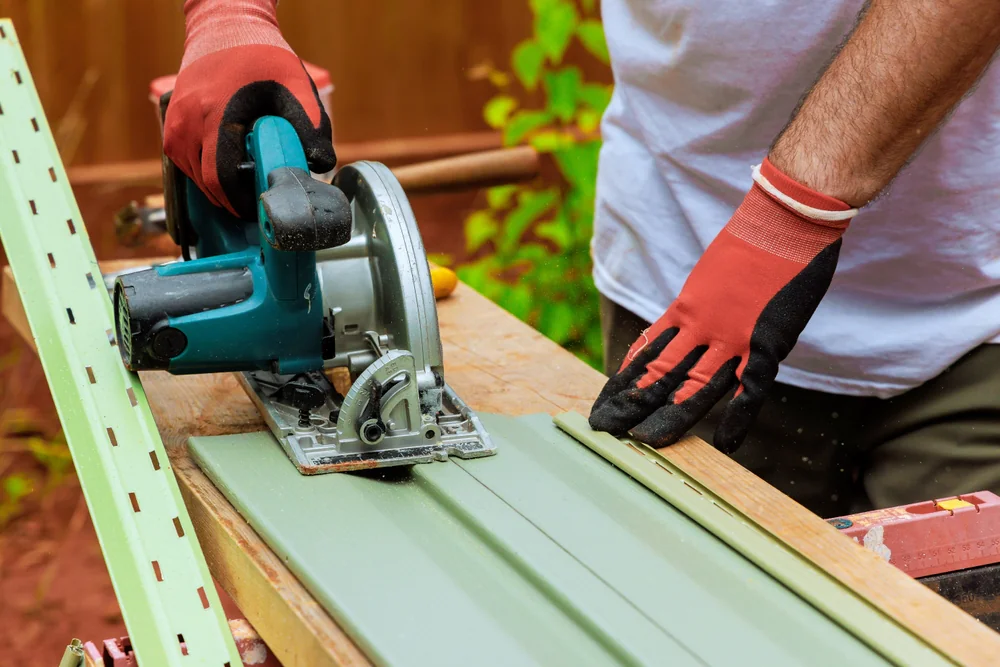
You stop worrying every time the wind picks up. That rattling panel gets secured. The crack that’s been letting moisture seep behind your walls gets sealed properly—not with hardware store caulk that’ll fail in six months, but with materials designed for what Long Island throws at it.
Your home looks right again. Not patched. Not mismatched. Right.
And the bigger win? You catch problems before they become expensive. That small section of damaged vinyl siding might seem minor, but water’s been getting behind it for weeks. Maybe months. By the time you see staining inside, you’re looking at wall sheathing replacement, insulation damage, maybe mold remediation. We find that stuff during the repair—the hidden rot, the failed house wrap, the fasteners that backed out—and we fix it while we’re there.
We’ve worked in Northwest Harbor and throughout Suffolk County for more than 10 years. We’re not a crew passing through from out of state. We live here. We know what coastal weather does to siding because we see it every day.
Your neighbor’s vinyl siding repair last year? Probably us. That cedar siding restoration on the historic home near the harbor? Also us. We’ve matched discontinued colors, sourced hard-to-find materials, and fixed storm damage on everything from 1920s cottages to new construction.
When we finish a job in Northwest Harbor, our reputation stays in the neighborhood. That’s why we do it right the first time—proper flashing, correct fastener placement, materials that’ll hold up to salt air and nor’easters. You’re not just getting a repair crew. You’re getting contractors who understand that your home faces conditions most of the country never deals with.
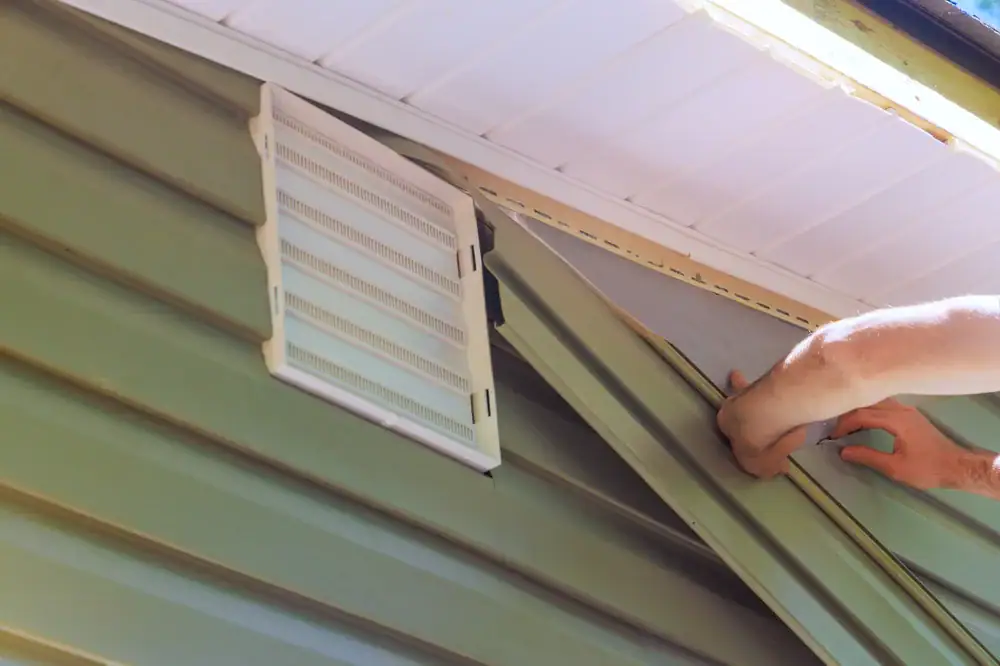
You call or text us with your siding problem. We ask a few questions—what type of siding, what’s damaged, when did you notice it. If it’s storm damage and water’s getting in, we can often get someone there same-day to do temporary weatherproofing.
For standard repairs, we schedule an inspection within a couple days. We look at the obvious damage, then we check what’s happening behind it. We pull back sections if needed. We test for moisture. We look at the fasteners, the house wrap, the flashing. Then we explain what we found—the good, the bad, and what needs to happen to fix it properly.
You get a detailed estimate that breaks down materials and labor. No hidden fees. No surprise charges when we’re halfway through. If we find additional damage once we open things up, we stop and discuss it before doing extra work.
The actual aluminum siding repair or vinyl siding repair usually takes one to three days depending on scope. We match your existing material—color, texture, profile. We fix underlying issues. We seal everything properly. When we’re done, we walk you through what we did and clean up completely. The repair should be stronger than the original installation.

Ready to get started?
Every job starts with a thorough inspection. We don’t just patch the visible problem. We check the structure behind your siding because that’s where expensive damage hides. You get a full assessment of what’s damaged, what caused it, and what it’ll take to fix it right.
Material matching is critical in Northwest Harbor, where homes range from historic cedar shake to modern fiber cement. We maintain relationships with major manufacturers to source discontinued colors and profiles. When we can’t find an exact match, we know which current products come closest—and we’re honest about it upfront.
The repair itself addresses root causes. If wind tore off panels, we check whether the original fasteners were adequate. If you’ve got cracks in vinyl, we look at whether expansion gaps were done correctly. Coastal homes face unique challenges—salt air accelerates corrosion, temperature swings cause expansion and contraction, humidity attacks from behind while weather hits from the front. We use fasteners, sealants, and techniques designed specifically for these conditions.
You also get documentation for insurance if the damage was storm-related. We photograph everything, write detailed scope notes, and provide the paperwork insurance companies need. Most homeowners don’t realize their policy covers sudden storm damage to siding—we help you figure that out before you pay out of pocket.

For emergency storm damage where water’s getting in, we typically respond within 2-4 hours. Our crews carry materials for temporary weatherproofing—tarps, plywood, emergency sealants—and we can usually secure your home the same day you call.
Permanent repairs follow once we’ve assessed the full damage and materials arrive. For standard vinyl or aluminum siding, that’s usually 24-48 hours. Wood siding repair can take longer if we need to source specific species or profiles, especially for historic homes. Custom milling for cedar or redwood might take a week.
The reason speed matters in coastal areas like Northwest Harbor isn’t just convenience. Water that gets behind damaged siding starts rotting your wall sheathing within days. Insurance companies know this—they want repairs done fast to prevent secondary damage claims. The longer you wait, the more expensive the fix becomes.
If damage affects less than 25% of a wall and your remaining siding is structurally sound, repair usually makes more sense financially. We can match materials well enough that you won’t spot the repair from the street.
But if your siding is near the end of its lifespan anyway—vinyl that’s brittle and faded, wood with widespread rot, aluminum with multiple dents—replacement might be smarter. You’re going to face more repairs soon. At some point, you’re throwing good money after bad.
We give you honest assessments of both options with transparent pricing. Sometimes homeowners repair one damaged section now and budget for full replacement in a year or two. Sometimes the insurance payout for storm damage makes replacement affordable right now. We explain the tradeoffs and let you decide what makes sense for your situation and timeline.
Usually, yes—but it depends on what you have and how old it is. For current vinyl and aluminum siding products, we can get exact matches from manufacturers. For siding that’s 10-15 years old, we often find the same profile in a slightly updated color formula. We bring samples to your home and show you the match in actual daylight before ordering.
Discontinued products are trickier. Some manufacturers keep old colors in limited production for repairs. Some don’t. When we can’t source an exact match, we look at your whole wall and figure out the best approach—sometimes that means replacing a full section from corner to corner so the new material blends at a natural break line.
Wood siding repair gives us more flexibility because we can custom-mill profiles and stain to match. Cedar weathers differently depending on sun exposure and salt air, so we often need to blend stain colors to match your home’s current appearance. The goal is always a repair that’s invisible from normal viewing distance—and we won’t proceed until you approve the match.
Salt air is the biggest factor. It’s corrosive to fasteners, sealants, and the siding material itself. Aluminum oxidizes faster. Steel fasteners rust. Even stainless hardware degrades quicker here than inland. That’s why we use marine-grade fasteners and coastal-rated sealants on every repair.
Temperature swings are the second issue. Your siding expands in summer heat and contracts in winter cold. Vinyl is especially prone to this—if it wasn’t installed with proper expansion gaps, it buckles or cracks. Wood swells when humid and shrinks when dry. These cycles happen faster and more dramatically near the water.
Then there’s the weather itself. Nor’easters bring sustained winds that test every fastener. Summer storms deliver hail that cracks vinyl and dents aluminum. Hurricane remnants dump inches of rain that finds every tiny gap. Your siding faces conditions that most of the country never deals with—which is exactly why you need contractors who understand how to build for it.
We work with homeowners insurance companies regularly and understand their documentation requirements. We can’t file the claim for you—that’s between you and your insurer—but we provide everything you need to support it.
That includes detailed photo documentation of damage, written scope of repairs, and itemized estimates that match insurance industry formats. We note whether damage was caused by wind, hail, falling debris, or other covered events. Most adjusters appreciate working with contractors who document thoroughly and communicate clearly.
One thing to know: insurance typically covers sudden storm damage but not gradual deterioration. If a nor’easter ripped off panels last week, that’s covered. If your 20-year-old siding is failing from age and weathering, it’s not. We’re honest about that distinction in our documentation because misrepresenting damage as storm-related is fraud—and it puts your claim at risk. We’ve seen plenty of legitimate storm damage in Northwest Harbor. We know what it looks like, and we document it properly.
We repair all the common siding types found on Long Island homes—vinyl, aluminum, wood (cedar, pine, redwood), fiber cement, and engineered wood. Each material has different repair requirements and failure patterns.
Vinyl siding repair usually involves replacing full panels because vinyl doesn’t patch well. We remove damaged sections, check the house wrap and sheathing underneath, then install new panels with proper overlap and fastener placement. Aluminum can sometimes be straightened if it’s dented but not creased. Otherwise, we replace panels.
Wood siding repair is more nuanced. Sometimes we can sister in new boards. Sometimes we need to replace entire sections. Cedar shake and shingle repairs require matching the exposure and stagger pattern. We also address the underlying cause—usually water infiltration or insect damage—before installing new wood. Fiber cement is durable but brittle, so impacts usually mean replacement rather than repair. The key with any material is fixing what caused the damage in the first place, not just covering up the symptom.
Other Services we provide in Northwest Harbor