

Hear From Our Clients
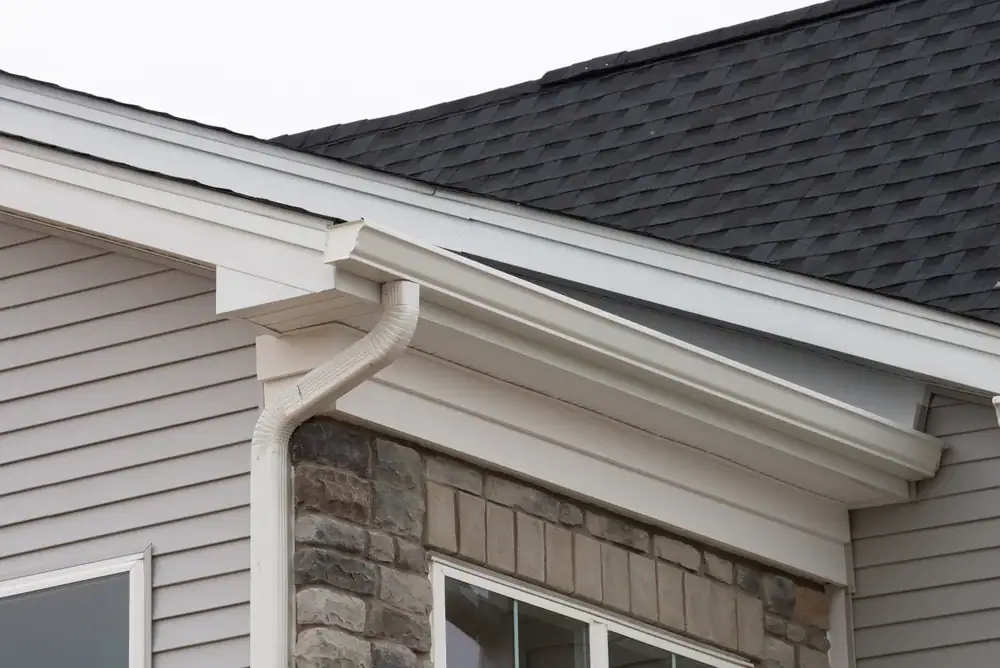
You’re not dealing with water stains on your ceiling anymore. No more worrying whether that crack is letting carbon monoxide into your home. No more watching small problems turn into five-figure reconstruction jobs because you waited too long.
When your chimney is properly sealed and structurally sound, you get through winter without surprise repair bills. Your fireplace works safely. Your home stays warm without drafts pulling heat up and out. And you’re not scrambling to find someone who can fix it when a coastal storm reveals damage you didn’t know was there.
Northwest Harbor homes face unique challenges. Salt air corrodes metal flashing faster than you’d see inland. Freeze-thaw cycles crack masonry that looks fine on the surface. And when water gets in, it doesn’t just sit there—it spreads, causing damage that compounds every season you ignore it.
We handle chimney repairs across Long Island, from Brookhaven to Montauk. We’re not a national franchise sending different crews every time. We’re local contractors who understand what coastal weather does to chimneys in Northwest Harbor specifically.
Your neighbors know us. We’ve repaired chimneys on properties ranging from $600,000 colonials to multi-million dollar waterfront homes. We know the difference between a quick patch and a repair that actually lasts through Long Island winters.
When you call, you get upfront pricing. No surprises. No runaround. Just honest assessment of what’s wrong and what it takes to fix it right.
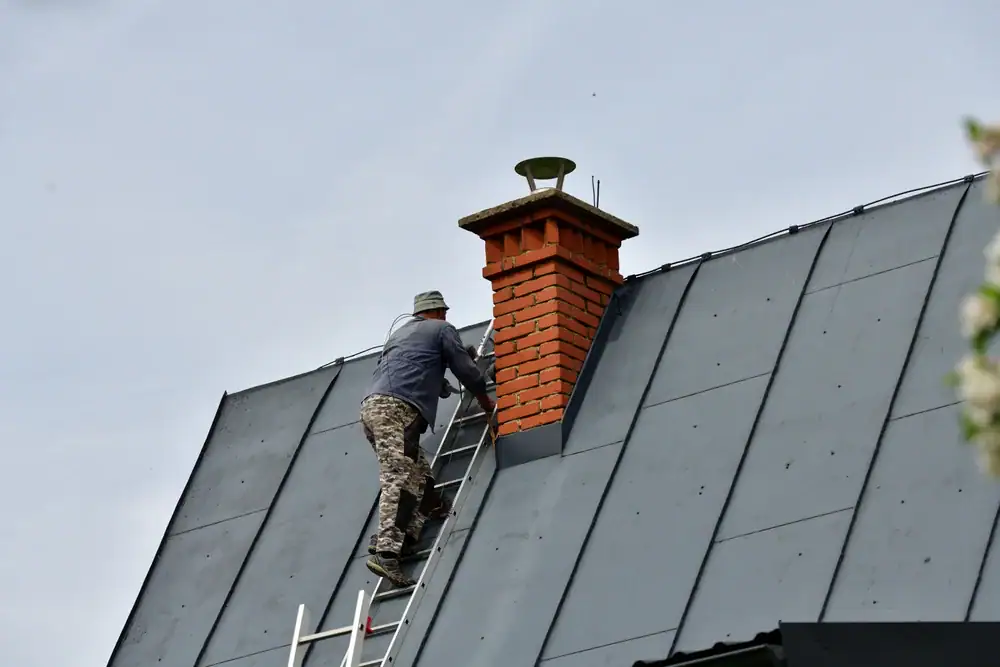
First, we inspect the entire chimney system. Not just the part you can see from the ground. We check the crown, the flashing, the masonry joints, and the flue liner. Most problems start small and hidden, so we look for what’s actually wrong, not just what’s obvious.
Then we tell you exactly what needs fixing and why. If your flashing is corroded from salt air, we explain how that lets water behind your chimney and into your walls. If freeze-thaw cycles have cracked your mortar joints, we show you where and what happens if you wait.
The repair itself depends on what’s damaged. Chimney flashing repair means removing old, corroded metal and installing new waterproof seals. Chimney masonry repair involves repointing mortar joints, rebuilding crowns, or replacing damaged bricks. If your chimney needs waterproofing, we apply treatments during spring when they cure properly before summer humidity or winter weather hits.
You get a timeline before we start. Most repairs take one to three days depending on extent of damage. And you get work that’s built to handle what Northwest Harbor weather throws at it.

Ready to get started?
Chimney leak repair is critical in Northwest Harbor because water infiltration doesn’t announce itself until damage is serious. We seal chimney crowns that have cracked from temperature fluctuations. We replace flashing that’s corroded from salt air exposure. We repoint mortar joints that have deteriorated from freeze-thaw cycles.
Your chimney crown is the concrete top that keeps water out. When it cracks, water seeps in and freezes, expanding the cracks every winter. We rebuild crowns with proper slope and sealing so water runs off instead of pooling.
Flashing is the metal seal where your chimney meets your roof. It’s your first line of defense against leaks. Coastal homes see this fail faster because salt air corrodes metal. We install new flashing with materials rated for marine environments, not standard residential grade that fails in three years.
Masonry work addresses the bricks and mortar. Long Island’s coastal climate means moisture gets into tiny cracks, freezes, and breaks apart your chimney from the inside. We repoint deteriorated joints and replace damaged bricks before structural integrity is compromised. This isn’t cosmetic. It’s preventing your chimney from literally falling apart.
Waterproofing treatments protect against moisture without trapping it inside. We use breathable sealants that repel water while letting your chimney dry out. Applied in spring, they cure before facing summer storms or winter weather.
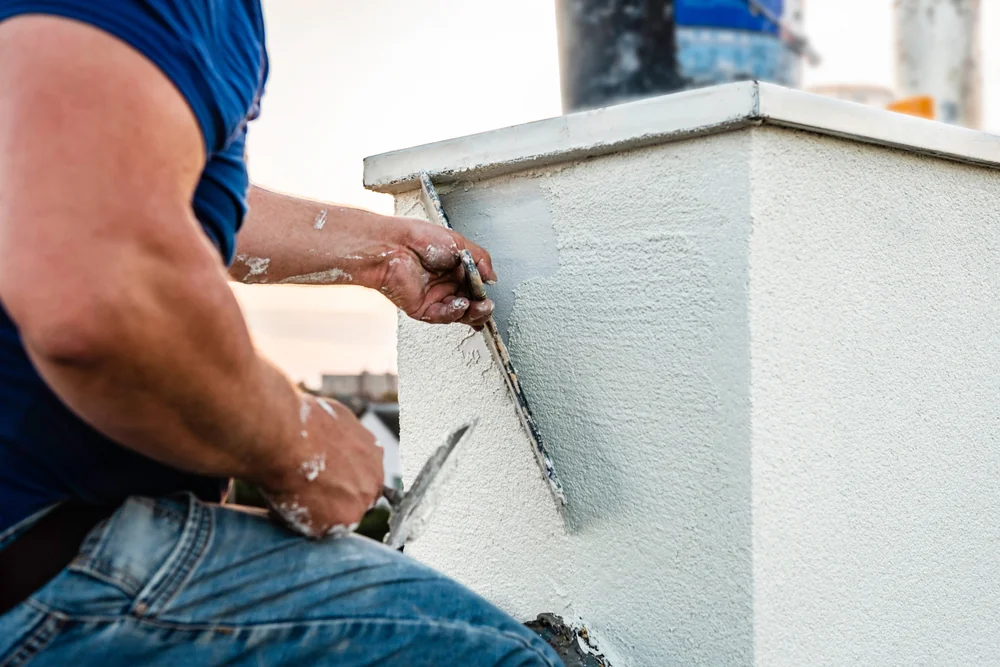
Standard chimney repairs run between $160 and $750 for common issues like minor flashing work or repointing a few joints. Most homeowners spend around $455 on average repairs. But that’s not the whole story for Northwest Harbor.
Coastal homes often need more extensive work because salt air and weather exposure accelerate damage. Chimney flashing repair might cost $800 to $1,500 if corrosion is widespread. Full crown rebuilds run $1,000 to $3,000. And if water damage has compromised structural integrity, you’re looking at $5,000 to $15,000 for major reconstruction.
The real cost comes from waiting. A $500 repair this spring becomes a $5,000 emergency next winter when that small crack lets water freeze inside your masonry. We give you upfront pricing so you know exactly what you’re paying before work starts.
Spring is the best time for chimney inspections in Northwest Harbor. Winter weather causes the most damage, so checking your system after heating season reveals problems before they get worse.
You should also inspect after major storms. Coastal storms bring wind-driven rain that finds weaknesses in flashing and crowns. If you’ve had water stains appear on ceilings or walls near your chimney, don’t wait for an annual inspection—get it checked immediately.
Insurance companies often require regular inspections to maintain coverage for fire-related damages. Many homeowners don’t realize their policy has this requirement until they file a claim and discover neglected maintenance voids their coverage. One inspection every year or two protects both your home and your insurance eligibility.
Water stains on your ceiling or walls near the chimney mean water is getting in somewhere. This is the most obvious sign, but damage often progresses long before you see interior stains.
Check your chimney crown for cracks. Even small ones let water in, and freeze-thaw cycles make them worse every winter. Look at the mortar joints between bricks—if they’re crumbling or recessed, water is deteriorating them from inside. Inspect flashing where the chimney meets your roof. If it’s pulling away, rusted, or has gaps, you’re getting leaks during every rain.
White staining on exterior bricks, called efflorescence, means water is moving through your masonry and bringing salts to the surface. Spalling—where brick faces pop off—happens when moisture inside freezes and expands. And if you smell musty odors or see mold near your fireplace, water has been infiltrating for a while.
Salt air corrodes metal components faster than inland areas experience. Your chimney flashing, which is typically galvanized steel or aluminum, deteriorates in three to five years instead of lasting ten or more. This means coastal homes need flashing replacement twice as often.
Freeze-thaw cycles are more frequent and severe near the water. Temperature fluctuations cause moisture inside masonry to freeze and expand, then thaw and contract. This happens dozens of times each winter, slowly breaking apart bricks and mortar from the inside out.
Coastal storms bring wind-driven rain that penetrates deeper into any existing cracks or gaps. Regular rain might not reach certain areas, but storm conditions force water into places it normally wouldn’t go. Once it’s in, it causes damage that compounds with every subsequent storm.
You can patch surface cracks with store-bought sealant, but it won’t fix the underlying problem. Most chimney damage starts inside the structure where you can’t see it. Surface repairs might hide the issue temporarily, but water is still getting in and causing damage.
Proper chimney masonry repair requires removing deteriorated mortar to the right depth, cleaning joints thoroughly, and repointing with mortar that matches your chimney’s original specifications. Wrong mortar mix—too hard or too soft—causes more problems than it solves. Flashing work requires understanding roof structure and waterproofing principles. Installed incorrectly, new flashing leaks worse than old flashing.
The bigger risk is missing problems that lead to carbon monoxide exposure or chimney fires. A blocked or damaged flue can force dangerous gases into your home. Creosote buildup in damaged chimneys creates fire hazards. These aren’t visible from the outside, and they’re not something you want to discover the hard way.
Most chimney repairs take one to three days depending on what’s damaged. Simple flashing replacement or repointing a few joints might be done in a day. Crown rebuilds typically take two days—one for demolition and forming, another for concrete to cure properly.
Extensive masonry work takes longer. If we’re rebuilding a significant portion of your chimney or addressing structural damage, expect three to five days. Weather affects timeline too. We can’t repoint mortar or pour crowns in freezing temperatures or heavy rain because materials won’t cure correctly.
We give you a specific timeline during the estimate. You’ll know when we start, what happens each day, and when we’ll be finished. Most repairs don’t require you to be home the entire time, but we keep you updated if we find additional damage that needs addressing.
Other Services we provide in Northwest Harbor