

Hear From Our Clients
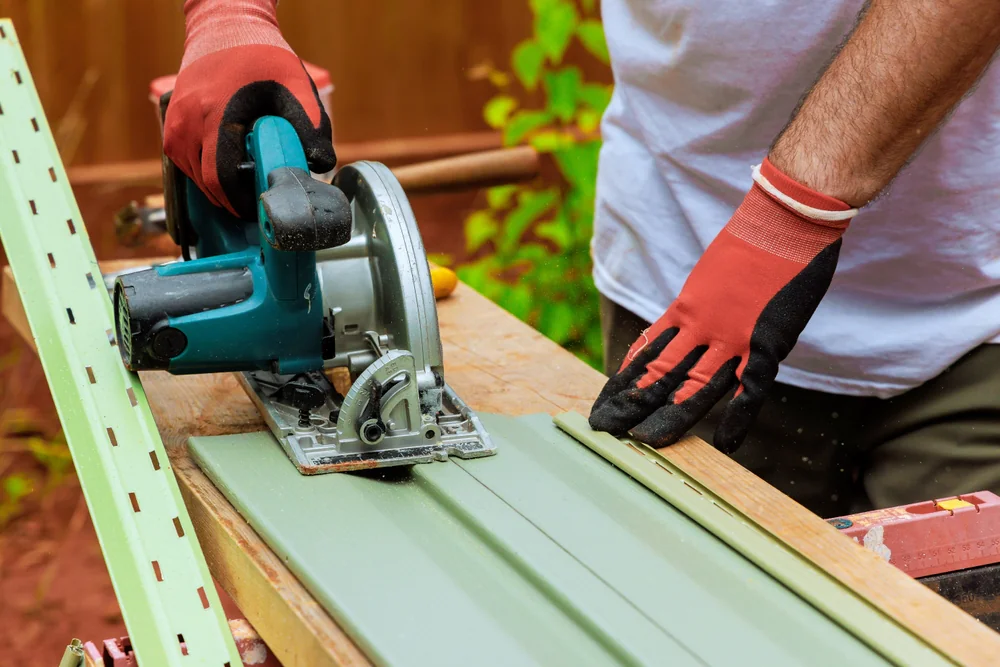
That crack in your siding isn’t just cosmetic. Water’s already getting behind it, soaking into your wall sheathing and starting the rot process. In Selden’s humid climate, mold follows fast—and insurance companies know exactly how this plays out.
A $500 vinyl siding repair today prevents a $15,000 structural repair six months from now. That’s not a scare tactic. That’s what happens when water infiltrates your walls and you don’t catch it early.
We’ve been fixing siding across Suffolk County for over a decade. We know what Long Island’s salt air, freeze-thaw cycles, and coastal storms do to every type of siding material. When we repair your siding, we’re not just patching the surface—we’re stopping damage before it reaches the bones of your house.
You get your home protected, your peace of mind back, and no surprise bills later because we missed something or cut corners.
Home Team Construction has been serving Selden and the surrounding Suffolk County area for more than 10 years. We’re fully licensed and insured, and we understand local building codes better than contractors from outside the area.
We’re not the cheapest option—and that’s intentional. You’re paying for repairs that actually last in Long Island’s coastal environment. Materials that hold up to salt air. Installation techniques that account for wind-driven rain and temperature swings from 23°F to 81°F.
Since 1930, 45 hurricanes have hit Suffolk County. Your siding takes a beating every season, and when it fails, you need someone who knows how to fix it right the first time. That’s what we do.
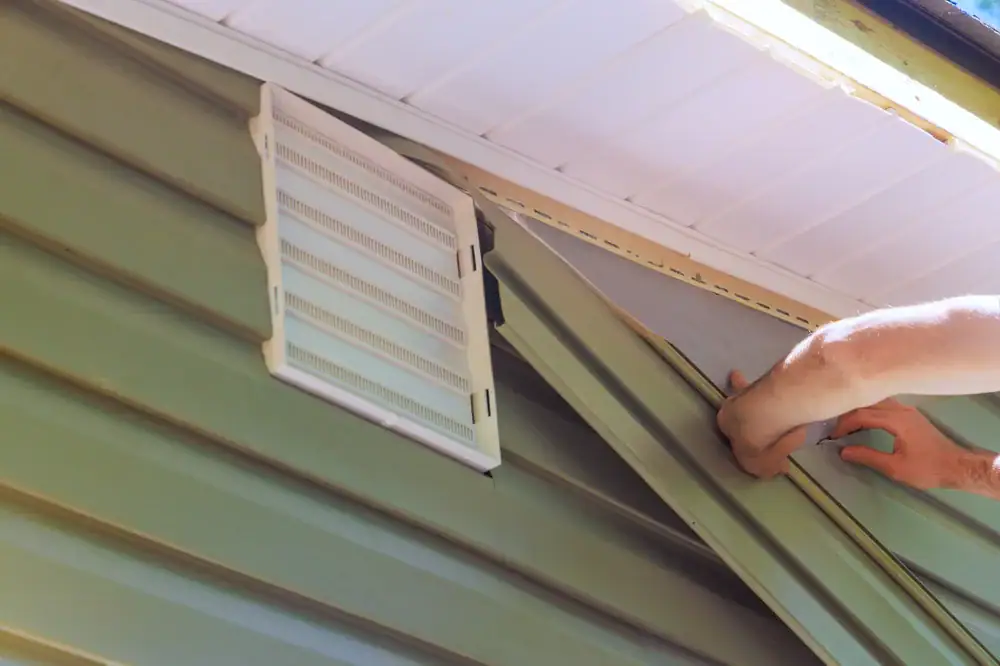
First, we assess what’s actually wrong. Not everything that looks bad needs replacing, and some problems that seem minor are actually urgent. We’ll walk your property with you and explain exactly what we’re seeing—cracks, warping, water stains, loose panels, whatever’s going on.
Next, you get a clear breakdown of what needs fixing and what it’ll cost. No surprises. No “additional work discovered” halfway through the job. If we find something during the repair that changes the scope, we talk to you before we proceed.
Then we handle the repair using materials designed for coastal conditions. Vinyl, aluminum, wood, fiber cement—whatever your house has, we know how to work with it properly. That includes the right fasteners, flashing techniques, and sealing methods that prevent future problems.
If permits are required, we handle that too. Suffolk County has specific requirements for siding work, especially anything structural. DIY repairs that don’t meet code can cause problems when you sell your home or file insurance claims. We make sure everything’s documented and compliant.

Ready to get started?
We repair all common siding materials found on Selden homes—vinyl, aluminum, wood, and fiber cement. Each material fails differently and requires specific repair techniques. Vinyl cracks in predictable patterns during storms. Aluminum dents and corrodes from salt air. Wood rots in our humid climate if it’s not maintained properly.
Your repair includes a full assessment of visible and hidden damage. We check for water infiltration, structural issues behind the siding, and any secondary damage that’s already started. If your wall sheathing is compromised, you need to know now—not six months from now when the problem’s worse.
We also handle storm damage repairs fast. Many of our Suffolk County clients call after nor’easters or hurricane-season winds. We can respond quickly to prevent further water intrusion while you’re dealing with insurance claims. We’ll document everything properly so your claim goes smoothly.
Material compatibility matters more than most homeowners realize. Using the wrong fasteners or sealing methods can actually make problems worse by trapping moisture or creating stress points. We follow manufacturer specifications and local best practices that account for Long Island’s specific weather challenges.

Most siding repairs in Selden run between $500 and $2,000, depending on the material, damage extent, and whether there’s hidden structural work involved. Small vinyl siding repairs—a few cracked panels after a storm—might cost $300 to $600. Larger jobs that involve water damage to the wall sheathing or extensive wood siding rot can reach $5,000 or more.
The real cost question isn’t what you pay today. It’s what you avoid paying later. Water damage spreads fast in Suffolk County’s humid climate. A $500 repair now prevents a $15,000 structural repair down the road when rot reaches your framing.
We give you a clear estimate upfront. No surprises, no “additional work” that magically appears once we start. If we find something that changes the scope, we stop and talk to you before proceeding.
You can handle small cosmetic fixes—replacing one or two vinyl panels on the first floor, for example. But most siding damage involves problems you can’t see from the outside. Water’s already behind the siding, soaking into your wall sheathing. Mold’s starting in places you won’t notice until it’s expensive to fix.
Material compatibility trips up most DIY attempts. Different siding materials require specific fasteners, flashing techniques, and sealing methods. Using the wrong approach can trap moisture or create stress points that lead to bigger failures. Vinyl needs room to expand and contract. Wood needs proper clearance and sealing. Aluminum requires corrosion-resistant fasteners in coastal environments.
Safety becomes a real concern for any work above ground level. Long Island’s coastal winds create additional hazards when you’re on a ladder or scaffolding. One mistake can result in serious injury and property damage that far exceeds what you’d pay a professional.
Suffolk County also requires permits for many siding projects, especially anything structural or covering large areas. DIY work that doesn’t meet code requirements creates problems when you sell your home or file insurance claims.
Most siding repairs in Selden take one to three days, depending on the damage extent and material type. A simple vinyl siding repair—replacing a few cracked panels—might be done in a few hours. Larger jobs involving wood rot, structural repairs, or extensive storm damage can take a week or more.
Weather affects the timeline. We can’t install certain materials in rain or extreme cold. Some sealants and caulks need specific temperature ranges to cure properly. If we’re repairing wood siding, the new material needs time to acclimate before installation to prevent warping.
The permitting process can add time if your repair requires one. Suffolk County typically processes siding permits within a few days, but that’s before we can start work. We handle all of that and keep you updated on the timeline.
Emergency repairs after storm damage get priority. We can often tarp or temporarily seal damaged areas within 24 hours to prevent further water intrusion while we line up the full repair. That’s critical in Selden—every day water’s getting into your walls, the damage is spreading.
Visible cracks, holes, or missing panels are obvious signs, but the serious damage often hides behind what you can see. Water stains on your interior walls mean moisture’s been penetrating for weeks or months. Peeling paint inside the house, musty odors, or bubbling drywall all indicate water infiltration that started at your siding.
Check for warping or buckling panels. Vinyl siding should lie flat against your house. If panels are pulling away, warping, or rippling, water’s likely getting behind them. Look for loose or rattling sections—that’s not just annoying, it’s a gateway for wind-driven rain during storms.
Fading and chalky residue on vinyl siding are normal aging, but they also mean the material’s becoming brittle. Brittle siding cracks more easily during storms. If your siding’s more than 15 years old and showing these signs, it’s worth having someone assess its condition before the next big storm hits.
Wood siding shows different warning signs. Soft spots, visible rot, or areas where paint won’t stick indicate moisture problems. Cedar siding in Selden requires regular maintenance—Long Island’s humidity creates perfect conditions for decay. If you’re seeing rot, it’s likely more extensive than what’s visible on the surface.
Insurance typically covers siding damage from storms, falling trees, or other sudden events—but not damage from poor maintenance or gradual wear. If a nor’easter cracks your vinyl siding or a tree limb punches through during a hurricane, that’s usually covered. If your wood siding’s rotting because you haven’t maintained it, that’s on you.
The key is documenting everything properly and filing quickly. Insurance companies want repairs done fast specifically to prevent secondary damage. They’ll cover the initial storm damage, but if you wait months and water infiltrates your walls, they might deny the claim for the structural repairs.
We’ve worked with dozens of Suffolk County homeowners on insurance claims. We know what documentation adjusters need and how to present the damage so your claim goes smoothly. We can provide detailed estimates, photos, and material specifications that support your claim.
Your deductible affects whether filing makes sense. If the repair costs $800 and your deductible is $1,000, paying out of pocket is simpler. But for larger storm damage repairs, insurance coverage can save you thousands. We’ll walk through the numbers with you so you can make an informed decision.
Fiber cement and vinyl siding perform best in Selden’s salt air and humid conditions, but each has tradeoffs. Fiber cement like James Hardie is extremely durable, resists rot and insects, and holds paint well in coastal environments. It’s heavier and more expensive to install, but it lasts 30 to 50 years with minimal maintenance.
Vinyl siding is the most popular choice in Suffolk County for good reason. It doesn’t rot, resists salt air corrosion, and requires almost no maintenance. Quality vinyl siding lasts 20 to 30 years. The downside is it can crack during extreme cold or high-impact storms, and it fades over time from UV exposure.
Wood siding gives homes that classic Long Island look, but it demands regular maintenance here. Cedar naturally resists rot better than other woods, but Long Island’s humidity still creates conditions for decay. You’ll need to restain or repaint every few years and watch closely for any signs of moisture damage. If you’re willing to maintain it properly, wood siding can last decades.
Aluminum siding was popular in older Selden homes but has fallen out of favor. It resists rot and fire, but it dents easily and corrodes in salt air. If you have aluminum siding, regular inspection and prompt repair of any damaged protective coating prevent corrosion from spreading.
Other Services we provide in Selden