
Hear From Our Clients

You’ve probably noticed the pattern by now. Water stains show up on your ceiling after a storm. Mortar crumbles when you touch it. Bricks look loose or cracked near the roofline.
You call someone, they patch it, and six months later you’re dealing with the same issue again. That’s because coastal chimneys in Selden face a specific kind of damage that repairs can’t always solve.
Salt air pulls moisture into brick like a magnet. When temperatures drop, that water freezes and expands. The brick doesn’t just crack—it starts breaking apart in chunks. Add in Long Island’s freeze-thaw cycles and summer storms, and you’re looking at a structure that’s failing from the inside out.
A full chimney replacement stops that cycle. You get a rebuilt system designed for Suffolk County weather, with materials that handle salt air and temperature swings without falling apart. No more emergency calls. No more patching the same spots every year.
We’ve spent over 10 years working on homes across Suffolk County. We’re licensed, insured, and we live in the neighborhoods we serve.
We know what Long Island weather does to chimneys because we see it every day. Salt air from the coast, winter freeze-thaw cycles, heavy snow loads—these aren’t abstract problems for us. They’re the reason homeowners in Selden call us when their chimney is leaking, crumbling, or structurally unsafe.
We don’t cut corners, and we don’t oversell. If your chimney needs a full replacement, we’ll tell you why. If it doesn’t, we’ll tell you that too.
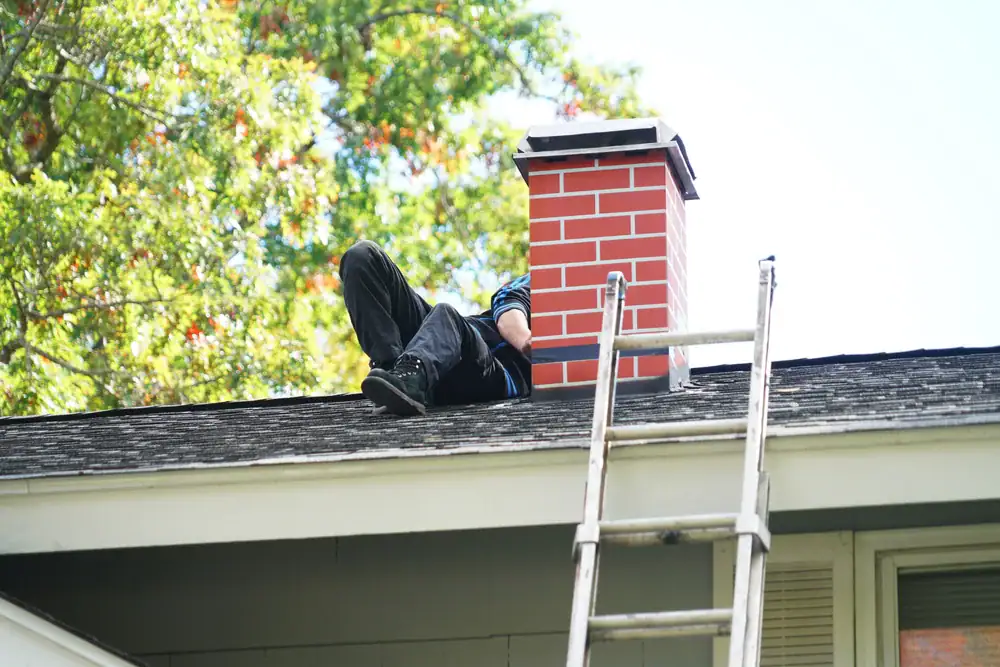
First, we inspect the entire chimney system—stack, flue, liner, flashing, cap, and foundation. We’re looking for structural damage, water intrusion, and any safety issues that need immediate attention.
Once we know what we’re dealing with, we walk you through what needs to be replaced and why. Some chimneys only need the stack above the roofline rebuilt. Others require a full teardown and rebuild from the foundation up, especially if there’s been long-term water damage or structural settling.
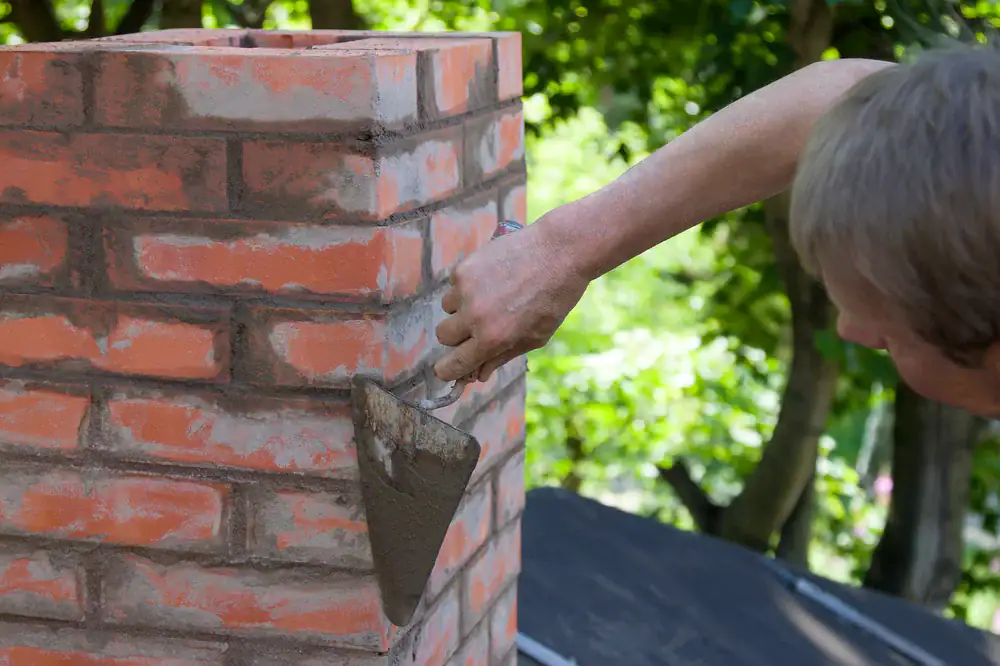
During the rebuild, we remove damaged materials and install new brick or stone that’s rated for coastal environments. We replace or install a stainless steel chimney liner if needed, seal all flashing to prevent leaks, and add a chimney cap to keep water and animals out.
The process typically takes a few days depending on the scope of work. We protect your roof and property during the job, clean up when we’re done, and make sure everything is sealed and safe before we leave.

Ready to get started?
A complete chimney replacement in Selden includes more than just new bricks. You’re getting a rebuilt system designed to handle everything Long Island throws at it.
We use marine-grade materials when needed because salt air accelerates corrosion faster than most homeowners realize. Chimney flashing replacement is part of the job—old flashing is one of the main reasons chimneys leak, and we’re not rebuilding a chimney just to leave failing flashing in place.
If your chimney liner is cracked or missing, we install a new stainless steel liner that meets current safety codes. Chimney cap replacement is standard—it keeps rain, snow, and animals out while allowing smoke to vent properly. For chimneys where the stack is compromised, we handle chimney stack replacement above the roofline with brick or stone that matches your home’s exterior.
Selden homes built before 1980 often have chimneys without liners or with clay liners that have cracked over time. A chimney flue replacement addresses that, giving you a safer, more efficient system that reduces the risk of carbon monoxide leaks and chimney fires.

If damage is isolated to one area—like a few cracked bricks or deteriorating mortar joints—repairs usually work. But when you’re seeing widespread crumbling, multiple leaks, structural tilting, or large sections of missing mortar, replacement makes more sense.
Here’s a good rule: if you’ve repaired the same chimney multiple times in the past few years and problems keep coming back, the structure itself is likely compromised. Coastal chimneys in Selden take a beating from salt air and freeze-thaw cycles, and at some point the damage becomes too extensive to patch reliably.
We’ll inspect the chimney from top to bottom and give you an honest assessment. If repairs will actually hold up, we’ll tell you. If the chimney’s integrity is shot and you’re just delaying the inevitable, we’ll tell you that too.
Chimney replacement costs in Selden typically range from $4,000 to $15,000 depending on the scope of work. Rebuilding just the stack above the roofline runs $1,000 to $3,500. A complete teardown and rebuild from the foundation up costs more because there’s more labor and material involved.
Factors that affect cost include chimney height, materials used, whether you need a new liner installed, the condition of the flashing, and how accessible the chimney is. A two-story chimney costs more than a single-story ranch chimney simply because there’s more structure to rebuild.
Coastal homes often require marine-grade materials to handle salt air, which adds to the cost but significantly extends the lifespan of the chimney. We’ll give you a detailed estimate after the inspection so you know exactly what you’re paying for and why.
A properly built chimney using the right materials can last 50 to 100+ years, even in Selden’s coastal environment. The key is using brick and mortar rated for salt air exposure and making sure the chimney has a liner, cap, and properly sealed flashing.
Chimneys fail prematurely when they’re built with standard materials that can’t handle moisture and salt. Long Island’s freeze-thaw cycles are brutal on masonry, and if water gets into the brick, it freezes, expands, and causes cracking. Over time, that damage compounds until the chimney starts falling apart.
Regular maintenance extends lifespan significantly. Annual inspections catch small issues before they become structural problems. Keeping the cap in good shape and resealing flashing when needed prevents water intrusion, which is the main thing that destroys chimneys in coastal areas.
Yes, chimney liner replacement is a standalone service if the chimney structure itself is still sound. We install stainless steel liners in existing chimneys when the old clay liner is cracked or when there’s no liner at all, which is common in older Selden homes.
A liner protects the chimney walls from heat and corrosive byproducts, reduces the risk of chimney fires, and improves draft efficiency. If your chimney is structurally solid but you’re dealing with draft problems, smoke backing up into the house, or visible cracks in a clay liner, replacing just the liner often solves the issue.
During the inspection, we’ll check whether the chimney structure can support a new liner or if there’s underlying damage that needs to be addressed first. If the masonry is deteriorating or there’s significant water damage, a liner alone won’t fix the problem—you’d need more extensive repairs or a full replacement.
A failing chimney gets worse, not better. Water intrusion accelerates once the structure starts breaking down. Cracks let in more moisture, freeze-thaw cycles make those cracks bigger, and eventually you’re looking at bricks falling off the roof or a chimney that’s leaning and structurally unsafe.
Inside the house, you’ll deal with water stains, mold growth, and damaged walls or ceilings. If the flue is compromised, you’re at risk for carbon monoxide leaks and chimney fires. Homeowners insurance doesn’t always cover damage from deferred maintenance, so if your chimney causes a leak that ruins your interior, you might be paying for that out of pocket.
The cost of waiting usually exceeds the cost of replacing the chimney when it first starts showing serious damage. A $6,000 replacement now can prevent $15,000 in emergency repairs, water damage remediation, and interior restoration later.
Yes, chimney cap replacement and chimney flashing replacement are standard parts of a full chimney replacement. We’re not rebuilding a chimney and leaving old, failing components in place—that defeats the purpose.
The cap keeps rain, snow, and animals out while allowing smoke to vent. A damaged or missing cap is one of the fastest ways to destroy a chimney because water pours straight down the flue. Flashing seals the gap between the chimney and roof, and when it fails, water leaks into your home. Old flashing cracks, pulls away from the chimney, or corrodes, especially in coastal areas.
We install new flashing that’s properly sealed and integrated with your roofing system, and we add a stainless steel or copper cap designed to last. Both are critical for keeping your new chimney watertight and functional for decades.
Other Services we provide in Selden