
Hear From Our Clients
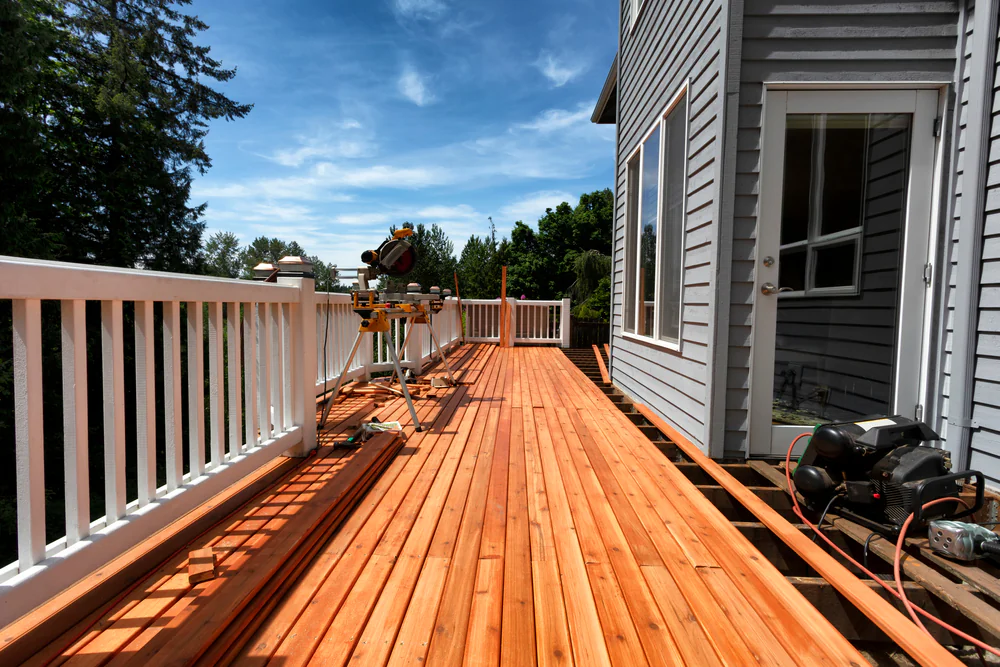
You shouldn’t have to avoid certain spots on your own deck. You shouldn’t have to warn guests about loose boards or wonder if that railing will hold. When your deck is structurally sound, everything changes.
Your outdoor space becomes usable again. Barbecues happen without second-guessing where people stand. Kids can run around without you holding your breath. You stop mentally calculating repair costs every time you walk outside.
That’s what proper deck repair does. It eliminates the stress and gives you back a space where memories happen instead of safety concerns. Most repairs take one to three days depending on scope, and the difference between a patched job and a proper fix comes down to understanding what Long Island’s climate does to deck materials over time.
Home Team Construction has spent over a decade repairing decks across Suffolk County. We’re licensed, insured, and based right here in the area—which matters more than you might think.
Long Island’s coastal climate isn’t kind to outdoor structures. Salt air corrodes fasteners. Winter freeze-thaw cycles stress connections. Summer storms test every weak point. We’ve seen what happens to decks in Selden after five years, ten years, twenty years.
That local knowledge shapes how we approach every repair. We know which materials hold up and which ones fail. We understand Suffolk County building codes. And we’ve learned that most deck problems start where you can’t see them—which is why our process begins with a thorough inspection before we touch a single board.
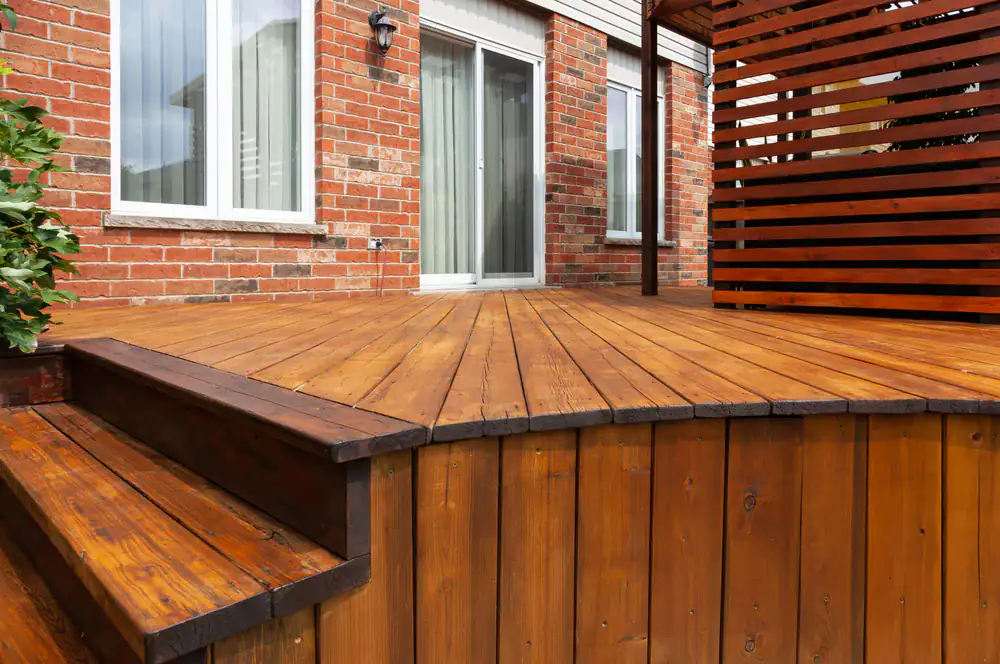
First, we inspect your entire deck structure—not just the obvious problem areas. We’re checking support posts, joists, flashing, connections, and fasteners. Most deck failures start with hidden damage, so we look at everything from the foundation up.
Then we explain what we found. You’ll get a clear breakdown of what’s cosmetic versus structural, what needs immediate attention, and what can wait. No surprises halfway through the job about “additional work we discovered.”
Once you approve the scope, we protect your property and get to work. We replace damaged boards, reinforce weakened joists, fix railings and stairs, and address any structural issues. Every repair accounts for Suffolk County’s specific challenges—salt air, moisture, temperature swings.
Most deck repairs wrap up in one to three days. We clean up thoroughly each day and complete a final walkthrough with you before we’re done. You’ll know exactly what was fixed and why it matters.
Ready to get started?
Deck repair covers a wide range of issues. We replace rotted or damaged deck boards—both wood and composite materials. We fix loose or failing railings that have become safety hazards. We repair stairs that have pulled away from the main structure or developed weak treads.
Structural repairs go deeper. We reinforce or replace joists weakened by moisture exposure. We address rotting support posts before they cause catastrophic failure. We fix flashing failures that allow water infiltration into your home’s structure.
In Selden and throughout Suffolk County, decks face specific challenges. The combination of coastal moisture, salt-laden air, and harsh winters means fasteners corrode faster, wood rots more readily, and connections loosen more quickly than in other climates. Our repair approach accounts for these conditions.
We use appropriate fasteners for coastal environments. We apply sealers that actually protect against Long Island’s humidity and UV exposure. We reinforce connection points that winter freeze-thaw cycles stress repeatedly. The goal isn’t just fixing what’s broken—it’s making sure the repair holds up to what caused the damage in the first place.

Most deck repairs in Suffolk County run between $1,000 and $5,000, but that range is wide because the biggest cost variable is whether your damage is cosmetic or structural.
Surface issues are affordable. Replacing a few rotted boards, fixing loose railing sections, or repairing stairs usually falls on the lower end. These are straightforward repairs that don’t require extensive structural work.
Structural problems cost more because they involve hidden damage. If your support posts are rotting, your joists are compromised, or your ledger board has pulled away from the house, you’re looking at more extensive work. The most expensive scenario is discovering that your deck needs full replacement because the structural damage is too extensive to repair safely. That’s why catching problems early matters—a $2,000 repair today can prevent a $15,000 replacement next year.
Start with the basics. If you can push a screwdriver into your deck boards or support posts easily, that’s rot—and it’s a problem. If your railing moves when you lean on it, the connections have failed. If boards are cracked, split, or pulling away from joists, they need attention.
But the real answer requires looking underneath. Most deck failures start where you can’t see them from the surface. Support posts rot from the inside out. Joists weaken from moisture exposure over years. Flashing fails and allows water to infiltrate your home’s structure.
Here’s a practical guideline: if less than 25% of your deck structure is compromised, repair usually makes sense. If more than half your joists are damaged, multiple posts are rotting, or the ledger board has significant issues, replacement becomes more cost-effective. A thorough inspection tells you which situation you’re actually dealing with—not just what’s visible from the top.
Salt air is the biggest culprit. It corrodes metal fasteners and connectors faster than you’d see inland. Screws and nails lose holding power as they rust. Joist hangers weaken. Connection points that would last twenty years elsewhere might fail in twelve here.
Winter freeze-thaw cycles create their own stress. Water gets into small cracks and gaps, freezes overnight, expands, and makes those gaps bigger. This happens repeatedly throughout winter. It loosens fasteners, widens splits in boards, and stresses connection points. Add in the fact that Long Island’s coastal moisture means decks stay damp longer, and you’ve got perfect conditions for accelerated deterioration.
Summer brings intense UV exposure and high humidity. UV makes materials brittle over time—especially composite decking that wasn’t designed for coastal conditions. High humidity creates ideal conditions for mold and rot. The combination of all these factors means decks in Selden face more stress in ten years than decks in drier, less coastal climates face in twenty.
Most deck repairs take one to three days depending on scope. Simple repairs—replacing a few boards, fixing a railing section, repairing stairs—often wrap up in a single day.
More extensive structural work takes longer. If we’re reinforcing multiple joists, replacing support posts, or addressing ledger board issues, expect two to three days. We’re not rushing through structural repairs because doing them right matters more than doing them fast.
Weather can affect timing, especially for repairs that require sealers or finishes to cure properly. We won’t apply products in rain or extreme humidity because they won’t perform correctly. We also protect your property throughout the process and clean up thoroughly each day, which adds time but means you’re not living in a construction zone. You’ll know the expected timeline before we start, and we’ll update you if anything changes.
You can replace surface boards if that’s truly all that’s wrong. But here’s what most homeowners don’t realize: visible damage is usually a symptom of hidden problems.
That rotted board didn’t fail because the board was defective. It failed because water got trapped there, which means you might have a drainage issue, a flashing problem, or joist damage underneath. Replacing the board without addressing why it rotted means you’ll be replacing it again in two years.
The bigger concern is structural safety. If your joists are compromised, your support posts are rotting, or your connections have failed, surface repairs create a dangerous situation. You’ve got a deck that looks fine but isn’t structurally sound. Most deck collapses happen because someone patched visible problems without addressing structural ones. A proper inspection catches those issues before they become safety hazards—or liability issues if someone gets hurt on your property.
Yes. The repair approach differs because the materials behave differently, but we handle both.
Wood deck repair usually involves replacing damaged boards, reinforcing or replacing structural members, fixing connections, and applying appropriate sealers. Wood fails in predictable ways—it rots when exposed to moisture, splits along grain lines, and weathers when UV protection breaks down.
Composite decking has its own issues. It doesn’t rot, but it can crack, fade, warp, or develop mold growth in coastal climates. Composite repairs often focus on replacing damaged boards, addressing fastener issues (composite expands and contracts more than wood), and fixing installation problems that cause water pooling. Not all composite materials are created equal—some hold up better in Long Island’s climate than others, and that affects repair recommendations.
The structural elements under both types of decking are usually wood, which means the same moisture and rot issues apply regardless of what’s on the surface. That’s why our inspections always check the entire structure, not just the visible decking material.
Other Services we provide in Selden