
Hear From Our Clients
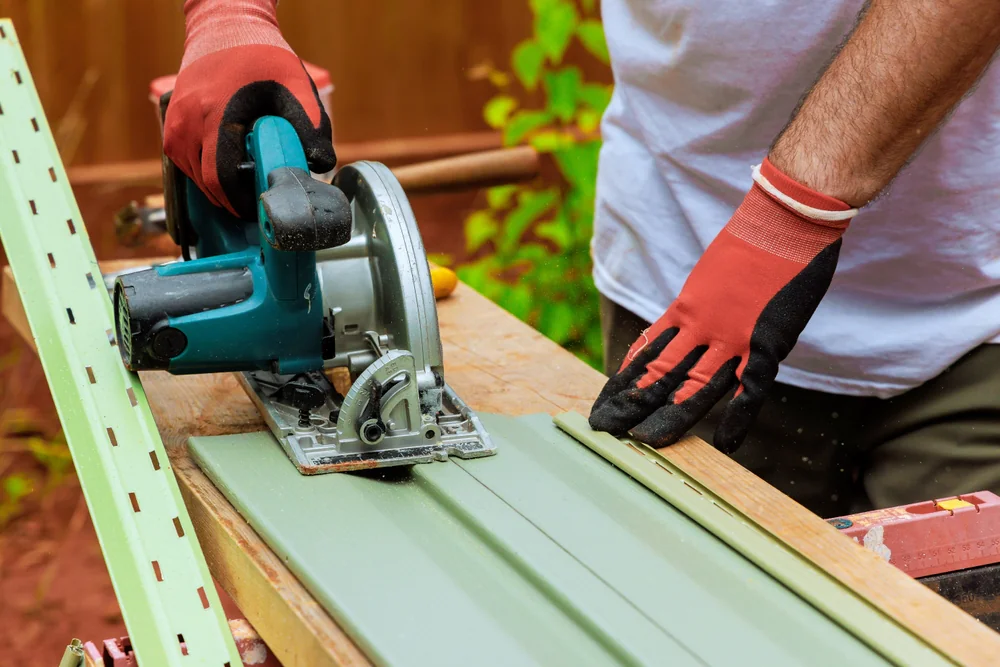
You’ve got cracked panels letting moisture into your walls. Maybe you’ve got loose siding flapping in the wind, or sections that don’t match because you’ve patched things yourself three times already. Every storm season, you’re wondering if this is the year something finally gives.
Here’s what changes after we fix it. Your exterior stops being a maintenance headache. The repairs blend in so well that you forget where the damage was. Your walls stay dry through nor’easters because everything’s sealed properly with marine-grade materials that actually hold up to salt air.
Most repairs finish the same day we start. You’re not waiting weeks for someone to show up, and you’re not dealing with moisture damage spreading while contractors ghost your calls. The work gets done, it looks right, and it lasts through the weather Fort Salonga throws at it.
Home Team Construction has spent over a decade repairing siding on Long Island’s north shore. We’re licensed, insured, and we don’t subcontract the work to crews we’ve never met. Every person who shows up at your house works directly for us.
Fort Salonga’s coastal location means your siding deals with conditions that standard materials weren’t built for. Salt air corrodes fasteners. Wind-driven rain finds every weak seal. Temperature swings crack rigid panels. We’ve seen what happens when repairs don’t account for these factors, and we’ve fixed plenty of those jobs twice.
You’re hiring people who understand that vinyl siding repair here isn’t the same as vinyl siding repair twenty miles inland. The materials matter. The installation method matters. And showing up when we say we will matters.
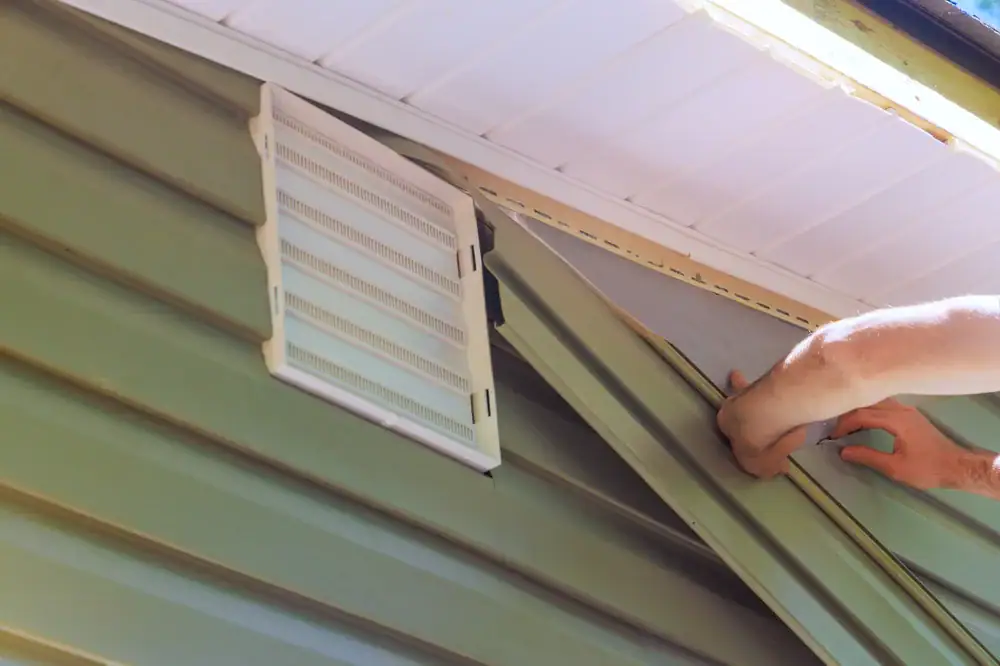
You call or message us with photos if you have them. We schedule an inspection, usually within a day or two. When we arrive, we’re looking at the visible damage and checking for what you can’t see yet—moisture behind panels, failed seals, fastener corrosion, structural issues that started as small cracks.
You get a clear estimate before any work starts. We explain what needs repair, what materials we’re using, and why those materials work for coastal conditions. If your damage came from a recent storm, we walk you through documentation for insurance claims.
Most repairs start and finish the same day. We remove damaged sections, prep the surface, install new materials that match your existing siding, and seal everything with marine-grade products. For wood siding repair, we treat for moisture and rot. For vinyl or aluminum siding repair, we match color and texture so the fix disappears. You’re not left with mismatched panels or obvious patch jobs.
Before we leave, we clean up completely and show you what we did. You get warranty information in writing. If weather’s coming, we make sure your home is sealed and protected before the first drop of rain.

Ready to get started?
Every siding repair includes inspection of the surrounding area to catch problems before they spread. We’re checking for water intrusion, insulation damage, and structural issues that happen when siding fails. You’re not just getting the visible crack fixed—you’re getting the underlying problem solved.
Material selection depends on what you currently have and what Fort Salonga’s climate demands. Vinyl siding repairs use UV-resistant panels that won’t fade or crack in temperature swings. Wood siding repair includes moisture treatment and rot-resistant coatings. Fiber cement gets sealed with products designed for marine environments. Aluminum siding repair addresses corrosion at fastener points where salt air does the most damage.
Installation follows wind-resistance standards that matter when nor’easters hit. Panels are secured to handle sustained winds, not just normal weather. Seams get marine-grade sealant that flexes with temperature changes instead of cracking. Flashing around windows and trim gets replaced if it’s compromised, because that’s where most water intrusion starts.
You get written warranties on labor and materials. Most manufacturers cover materials for 10-30 years depending on what we install. Our labor warranty covers the installation quality. If something fails because of how we installed it, we fix it at no cost to you.

Most siding repairs in Fort Salonga run between $300 and $1,500 depending on damage extent and materials. Small repairs like fixing a few cracked panels or reattaching loose sections typically cost $300-$600. Moderate damage from storm impact or rot that requires replacing multiple panels usually runs $600-$1,000. Extensive repairs involving structural work behind the siding or large sections of replacement can reach $1,500 or more.
The material you currently have affects cost. Vinyl siding repair tends to be the most affordable because panels are readily available and installation is straightforward. Wood siding repair costs more because it requires moisture treatment, potential rot removal, and custom matching for older homes. Fiber cement and aluminum siding fall somewhere in between.
Location matters too. Coastal homes often need marine-grade sealants and corrosion-resistant fasteners that add to material costs but significantly extend repair life. We give you an exact estimate after inspecting the damage, so you know what you’re paying before we start.
Most siding repairs finish the same day we start. Simple fixes like reattaching loose panels or sealing small cracks take 2-3 hours from start to cleanup. Moderate repairs that involve replacing several damaged sections typically take 4-6 hours. We’re usually done before dinner.
Larger repairs that require structural work or extensive panel replacement might take two days, but that’s less common. We’ll tell you the timeline during the estimate so you can plan accordingly. Weather can delay outdoor work, but we’ll communicate any changes as soon as we know.
Emergency repairs after storm damage get priority scheduling. If your siding is actively letting water into your walls, we can often get someone out the same day you call. Temporary weatherproofing takes an hour or two, and we schedule the full repair as soon as materials arrive—usually within a few days for standard siding types.
Yes, and this is where experience matters. Matching existing siding so repairs blend invisibly requires knowing manufacturers, product lines, and how materials age in coastal conditions. We bring samples to compare against your current siding before ordering anything.
Vinyl siding is usually the easiest to match because manufacturers maintain consistent product lines. We identify your siding profile and color code, then source matching panels. Even if your siding has faded over the years, we can often find panels that match the current weathered color rather than the original shade.
Wood siding repair involves more custom work. We match wood species, grain pattern, and dimensions, then finish it to blend with your existing boards. This takes more time but produces seamless results. Fiber cement and aluminum siding fall somewhere in between—we can usually source matching profiles, though discontinued colors sometimes require painting the repair area.
If we can’t find an exact match for discontinued products, we discuss options. Sometimes replacing an entire wall section with new material looks better than a mismatched patch. We show you what’s possible before you decide.
Any damage that lets water reach your wall cavity needs immediate attention. This includes cracks that go through the panel, loose sections where you can see the house wrap behind, and areas where siding has pulled away from trim or corners. Water intrusion leads to mold, rot, and insulation damage that costs exponentially more to fix than the original siding repair.
Storm damage should get inspected right away even if it looks minor. A small crack from hail impact or a panel that loosened during high winds might seem manageable, but Fort Salonga’s weather will make it worse fast. Salt air gets into cracks and accelerates deterioration. Wind-driven rain exploits every opening. What’s a $400 repair today becomes a $2,000 problem after one winter.
Cosmetic issues like fading, minor scratches, or small dents can wait if the siding is still doing its job of protecting your walls. But if you’re seeing multiple cosmetic problems, that’s often a sign that the material is reaching the end of its effective life. We can assess whether spot repairs make sense or if you’re better off planning for replacement in the near future.
We document damage and provide detailed estimates that insurance companies accept, but you’ll file the claim directly with your insurer. After a storm, we inspect all visible damage and photograph everything. Our estimate breaks down what needs repair, why it needs repair, and what materials and labor will cost.
Most homeowners insurance policies cover sudden damage from storms, falling trees, or hail. They typically don’t cover damage from deferred maintenance or gradual deterioration. If your siding failed because it was already compromised by age or previous damage that wasn’t repaired, insurance might not cover it. We’ll be straight with you about what’s storm damage versus what’s pre-existing wear.
The claims process usually works like this: you contact your insurance company and file a claim. They send an adjuster to assess damage. You provide our estimate for comparison. If the adjuster’s assessment differs significantly from ours, we can discuss the discrepancy with them directly. Once your claim is approved, we schedule the repair work. You pay your deductible, and insurance covers the rest according to your policy terms.
Salt air is the main culprit. Microscopic salt particles in coastal air act like abrasive sandpaper on siding surfaces, gradually wearing down protective coatings and accelerating material breakdown. Salt also corrodes metal fasteners, flashing, and trim, which compromises how siding attaches to your house. What holds up fine fifteen miles inland fails in half the time near the water.
Moisture levels stay higher in coastal areas. Your siding goes through more wet-dry cycles, and materials don’t fully dry out between rain events. This constant moisture exposure encourages mold growth on wood siding, degrades adhesives in composite materials, and causes expansion-contraction cycles that crack rigid panels. Fort Salonga’s humidity combined with temperature swings from winter freezes to summer heat puts serious stress on exterior materials.
Wind is the third factor. Coastal homes face stronger sustained winds and more frequent storms than inland properties. Since 1930, Suffolk County has been hit by 45 hurricanes, plus countless nor’easters. Every storm tests your siding’s attachment points. Panels that aren’t installed to coastal wind standards gradually loosen, creating gaps where water intrudes. This is why proper installation with marine-grade materials matters so much here—standard methods don’t hold up to what Fort Salonga weather delivers year after year.
Other Services we provide in Fort Salonga