

Hear From Our Clients
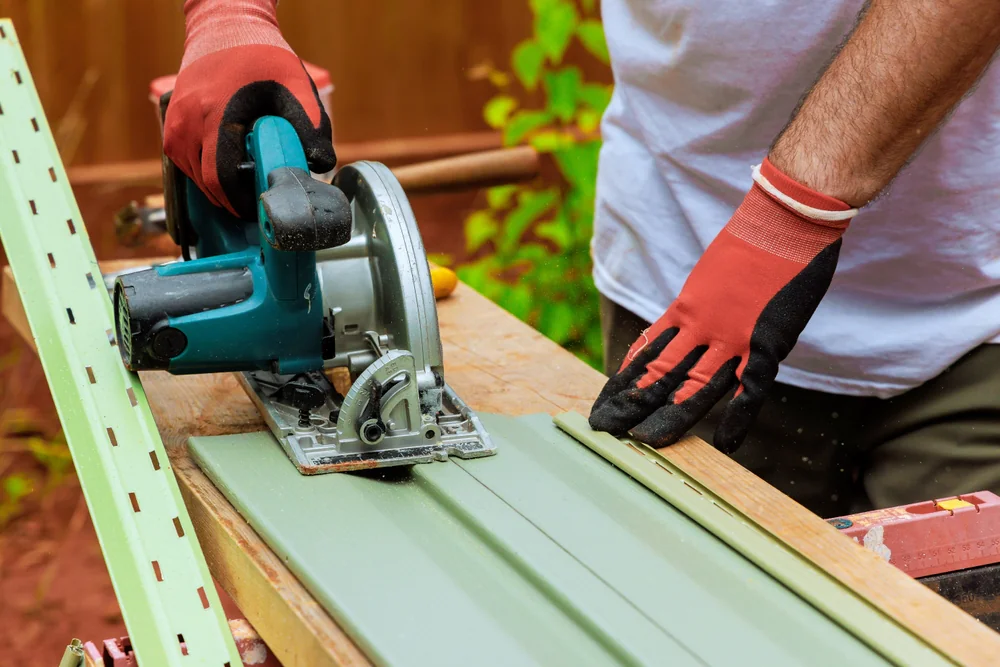
You’ve probably noticed the damage. Maybe it’s a few loose panels after last month’s storm, or wood siding that’s starting to rot near the roofline. It doesn’t look that bad yet—but that’s the problem.
Water doesn’t wait. Once it gets behind your siding, it starts working on your wall sheathing, your insulation, your framing. What costs $400 to fix today becomes a $15,000 structural repair six months from now. Long Island’s weather doesn’t give you a break either. Salt air, freeze-thaw cycles, summer humidity—it all speeds up the damage once it starts.
Professional siding repair stops the problem where it is. You get the damaged section replaced or resealed, the underlying cause addressed, and your home protected again. No guessing, no temporary patches that fail in the next storm, no water slowly destroying what you can’t see.
We’ve spent more than 10 years repairing siding across Suffolk County. We know what nor’easters do to vinyl siding, how salt air eats through aluminum, and why wood siding fails faster near Nesconset’s wooded areas.
We’re licensed, insured, and local. That matters because we’re not disappearing after the job—we live and work here. When we repair your siding, we’re doing it the way we’d want it done on our own homes, because our reputation in this community depends on it.
You’ll get an upfront estimate, a clear explanation of what’s wrong and why, and repairs that actually last. No runaround, no upselling, no surprises when the bill comes.
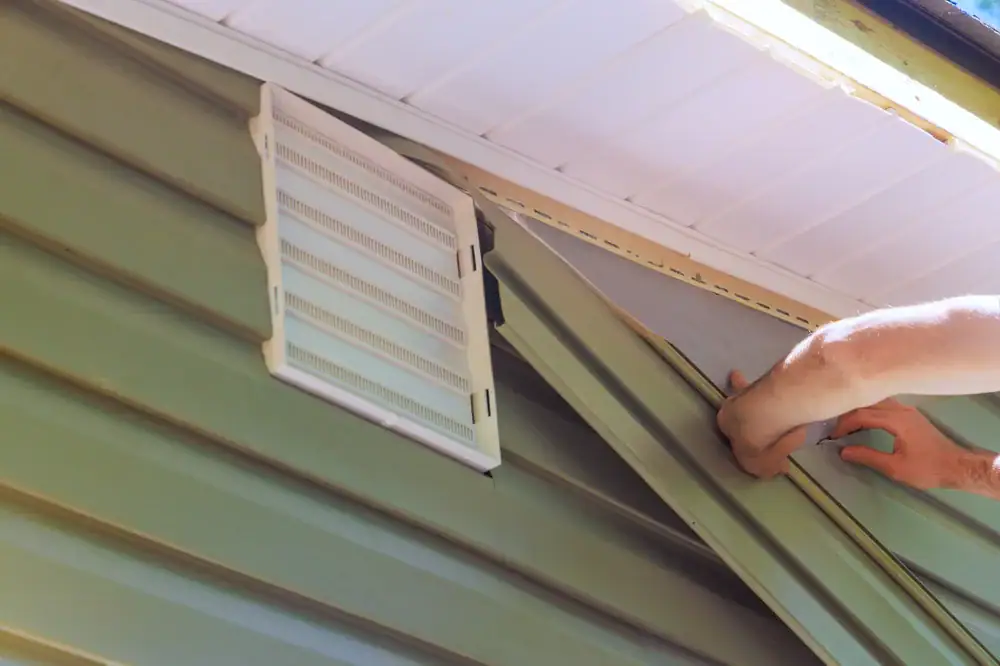
First, we come out and inspect the damage. Not just what you can see—we check behind it, around it, and underneath it to find out what caused the problem in the first place. A lot of siding damage starts with bad flashing, improper installation, or water getting in somewhere else entirely.
Then we give you a detailed estimate. You’ll know what needs to be fixed, what it costs, and what happens if you wait. If it’s storm damage, we’ll walk you through the insurance process and document everything the way your insurance company needs it.
Once you approve the work, we schedule the repair. For emergency situations—like a panel ripped off in a storm—we can do temporary weatherproofing the same day to stop water from getting in. Then we come back and complete the permanent repair with the right materials and proper installation. We match your existing siding as closely as possible, whether it’s vinyl, wood, aluminum, or fiber cement, and we make sure the repair blends in and holds up to Long Island weather.

Ready to get started?
Every siding repair we do includes a full assessment of the damage and the cause. You’re not just getting a patch job—you’re getting the problem fixed correctly so it doesn’t come back next season.
We work with all the major siding materials common in Nesconset homes. Vinyl siding repairs usually involve replacing cracked or broken panels and fixing the locking mechanism that holds them together. Wood siding repair means cutting out rotted sections, treating the area, and installing new wood that’s properly primed and painted. Aluminum siding repair often involves straightening dents, replacing torn sections, and re-sealing joints where water’s getting through.
For every repair, we use materials designed for coastal conditions. That means corrosion-resistant fasteners, proper flashing, and installation techniques that account for Long Island’s temperature swings and humidity. We also check the house wrap and moisture barrier behind your siding—because if those are compromised, your siding repair won’t matter.
You get a warranty on the work and the materials. If something goes wrong with our repair, we come back and make it right. That’s how it should work.

Most homeowners spend between $200 and $800 for common siding repairs, with the average around $400. That typically covers replacing a few damaged panels, fixing a small section of wood siding, or repairing storm damage to a specific area.
The actual cost depends on what’s damaged, what material you have, and how much of it needs fixing. Vinyl siding repair tends to be less expensive because the panels are easier to replace. Wood siding repair costs more because it involves carpentry work, priming, and painting to match. Aluminum siding falls somewhere in between.
If the damage has been sitting for a while and water got behind the siding, the cost goes up—because now we’re fixing the siding and the sheathing or framing underneath. That’s why catching it early matters. A $300 repair today beats a $5,000 repair next year.
In most cases, you can repair just the damaged section. Siding is designed to be replaced in pieces, and as long as the surrounding material is still in good shape, there’s no reason to replace more than what’s actually damaged.
The challenge is matching the existing siding. If your siding is newer, we can usually find an exact or very close match. If it’s older, the color might have faded, so the new section may look slightly different at first—but it’ll blend in as it weathers. For wood siding, we can match the profile and paint it to match your existing color.
Sometimes the damage reveals a bigger problem. If we pull off a damaged panel and find that half the wall sheathing is rotted, that changes the scope. But we’ll show you what we find and explain your options before doing any additional work. You’re never locked into something you didn’t agree to.
Small repairs—like replacing a few vinyl panels or fixing a cracked section—usually take a few hours. We can often complete them in a single visit. Larger repairs, or repairs that involve wood siding with custom painting, might take a day or two depending on drying time and the scope of the work.
Emergency repairs get handled faster. If a storm rips your siding off and water’s getting into your walls, we’ll come out the same day if possible and at least get it weatherproofed temporarily. Then we schedule the permanent repair as soon as we can get the materials.
Weather affects the timeline too. We can’t install siding in heavy rain or when it’s too cold for adhesives and caulk to cure properly. If we’re in the middle of your repair and conditions turn bad, we’ll make sure everything’s sealed up and watertight, then come back when it’s safe to finish the job right.
It depends on your policy and what caused the damage. Most homeowners insurance policies cover sudden storm damage—like wind ripping panels off or hail cracking your siding. They usually don’t cover damage from lack of maintenance or normal wear and tear over time.
The key is documenting everything before repairs start. Take photos of the damage, note the date of the storm, and keep records of any temporary repairs you had to make. Insurance companies want to see proof that the damage was sudden and storm-related, not something that’s been deteriorating for years.
We can help with that process. We’ll document the damage, provide a detailed estimate, and explain what we’re seeing in terms your insurance adjuster will understand. A lot of homeowners don’t realize their damage qualifies for coverage, or they wait too long and secondary damage happens—which the insurance company won’t cover. Getting a professional assessment right after a storm protects you on both ends.
Repair means fixing the damaged sections and leaving the rest alone. Replacement means taking off all the old siding and installing new siding across the entire house. The decision comes down to how much is damaged and how old your existing siding is.
If you’ve got a few broken panels and the rest of your siding is holding up fine, repair makes sense. You save money, the job’s faster, and your home stays protected. But if your siding is 20+ years old, failing in multiple spots, or you’re doing repairs every year, replacement starts to make more financial sense.
Here’s a good rule: if the repair costs more than 30% of what replacement would cost, and your siding is already old, replacement is probably the smarter move. You’re not throwing good money after bad, and you’re getting a warranty on the whole system instead of just patching problems as they pop up. We’ll give you an honest assessment either way—because a repair customer who’s happy is just as valuable to us as a replacement customer.
Yes. We repair vinyl siding, wood siding, aluminum siding, and fiber cement siding. Each material has different repair requirements, and we’ve worked with all of them across Nesconset and Suffolk County for over a decade.
Vinyl siding repair involves removing the damaged panel and snapping in a new one, then making sure the locking channels are secure. Wood siding repair is more involved—we cut out the damaged section, check for rot in the sheathing, install new wood, prime it, and paint it to match. Aluminum siding can sometimes be straightened if it’s just dented, but if it’s torn or corroded, we replace the section. Fiber cement is the most durable, but when it does crack, it needs to be replaced carefully because it’s heavy and brittle.
The process matters as much as the material. Coastal conditions here mean we use corrosion-resistant fasteners, check the moisture barrier, and make sure flashing is installed correctly so water doesn’t get behind the repair. Cutting corners on a siding repair just means you’re calling someone else in two years to fix it again.
Other Services we provide in Nesconset