

Hear From Our Clients
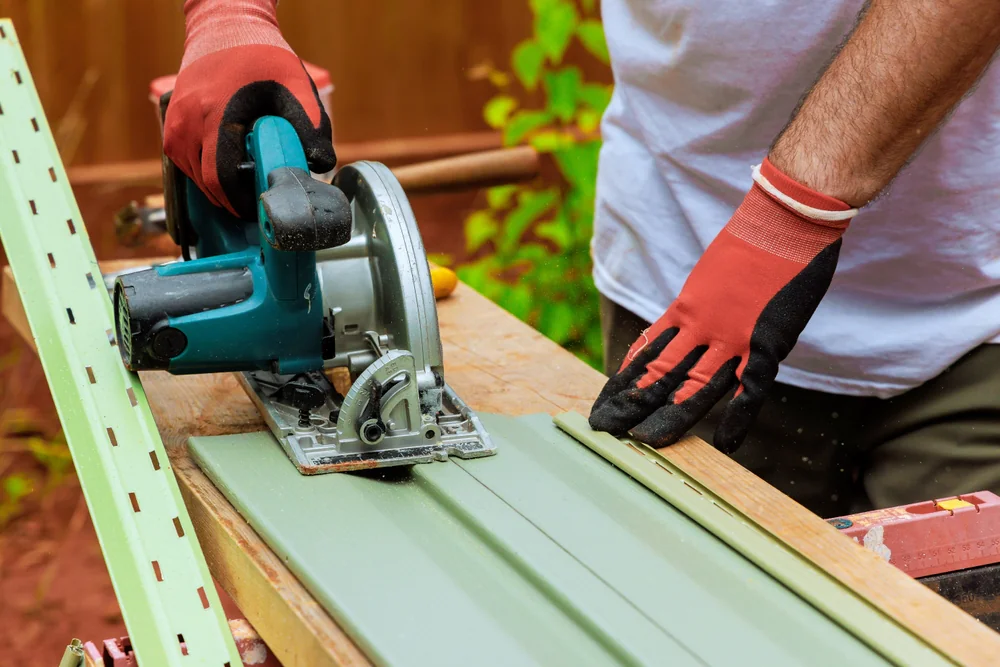
You stop worrying every time it rains. That’s what matters most.
Damaged siding isn’t just ugly. It’s an open door for water to reach your wall sheathing, insulation, and framing. Once moisture gets behind your siding, you’re looking at mold, rot, and repair bills that climb into five figures fast. Professional siding repair seals those entry points before the real damage starts.
Patchogue homes face salt air year-round and wind-driven rain during storms. Your siding takes a beating that accelerates wear and creates gaps where water sneaks in. Proper repair means understanding how coastal conditions affect vinyl, wood, and aluminum differently. It means knowing which sealers hold up to salt spray and which caulks crack after one winter.
You get a home that sheds water the way it should. Your heating and cooling costs drop because air isn’t leaking through damaged sections. Your property value stays protected because buyers see maintained exteriors, not deferred problems. Most importantly, you sleep better knowing the next storm won’t turn a small crack into a major headache.
We’ve spent more than 10 years repairing siding on Long Island homes. We’re licensed, insured, and we actually show up when we say we will.
Most of our work comes from storm damage calls and homeowners who’ve watched small problems grow into big ones. We know Patchogue’s housing stock—plenty of homes built in the 60s and 70s with original siding that’s fought through decades of coastal weather. We know which materials hold up and which ones fail fast in salt air.
You won’t get a sales pitch. You’ll get a straight assessment of what’s damaged, why it’s failing, and what it takes to fix it right. We’ve seen what happens when repairs get done cheap or fast, and we’ve fixed plenty of those jobs too.
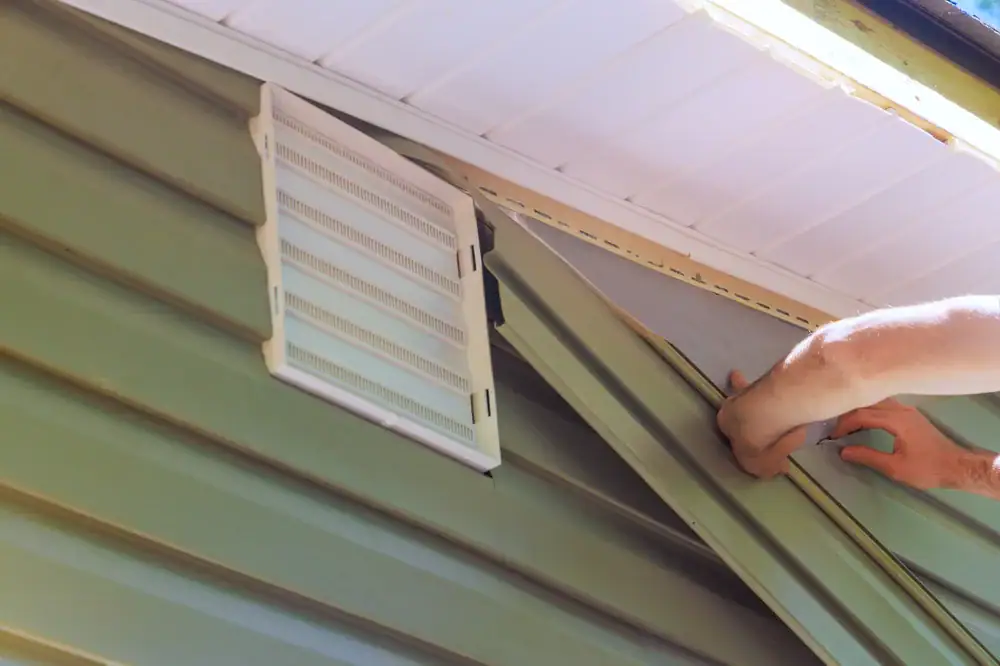
We start with an inspection that uses more than eyeballs. Moisture meters tell us if water’s already behind your siding. We check fascia, soffit, and the areas around windows and doors where leaks start most often.
Once we know what’s damaged and what’s at risk, you get a clear explanation. No jargon, no upselling. Just the facts about what needs repair, what can wait, and what happens if you do nothing. Most homeowners appreciate knowing their options without pressure.
Repair work depends on your siding type. Vinyl siding repair often means replacing damaged panels and resealing joints with marine-grade caulk that handles coastal conditions. Wood siding repair might involve cutting out rotted sections, treating surrounding areas, and matching stain or paint. Aluminum siding repair typically addresses dents, loose sections, and corrosion from salt exposure.
We coordinate repairs with your home’s weather barrier system. Siding doesn’t work alone—it needs proper integration with house wrap, flashing, and trim. Repairs that ignore these connections create new weak points. We make sure everything works together to keep water out.
The job ends when you can’t tell where the repair happened and your home is sealed tight against the next storm.

Ready to get started?
You get a thorough inspection first. We’re looking for obvious damage and the hidden problems that turn into expensive surprises. Water stains, soft spots, and gaps around penetrations all get documented.
Repairs include damaged panel replacement, crack sealing, and addressing any underlying moisture issues. If water’s already reached your sheathing, we don’t just cover it up. That’s how small jobs become major renovations. We fix the actual problem, not just what you can see from the curb.
Patchogue’s location means your siding battles conditions most inland homes never face. Salt air breaks down standard caulks and sealers within a few years. We use products rated for marine environments because that’s essentially where you live. UV-resistant materials matter too—Long Island sun is brutal on south and west-facing walls.
Storm damage gets priority response. When wind tears off panels or hail cracks your siding, waiting means water intrusion. We handle emergency repairs fast because we know what’s at stake. The difference between a $500 repair and an $8,000 remediation project is often just a few days.
You also get honest advice about when repair makes sense and when replacement is smarter. If 40% of your siding is failing, patching it might not be your best investment. We’ll tell you that upfront.

Most siding repairs in Patchogue run between $1,280 and $2,380, depending on damage extent and siding type. Small jobs like replacing a few cracked vinyl panels might cost $400 to $600. Larger repairs involving multiple walls or water damage remediation can push toward $3,000 or more.
Material costs matter. Vinyl siding repair is usually the most affordable because panels are readily available and installation is straightforward. Wood siding repair costs more due to carpentry labor and the need to match existing materials. Aluminum siding repair falls somewhere in between but can spike if we’re dealing with corrosion that’s spread beyond the visible damage.
Location affects pricing too. Coastal homes often need additional prep work and specialized sealers to handle salt air exposure. If we find water damage behind your siding, that changes the scope entirely. Replacing soaked sheathing or treating mold adds to the project but ignoring it guarantees bigger problems later.
The smartest question isn’t “what’s the cheapest fix” but “what actually solves the problem.” A $400 patch job that fails in six months costs more than a $1,500 repair done right the first time.
Section repairs work great when damage is localized and your siding is still in decent shape overall. If a storm damaged one wall or you’ve got cracks around a few windows, replacing those specific areas makes total sense. You save money and your home stays protected.
The challenge is matching existing siding. Vinyl fades over time, so new panels might look slightly different even if they’re the same product. Wood siding can usually be matched with careful staining. Aluminum siding is trickier because discontinued colors and profiles make exact matches tough.
We look at the big picture during inspection. If your siding is 25 years old and showing wear everywhere, repairing one section might be throwing good money after bad. You’ll likely face more repairs within a year or two. But if your siding is relatively new and damage is clearly storm-related or isolated, section repair is absolutely the right call.
Most Patchogue homes we work on fall somewhere in the middle. The siding has some age but isn’t shot. In those cases, we repair what’s damaged and give you a realistic timeline for when you might want to consider full replacement. No pressure, just information so you can plan accordingly.
We prioritize storm damage calls because we know what’s at risk. In most cases, we can get someone to your property within 24 hours for assessment. If you’ve got siding torn off or major openings where water can enter, we’ll do emergency temporary repairs the same day when possible.
Patchogue gets hit hard during nor’easters and tropical systems. Wind-driven rain is the real enemy—it finds every gap and crack, pushing water into places it shouldn’t reach. After major storms, we’re usually slammed with calls, but we triage based on severity. Homes with active water intrusion or exposed sheathing move to the front of the line.
Temporary repairs might mean tarping damaged areas or installing temporary panels to seal openings until we can do permanent work. It’s not pretty but it stops additional damage while we line up materials and schedule your full repair. This approach has saved homeowners thousands in water damage remediation.
Full repairs typically happen within a week of initial assessment, assuming materials are available. Some siding profiles or colors require ordering, which can add a few days. We’re upfront about timing so you know exactly when your home will be fully sealed again.
Salt air does more damage than most people realize. It acts like microscopic sandpaper, gradually wearing down siding surfaces and accelerating deterioration. Vinyl becomes brittle and cracks more easily. Wood develops rot faster because salt holds moisture against the surface. Aluminum corrodes, especially around fasteners and seams.
Wind damage is the other big issue. Patchogue faces severe wind risk, with 76% of properties at risk of significant wind events over the next 30 years. Loose panels, torn corners, and damaged trim are common after storms. Once siding loosens, wind gets behind it and tears off larger sections. Small damage spreads fast.
UV exposure combined with salt air creates a brutal environment. South and west-facing walls fade and degrade faster than other sides of your home. You’ll often see cracking and warping on those exposures while north-facing walls look fine. Temperature swings make vinyl expand and contract, eventually creating gaps where moisture sneaks in.
Water intrusion damage shows up as staining, soft spots, or visible mold. By the time you see these signs inside your home, water’s been getting behind your siding for a while. The actual siding might look okay from outside, but the damage is happening where you can’t see it. That’s why inspection matters—we check for problems before they become obvious.
It depends on how much is failing and how fast. If less than 20% of your siding shows damage and the rest is solid, repair makes financial sense. You’re looking at a fraction of replacement cost and your home stays protected. But if damage is widespread or you’re facing repeated repairs, replacement becomes the smarter investment.
Age matters but condition matters more. We’ve seen 30-year-old siding that’s held up beautifully and 15-year-old siding that’s falling apart. Coastal exposure accelerates aging, so a 10-year-old home in Patchogue might have siding that performs like it’s 20 years old. Maintenance history plays a role too—siding that’s been cleaned and sealed regularly lasts longer.
Here’s the math that helps most homeowners decide: if repair costs exceed 40% of replacement cost, replacement usually makes more sense. You get new materials, better energy efficiency, and you’re done worrying about it for another 20-30 years. Vinyl siding replacement typically delivers an 80% return on investment. Fiber cement does even better at 88%.
We’ll walk you through both options with real numbers. Some homeowners repair now and budget for replacement in a few years. Others decide to handle it all at once. Either choice can be right depending on your situation, timeline, and budget. What matters is making the decision with complete information, not during a crisis when water’s already pouring into your walls.
Yes. Our workmanship is guaranteed, and we stand behind our repairs. The specific warranty terms depend on the scope of work, but you’ll get everything in writing before we start. No surprises, no fine print that makes the warranty useless.
Material warranties vary by product. Most vinyl siding carries manufacturer warranties ranging from 20 years to lifetime, though coastal installation sometimes affects coverage terms. Wood siding warranties depend on the species and treatment used. We use materials we trust and we’ll explain what’s covered and what’s not.
The real warranty is simpler than paperwork: if something fails because we didn’t do it right, we come back and fix it. We’ve been working in Patchogue for over a decade because we handle problems instead of dodging calls. You’ll have a direct number to reach us, not a voicemail system that goes nowhere.
Most issues that arise after repair aren’t workmanship problems—they’re new damage from storms or wear on older adjacent sections. We’ll assess what’s happening and give you straight answers about what’s covered and what’s not. If it’s our responsibility, we handle it. If it’s new damage, we’ll explain your options. That’s how you build a reputation that lasts.
Other Services we provide in Patchogue