

Hear From Our Clients

Living in North Great River means your roof is dealing with things most Long Island homeowners never think about. Salt-laden air off the Great South Bay doesn’t just corrode metal it breaks down the granule coating on asphalt shingles, weakens the adhesive strips that hold them in place, and quietly shortens the life of your roof year after year, even when the weather is calm. By the time you notice a problem, the damage is usually well ahead of what’s visible from the ground.
A full roof replacement done right stops that cycle. New architectural shingles rated for coastal wind loads, properly installed ice and water shield at the eaves and valleys, new flashings at every penetration these aren’t upgrades, they’re what a North Great River home actually needs to hold up. When the next nor’easter comes through and the bay amplifies everything behind it, you want to know the roof above your family was built for exactly that.
The other thing worth saying: a lot of the housing stock in North Great River was built in the 1970s through the 1990s. If your roof is more than 20 years old and hasn’t been replaced since, the coastal environment has likely taken more out of it than you realize. The honest move is to find out exactly where things stand before the next storm makes the decision for you.
Home Team Construction is a family-owned exterior contractor based in Suffolk County, and Long Island is the only place we work. We’ve been doing full roof replacements here for over ten years through nor’easters, post-Sandy repair waves, and every storm season in between. We’re not a regional chain that opened a Long Island branch, and we’re not an out-of-state crew chasing storm damage. This is where we’re from, and it’s where we stay.
When you call us, you’re talking to the people who will actually be on your roof. Alban, our owner, is personally involved in every project which is why his name shows up in customer reviews, not just on a business card. That kind of accountability matters in a close-knit community like North Great River, where your neighbors will hear about the job whether it went well or not.
We serve the full Town of Islip area, including homeowners throughout the south shore communities between Babylon and Bay Shore. If you’re in the 11739 ZIP code and you want a straight assessment of your roof, we’ll give you one no pressure, no runaround.
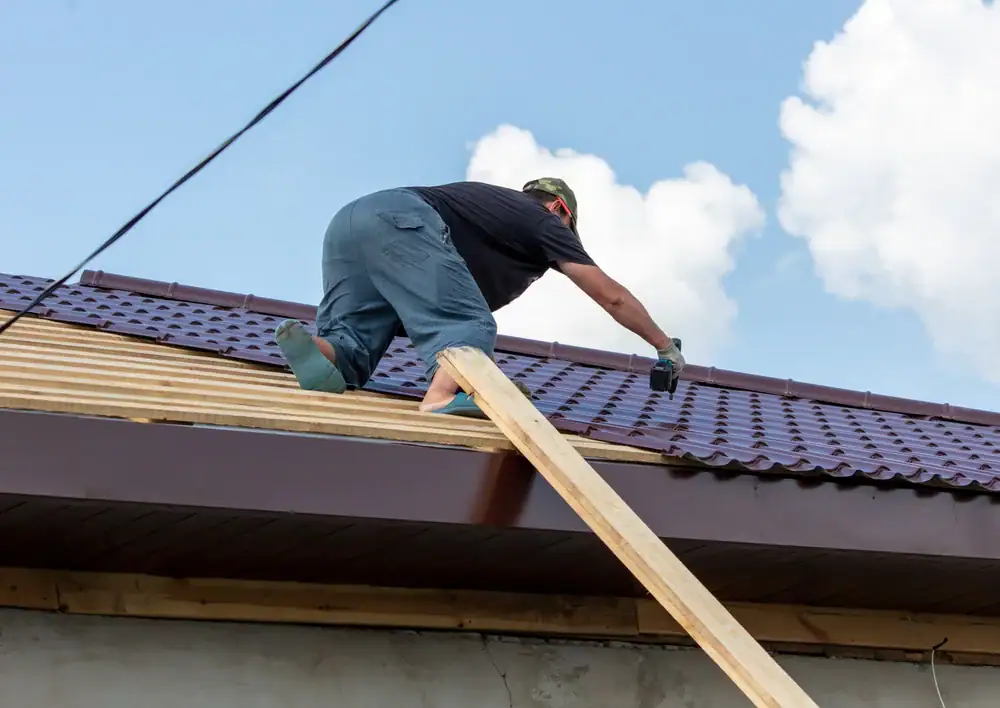
It starts with a free inspection. We get on your roof, take photos of what we find shingles, decking, flashings, ventilation and give you a written breakdown of the actual condition. If it needs replacement, we’ll tell you why and show you the evidence. If a repair is the honest answer, that’s what you’ll hear. No inflated urgency, no vague assessments.
From there, you get an itemized estimate. Not a lump sum a line-by-line breakdown covering tear-off, disposal, deck inspection and any repairs needed, underlayment, ice and water shield, flashing, ridge ventilation, shingles, and final cleanup. You’ll know what every dollar is going toward before we schedule anything. We also pull all required permits through the Town of Islip Building Department as standard practice on every job. That’s not something you should have to ask about it’s how licensed work gets done.
On installation day, the old roof comes off completely. We inspect the decking underneath, address anything that needs attention, and build the new system from the substrate up. Given what south shore homes deal with salt air, bay-facing wind exposure, freeze-thaw cycles through the winter we don’t cut corners on underlayment or flashing details. Those are exactly the areas where a cheap installation fails first. When the job is done, we document everything with photos so you can see what was under your old roof and what replaced it.

Ready to get started?
Every roof replacement we do is a full tear-off. We don’t layer new shingles over old ones that approach traps moisture, adds weight, and masks problems that will cost you more later. The old material comes off, the decking gets a full inspection, and anything soft, rotted, or compromised gets replaced before the new system goes down. For homes in North Great River, where salt air and storm moisture have often been working on the structure for decades, that inspection step isn’t optional it’s where we find out what’s actually going on.
The materials we install are spec’d for coastal Long Island conditions. Architectural asphalt shingles rated for 110 to 130 mph wind loads, full ice and water shield coverage at the eaves and in every valley, new drip edge, new flashings at chimneys and pipe penetrations, and ridge ventilation designed to manage the moisture that bay air pushes into attic spaces. These details matter more on the south shore than almost anywhere else on the island.
We also handle everything else on the exterior gutters, siding, chimney repair, skylights, and decks. If the inspection turns up issues beyond the roof itself, you won’t need to coordinate a separate contractor. One call, one crew, one point of accountability. And if the project scope stretches the budget, we offer 18-month interest-free financing for qualifying jobs so the work doesn’t have to wait while the damage keeps growing.

The national average for asphalt shingle roofs is somewhere around 20 to 25 years, but that number doesn’t apply to homes on Long Island’s south shore. In North Great River, the combination of salt air off the Great South Bay, regular freeze-thaw cycling through the winter, and the wind and moisture that nor’easters and bay-amplified storms bring in typically shortens that lifespan to 15 to 20 years sometimes less, depending on the original installation quality and how well the roof was ventilated.
The marine environment is the biggest factor most homeowners don’t account for. Salt air corrodes metal flashings and fasteners, degrades shingle granules, and breaks down the adhesive strips that hold shingles sealed against wind-driven rain. This happens gradually and invisibly, which is why roofs in North Great River often look okay from the street right up until they aren’t. If your roof is approaching 15 years old and hasn’t been inspected recently, it’s worth finding out where things actually stand before a storm forces the issue.
A full replacement means the old roof comes off completely every layer of shingles and underlayment down to the decking. From there, the decking gets inspected and any damaged or soft areas get replaced. Then the new system goes in: underlayment, ice and water shield at the eaves and valleys, drip edge, new flashings at every penetration and transition, architectural shingles, and ridge ventilation. Cleanup and debris removal are included. That’s what a complete job looks like.
On Long Island, most homeowners pay somewhere between $9,000 and $22,000 for a full asphalt shingle replacement, depending on the size and complexity of the roof, the pitch, and what the decking inspection turns up. Homes in North Great River that have older decking or previous storm damage including anything that dates back to Sandy-era repairs sometimes require additional deck work that affects the final number. That’s exactly why we give itemized estimates rather than lump sums. You see every line before you commit to anything, and if we find something unexpected during tear-off, we show you the photos and talk through the options before we proceed.
Yes, the Town of Islip requires a building permit for roof replacement. It’s not optional, and it’s not a formality it’s a legal requirement that protects you as a homeowner. Work done without a permit can trigger code violations, create problems when you go to sell the home, and in some cases give your insurance company grounds to complicate a future claim related to the roof.
We pull all required permits through the Islip Town Building Department on every job, as standard practice. You don’t need to ask, and you don’t need to manage it yourself. If a contractor you’re considering doesn’t mention permits or tells you it’s not necessary, that’s a significant red flag not a cost-saving shortcut. The permit process also ensures the work is subject to inspection, which is an additional layer of accountability that protects your investment. Any licensed, insured contractor operating properly in the Town of Islip will handle this without hesitation.
The honest answer is that you usually can’t tell from the ground, and even a walk around the perimeter of your house only tells part of the story. Granules collecting in your gutters, shingles that are curling or cracking, visible daylight in the attic, or a leak that appeared after a heavy rain are all signs worth taking seriously but the real picture comes from getting on the roof and looking at what’s underneath the surface.
For homes in North Great River specifically, the salt air and moisture exposure from the bay means that damage often develops from the underside out. Flashings corrode, adhesive strips fail, and decking absorbs moisture long before the shingles above look obviously worn. A repair can make sense if the damage is isolated one area of missing shingles, a single flashing failure but if the roof is more than 15 years old and showing multiple problem areas, patching typically just delays the inevitable while the underlying deterioration continues. Our inspections include photo documentation of exactly what we find, so you’re making the decision based on actual evidence rather than a contractor’s word alone.
For south shore homes in North Great River, the material selection matters more than it does for homes further inland. The baseline recommendation is architectural asphalt shingles not three-tab rated for at least 110 mph wind resistance, ideally 130 mph. The thicker profile of architectural shingles handles wind uplift better and holds up longer against the granule degradation that salt air causes over time.
Beyond the shingles themselves, the components around them are just as important. Ice and water shield needs to be installed at the eaves and in every valley not just at the eaves, which is the minimum code requirement. New metal flashings at every chimney, pipe boot, and roof-to-wall transition are non-negotiable on a coastal home, because the original flashings have typically been corroding for years. Ridge ventilation designed to manage attic moisture is also critical here, since the humidity that bay air introduces into attic spaces accelerates sheathing deterioration from the inside if the ventilation isn’t adequate. These details are what separate a roof that lasts 20 years on the south shore from one that starts failing in ten.
It happens on a meaningful percentage of south shore jobs, especially in a community like North Great River where a lot of the housing stock predates the 1990s and has been through multiple significant storm events including Sandy in 2012 and the nor’easters that have followed. When we tear off the old roof and find rotted decking, compromised sheathing, or structural issues that weren’t visible from the surface, we stop and show you exactly what we found before we do anything else. Photos, a clear explanation of what it means, and a straightforward conversation about the options and the additional cost.
Nothing gets added to your project without your approval. The itemized estimate you received upfront covers everything we knew about before the job started any mid-job discovery is a separate conversation, not a line that quietly appears on your final invoice. This is one of the reasons we document everything with photos throughout the process. If something unexpected comes up, you’re seeing the same thing we’re seeing, and you’re making an informed decision rather than being told after the fact what was done and what it cost.
Other Services we provide in North Great River