
Hear From Our Clients

You’ve already spent money patching the same problems. Water stains keep showing up near the chimney. White staining covers the exterior brick. Your mason keeps coming back because the fixes don’t hold.
That’s what happens when coastal conditions break down standard materials faster than they can be repaired. Smithtown sits right in the path of salt air coming off the Long Island Sound. That salt penetrates brick and mortar, expands when it absorbs moisture, and cracks everything from the inside out.
Chimney replacement with marine-grade materials stops that cycle. You get a system designed for the weather you actually deal with. No more annual repair bills. No more wondering if this winter will be the one that causes real damage. Just a chimney that works the way it should and protects your home the way you need it to.
We’ve been handling chimney replacement across Suffolk County for over 10 years. Every crew member is licensed and insured. We live here, so the work we do reflects on us in the community.
We’ve seen what happens to chimneys in Smithtown when they’re built with standard materials that can’t handle coastal exposure. They deteriorate faster. They need constant repairs. Eventually, they fail in ways that put families at risk.
That’s why we use marine-grade materials and proper ventilation systems designed for Long Island’s climate. You get transparent pricing before we start, licensed professionals doing the work, and a chimney system that actually lasts.
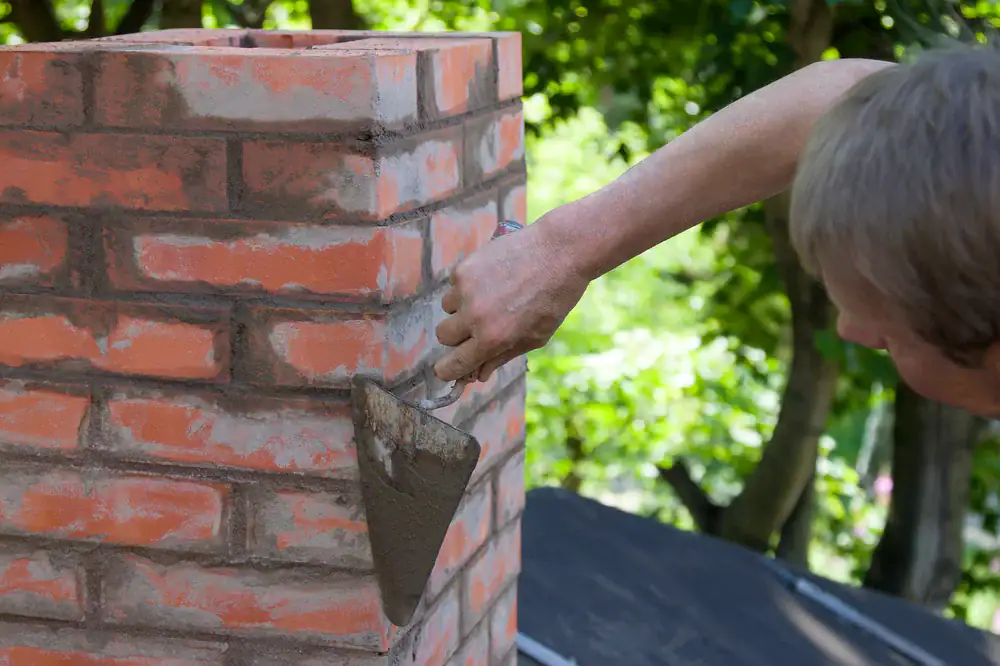
We start with an inspection to assess the full extent of the damage. You get a clear explanation of what’s wrong, why repair won’t work, and what replacement involves. No runaround, no surprises.
Once you approve the estimate, we schedule the work around your timeline. The crew removes the damaged chimney structure, starting from the roofline or going all the way down depending on what the inspection revealed. We install new masonry using materials rated for coastal exposure, replace the chimney liner with proper ventilation, and seal everything with marine-grade flashing.
The timeline depends on whether you need a partial rebuild from the roof up or a complete tear-down and reconstruction. Most jobs take several days. You’ll know the exact schedule before we start, and we’ll keep you updated if anything changes during the work.

Ready to get started?
Chimney replacement covers everything from structural masonry to ventilation systems. That includes removing old, damaged bricks and mortar, installing new masonry designed to resist salt-air corrosion, replacing the chimney liner to ensure proper draft and venting, installing new chimney flashing that seals against roof leaks, and adding a chimney cap to prevent water intrusion and animal entry.
In Smithtown, coastal exposure means standard materials break down faster than they do inland. We use marine-grade options that handle the salt particles carried by wind off the Sound. Those particles settle on masonry surfaces, penetrate joints, and expand through crystallization when they absorb moisture. Regular materials can’t withstand that process long-term.
You also get proper ventilation designed for Long Island’s freeze-thaw cycles. During winter, trapped moisture freezes and expands inside the chimney structure. Older clay tile liners absorb that moisture and crack under pressure. That lets heat, smoke, and carbon monoxide escape into the surrounding masonry and potentially into your home. New liner systems prevent that from happening and keep your family safe.

You need replacement when the structural damage goes beyond what surface repairs can fix. Look for these signs: large cracks running through multiple bricks, not just the mortar between them; sections of the chimney leaning or pulling away from the house; water stains appearing inside your home on walls or ceilings near the chimney; white staining covering the exterior brick, which means water is penetrating deep into the masonry; and excessive creosote buildup that keeps coming back even after professional cleaning, which indicates the internal structure isn’t venting properly.
If your chimney shows any of these problems, repairs will cost you money without solving the underlying issue. The structure has already failed. Patching it might buy you a few months, but you’ll be back to the same problems as soon as the next storm hits or winter freeze-thaw cycles start again.
Replacement addresses the root cause. You get a chimney built with materials that can handle Smithtown’s coastal conditions, proper ventilation that works with Long Island’s climate, and a system that protects your home instead of threatening it.
Coastal chimney replacement uses marine-grade materials specifically rated to resist salt-air corrosion. Standard masonry materials break down faster in Smithtown because of the salt particles carried by wind off Long Island Sound. Those particles settle on brick and mortar surfaces, penetrate the joints, and expand through chloride-salt crystallization when they absorb moisture. That expansion cracks the masonry from the inside out.
Marine-grade materials are designed to withstand that process. The mortar mix includes additives that resist salt penetration. The bricks themselves are denser and less porous, so they don’t absorb as much moisture. The flashing uses heavier-gauge metal with better corrosion resistance. All of this adds up to a chimney that lasts decades instead of needing repairs every few years.
You also get ventilation systems designed for Long Island’s freeze-thaw cycles. Standard clay tile liners absorb moisture and crack when temperatures drop. Modern stainless steel liners don’t have that problem. They handle temperature fluctuations without deteriorating, and they provide better draft performance for safer, more efficient venting.
Chimney replacement in Smithtown typically ranges from $3,100 for basic partial rebuilds to $15,400 for complete tear-downs with full structural reconstruction. Most homeowners pay around $9,300 for a standard replacement that includes new masonry, liner, flashing, and cap.
The final cost depends on the extent of the damage, the height of your chimney, and the materials required. A partial rebuild that starts from the roofline up costs less than a complete removal and reconstruction from the foundation. Chimneys with multiple flues cost more than single-flue systems. Marine-grade materials rated for coastal exposure cost more upfront but last longer and save you money on future repairs.
You’ll get a detailed estimate before any work starts. That estimate breaks down exactly what’s included, what materials we’re using, and what the timeline looks like. No surprises, no hidden fees. Just transparent pricing so you can make an informed decision about protecting your home.
Most chimney replacements in Smithtown take three to seven days depending on the scope of work. A partial rebuild from the roofline up usually takes three to four days. A complete tear-down and reconstruction takes five to seven days. Weather can extend that timeline if we hit heavy rain or high winds that make roofwork unsafe.
The process starts with removing the damaged structure. For partial rebuilds, we take down everything from the roof up, including the chimney stack, cap, and flashing. For complete replacements, we remove the entire chimney down to the foundation. That takes longer but ensures you’re not building new masonry on top of a compromised base.
Once the old chimney is removed, we install the new structure. That includes laying new bricks with marine-grade mortar, installing the chimney liner, sealing the roof penetration with proper flashing, and adding the chimney cap. Each layer needs time to cure properly before we move to the next step. Rushing that process compromises the structural integrity, so we follow the timeline that ensures the work is done right.
You need to wait at least 72 hours after the final masonry work is complete before using your fireplace. The mortar needs time to cure fully. Using the fireplace too soon exposes the fresh mortar to heat and moisture before it’s ready, which can cause cracking and compromise the structural integrity of the new chimney.
After that initial curing period, we’ll do a final inspection to make sure everything is sealed properly and the ventilation system is working correctly. We’ll check the draft to ensure smoke and gases are venting the way they should. We’ll verify the flashing is watertight and the cap is secure. Once that inspection is complete, your fireplace is ready to use.
Most homeowners schedule chimney replacement in spring or summer specifically to avoid disruption during heating season. That gives the new chimney months to fully cure before you need it. It also means better appointment availability and often better pricing, since fall is when every chimney company in Suffolk County gets slammed with emergency calls from homeowners who suddenly realize winter is coming.
Yes, we handle chimney liner replacement and chimney cap replacement as standalone services if your chimney structure is still sound but the liner or cap has failed. Chimney liner replacement is necessary when the existing liner has cracked, deteriorated, or is no longer venting properly. We install stainless steel liners rated for the fuel type you’re burning and sized correctly for your chimney dimensions and appliance requirements.
Chimney cap replacement is one of the most cost-effective ways to prevent water damage and animal intrusion. A missing or damaged cap lets rain pour directly into your chimney, which accelerates deterioration of the interior structure. It also gives squirrels, raccoons, and birds easy access to nest inside your flue. We install caps with proper screening and overhang to keep water and animals out while still allowing proper ventilation.
If you’re not sure whether you need full chimney replacement or just liner and cap work, we’ll do an inspection and give you an honest assessment. Sometimes targeted repairs make sense. Other times, the underlying structure has deteriorated to the point where replacement is the only safe option. You’ll get a clear explanation either way, with pricing for both approaches so you can decide what makes sense for your home and budget.
Other Services we provide in Smithtown