Hear From Our Clients

You’re dealing with cracks that get worse every freeze-thaw cycle. Water stains on your ceiling that spread a little more each storm. Maybe you’ve noticed loose bricks, or your contractor mentioned spalling during your last roof inspection.
Long Island’s coastal climate doesn’t give chimneys a break. Salt air corrodes mortar joints year-round. Winter moisture freezes inside tiny cracks and expands by 9%, turning small problems into structural issues. What starts as a $200 repair becomes a $3,000 emergency when you’re fighting coastal humidity, nor’easters, and homes built in the 1960s that weren’t designed for today’s weather patterns.
A proper chimney replacement stops the cycle. No more emergency calls during storms. No more wondering if that crack is letting carbon monoxide into your home. Just a complete system that handles everything Long Island throws at it, backed by warranties that actually mean something.
Home Team Construction has been serving Islip and Suffolk County homeowners who need more than a quick patch job. Every crew member is licensed, insured, and trained on our standards. No subcontractors showing up with different methods or shortcuts.
We know the homes in this area. Most were built between 1960 and 1980, which means specific chimney construction methods that require specific replacement approaches. We know which materials hold up to salt air and which ones fail in three years. We know what Long Island building codes require and how to handle older home challenges that most contractors ignore.
You’ll work with the same team from estimate to final walkthrough. We show you exactly what’s wrong, explain why it needs fixing, and give you transparent pricing before any work starts. Then we complete the job, clean up completely, and walk you through everything we did.
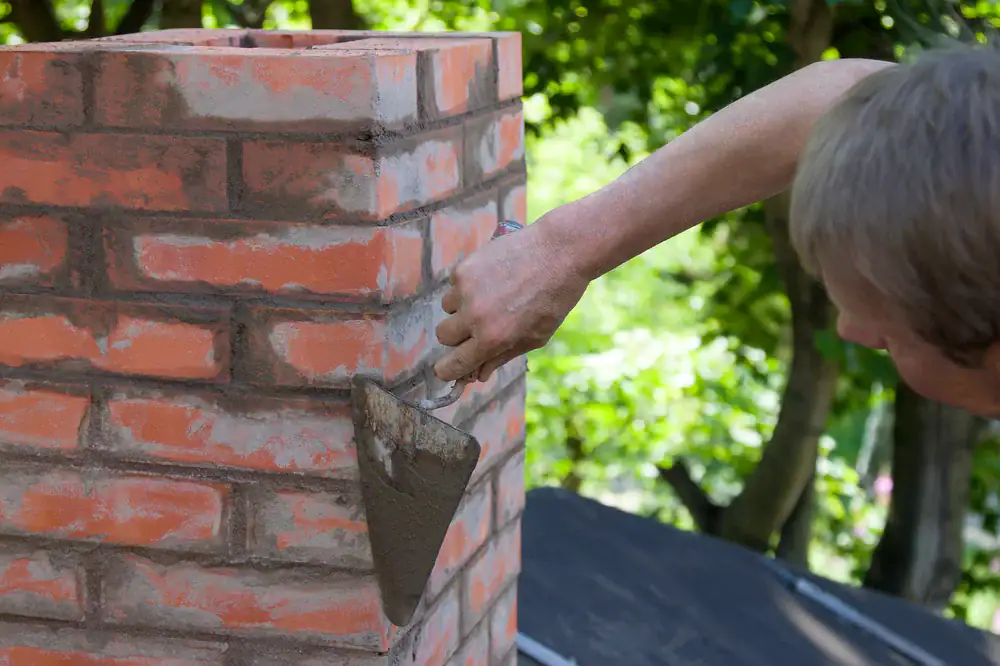
First, we inspect your entire chimney system. Not just the visible exterior, but the flue, liner, flashing, crown, and structural components. You get a clear explanation of what’s damaged, why it’s happening, and what happens if you wait.
Then we give you an upfront estimate. No surprises, no upselling once we start. If we find something unexpected during demolition, we stop and discuss it before moving forward.
During replacement, we remove the damaged chimney down to the roofline or further if needed. We rebuild using materials specifically chosen for Long Island’s coastal conditions. New flashing gets installed properly, integrated with your roof system to prevent the leaks that plague most chimney repairs. The liner gets replaced if needed. The crown gets rebuilt to shed water correctly.
After completion, we walk you through everything we did. You’ll see the new construction, understand how it protects your home, and know exactly what your warranty covers. We clean up completely, including your property and surrounding areas. Most jobs take two to four days depending on chimney height and complexity.

Ready to get started?
A complete chimney replacement means rebuilding from the roofline up, sometimes further down if structural damage extends below. You’re getting new masonry with proper mortar mix for coastal conditions. New flashing that integrates correctly with your roof. A new crown designed to shed water away from the structure. New chimney cap to keep out animals and rain.
If your chimney liner is damaged, that gets replaced too. Most Islip homes have older clay liners that crack from temperature changes and moisture. A new stainless steel liner handles modern heating systems better and lasts decades longer in Long Island’s climate.
The work includes proper flashing replacement, which is where most chimney leaks actually start. We don’t just seal around old flashing. We remove it, install new step flashing woven into your shingles, and add counter flashing embedded in the chimney mortar. That’s how you prevent water damage.
You also get complete cleanup and debris removal. Chimney demolition creates heavy waste, and we haul all of it away. Your property looks clean when we leave, not like a construction zone.
Suffolk County homes face unique challenges. The median home here was built in 1970, which means original chimneys are 50+ years old and showing it. Coastal humidity accelerates deterioration. Salt air corrodes metal components faster. Freeze-thaw cycles hit harder here than inland areas. A proper replacement accounts for all of this with materials and methods that last.

Complete chimney replacement in Islip typically runs between $8,000 and $15,000 depending on chimney height, accessibility, and how much structural damage extends below the roofline. Most Suffolk County homeowners spend around $9,300 for a standard two-story chimney.
That price includes full demolition, new masonry construction, flashing replacement, crown rebuild, chimney cap installation, and complete cleanup. If your liner needs replacing, add another $1,500 to $3,000 depending on flue size and liner type.
Partial repairs might seem cheaper initially. A crown rebuild costs $900 to $2,200. Repointing runs $500 to $2,500. But if your chimney has multiple issues, those repairs add up fast and often don’t address underlying structural problems. You end up paying for repairs twice when the next component fails six months later.
The real cost comparison is between doing it right once versus emergency repairs every few years. Long Island’s coastal weather doesn’t get easier on aging chimneys. A proper replacement gives you 30+ years of protection with minimal maintenance.
Most chimney replacements take two to four days depending on chimney height, structural complexity, and weather conditions. Single-story chimneys on ranch homes usually take two days. Two-story chimneys on colonial homes typically need three to four days.
Day one involves setup, safety equipment, and demolition. We remove the damaged chimney carefully to avoid roof damage and assess the structure below the roofline. If we find additional damage, we discuss it before proceeding.
Days two and three cover rebuilding. We construct new masonry, install flashing, build the crown, and add the cap. Everything needs proper curing time, so we don’t rush steps that affect long-term durability.
Final day includes cleanup, inspection, and walkthrough. We remove all debris, clean your property, and show you the completed work.
Weather affects timing. We don’t work in rain or high winds for safety reasons. Summer and early fall offer the most consistent scheduling. Winter work is possible during dry stretches, but cold temperatures can extend curing time for mortar and affect scheduling reliability.
Spalling is the biggest indicator. When brick surfaces flake off or crumble, moisture has penetrated deep into the masonry. Once spalling starts, it accelerates because each damaged brick lets in more water. If you see multiple bricks spalling, especially on different sides of the chimney, you’re looking at replacement.
Large cracks running vertically through multiple courses of brick indicate structural movement or failure. Small hairline cracks might be repairable, but cracks wider than a quarter-inch or cracks that go through bricks instead of just mortar joints usually mean the chimney’s structural integrity is compromised.
Leaning or tilting chimneys need immediate attention and usually require complete replacement. The foundation has failed or settled unevenly, and no amount of repointing fixes that. Interior water damage, rust stains, or white mineral deposits inside your home near the chimney suggest the flashing and masonry are both failing.
Age matters too. If your Islip home was built in the 1960s or 1970s and the chimney has never been rebuilt, you’re on borrowed time. Most chimneys last 50 to 70 years in ideal conditions. Long Island’s coastal climate isn’t ideal. Salt air and constant moisture cut that lifespan significantly.
We inspect the liner during every chimney replacement and recommend replacement if it’s cracked, deteriorated, or doesn’t meet current code for your heating system. Most older Islip homes have clay tile liners that crack from temperature stress and moisture exposure over decades.
Stainless steel liners last longer and handle modern heating systems better. They’re required if you have a high-efficiency furnace or if your old liner shows any cracks. Even small cracks let carbon monoxide seep into your home, which is why liner condition isn’t negotiable on safety.
Liner replacement adds to project cost but prevents dangerous situations. A cracked liner means combustion gases aren’t venting properly. You might not smell anything, but carbon monoxide builds up silently. We’ve seen too many Islip homes with detectors going off because the original clay liner failed years ago and nobody checked.
The new liner gets sized correctly for your heating system and installed according to manufacturer specs and local code. It includes proper insulation if needed and connects securely at top and bottom. You get warranties on both the liner and installation, typically 10 years on labor and up to 30 years on the liner itself depending on the product.
A properly executed chimney replacement shouldn’t damage your roof. We take specific precautions to protect your shingles, underlayment, and roof structure during demolition and reconstruction.
First, we install protective coverings over the surrounding roof area. Chimney demolition creates falling debris, and we contain it to prevent impact damage. We work carefully during removal to avoid disturbing the roof deck or existing shingles beyond the immediate chimney area.
The flashing area requires attention. We remove old flashing completely and install new step flashing that weaves into your shingle courses. This means carefully lifting shingles near the chimney, installing proper flashing, and resealing everything correctly. Done right, this actually improves your roof’s water protection. Done wrong, it creates leak points.
If your roof is older or already showing wear, we’ll point that out during inspection. Sometimes it makes sense to coordinate chimney replacement with roof replacement since we’re already working in that area and proper flashing integration is easier with new roofing.
We also check the roof deck around the chimney for water damage. Years of chimney leaks often rot the decking underneath. If we find damage, we repair it during the chimney project so your new chimney sits on solid structure. You don’t want new masonry on compromised decking.
Our chimney replacement includes a 10-year labor warranty covering workmanship and installation. Materials carry manufacturer warranties ranging from 15 to 30 years depending on the specific products used. Stainless steel liners typically have lifetime warranties. Chimney caps and flashing materials usually carry 20 to 30-year warranties.
The labor warranty covers any issues resulting from installation errors, material defects, or workmanship problems. If flashing leaks because we installed it incorrectly, we fix it at no cost. If mortar joints fail prematurely due to improper mix or application, we repair them under warranty.
What warranties don’t cover is damage from external events or lack of maintenance. If a tree falls on your chimney, that’s not a workmanship issue. If you never clean your chimney and creosote buildup causes damage, that’s maintenance neglect. Storm damage from hurricanes or severe weather falls under your homeowner’s insurance, not our warranty.
We provide all warranty documentation at project completion. You’ll get manufacturer warranties for materials and our written labor warranty. Keep these with your home records. If you sell your home, transferable warranties add value and give buyers confidence in the chimney’s condition.
Suffolk County’s coastal conditions make warranties especially important. You need a contractor who stands behind their work long-term, not someone who disappears after collecting payment. We’re local, licensed, and insured specifically so you have recourse if anything goes wrong.
Other Services we provide in Islip