Hear From Our Clients

You’ve patched the same cracks twice. Water still finds its way in after every nor’easter. The problem isn’t the repair—it’s that your chimney wasn’t built for what Long Island throws at it.
Coastal humidity accelerates deterioration. Freeze-thaw cycles crack mortar faster than contractors can fix it. Salt-laden air corrodes standard materials in years, not decades.
A full chimney replacement with the right materials stops the cycle. Marine-grade construction handles the moisture, temperature swings, and storm exposure that come with living near the water. You get 50 to 100 years of protection instead of another temporary fix that fails by next winter.
Your home stays dry. Your heating system works safely. You’re done calling contractors every spring to patch the same problems.
We work exclusively in Suffolk County because Long Island chimneys need different materials and methods than inland properties. We’re not a franchise following a corporate playbook—we’re local contractors who’ve rebuilt chimneys through decades of coastal storms.
North Great River sits close enough to the Great South Bay that salt air affects every exterior surface on your home. We account for that in material selection, flashing installation, and weatherproofing details that generic contractors miss.
You get upfront pricing, licensed professionals, and work that holds up to the specific conditions in your neighborhood. No runaround, no surprises, no callbacks for problems that should’ve been handled right the first time.
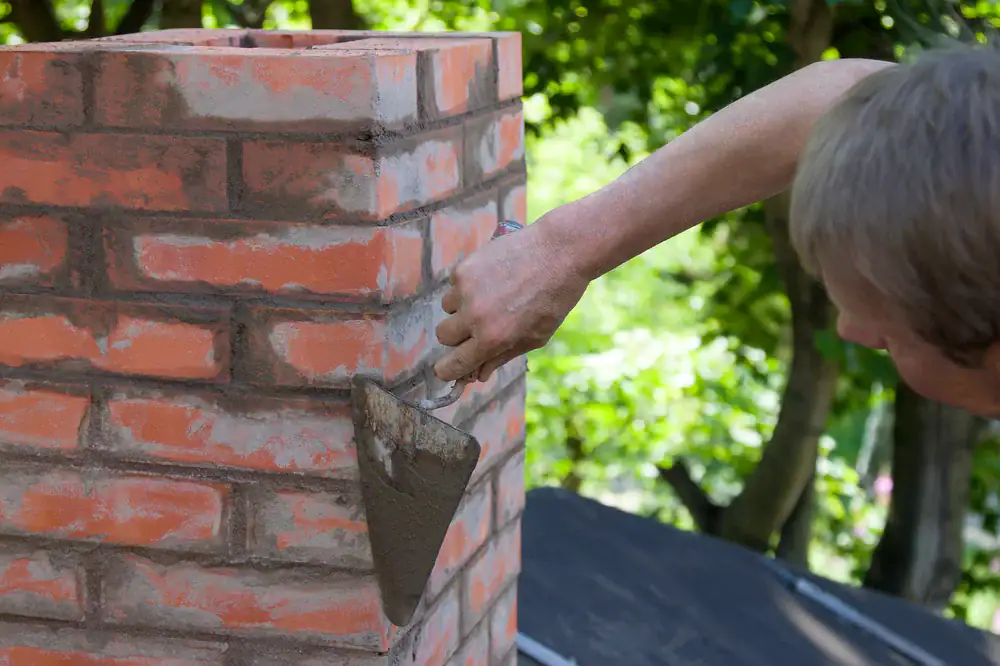
We start with a full inspection to determine whether you need a complete chimney replacement or if targeted repairs make sense. If the masonry is deteriorating from water infiltration or the structure shows signs of saltwater corrosion, replacement is usually more cost-effective than ongoing repairs.
Once we establish scope, we walk you through material options. For North Great River homes, that typically means marine-grade masonry products, corrosion-resistant flashing, and liner systems rated for coastal moisture exposure. We explain what each component does and why it matters for your specific property.
The rebuild process involves removing the damaged chimney down to a stable base, then reconstructing with proper waterproofing at every layer. We install new chimney flashing that integrates with your roof system, a stainless steel liner rated for your heating appliance, and a chimney cap designed to keep out rain and debris while allowing proper ventilation.
Most chimney replacements take three to five days depending on height and complexity. We handle permits, inspections, and cleanup. You get a chimney built to last decades in Long Island’s coastal environment, not just survive a few more seasons.

Ready to get started?
A full chimney replacement covers every component from the roofline up. That includes chimney stack replacement with marine-grade masonry, new chimney liner replacement sized for your heating system, and chimney flashing replacement that seals against Long Island’s driving rain.
We install a new chimney cap to prevent water entry and animal intrusion. If your chimney serves a fireplace, we verify the flue replacement meets current code for clearances and draft requirements. Every joint gets properly pointed with mortar formulated to handle freeze-thaw cycles without cracking.
North Great River homes near the Connetquot River or within a few miles of the bay need extra attention to moisture management. We add waterproofing measures that standard inland construction doesn’t require—breathable sealers that let masonry dry while blocking salt air penetration, corrosion-resistant metal components, and flashing systems designed for storm-driven rain.
The result is a chimney system that protects your home’s interior from water damage, maintains proper ventilation for your heating appliances, and stands up to the specific weather patterns that make Long Island coastal construction different from anywhere else.

Complete chimney replacement typically runs between $8,000 and $15,000 for most North Great River homes, depending on chimney height, accessibility, and material selection. Coastal properties often land on the higher end because marine-grade materials and enhanced waterproofing cost more than standard products.
That price includes full chimney stack replacement, new stainless steel liner, corrosion-resistant flashing, and a quality chimney cap. If your chimney serves multiple flues or exceeds standard height, costs increase accordingly.
Compare that to repeated repairs. Homeowners who patch deteriorating chimneys often spend $2,000 to $4,000 every few years fighting the same problems. After three repair cycles, you’ve paid for a replacement without getting one—and you’re still dealing with water infiltration, draft issues, and safety concerns.
A proper replacement lasts 50 to 100 years with basic maintenance. That’s the difference between a long-term solution and throwing money at a structure that’s past saving.
Replace if you’re seeing widespread mortar deterioration, multiple cracks that reappear after repair, or water stains inside your home near the chimney. These indicate structural problems that repairs can’t fix—the masonry has absorbed too much moisture and the freeze-thaw damage is too extensive.
Repair makes sense for isolated issues: a damaged chimney cap, small sections of deteriorated mortar, or flashing that’s separated but hasn’t caused interior water damage. If the overall structure is sound and you’re catching problems early, targeted repairs buy you years of service.
Suffolk County’s coastal environment complicates this decision. Chimneys here deteriorate faster than inland properties because salt air accelerates corrosion and humidity keeps masonry damp longer after storms. What looks like a small repair problem often reveals extensive hidden damage once we start work.
Get an honest inspection from someone who understands coastal construction. We’ll tell you when repairs make sense and when you’re better off replacing before the next nor’easter causes interior damage that costs more to fix than a new chimney.
Most residential chimney replacements take three to five days from teardown to completion. Single-story homes with straightforward roof access land on the shorter end. Two-story homes with steep roofs or chimneys serving multiple flues take longer.
Weather affects the timeline more on Long Island than inland areas. We can’t pour mortar or install flashing during rain, and coastal wind conditions sometimes make rooftop work unsafe. We schedule around forecasts, but unexpected storms can add a day or two to the project.
The process breaks down into distinct phases: one day for removal and prep, two to three days for rebuild and flashing installation, and final day for liner installation, cap mounting, and cleanup. We don’t leave your home exposed overnight—temporary weatherproofing goes up at the end of each workday.
You’ll have full use of your home throughout the project. The work happens outside and in the attic space if we’re running a new liner. Some noise and vibration are unavoidable during demolition, but we’re not disrupting your daily routine beyond that.
Stainless steel liners rated 316Ti or AL29-4C hold up best in Long Island’s coastal environment. These alloys resist corrosion from the acidic condensation that forms inside chimneys, especially in homes with high-efficiency heating systems that produce cooler exhaust.
Standard 304 stainless works for inland properties but corrodes faster near the coast. The salt content in our air accelerates deterioration even inside the flue where you can’t see it. Spending extra for marine-grade liner materials adds decades to the system’s lifespan.
Clay tile liners crack under freeze-thaw stress and can’t be properly sealed at joints. They were standard decades ago but don’t meet current code for many heating appliances. If you’re doing a full chimney replacement, stainless steel is the right choice for safety and longevity.
Liner sizing matters as much as material. An oversized liner creates draft problems and condensation issues. Undersized liners violate code and create safety hazards. Proper installation means matching liner diameter to your heating appliance’s specifications and insulating the liner inside the chimney chase to maintain flue gas temperature.
Yes. Any structural chimney work in Suffolk County requires a building permit and inspection. The Town of Islip, which governs North Great River, enforces this strictly—unpermitted work creates problems when you sell your home and leaves you liable if something goes wrong.
The permit process verifies that your new chimney meets current building code for fire clearances, structural support, and proper venting. Inspectors check the foundation, flashing installation, and liner specifications. This protects you by ensuring the work is done correctly.
We handle permits as part of the project. We submit plans, schedule inspections, and coordinate with the building department so you don’t have to navigate that process. Permit costs are typically included in project quotes.
Skipping permits to save money backfires. Insurance companies can deny claims for damage related to unpermitted work. Future buyers will discover the issue during home inspections, forcing you to either obtain after-the-fact permits—which is expensive and complicated—or reduce your selling price to account for the unpermitted construction.
Annual inspections catch small problems before they become expensive repairs. Have a qualified chimney professional check for mortar deterioration, flashing separation, and cap damage every fall before heating season. Coastal exposure means issues develop faster than inland properties.
Keep the chimney cap clear of debris and verify it’s securely mounted after major storms. Caps take the brunt of wind damage and a missing cap lets water pour directly into your flue, causing rapid deterioration.
If you use a fireplace, get the chimney swept annually to remove creosote buildup. Even if you rarely burn fires, the inspection is valuable—professionals spot water infiltration, animal nests, and structural issues that homeowners miss.
Watch for water stains on interior walls or ceilings near the chimney. Catching flashing problems early means a simple repair instead of interior water damage. North Great River’s weather is hard on every part of your home’s exterior—chimneys included. Regular attention keeps your investment protected and extends the lifespan of even the best construction.
Other Services we provide in North Great River