Hear From Our Clients

You’re not dealing with normal wear and tear. Mount Sinai chimneys take a beating from coastal conditions that inland homes never see. Salt particles settle into your masonry every time the wind blows off the water. Winter moisture freezes inside your bricks and expands by nearly 10 percent, cracking mortar joints from the inside out. Spring storms and nor’easters hit hard, and summer humidity keeps everything damp.
When your chimney’s compromised beyond what patching can fix, replacement isn’t about starting over. It’s about ending the cycle of constant repairs and building something that actually holds up to the environment you live in.
A proper chimney replacement means marine-grade materials designed for coastal exposure. It means correct flashing that keeps water out during heavy storms. It means a liner system that protects against carbon monoxide and a crown that won’t crack after one freeze. You get a structure built specifically for Long Island weather, not just generic masonry that’ll need attention again in three years.
We work exclusively in Suffolk County because we know what homes here are up against. We’ve seen what salt air does to standard mortar. We’ve rebuilt chimneys that looked fine on the outside but were crumbling inside from years of freeze-thaw damage.
Mount Sinai homeowners deal with a unique set of challenges. Your median home value sits around $637,700, and nearly 97% of residents own their homes. You’re not looking for the cheapest fix—you’re looking for work that protects that investment and doesn’t need to be redone.
We’re licensed contractors who price everything upfront and build with materials that match the job. No upselling, no surprises halfway through, no generic solutions that ignore the fact that you live a mile from the water.
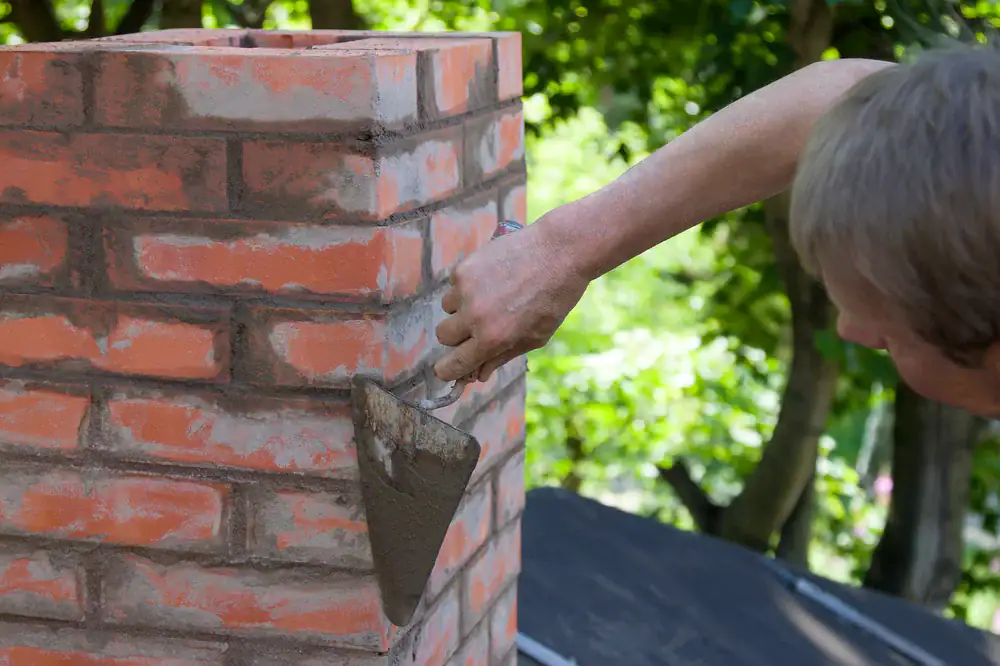
First, we assess what you’re dealing with. That means checking the entire structure—chimney stack, flue, liner, crown, flashing, and masonry. We’re looking for cracks, water damage, deterioration, and whether the foundation is still solid. You’ll know exactly what needs replacing and why.
If replacement makes sense, we remove the damaged sections. For partial rebuilds, that might mean everything from the roofline up. For full replacements, we take it down to the foundation and start fresh. Either way, we’re not patching over problems or leaving weak points that’ll fail in two years.
Then we rebuild using materials rated for coastal conditions. That includes weather-resistant mortar, properly sized flue liners, stainless steel caps, and flashing that’s sealed correctly. We’re not rushing through it, and we’re not cutting corners to save an hour of labor.
Once it’s complete, you’ve got a chimney system designed to handle salt air, heavy rain, freeze-thaw cycles, and everything else Mount Sinai weather brings. The work is warrantied, and you’re done worrying about it.

Ready to get started?
Chimney replacement covers more than just stacking new bricks. You’re getting a complete system designed to vent safely, shed water, and stand up to Long Island’s coastal climate.
That starts with the chimney stack—the visible brick or masonry structure. We rebuild this using marine-grade materials that resist salt corrosion and moisture penetration. The mortar is formulated for freeze-thaw resistance, which matters when winter temperatures swing 30 degrees in a day.
Inside, you get a new chimney liner. This is what protects your home from heat, sparks, and carbon monoxide. Liners crack over time, especially in older homes, and a compromised liner is a serious safety risk. We install stainless steel or clay liners depending on your heating system and code requirements.
The chimney crown sits on top and keeps water from running down inside your masonry. A cracked crown is one of the fastest ways to destroy a chimney from the inside. We pour or rebuild crowns with proper slope and overhang so water drains away, not into your bricks.
Flashing is where your chimney meets your roof, and it’s one of the most common leak points we see. We install step flashing and counter flashing that’s sealed correctly and won’t pull away during storms. If your roof is older, we’ll let you know if it makes sense to address that at the same time.
Chimney caps and spark arrestors go on last. These keep rain, snow, animals, and debris out of your flue while still allowing proper ventilation. In Mount Sinai, where you’re close to the water, a stainless steel cap is worth the investment. It won’t rust out in three years like cheaper materials.

If you’re repairing the same issues every few years, replacement usually makes more sense. Repairs work when the damage is isolated—a small crack in the crown, a section of loose mortar, or a damaged cap. But when the problems are structural or widespread, you’re just buying time.
Look for these signs: the chimney is leaning, bricks are spalling (flaking apart), you see large cracks running through multiple courses of brick, or the mortar is crumbling in several areas. Water stains inside your home near the chimney, a smoky smell even when the fireplace isn’t in use, or visible daylight through the flue from inside are all red flags.
In Mount Sinai, salt air accelerates deterioration. A chimney that might last 80 years inland can start failing in 40 here. If your home is older and the chimney has never been rebuilt, you’re likely looking at replacement, not just a patch job. We’ll give you an honest assessment—if repairs will actually hold up, we’ll tell you. If they won’t, we’ll explain why and what replacement gets you.
Full chimney replacement in Mount Sinai typically runs between $8,000 and $15,000, depending on the height, materials, and scope of work. Partial rebuilds—where we’re replacing from the roofline up—usually cost less, somewhere in the $4,000 to $8,000 range.
Several factors affect price. Chimney height matters because taller structures require more materials and labor. A two-story home costs more than a ranch. The type of liner you need (stainless steel vs. clay tile) changes the price. If we’re also addressing roof damage, flashing issues, or structural concerns, that adds to the total.
Long Island costs run higher than national averages because of local building codes, material costs, and the need for coastal-rated products. You’re not comparing apples to apples when you see cheaper prices online from other parts of the country. Those jobs aren’t accounting for salt air, freeze-thaw cycles, or the same code requirements.
We price everything upfront. You’ll know what the job costs before we start, and we offer 18-month interest-free financing if that helps. Replacing your chimney isn’t cheap, but it’s a lot less expensive than dealing with structural failure, water damage, or a carbon monoxide incident.
Most chimney replacements take three to five days, depending on the scope of work and weather. Partial rebuilds can sometimes be done faster. Full replacements, especially on taller homes, take longer.
Day one usually involves setup, safety measures, and demolition. We’re removing old masonry, protecting your roof and landscaping, and getting the site ready. Day two and three are the rebuild—laying new brick or stone, installing the liner, pouring the crown, and setting flashing. Day four is finishing work, cleanup, and final inspection.
Weather can slow things down. We’re not laying masonry in freezing temperatures or during heavy rain because it compromises the work. If we need to pause for weather, we’ll make sure your home is protected and watertight in the meantime.
You’ll have access to your home the entire time, but there will be noise and activity. We’ll let you know what to expect each day so you can plan around it. Once we’re done, the site is cleaned up, and you’re left with a chimney that’s ready to use.
Not immediately. Fresh mortar needs time to cure before it’s exposed to heat. Depending on the materials we use and the weather conditions, you’re usually looking at a seven to fourteen day curing period before you can safely use your fireplace or heating system.
If we’re working in warm, dry weather, curing happens faster. Cold or damp conditions slow it down. We’ll give you a specific timeline based on the work we did and the conditions during construction.
This curing period isn’t optional. Using your chimney too soon can cause the mortar to crack, weaken joints, and create gaps where water or gases can get through. You’ve just invested thousands in a new chimney—giving it time to cure properly protects that investment.
If you rely on your chimney for heat, plan the replacement during a time when you can go without it for a couple weeks. Spring and fall are usually ideal in Mount Sinai. The weather’s mild enough for construction, and you’re not depending on your heating system. If timing is tight, talk to us. We’ll work with your schedule as best we can.
A structurally sound chimney protects your home value more than it increases it. Buyers and inspectors look for problems. A failing chimney is a red flag that can kill a sale or tank your negotiating position. A new chimney removes that concern entirely.
In Mount Sinai, where the median home value is over $600,000, buyers expect homes to be well-maintained. A chimney that’s visibly deteriorating, leaning, or showing signs of water damage raises questions about what else has been neglected. It gives buyers leverage to demand repairs or price reductions.
Replacing your chimney before you sell means one less issue on the inspection report. It shows the home has been cared for, and it removes a major expense the buyer would otherwise factor into their offer. You’re not going to recoup 100% of the replacement cost in added value, but you’re protecting the value you already have.
If you’re not selling anytime soon, the value is in safety, functionality, and not having to deal with constant repairs. You’re eliminating the risk of carbon monoxide exposure, water damage, and structural failure. That peace of mind is worth something, even if it doesn’t show up on a balance sheet.
Yes. If your chimney structure is solid but the cap or liner is damaged, we can replace those components without rebuilding the entire chimney. Chimney cap replacement is one of the most common jobs we do, and it’s a lot more affordable than full replacement.
A chimney cap keeps rain, snow, animals, and debris out of your flue. Caps take a beating from coastal weather, and cheaper materials rust out or crack within a few years. We install stainless steel caps with built-in spark arrestors that hold up to salt air and won’t need replacing again anytime soon. Cap replacement usually takes a few hours and costs a few hundred dollars.
Chimney liner replacement is more involved. If your liner is cracked, deteriorating, or missing entirely, we’ll remove the old liner and install a new stainless steel or clay liner that’s properly sized for your heating system. This is critical for safety—a damaged liner can allow carbon monoxide into your home or let heat escape into the walls. Liner replacement costs vary depending on the height and type of liner, but it’s significantly less than replacing the entire chimney.
We’ll inspect your chimney and let you know what actually needs attention. If a cap or liner replacement solves the problem, that’s what we’ll recommend. If the structure itself is compromised, we’ll explain why and what full replacement gets you.
Other Services we provide in Mount Sinai